


The short version: The easiest food business ideas from home are shelf-stable products like cookies, bread, jam, granola, spice blends and candy, which most states let you make in your own kitchen under cottage food laws, and most of them cost about $100 to $500 to start. Pick one product you already make well, check your state's list of allowed foods and its yearly sales cap (Florida allows up to $250,000 and Texas up to $150,000), and sell it at a farmers market plus a pickup link. Anything with meat, most meal prep, catering and delivery-only "cloud kitchens" usually need a licensed commercial kitchen, with a few exceptions such as the California counties that permit small home kitchen restaurants. Dog treats and eggs follow their own rules, often through your state's agriculture department, and honey can go either way depending on the state.
Checked on each agency's and company's own page, September 30, 2026: the Florida and Texas cottage food pages, Minnesota's cottage food guidance, Alameda County's home kitchen FAQ, the federal egg rule, and the fee pages of Etsy, Shopify, Venmo, Square and Homegrown. Rules change, so verify your state's current rules before your first sale. Homegrown customers create an account to place a first order, and Homegrown has no drops or countdown release feature.
You've probably seen the listicles that promise "50 food business ideas!" and fill them with suggestions like opening a food truck, launching a catering company, or starting a meal kit delivery service. Those are real businesses, but they need thousands of dollars, commercial kitchens, and full-time hours most people don't have. If catering is still the long-term goal, how to start a catering business shows why most home kitchens cannot legally cater hot food and prices the smallest legal start at about $1,816 to $2,194 before food and kitchen hours.
This guide is different. Almost every idea here is something you can start from your home kitchen with a few hundred dollars or less. These are businesses built for people who want to sell at farmers markets, take online orders for local pickup, and grow at their own pace, without quitting a day job on day one.
Most of these products fall under cottage food laws, which means you can legally sell them from home without a commercial kitchen in most states. For each idea, you'll get realistic startup costs, whether it's cottage food eligible, where to sell it, and a link to our detailed guide if we have one.
Ready to actually start selling? Have a storefront that takes orders and payments online live in about 15 minutes: set up a Homegrown storefront ($10/mo billed annually, 0% commission, plus standard card processing), or compare the best platforms to sell food from home.
A good home food business has three things going for it: low startup costs of roughly $100 to $500, legal simplicity, and local demand. Not every food idea checks all three boxes, but the best ones do.
Most of the ideas on this list cost between $100 and $500 to launch. You already have the biggest asset, which is a kitchen. Your main expenses will be ingredients, packaging, labels, and any permits your state requires.
The goal is to start small enough that even a slow first month doesn't hurt. If you spend $200 on supplies and make $150 back at your first farmers market, you've learned a lot and lost very little. That's the advantage of a home food business over a food truck or restaurant: the money at risk is a few hundred dollars, not tens of thousands.
If you're working with a tight budget, our guide on how to start a food business from home with no money walks through exactly how to keep startup costs under $100.
Cottage food laws let you sell certain homemade foods directly to customers without a commercial kitchen, and often without a health department inspection of your home. The rules vary by state, but most states allow shelf-stable products like baked goods, jams, honey, candy, granola, and dried herbs. Some states add a training step: Texas requires every cottage food operator to complete an accredited food handler course before selling, according to the Texas Department of State Health Services cottage food page we checked on September 30, 2026.
Products that need refrigeration, like fresh salsa, dairy-based foods, or prepared meals, typically don't qualify under cottage food laws. That doesn't mean you can't sell them, but you'll usually need a licensed kitchen or additional permits. Texas is one big exception: since its 2025 law change (Senate Bill 541), a Texas cottage food operation may sell foods that need refrigeration if it registers with the state, though meat, poultry, seafood, ice cream and low-acid canned foods are still off the list.
Check your state's specific rules before you start. Our cottage food laws by state guide covers every state's requirements, sales caps, and labeling rules, and our list of what foods you can sell under cottage food laws sorts the common products into usually allowed and usually not allowed.
The best product is one that people near you actually want to buy. Pay attention to what sells at your local farmers market. Talk to people at community events. If three neighbors have asked to buy your banana bread, that's a market signal worth following.
Direct-to-consumer food sales are big and steady. In the USDA's 2022 Census of Agriculture, 116,617 farms sold $3.3 billion of food directly to consumers, and the value of those sales rose 16% from 2017 before inflation. USDA's Economic Research Service says those direct sales stayed about the same once inflation is counted, while the number of farms selling this way fell by about 10% over the same five years, so steady spending was shared by fewer farms. People want to buy food from people they know, and a home food business puts you in that position.
These 20 ideas start with baked goods, the most common first business. They are not sorted by cost, so compare the startup cost listed on each. Each one lists what it costs to start, whether cottage food laws usually cover it, where it sells, and why it works.
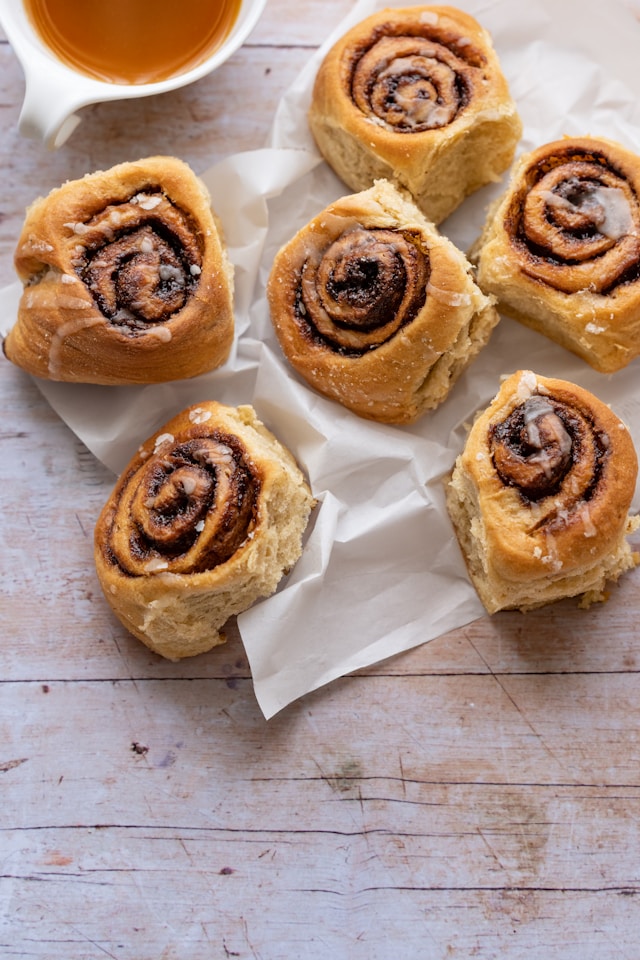
What you'll make: Cookies, brownies, muffins, scones, banana bread, cinnamon rolls, or anything else that comes out of an oven and keeps at room temperature.
Startup cost: $100 to $300 for ingredients, packaging, and labels.
Cottage food eligible: Yes, in most states. Baked goods without cream fillings are among the most widely allowed cottage food products.
Where to sell: Farmers markets, pop-up shops, custom orders, online ordering for local pickup.
Why it works: Baking is the most common entry point into a home food business because almost everyone has the equipment already. The ingredient costs are low, the margins are strong, and customers buy baked goods on impulse. A dozen cookies costs about $3.60 to $10.80 to make, packaging included, and sells for $18 to $36, according to our cookie guide below.
If you're serious about turning baking into a business, read our full guides on how to sell baked goods from home and how to start a baking business from home.
What you'll make: Decorated sugar cookies, specialty cookie boxes, stuffed cookies, or classic drop cookies.
Startup cost: Under $100, according to our cookie guide, because you likely already own the baking equipment; the main costs are packaging and labels, plus any decorating tools you add.
Cottage food eligible: Yes, in most states.
Where to sell: Custom orders, farmers markets, holiday markets, gift boxes.
Why it works: Cookies are one of the most common cottage food products, and decorated cookies command premium prices of $4 to $8 per cookie for custom designs. Cookie boxes make easy gifts, and the holidays create big spikes in custom orders. The key is finding your niche, whether that's decorated sugar cookies, gourmet chocolate chip, or allergen-free options.
Pricing, packaging, and building a custom order pipeline are all in how to sell cookies from home.
What you'll make: Artisan sourdough loaves, sandwich bread, focaccia, cinnamon rolls, dinner rolls.
Startup cost: $50 to $200 for flour, a good scale, bannetons, and packaging. A sourdough starter costs nothing if you make your own.
Cottage food eligible: Yes, in most states.
Where to sell: Farmers markets, weekly pre-orders, pop-ups at coffee shops where your state allows them.
Why it works: Good local bread is hard to find outside of expensive bakeries, and sourdough has a loyal following. Materials for a loaf run about $1 to $3.25, bag and label included, according to our bread guide, and artisan loaves sell for $8 to $14 at farmers markets. Bread also lends itself to a weekly routine: many customers who love your bread will order a loaf every week, which lets you bake to a known count.
Read our guides on how to sell bread from home and how to sell sourdough from home for the full breakdown.
What you'll make: Custom birthday cakes, wedding cakes, cupcakes, cake pops, sheet cakes for events.
Startup cost: About $90 for a basic cupcake setup, according to our cake guide, which priced two 12-cup pans, 1,000 liners, 10 boxes, piping bags, a scoop and 24 pounds of powdered sugar at $88.43 in September 2026. Custom decorated cakes add specialty pans, a turntable and decorating tools on top of that.
Cottage food eligible: Yes in most states, though many states restrict cream cheese frosting, whipped cream, custard fillings and other frostings that need refrigeration.
Where to sell: Custom orders, farmers markets, event orders, online ordering.
Why it works: Cakes are high-ticket products. Our cake guide puts an 8-inch two-layer cake at $45 to $85, a fully custom decorated 8-inch cake at $75 to $150 or more, and cupcakes at $28 to $55 a dozen. It prices wedding and event cakes at $4 to $8 a serving, so a cake for 50 guests comes to $200 to $400. The repeat business is built in, since birthdays and celebrations happen every month. The key challenge is managing order volume and setting clear timelines with customers.
For cottage food rules on decorated cakes, pricing formulas, and managing custom orders, read how to sell cakes and cupcakes from home.
What you'll make: Fruit jams, jellies, marmalade, fruit butter, apple butter, pepper jelly.
Startup cost: about $70 to $190: $50 to $150 for your first batch of jars, lids, labels and fruit, plus $20 to $40 for a water-bath canner if you need one, according to our jam guide.
Cottage food eligible: Yes in most states for high-sugar fruit jams and jellies, which are among the lowest-risk shelf-stable products. Low-sugar jams and pepper jelly get extra scrutiny in some states, so check the list.
Where to sell: Farmers markets, gift shops (where your state allows sales to stores), online orders for pickup, holiday gift boxes.
Why it works: Properly canned jam keeps for up to a year, one of the longest shelf lives of any cottage food product. Seasonal fruit is cheap during harvest: our jam guide puts the fruit at about $0.50 to $2 a jar and the finished jar, label included, at $1.75 to $4.75 to make, while a well-labeled jar of small-batch strawberry jam can sell for $8 to $10. Jam also makes a perfect gift, which means holiday markets and gift boxes create a second revenue stream beyond regular farmers market sales.
Our full guide on how to sell jam from home covers canning safety, labeling, and pricing.
What you'll make: Raw honey, creamed honey, infused honey (cinnamon, lavender, hot), honeycomb.
Startup cost: $300 to $800. Beekeeping equipment is the biggest upfront investment, but the ongoing costs are minimal. If you already keep bees and own the gear, plan on about $100 to $300, mostly jars, labels and packaging.
Cottage food eligible: Yes, in most states. Honey is named in many cottage food laws, and some states, Texas among them, have a separate small honey producer exemption on top of cottage food.
Where to sell: Farmers markets, farm stands, online orders, specialty grocery stores.
Why it works: Honey commands premium pricing of $10 to $18 a jar for local raw honey, depending on the jar size, and customers are fiercely loyal to their local honey source. Once your hives are established, production costs are almost nothing. Sealed honey keeps for years (it may crystallize, which is harmless), so you have almost no waste and no pressure to sell quickly.
Beekeeping basics, honey labeling laws, and pricing strategies are in how to sell honey from home.
What you'll make: Small-batch hot sauce, fermented hot sauce, fresh salsa, fruit salsa.
Startup cost: $100 to $300 for bottles, caps, labels, ingredients and a pH meter, according to our hot sauce guide's figure for cottage food production.
Cottage food eligible: Varies by state. Vinegar-based (acidified) hot sauce is allowed in many states, often with a tested recipe or a process review. Fresh salsa typically requires refrigeration and may not qualify, except in states like Texas that now allow refrigerated foods with registration.
Where to sell: Farmers markets, specialty food stores, online orders, pop-up shops.
Why it works: Hot sauce and salsa build cult followings. Customers who find a hot sauce they love buy it repeatedly and tell their friends. The margins are strong: a 5-ounce bottle that costs about $1.45 to $5.20 to make, bottle and label included, sells for $8 to $15. The key is developing a recipe that stands out and getting your pH levels right for food safety compliance.
Hot sauce and salsa each have their own guide: how to sell hot sauce from home and how to sell salsa from home.
What you'll make: Dill pickles, bread and butter pickles, pickled vegetables, sauerkraut, kimchi.
Startup cost: $100 to $300 for jars, crocks, spices, and vegetables.
Cottage food eligible: Varies. Vinegar-pickled products are allowed in many states. Fermented foods like sauerkraut and kimchi have stricter rules because fermentation is less predictable than canning.
Where to sell: Farmers markets, health food stores, online orders, farm stands.
Why it works: Fermented foods appeal to shoppers looking for gut-friendly food, and farmers market customers are exactly the audience willing to pay the $8 to $12 a jar that our pickle guide gives for artisan pickles. The costs are low: the same guide puts materials at roughly $1.50 to $3.30 a jar, with the jar, the lid and the label included.
The pickle guide, how to sell pickles from home, covers fermentation vs vinegar pickling, labeling, and cottage food rules for preserved vegetables.
What you'll make: Granola, trail mix, spiced nuts, energy bites, snack bars.
Startup cost: $100 to $300 for bulk ingredients, bags, labels, and a good baking sheet.
Cottage food eligible: Yes, in most states. Dry mixes with no dairy or meat are allowed almost everywhere; Florida's approved list names "cereals, trail mixes and granola" outright.
Where to sell: Farmers markets, coffee shops (where your state allows sales to businesses), online orders, gym and yoga studio partnerships.
Why it works: Granola and snack mixes are easy to batch, have long shelf lives, and scale well. An 8-ounce bag takes about $1 to $2 in ingredients, with granola at $2 to $4 a pound to make, and sells for $8 to $12. Coffee shops are often willing to stock local granola, which gives you a wholesale revenue stream alongside direct sales in states that allow it. Florida and Minnesota do not let cottage food go to stores or cafes, while Texas lets you sell shelf-stable cottage foods at wholesale to registered cottage food vendors.
Recipes, packaging, and wholesale pricing for granola are in how to sell granola from home.
What you'll make: Farm-fresh chicken eggs, duck eggs, quail eggs.
Startup cost: $500 to $1,500 for a small flock, coop, feed, and egg cartons. Higher upfront cost but very low ongoing expenses.
Cottage food eligible: Eggs have their own regulations in most states, separate from cottage food laws. The FDA's egg safety rule covers farms with 3,000 or more laying hens that do not sell all their eggs directly to consumers (21 CFR 118.1, checked September 30, 2026), so a backyard flock falls under your state's egg rules instead, which often cover grading, cartons and keeping eggs cold.
Where to sell: Farm stands, neighbors, farmers markets, local restaurants.
Why it works: Eggs are the ultimate repeat purchase. Many customers who buy your eggs come back every week. A flock of 8 hens lays roughly 4 to 5 dozen eggs a week in peak season, and farm-fresh eggs typically sell for $4 to $7 per dozen through direct sales, according to our eggs guide below. The per-egg cost drops significantly once your initial coop investment is covered.
Flock regulations, grading rules, and selling directly to consumers are covered in how to sell eggs from home.
What you'll make: Homemade dog biscuits, dehydrated treats, peanut butter treats, training treats.
Startup cost: $100 to $300 for ingredients, cutters, packaging, and labels, plus state pet food registration, which our dog treat guide puts at about $150 to $300 in the first year for three flavors in Colorado, New York, Washington and Indiana, before any lab tests.
Cottage food eligible: Usually no, because a dog treat is legally pet food. Minnesota is one exception we found: its cottage food registration covers baked or dehydrated treats for dogs and cats, according to the Minnesota Department of Agriculture page we checked on September 30, 2026. Everywhere else, check your state's department of agriculture. Of the six states our guide to the rules for selling homemade dog treats checked on September 18, 2026, four publish a fee for each product ($25 to $100 per product) and four charge a company or license fee. Colorado allows home kitchens with good manufacturing practices and New York allows them for shelf-stable baked treats, while California requires an approved facility rather than a home kitchen.
Where to sell: Farmers markets (many markets allow pet treats), pet stores, online orders, dog parks and pet events.
Why it works: Dog owners buy treats over and over, and homemade treats with simple, recognizable ingredients appeal to the same health-conscious customers who shop at farmers markets. A dozen dog biscuits costs about $1.50 to $2 in materials and sells for $8 to $12.
Then read how to sell dog treats from home for pet food regulations, labeling, and finding your market.
What you'll make: BBQ rubs, taco seasoning, baking spice blends, herb salt, everything bagel seasoning, curry blends.
Startup cost: $75 to $200 for a kitchen scale, mixing bowls, jars or bags, labels and your cottage food permit, according to our spice blend guide.
Cottage food eligible: Yes, in most states. Dry spice blends are shelf-stable and low-risk; Florida's list names "dry herbs, seasonings and mixtures."
Where to sell: Farmers markets, online orders, gift sets, local specialty stores.
Why it works: Spice blends have some of the highest margins of any cottage food product. A 4-ounce jar costs $1 to $3 in ingredients and sells for $8 to $12. They're lightweight (cheap to ship where your state allows shipping), have a long shelf life, and make perfect gifts. The key is creating unique blends that customers can't find in a grocery store. Labeling, jar sizes and pricing are covered in the spice blend guide.
What you'll make: Fudge, caramels, brittles, toffee, chocolate truffles, lollipops.
Startup cost: $75 to $200 for a candy thermometer, packaging and ingredients, the figure our fudge guide gives for a fudge business.
Cottage food eligible: Yes in most states, as long as the product doesn't require refrigeration. Chocolate truffles with fresh cream may fall into a gray area depending on your state.
Where to sell: Farmers markets, holiday markets, craft fairs, gift shops, online orders.
Why it works: Candy is an impulse purchase. Customers walking through a farmers market or holiday craft fair will buy a $5 bag of caramels without thinking twice. For many candy vendors, the November and December holiday markets are the busiest stretch of the year, so plan your biggest batches and your gift boxes around it. If you can nail two or three signature products, you'll build a loyal following fast. Our guides on whether you can sell homemade candy and how to sell fudge from home go deeper on the rules and pricing.
What you'll make: Herbal tea blends, dried herb bundles, infused salts, herbal sachets.
Startup cost: $100 to $300, according to our herbal tea guide: $100 to $200 if you grow your own herbs (a dehydrator, a scale and packaging) and $150 to $300 if you buy dried herbs in bulk (the herbs, a scale and packaging).
Cottage food eligible: Yes, in most states. Dried herbs and tea blends are shelf-stable dry goods.
Where to sell: Farmers markets, wellness shops, online orders, yoga studios, gift sets.
Why it works: If you grow your own herbs, your ingredient costs are nearly zero. A pound of dried herbs costs $2 to $5 to grow or source, according to the tea guide below. Tea blends and dried herbs also appeal to wellness shoppers at farmers markets, who will pay $6 to $8 an ounce for a locally sourced herbal blend. Keep the label to flavor and ingredients. The herbal tea guide explains why: a health claim such as "helps with sleep" can make the FDA treat your tea as a dietary supplement instead of a food. It also walks through the labeling details.
What you'll make: Weekly meal prep containers, frozen meals, family dinner kits, soup by the quart.
Startup cost: $500 to $2,000 for a licensed kitchen rental, containers, ingredients, and permits.
Cottage food eligible: No in most states. Prepared meals with perishable ingredients usually require a licensed commercial kitchen and food safety certification. Two exceptions are worth knowing: California counties that opted into home kitchen restaurant permits (covered below), and Texas, which now allows refrigerated cottage foods with registration but still excludes meat, poultry and seafood, which rules out most meal prep.
Where to sell: Online ordering with local delivery or pickup, weekly pre-orders, workplace lunch programs.
Why it works: Meal prep brings in steady weekly revenue from a small group of repeat customers. Our meal prep guide's example, 30 to 50 meals a week at $10 to $15 a meal, brings in $300 to $750 a week. The barrier to entry is higher, since you need a commercial kitchen and permits, but the recurring revenue is worth it for vendors who are ready to go beyond cottage food. Selling meal prep from home walks through the kitchen options and pricing per meal.
Five more ideas worth a look are freeze-dried candy, popcorn, fruit pies, dried pasta and gourmet marshmallows, because each one is shelf-stable, gift-friendly and less crowded at most markets than cookies. Three of the five (popcorn, fruit pies and pasta) appear by name on Florida's approved cottage food list, which we read on September 30, 2026. The other two are candy, which most states allow, though freeze-dried candy has extra rules in some states.
What you'll make: Freeze-dried Skittles, taffy, gummy candy and other "crunchy" versions of familiar sweets.
Startup cost: About $2,000 and up, because the machine is the whole business. Harvest Right's home freeze dryers were on sale for $1,895 to $4,995 on its own site on September 30, 2026, before bags, labels and candy.
Cottage food eligible: Depends on the state. Some states name freeze-dried candy in their rules and others limit how it can be packaged, so read your state's page before buying a machine.
Where to sell: Farmers markets, kids' events, holiday markets, online orders for pickup.
Why it works: Freeze-dried candy looks and sounds different from anything else on the table, so it stops people walking by. The catch is the up-front cost, which puts it far outside the under-$500 range of most ideas here. Before you buy a machine, the freeze-dried candy guide works through the state rules and the payback math on a freeze dryer.
What you'll make: Kettle corn, caramel corn, cheddar or ranch popcorn, popcorn balls, holiday tins.
Startup cost: $100 to $300 for a large pot or stovetop popper, bulk kernels, seasonings, bags and labels.
Cottage food eligible: Yes in most states. Florida's list names "popcorn and popcorn balls."
Where to sell: Farmers markets, school and sports events, holiday markets, gift tins for businesses.
Why it works: Popcorn kernels cost very little, so most of a $5 to $8 bag is margin once you pay for the bag and label. Flavors are easy to rotate by season, and a big tin makes a simple office gift in December. Packaging that keeps it crisp is covered in selling popcorn from home.
What you'll make: Apple, cherry, peach and berry pies, hand pies, mini pies.
Startup cost: $50 to $150 beyond what most home bakers already own, for pie plates, a rolling pin, boxes and labels, according to our pie guide.
Cottage food eligible: Fruit pies, yes in most states; Florida's list names "fruit pies and dried fruits." Cream, custard, pumpkin and meringue pies usually need refrigeration and usually do not qualify.
Where to sell: Thanksgiving and holiday pre-orders, farmers markets, coffee shops where allowed.
Why it works: Pie is a holiday tradition people would rather buy than bake, so November pre-orders can fill your oven for a week. Our pie guide puts a 9-inch fruit pie at $5 to $10 to make and $18 to $28 to sell.
What you'll make: Dried egg noodles, shaped pasta, flavored pasta like lemon pepper or spinach.
Startup cost: $100 to $250 for basic equipment such as a pasta roller and a drying rack, plus bags, labels and your cottage food permit, according to our pasta guide; an extruder for shapes like penne adds $200 to $600.
Cottage food eligible: Dried pasta, yes in many states; Florida's list names "homemade pasta." Fresh pasta has moisture and eggs, needs refrigeration, and usually does not qualify.
Where to sell: Farmers markets, gift baskets, pre-orders paired with a sauce from another vendor.
Why it works: Pasta stands out on a table full of cookies and bread, and a colorful bag of dried shapes looks like a gift. Drying times and the fresh versus dried rules are in the pasta guide.
What you'll make: Vanilla bean, peppermint, salted caramel and toasted coconut marshmallows, s'mores kits, cocoa toppers.
Startup cost: $75 to $200 for gelatin, sugar, flavorings, a candy thermometer, pans, boxes and labels, assuming you already own a stand mixer.
Cottage food eligible: Yes in most states, since marshmallows are a shelf-stable candy; Florida's list covers "candies and confections."
Where to sell: Holiday markets, hot cocoa bars and winter events, gift shops, online orders for pickup.
Why it works: A marshmallow costs pennies to make, and a box of nine in a winter flavor is an easy $10 to $15 gift. The marshmallow guide has flavor and bundle ideas that sell.
Of the seven products in the table below, a dozen cookies keeps the most per unit, about $7.20 to $32.40 after costs. Hot sauce, sourdough, granola, spice blends and dog biscuits come next, each keeping somewhere between about $3 and $14 a unit, while cakes and meal prep bring in the most per order. The table uses the cost and price figures from the ideas above, plus the jam guide's figures quoted in the pricing question below, so you can compare them on one screen.
Slide the table sideways to see what you keep on each product.
| Product | What it costs you to make | What it sells for | What you keep per unit, before fees and your time | Busiest season |
|---|---|---|---|---|
| Dozen cookies | $3.60 to $10.80, packaging included | $18 to $36 | $7.20 to $32.40 | November and December |
| Sourdough loaf | $1 to $3.25, bag and label included | $8 to $14 | $4.75 to $13 | Year round |
| Half-pint jar of jam | $1.75 to $4.75, jar and label included | $6 to $12 | $1.25 to $10.25 | Summer fruit, holiday gifts |
| Bottle of hot sauce | $1.45 to $5.20, bottle and label included | $8 to $15 | $2.80 to $13.55 | Summer and grilling season |
| Jar of spice blend | $1 to $3 in ingredients (4-ounce jar) | $8 to $12 | $5 to $11 | Holiday gift sets |
| Bag of granola | $1 to $2 in ingredients (8-ounce bag) | $8 to $12 | $6 to $11 | Year round |
| Dozen dog biscuits | $1.50 to $2 in materials | $8 to $12 | $6 to $10.50 | Year round |
"What you keep" is the sale price minus the cost to make, using the low price with the high cost and the high price with the low cost. It leaves out packaging where the cost above does not include it, card processing, booth fees and your hours. These are this guide's planning ranges, not prices we checked in a store.
The per-unit number is only half the story. A custom cake that keeps $60 but takes five hours of decorating pays you less per hour than 20 jars of spice blend you mixed in an afternoon. When you compare ideas, divide what you keep in a batch by the hours the batch takes, including shopping, packaging and the market day itself.
Three patterns show up when you run that math:
For a deeper, product-by-product look at margins at the market, read our guide to the most profitable foods to sell at farmers markets.
The easiest food businesses to start on a small budget are cookies, bread, spice blends, dried herbs and tea, and granola, which can each launch for $300 or less, mostly with equipment you probably own (dried herbs usually add a dehydrator). They are the easiest to make, not the only cheap ones: fruit pies ($50 to $150), jam ($70 to $190) and gourmet marshmallows ($75 to $200) can start for about the same. They share three traits: they keep at room temperature, most states allow them under cottage food laws, and one batch fits in a home oven or a mixing bowl.
Here are those five, from the lowest startup cost to the highest:
Easy also means easy to sell. Baked products are the easiest first sale because people buy them on sight at a market table, and you can go from decision to first sale in about three to four weeks, the same pace as the 30-day plan below, if your state's permit or registration comes through quickly. If "easy" for you means no oven time at all, spice blends and tea blends are the lowest-effort ideas on the list.
Make your first batch the size you can sell in one market day, not the size of your ambition. For a first market, that might be 3 to 4 dozen cookies or 10 to 12 loaves. You learn your real sell-through rate in one Saturday and throw away almost nothing.
The best food business for you is the one that matches three things: your skills, your state's laws, and your available time. Work through these five checks in order, and most people land on one or two clear choices in under an hour.
Most home food businesses cost between $100 and $500 to launch. The exact amount depends on what you're making and what you already have in your kitchen.
Typical startup expenses:
Startup cost ranges by product type:
The biggest cost for most vendors isn't ingredients; it's packaging and labels. Buying in small quantities is expensive. As you grow and order packaging in bulk, your per-unit cost drops significantly.
If you're watching every dollar, remember that ingredients, packaging, labels and booth fees are usually deductible business costs. IRS Publication 334, the tax guide for small businesses, says a business expense must be "ordinary and necessary" to be deductible, and a tax preparer can confirm how your ingredients should be counted. The IRS home office deduction is a separate thing: in general it covers a part of your home you use "regularly" and "exclusively" for business, so a family kitchen you also cook dinner in usually does not qualify. IRS Publication 587 has a separate rule for space used to store inventory: it can qualify without exclusive use when you sell products, your home is the business's only fixed location, and you regularly use a separately identifiable space for storage, such as shelves of packaged jam or granola. A tax preparer can tell you what fits your setup.
The full breakdown of starting on a tight budget lives in how to start a food business from home with no money.
Bakery products dominate: 1,402 of the 2,768 products on Homegrown on September 30, 2026, or 51%, sat in the Bakery category, from 180 of the 311 vendors. Pantry products like jam, honey, sauces and spice blends came second with 299 listings from 66 vendors.
Homegrown products by the category the vendor chose
Source: pull of every product on Homegrown, September 30, 2026, 2,768 products from 311 vendors, counted by the category field each vendor picked. Food and pet supplies categories only; health and wellness (143), plants and flowers (105), arts and crafts (97), home goods (75), books and media (7) and apparel (6) left out.
In a pull of the Homegrown catalog on September 30, 2026, the median listed price was $12.00 for a Bakery product (1,402 listings) and $10.00 for a Pantry product (299 listings), using each product's base price before size options. Eggs and dairy had only 51 listings but 26 vendors, about two each, which fits how eggs and dairy sell: one or two listings a vendor adds next to everything else. We counted by the category the vendor chose, not by words in the product name.
What that means for you:
You can sell homemade food in at least six places: farmers markets, pop-ups, online orders for local pickup, craft fairs, farm stands and, in some states, local shops. Most home food vendors use two or three of these channels together.
The right online ordering platform for a home food vendor is the one that takes payment up front, shows a simple menu, and handles local pickup, and on a $20 order the fees on the options below run from $0.48 to $2.35. Once you start taking online orders (and you will, because managing orders through text messages and Instagram DMs stops working around customer ten) you need somewhere to send people. Here are the realistic options for a home food vendor just starting out.
Instagram and Facebook DMs work for your first few customers. They cost nothing and you're already on those platforms. But there's no checkout, no order tracking, and you'll lose track of who ordered what by your third week. If customers pay you on Venmo, a business profile costs 1.9% + $0.10 per payment, and a personal account charges 2.99% when the payer marks it as goods and services.
Google Forms + Venmo gives you a free order form and a way to collect payment, with the same Venmo fees. The problem is you're matching orders to Venmo payments manually, and there's no product catalog or pickup scheduling. It's a step up from DMs but still entirely manual.
Etsy is designed for shipping products nationally. Etsy charges a $0.20 listing fee, 6.5% of every sale, and payment processing of 3% + $0.25 in the US, and for a local food vendor selling $8 jars of jam, those fees eat into already-tight margins. Etsy also controls the customer relationship, so you can't build your own buyer list, and shipping cottage food is limited or banned in many states.
Shopify starts at $29/month billed yearly or $39 billed monthly for the Basic plan, plus 2.9% + 30¢ card processing online, and it is built for e-commerce businesses shipping nationwide. It's more platform than a home food vendor needs, and the setup takes significantly longer than the simpler alternatives.
Square has a Free plan that costs $0 a month and charges 3.3% + 30¢ on online card payments, which works if you already use Square at your market table and only need a basic order page.
Homegrown costs $10/month billed annually ($12.50 billed monthly) and is built specifically for local food vendors. You get a product catalog, built-in payments, pickup scheduling, and a marketplace listing, all set up in about 15 minutes. No transaction percentage fees beyond standard payment processing (2.9% + $0.30, paid by the vendor).
Scroll sideways to see every column.
| Platform | Monthly plan | Trial | Platform or listing fees | Card processing | Customer pays on a $20 order | Vendor pays on a $20 order | Vendor pays in a month of 50 orders at $20 |
|---|---|---|---|---|---|---|---|
| Instagram DMs + Venmo business profile | $0 | Not needed | None | 1.9% + $0.10, paid by the vendor | $20.00 | $0.48 | $24.00 |
| Google Forms + Venmo business profile | $0 | Not needed | None | 1.9% + $0.10, paid by the vendor | $20.00 | $0.48 | $24.00 |
| Etsy | $0 (a one-time shop set-up fee may apply) | None | $0.20 listing fee + 6.5% transaction fee | 3% + $0.25, paid by the vendor | $20.00 plus shipping | $2.35 | $117.50 |
| Shopify Basic | $29 billed yearly ($39 monthly) | 3 days, then $1/month for 3 months | None with Shopify Payments (2% with another provider) | 2.9% + 30¢ online, paid by the vendor | $20.00 | $0.88 plus the plan | $73.00 |
| Square Free plan | $0 | Not needed | None | 3.3% + 30¢ online, paid by the vendor | $20.00 | $0.96 | $48.00 |
| Homegrown | $10 billed annually ($12.50 monthly) | 7 days, no charge until day 8 | None, 0% commission | 2.9% + $0.30, paid by the vendor | $20.00 | $0.88 plus the plan | $54.00 |
We checked every fee on September 30, 2026, on Venmo's fees page, Etsy's Fees and Payments and Etsy Payments policies, Shopify's pricing page, Square's pricing page and findhomegrown.com/signup. Card processing here is figured on the $20 price; Etsy charges processing on the full total with shipping and tax, so it runs a little higher. The 50-order column uses annual pricing; on monthly billing, Shopify's month is $83.00 and Homegrown's is $56.50.
Swipe sideways to read each drawback in full.
| Platform | Best For | Drawback for Home Food Vendors |
|---|---|---|
| Instagram DMs | First 10 customers | No checkout, no tracking, no scale |
| Google Forms + Venmo | Basic ordering | Manual payment matching, no catalog |
| Etsy | Shipping nationwide | Most fees per order, you don't own the customer, shipping food is often not allowed |
| Shopify | Large e-commerce | More setup and cost than a home food vendor needs |
| Square Free plan | Vendors already on Square at the market | Highest online card rate in this table, basic order page |
| Homegrown | Local food vendors | Not built for shipping or wholesale |
Whichever idea you pick from this list, the next problem is the same: people want to order between market days, and a pile of DMs and Venmo payments turns into missed orders. Homegrown gives you one link where customers see your menu, order and pay by card before your bake day, for $10 per month billed annually ($12.50 month to month) with no percentage fees beyond standard payment processing. Compared with Etsy, which took $2.35 of a $20 order in the table above and is built around shipping, or Shopify, which starts at $29 a month billed yearly ($39 month to month) and assumes you want a full website, it is sized for a vendor selling a weekly menu to neighbors.
What it does that matters for a home food business:
What Homegrown does not do, said plainly: it does not ship, so it is not the tool for mailing jam across the country, and it has no custom-quote or deposit feature for one-off wedding cakes. Your customers create a Homegrown account to place their first order, there is no drops or countdown release feature, and while your storefront is listed on the Homegrown marketplace, plan on most orders coming from people you send to your own link. Card processing of 2.9% + $0.30 is paid by you, with no option to pass it to the customer.
The most successful home food vendors don't rely on a single channel. They sell at a Saturday farmers market, take online orders during the week, and do a pop-up once a month. Multiple channels mean more customers and more consistent income.
You can take orders and payment online in most states, but shipping homemade food is where the rules split: some states allow mail order, others require you to hand the food over in person, and shipping across state lines almost always falls outside your state's cottage food exemption, because federal FDA rules apply once food crosses a state line, as our guide on whether you can ship cottage food explains. The three states below show how different the answers are.
Swipe the table left to compare all three states.
| State | Take orders online? | Ship it? | Sell to stores or cafes? | Yearly sales cap | Source, checked September 30, 2026 |
|---|---|---|---|---|---|
| Florida | Yes, "on their website" | Yes, "by mail order" | No, "cannot be sold wholesale" | $250,000 | Florida Department of Agriculture and Consumer Services, Cottage Foods page |
| Texas | Yes, if the label information is posted before payment | No; you, an employee or a household member deliver it in person | Shelf-stable foods only, to registered cottage food vendors | $150,000 | Texas Department of State Health Services, Cottage Food Production page |
| Minnesota | Yes, "over the internet" | People food no (in-state shipping starts August 1, 2027); dog and cat treats yes | No, sales go directly to the final customer | $78,000 | Minnesota Department of Agriculture, Cottage Food Law guidance |
Quoted words are from each agency's own page. These three states are examples, not a national rule; every state writes its own. Our guide on whether you can ship cottage food covers shipping across state lines.
Sales caps move. Texas raised its cottage food cap to $150,000 in a 2025 law (Senate Bill 541), and Minnesota passed a 2025 change that allows in-state shipping of people food starting August 1, 2027. A number from an older article or a two-year-old forum post may be wrong. Read your state agency's page the week you start.
The best food products to sell online are the ones that survive a few days in a bag: spice blends, granola, candy, tea blends, honey and dried pasta. Bread, cookies and cakes sell online too, but as pre-orders for local pickup or delivery rather than as shipped packages. For the local version, selling food online as a local vendor walks through the setup.
You can run a home cooking business that sells full meals only where a special permit allows it, because hot meals, catering and delivery-only "cloud kitchens" fall outside cottage food laws in most states. The legal routes look like this:
A cloud kitchen (also called a ghost kitchen) is a delivery-only restaurant with no dining room. It is still a restaurant in the eyes of the health department, so it needs a licensed commercial kitchen and a food service permit rather than a cottage food registration. If that is where you want to end up, start with a cottage food product to build a customer list, then move to a rented kitchen when orders justify the hourly cost.
Whether you need a license to sell food from home depends on what you're selling and where you live: shelf-stable foods usually need only a cottage food registration (or nothing), while meals, meat and most refrigerated foods need a licensed kitchen. Here's a quick breakdown.
Products that are usually cottage food eligible (no commercial kitchen needed):
Products that typically need additional permits or a licensed kitchen:
Every state sets its own rules, including annual sales caps, labeling requirements, and which specific products qualify. The caps vary a lot: Florida allows up to $250,000 in cottage food sales a year, Texas $150,000, and Minnesota $78,000, according to each state's agency page on September 30, 2026. Other states set lower limits, and some limit where you can sell, such as only in person or only at farmers markets.
The Texas rules require every cottage food operator to finish an accredited food handler course, and operators who sell foods that need refrigeration now must register with the Department of State Health Services and follow temperature and labeling rules. Any operator can register with the state and print a registration number on the label instead of a home address.
Before you invest in any product, check your state's specific requirements. Our cottage food laws by state guide has the details for all 50 states, our guide to cottage food labeling requirements covers what goes on the label, and our guide on how to start a cottage food business walks through the entire process.
You can start a food business from home in about 30 days by picking one product, confirming your state's rules in week one, testing and pricing in week two, and selling your first batch around day 30, if your permit or registration comes through in a couple of weeks (Minnesota says processing a registration can take up to 30 days). The steps below are the order that avoids wasted money.
If step six is where you get stuck, a pickup storefront solves it in one sitting: set up a Homegrown storefront with your first product and pickup day, and hand market customers the link so their second order comes to you instead of your DMs.
By what you keep on each unit, a dozen cookies leads the profit table above at about $7.20 to $32.40 after costs, with hot sauce, sourdough, granola, spice blends and dog biscuits next at about $3 to $14 each. Honey and custom cakes, which are not in that table, can also pay well per sale. Honey costs almost nothing to produce once hives are established and sells for $10 to $18 a jar, depending on the jar size. Custom decorated cakes sell for $40 to $150 each. Spice blends cost $1 to $3 in ingredients per 4-ounce jar and sell for $8 to $12. The most profitable food to sell from home for you specifically depends on your skills, your hours and your local demand.
Yes, in most states, for the right foods. Cottage food laws allow you to sell specific shelf-stable foods from home without a commercial kitchen license. You'll typically need to register with your state or county, follow labeling rules, and stay under your state's annual sales cap, and some states, like Texas, also require a food handler course. Check your state's cottage food laws for exact requirements.
What you make selling food from home comes down to your price times how many you sell. On Homegrown on September 30, 2026, the median Bakery listing was $12.00, so a vendor who sells 40 of those at one Saturday market brings in $480 in sales before ingredients, packaging and booth fees. Adding weekly pre-orders for pickup is the usual next step to grow, and our guide on how much you can make at farmers markets walks through the math by stage.
Baked goods are the most listed food on Homegrown: on September 30, 2026, 1,402 of the 2,768 products listed, or 51%, were in the Bakery category. Bread, jam, honey and eggs are also common farmers market staples. Baked goods sell well because they're impulse purchases: customers smell fresh cookies and buy on the spot. Bread and eggs build repeat customers who come back every week. Seasonal products like apple butter in fall and berry jam in summer also perform well.
Not for most cottage food products. If you're selling baked goods, jams, honey, granola, spice blends, or other shelf-stable products, your home kitchen is legal in most states under cottage food laws. You usually need a commercial kitchen for products that require refrigeration, meat products, or prepared meals. Shared commercial kitchens often rent for $15 to $40 per hour when you need one.
Baked goods are the easiest food business to start from home. You already have an oven, mixing bowls, and baking sheets. The ingredient costs are low, cottage food laws allow them in almost every state, and the learning curve is minimal. Following the 30-day plan above, you can be selling in about four weeks, most of it spent waiting on a registration. Spice blends and granola are close seconds.
Start by calculating your total cost per unit: ingredients, packaging, labels, and your time at $15 to $25 an hour. Then multiply by 2 to 3 to get your retail price. The multiplier is what covers booth fees, travel and other overhead, so you do not add those to the cost. Our pricing guide's own example is a lower-cost dozen than the $3.60 to $10.80 range in the cookie idea above: $3.00 in ingredients and packaging plus $9.17 of your time at $20 an hour, a full cost of $12.17, which puts the dozen at about $24 to $37. A half-pint jar of jam takes about $1.75 to $4.75 in materials and about $6.98 once the jar, the label and your hours are paid, according to our jam guide. The 2x to 3x formula would put that jar at about $14 to $21, above the $6 to $12 that half-pints typically sell for, so the jam guide treats $10 as the price that covers the full cost, not one that also covers your overhead. How to price food products for a farmers market has detailed formulas and examples.
These six guides pick up where this one stops, each answering the next question most new vendors ask after choosing an idea. Start with the state rules, since that is the one step that can rule a product out.
You don't need to pick the perfect food business idea today. You need to pick one that interests you, make a small batch, and sell it to real people. Many successful home food vendors start with a single product and a single farmers market, not a business plan and a commercial kitchen.
Choose a product from this list that matches your skills, check your state's cottage food laws, and set a goal: have your first batch ready to sell within 30 days.
Most first-year vendors find that one product, one market and one ordering link is plenty to manage. Once that first product sells out two or three weeks in a row, add a second product that uses the same kitchen time, like granola next to cookies or spice blends next to hot sauce.
When you're ready to take orders beyond the farmers market, set up your Homegrown storefront in about 15 minutes and share the link with your first customers.



