


Most cottage food vendors do not need to upgrade to a commissary kitchen. If your state's cottage food law covers what you sell and your sales are under the annual cap (typically $25,000 to $75,000), your home kitchen is legally sufficient and operationally practical. A commissary kitchen makes sense when you hit capacity limits at home, need to sell products not allowed under cottage food law, or want to scale beyond what your residential kitchen can handle.
The short version: A home kitchen is the right choice for most cottage food vendors doing under $25,000 per year in sales. Cottage food laws in most states allow you to sell baked goods, jams, honey, and other shelf-stable products from your home with minimal licensing. A commissary kitchen ($15 to $40 per hour or $250 to $1,250 per month) makes sense when you outgrow your home kitchen, need to make products that require a licensed facility (dairy, meat, TCS foods in most states), or when a large account requires a health department permit. Do not upgrade until you have a clear reason — the added cost and complexity are only worth it when your revenue justifies them.
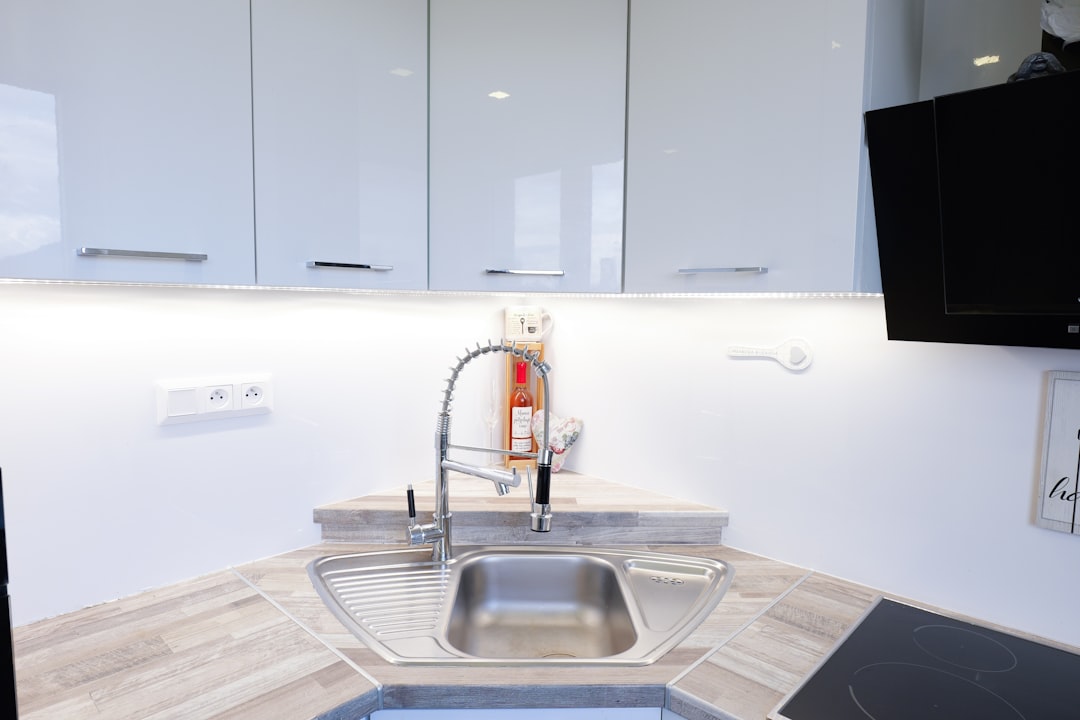
A home kitchen is the kitchen in your house. Under cottage food laws, most states allow you to prepare and sell certain food products from this kitchen without a commercial license or health department inspection.
A commissary kitchen is a licensed commercial kitchen space that multiple food businesses share. As Home Kitchen Hub explains, think of it as a coworking space for food production. You rent time in a fully equipped, health-department-inspected facility.
Here is how they compare:
| Feature | Home Kitchen | Commissary Kitchen |
|---|---|---|
| Monthly cost | $0 (your own kitchen) | $250-$1,250/mo |
| Hourly rental | N/A | $15-$40/hr |
| Health department permit | Not required (cottage food) | Included with facility |
| Products allowed | Shelf-stable only (most states) | Any food product |
| Annual sales cap | $25,000-$75,000 (varies by state) | No cap |
| Equipment | Your own | Commercial-grade, shared |
| Inspection | None (cottage food exempt) | Regular health inspections |
| Licensing | Cottage food permit (simple) | Food handler's permit + more |
| Insurance | Optional but recommended | Often required by facility |
For a vendor selling 50 jars of jam per week from their kitchen, the home kitchen is the clear choice. For a vendor who needs to produce 500 jars per week with cold storage and commercial labeling, the commissary kitchen makes sense.
Your home kitchen is the right workspace when:
Most vendors reading this article should stay in their home kitchen. The cottage food model is designed to let you sell without the overhead and complexity of a commercial operation. Upgrading before you need to is one of the most common and costly mistakes new food vendors make.
Here is a reality check: if you are doing $1,000 per month in cottage food sales, adding $500 per month in commissary costs means half your revenue goes to the kitchen before you even buy ingredients. A smarter path is maximizing your home kitchen first — getting more orders through better marketing, raising prices on underpriced products, and adding higher-margin items to your lineup. Grow your revenue to the point where commissary costs represent 15 to 20 percent of sales, not 50 percent.
The vendors who thrive are the ones who keep overhead low and revenue high. Your home kitchen, an ordering system like Homegrown at $10 per month, and insurance at $25 per month give you a complete business for under $50 per month. A commissary adds $250 to $1,250 per month. Make sure the math works before you sign anything.
A commissary kitchen becomes the right move in specific situations. As CloudKitchens' guide to commissary kitchens notes, recognizing the right time to move is crucial to avoid waste, delays, and customer loss.
If your state caps cottage food sales at $25,000 per year and you are consistently hitting that number by August, a commissary kitchen lets you keep growing. Moving to a licensed facility removes the sales cap entirely.
Cottage food laws in most states restrict you to non-potentially-hazardous, shelf-stable foods. If you want to sell products that need refrigeration — cream-based items, certain cheeses, cut fruit, or prepared meals — you need a licensed kitchen. Chicken salad is one of those products, and the rent shows up in its price: five hours at $25 over a 20-pound batch is $6.25 a pound, the math behind what to charge for chicken salad. Note: some states (like Texas, California, and Oregon) have expanded their cottage food laws to include certain TCS (time and temperature control for safety) foods. Check your state's current rules before assuming you need to upgrade.
When you are running three ovens simultaneously, storing 200 jars on your dining table, and your family cannot use the kitchen on Thursdays and Fridays, you have outgrown your space. A commissary kitchen gives you commercial-grade equipment, more counter space, and dedicated production time.
If a local coffee shop, restaurant, or grocery store wants to carry your products, they will almost certainly require that you produce in a licensed, inspected kitchen. This is one of the most common reasons cottage food vendors upgrade.
Cottage food operations are typically limited to the permit holder and sometimes immediate family members. If you want to hire non-family employees, most states require you to operate in a licensed facility with proper employee health certifications, workers' compensation insurance, and food safety training.
This is a significant step. Going from a solo cottage food operation to an employer changes your tax obligations, insurance requirements, and legal liability. Many vendors find they can handle growth by getting more efficient (better equipment, better scheduling, smarter product mix) before they need to hire.
If you have outgrown your home oven's capacity, need a blast chiller, require a commercial dehydrator, or need specialized equipment like a chocolate tempering machine, a commissary kitchen provides commercial-grade equipment you do not have to buy. Purchasing commercial equipment for your home can cost $5,000 to $20,000, while renting time in a kitchen that already has it costs a fraction of that.
Commissary kitchen pricing varies by city, facility quality, and how much time you need:
| Cost Model | Typical Range | Best For |
|---|---|---|
| Hourly rental | $15-$40/hr | Vendors needing 4-8 hours per week |
| Monthly membership | $250-$1,250/mo | Regular weekly production |
| Daily rental | $100-$300/day | Occasional large batch production |
| Storage add-on | $50-$200/mo | Vendors needing cold or dry storage |
For a cottage food vendor upgrading from home, the typical path is starting with hourly rental to test the workflow before committing to a monthly membership.
Here is what that looks like financially:
If you are doing $1,500 per month in sales, a commissary kitchen eats more than half your revenue. For a meal prep vendor at $25 an hour, that rent works out to about $5.00 a meal in a 20-meal shift and $2.50 a meal in a 100-meal shift, which is why meal prep prices have to cover the kitchen and not just the groceries. Stay home until your sales volume demands the upgrade.
Before signing a commissary lease, make sure you have maximized your home kitchen operation:
If you have decided a commissary kitchen is the right move, here is how to find one:
When evaluating a commissary, check:
If you need insurance before using a commissary, our guide to the best cottage food insurance providers covers options starting at $299 per year.
The cottage food model exists to let small vendors sell without commercial overhead. A home kitchen with a $10 per month ordering platform through Homegrown and $25 per month in insurance gives you everything you need to run a legitimate food business for under $50 per month total.
A commissary kitchen is a growth tool, not a starting requirement. Upgrade when your revenue demands it, a wholesale account requires it, or your products outgrow cottage food laws. Until then, stay home, keep costs low, and focus on making great food and building customers.
Ready to start selling locally? The easiest way to take local orders and get paid is an online storefront — see the best platform to sell food from home, or set up a Homegrown storefront in about 15 minutes ($10/mo, 0% commission).
In most states, no. Cottage food laws allow you to sell certain homemade food products from your home kitchen without a commercial license. You need a licensed commercial or commissary kitchen only if you sell products that require refrigeration, exceed your state's sales cap, or want to sell wholesale to restaurants and stores.
Commissary kitchens typically cost $250 to $1,250 per month for a membership, or $15 to $40 per hour for hourly rental. The exact cost depends on your city, the facility's equipment and quality, and how many hours you need. Storage adds $50 to $200 per month.
Yes, in most states. Cottage food laws allow direct-to-consumer sales at farmers markets, roadside stands, and through online pre-orders with local pickup. Many farmers markets accept cottage food vendors, though some require proof of insurance. Check with your specific market for their requirements.
A commissary kitchen is a shared commercial kitchen where multiple businesses rent time. A commercial kitchen is a private, dedicated kitchen that one business owns or leases exclusively. Commissary kitchens are cheaper (shared costs) but offer less scheduling flexibility. Commercial kitchens cost more but give you full control of the space.
Consider upgrading when you hit your state's cottage food sales cap, need to make products not allowed under cottage food law (refrigerated items, TCS foods), receive a wholesale opportunity that requires a licensed kitchen, or physically cannot produce enough in your home kitchen. Do not upgrade just because you think you should — upgrade when your revenue and product needs require it.
Yes. Most commissary kitchens offer hourly rental specifically for small producers who only need the space for a few hours per week. This is the most affordable way to test whether a commissary kitchen works for your business before committing to a monthly membership.
Most commissary kitchens require vendors to carry their own general liability insurance (typically $1 million per occurrence) before using the facility. This protects both you and the kitchen operator. Policies from providers like FLIP start at about $299 per year and include unlimited additional insureds, so you can add the commissary kitchen to your policy at no extra cost.
You can, but it is rarely the smart move for a new vendor. Starting in a commissary means paying rent before you have revenue. Most successful food vendors start at home, build their customer base, prove demand, and then upgrade when their sales justify the cost. Starting at home costs nothing in kitchen overhead and lets you test products, pricing, and marketing risk-free.
The main downsides are cost (adding $250 to $1,250 per month to your overhead), scheduling limitations (popular times may be booked by other users), commute time (driving to the kitchen adds time to every production day), and shared space frustrations (other users may leave messes or use equipment when you need it). These are manageable but worth considering before committing.



