

The short version: Cottage food laws let you sell homemade foods that stay safe on a shelf without a fridge, so baked goods, fudge and fruit jam are allowed in all 9 states whose rules we read for this guide. Meat, seafood, low-acid canned foods, raw milk and most foods that need refrigeration are left out of traditional cottage food laws, though Texas, Tennessee and Arizona already allow some refrigerated foods like cheesecake, and Colorado joins them on January 1, 2027. The middle of the list is where states split: home-canned pickles are allowed in 5 of the 9 states, shelf-stable canned salsa in 4, butter in 2 and beef jerky in 1 (Arizona). Sales caps in those states run from $10,000 per product in Colorado (until 2027) and $35,000 in Washington to $250,000 in Florida, and Tennessee and Arizona set no cap at all.
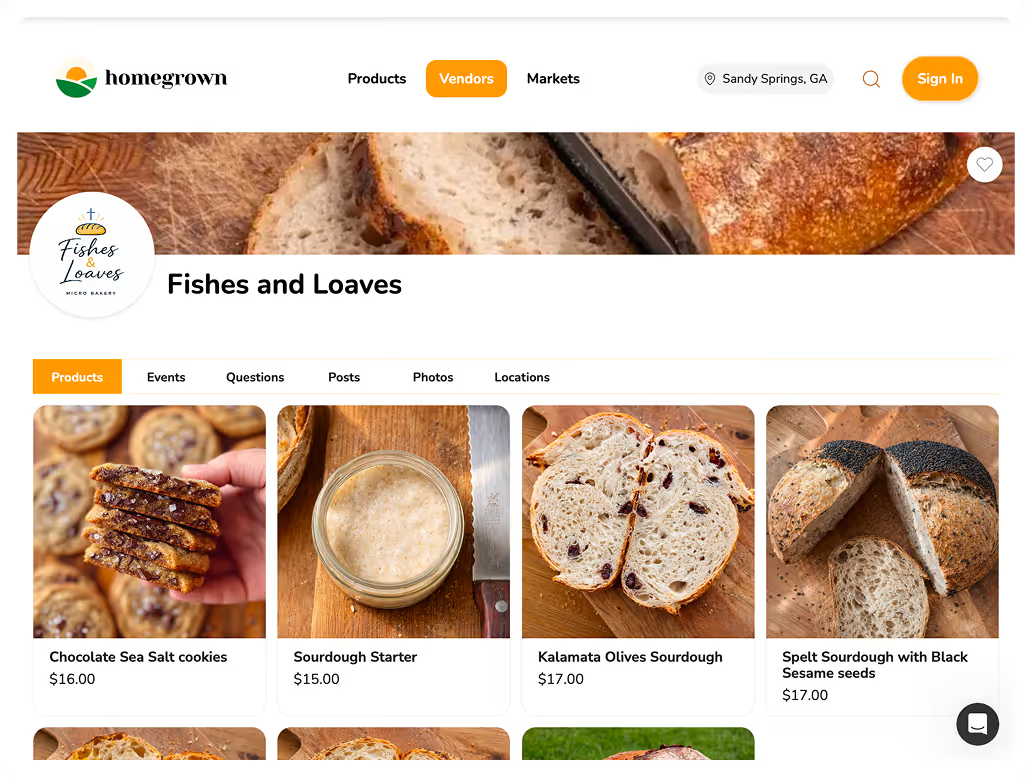
Checked on each state's agency page, food list or statute, October 12, 2026: California, Texas, Florida, New York, Minnesota, Colorado (today's rules and the 2027 Tamale Act), Washington, Tennessee and Arizona, plus the Wyoming, North Dakota, Montana and Utah food freedom laws, and the pricing pages of the ordering platforms compared below. Rules change often, so verify your state's current rules before your first sale. If you take orders on Homegrown, customers create a Homegrown account to place a first order, there is no drop or countdown release feature, and you should plan on most orders coming from people you send to your own link.
Cottage food laws let you sell certain homemade foods without a commercial kitchen, but not every food qualifies. The list depends on your state, and the line exists for one reason: food safety. A cookie can sit on a farmers market table all morning. A cheesecake cannot.
Approved food lists vary a lot by state. The cottage food law checker shows yours, and our cottage food laws by state guide has a row for every state.
This guide explains which foods are typically allowed under cottage food laws, which foods are almost always excluded, and why the line is drawn where it is. Then it goes food by food through the questions people actually search for (butter, fudge, salsa, pickles, beef jerky, cheesecake and tamales) with a table showing what 9 states say about each one. If you are wondering whether your recipe qualifies, start here.
Only certain foods qualify because cottage food laws are built to allow home kitchen sales of the foods with the lowest food safety risk. Those are foods that do not need a refrigerator to stay safe.
Non-potentially hazardous foods are the foundation. Food safety people also call the risky group "TCS foods", short for foods that need time and temperature control for safety. A non-potentially hazardous food is the opposite: its natural makeup keeps bacteria from growing fast, because of two measurements, its pH and its water activity.
pH measures acidity. Foods with a pH of 4.6 or below (more acidic) are generally considered safe because most harmful bacteria cannot grow in acidic food. This is why jams, pickles, and fruit preserves often qualify.
Water activity measures how much free moisture is in a food. Foods with a water activity of 0.85 or below do not have enough available water for most bacteria to grow. This is why dried goods, candies, and baked goods typically qualify.
Those two numbers are not just a rule of thumb. The Minnesota Department of Agriculture's cottage food training asks registrants this exact question, and its answer is "pH of 4.6 or lower, water activity of 0.85 or less."
When a food has low pH, low water activity, or both, it can sit at room temperature without becoming unsafe. That is the basic test most states use to decide what belongs on the cottage food list. Passing it is necessary but not enough on its own: your state still has to allow that kind of food, and a canned food also needs a tested canning process, and New York bans pickles by name, even at pH 4.6 or below.
Why this matters for you: understanding the principle helps you judge a recipe even when your state's law does not list it by name. If your product needs refrigeration to stay safe, it is almost certainly not a cottage food under a traditional law. Here is how the two measurements sort common products:
Baby food purees are a clear test case, and our guide to selling homemade baby food found that Texas and Utah give a fresh puree a route, Minnesota allows only fruit purees that test at pH 4.6 or below, and 6 of the 9 states that guide checked give a vegetable puree no route, while baked teething biscuits without honey fit the ordinary baked goods rules.
A recipe that looks shelf-stable can still fall outside the rules. A pickle made with less vinegar than the tested recipe can land above pH 4.6, and a jam made with less sugar can stop being a standard jam: Washington's agriculture department bans low-sugar jams for exactly that reason. Colorado's health department offers free pH testing for up to five pickled products while its limited funding lasts, according to its cottage foods page (checked October 12, 2026), and Minnesota points registrants to food testing labs and home pH meters.
Baked goods, candy, fruit jams, honey and dry mixes are the core of almost every cottage food list. All 9 states in this guide allow shelf-stable baked goods, fudge and fruit jam, and most allow the dried and candied foods below too. Individual states add their own limits, so treat these lists as the common ground and then read your state's list for the exact wording.
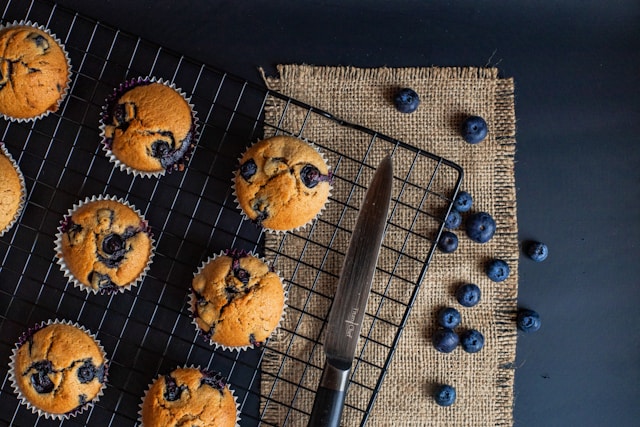
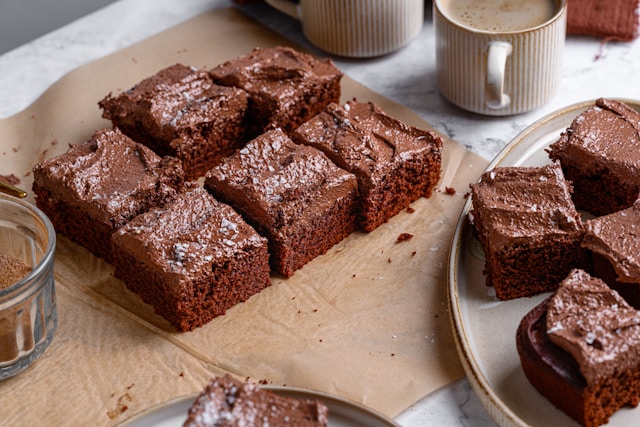
Baked goods are the largest and most widely approved cottage food category, and 52% of Homegrown's catalog sits in Bakery. All nine states in this guide allow home-baked goods that do not need refrigeration.
Commonly allowed:
The key restriction: baked goods with fillings or frostings that need refrigeration, like cream cheese frosting, custard fillings, whipped cream or meringue, are typically excluded. Buttercream made with butter and powdered sugar is where states disagree. California's approved foods list names "Buttercream made with butter" as allowed. New York bans homemade buttercream that contains dairy or eggs. Colorado allows buttercream only when it is made with ghee or vegetable oil until its new law starts in 2027, and Washington wants every frosting to either have a cook step or be made with 3 parts sugar or another shelf-stable ingredient to 1 part butter, eggs, cream or milk, by weight. Biscuits split the same way the fillings do: a plain buttermilk biscuit is allowed in all 9 states covered in the guide to selling homemade biscuits, while a sausage or ham biscuit is allowed in none of that guide's 9 states (Arizona, which is not in that set, allows meat from a USDA-inspected source handed over in person).
Pies need a second look. Fruit pies are on nearly every list, but California's list says "fruit only, no pumpkin," and New York allows only double-crust fruit pies. Pecan pie is a trap: FoodSafety.gov's cold storage chart lists pumpkin and pecan pies as refrigerator foods after baking, good for 3 to 4 days, and USDA's food safety rule is to never leave food out of refrigeration for more than 2 hours. The homemade pie rules guide goes state by state.
If you are interested in selling baked goods, the baked goods selling guide covers everything from pricing to packaging.
Jams and preserves are one of the most popular cottage food products, and fruit jams are allowed in all 9 states we read.
Commonly allowed:
Why they qualify: the combination of high sugar, high acidity (low pH), and proper processing through water bath canning makes these products shelf-stable and safe at room temperature.
What to watch for: several states tie jam to a federal recipe standard. California allows only the fruits listed in Part 150 of the federal food rules, Washington allows only standardized jams, jellies and fruit butters (so no low-sugar jam), and New York's list allows jams only from high-acid fruits like apple, berry, cherry, peach and plum. Pepper jelly is a common surprise: New York bans it, and Colorado keeps it out both today and under its 2027 rules. Some states also want you to use tested recipes from sources like the USDA or the National Center for Home Food Preservation.
Honey is naturally shelf-stable and is on the cottage food list in most of the states we read, though not every one. New York's approved home processor list and Washington's allowable cottage food list, both checked October 12, 2026, do not name honey at all, so ask before you add a jar to your table.
Commonly allowed:
Note: some states regulate honey under separate honey rules rather than cottage food laws, so a beekeeper may have a different path than a baker. Lip balm and other beeswax body products are a separate case. Lip balm is a cosmetic, not a food, so your cottage food registration does not cover it; the homemade lip balm guide covers the federal cosmetic rules instead.
Most shelf-stable candies, from hard candy and toffee to caramels and fudge, are allowed under cottage food laws. Fudge is on the list in every state we checked, by name in California, New York, Colorado, Washington and Arizona.
Commonly allowed:
What to watch for: chocolate work is where the lists split. California allows chocolate-covered nonperishables like nuts, dried fruit and potato chips, and Washington allows molded chocolates and products dipped in chocolate. New York prohibits tempered chocolate and candy melts for dipping, coating or drizzling, which rules out cocoa bombs and chocolate-covered fruit. New York also allows fudge but bans fudge and caramel sauces. The homemade candy rules go state by state.
Dried goods like granola, herbs and dried fruit sit well under the 0.85 water activity line, which makes them naturally shelf-stable.
Commonly allowed:
What to watch for: New York's rules are the strictest we read on this group. They allow repackaging commercially dried herbs, fruit and vegetables but prohibit drying fruits and herbs yourself, ban roasting or grinding coffee beans, and require commercially roasted nuts in granola and trail mix. California, Colorado and Florida allow roasted coffee or dried fruit outright.
Pickled products are allowed in some states and banned in others, so they are the first food to check on your state's list. Five of the nine states we checked allow home-canned pickles (Texas, Minnesota, Colorado, Tennessee and Arizona) and 4 do not (California, Florida, New York and Washington).
Commonly allowed where pickles are allowed (check each one, because sauces split further):
Important: the pH of pickled products must be 4.6 or below to be considered safe. Some states require pH testing, approved recipes, or both. Texas lists the recipe books it accepts (the USDA Complete Guide to Home Canning, the University of Georgia's So Easy to Preserve and Ball's canning books) and wants a unique batch number on the label for each batch of pickled or fermented vegetables. Hot sauce is where that line bites hardest: Washington, Ohio, Florida and California all keep it out of their cottage food rules, as our guide to whether you can sell homemade hot sauce shows with each state's own wording. Fermented pickles (like traditional sauerkraut or kimchi) are treated differently from vinegar-pickled products in some states; Colorado's 2027 list approves kimchi, sauerkraut and miso but not fermented foods pasteurized to sit on a shelf.
Read your state's banned list before its allowed list. New York's approved list is long, but its prohibited list is the one that catches people: pickles, salsas, vinegars, nut butters, syrups, freeze-dried foods, tempered chocolate and roasting coffee are all out, even though many states allow them. Ten minutes with that one list saves a batch you cannot sell.
Meat, seafood, dairy products, foods that need refrigeration, low-acid canned foods and alcohol are the six groups traditional cottage food laws leave out. They need refrigeration, carry a higher safety risk, or fall under separate federal rules. A few states now carve out exceptions, and 4 states in this guide (Texas, Tennessee, Arizona and, from 2027, Colorado) allow some refrigerated foods; each exception is noted below.
Meat products are excluded from cottage food laws in most states, and 8 of the 9 we read for this guide leave most meat out, with Arizona the exception. Meat and poultry are regulated at the federal level by the USDA's Food Safety and Inspection Service (FSIS), which requires inspected facilities for processing and selling meat. The University of Tennessee's guide to that state's Food Freedom Act puts it plainly: "Since many states rely on USDA inspection of meats, most meat products are not allowed under cottage food laws."
Not allowed under most cottage food laws:
The exceptions: a few states allow meat in narrow ways. Arizona's cottage food program allows beef and pork products, like jerky and meat tamales, when the meat comes from a USDA-inspected source and you sell the food yourself (in person or online, but not through a delivery app) and hand it over in person. Colorado adds jerky and meat tamales on January 1, 2027. The food freedom states allow small amounts of home-raised poultry: Wyoming, North Dakota, Montana and Utah all let a vendor who raises and slaughters a small flock of their own birds sell the poultry (no more than 1,000 birds a year, or fewer than 1,000 in Montana). Wyoming also allows domestic rabbit meat, and Utah lists it pending USDA approval. North Dakota's law bars only products made from uninspected meat. Inside our 9, Tennessee allows poultry dishes, sold in person, but only under one of two narrow federal exemptions, using inspected chicken or birds you raised under the 1,000-bird rule, and Arizona's program says home-raised chickens are allowed as long as the business falls within the Arizona and federal exemptions. These are exceptions, not the rule.
If you want to sell meat: you will usually need a USDA-inspected facility, a state-inspected plant where your state runs its own program, or a licensed retail kitchen. That is separate from cottage food entirely.
Most states exclude dairy products because they are potentially hazardous (they support bacterial growth at room temperature).
Not allowed under most cottage food laws:
What this means for baked goods: you can use butter, milk, and eggs as ingredients in baked goods, because baking makes the final product shelf-stable. Minnesota's agriculture department says it directly: dairy "can be used in baked goods (butter, milk, eggs, etc.)" even though butter, cheese and yogurt themselves are not cottage foods. You just cannot sell the dairy products themselves in most states. Plain butter is the dairy product worth a second look: Utah and Wyoming allow it under food freedom rules, Texas left it off its list of excluded cottage foods in 2025 but its dairy rules say every dairy manufacturer needs a milk plant permit (ask the Department of State Health Services in writing first), and Pennsylvania requires a raw milk permit before anyone sells raw milk butter, so whether you can sell homemade butter comes down to your state. The full answer is in the butter section below.
Fish and shellfish are excluded from most cottage food laws and are regulated under separate federal and state food safety rules. Texas names seafood on its short list of foods a home kitchen cannot sell, and Arizona's program says "Fish isn't allowed. This includes frozen, canned, and fresh." Tennessee's Food Freedom Act bans fish and shellfish in refrigerated foods; for a shelf-stable fish product there, check with the University of Tennessee's food science extension before you sell.
Any food that needs to stay cold to be safe is excluded under a traditional cottage food law:
A few states now carve out some of these. Texas allows refrigerated foods once you register with DSHS, its health department, keep them at 41°F or below, and add a safe handling statement. Tennessee has allowed them since July 1, 2025, as long as you sell them in person. Arizona allows them when you or your employee sell them straight to the customer, and any delivery is one trip of no more than two hours at a safe temperature. Colorado will allow one type of refrigerated food in up to five variations starting January 1, 2027. California, Florida, New York, Minnesota and Washington still keep refrigerated foods out on the pages we read October 12, 2026, and so does Colorado until its new law starts.
Low-acid canned foods (vegetables, soups, stocks) that require pressure canning are excluded in most of the states we read because improper processing can lead to botulism. Tennessee is the exception on paper: the University of Tennessee's 2025 slides say low-acid canned vegetables and beans need a proper pressure canning process to be shelf-stable, so check your process with that extension office before you sell. Texas names "low-acid canned goods" on its banned list, and Colorado's 2027 rules say "Any home pressured canned item is also not allowed." High-acid foods processed through water bath canning (like jams and, in some states, pickles) are generally fine.
Alcoholic beverages (wine, beer, spirits) are regulated separately and are not covered by cottage food laws. Foods made with alcohol are a split. New York bans products containing alcohol, and Washington sends home brewers to its Liquor and Cannabis Board. California allows alcohol-based extracts, and Colorado's 2027 rules allow alcohol as an ingredient if the finished product is no more than 5% alcohol by volume.
In a pull of the Homegrown catalog on October 12, 2026, 1,470 of 2,847 products (52%) were in the Bakery category the vendor chose, from 186 of 313 vendors. The next largest food groups were pantry goods (364 products) and ready-to-eat food (198). The catalog also includes farms and licensed kitchens, so it shows what local vendors list, not only cottage foods.
The answer for the foods people ask about most changes from state to state. The table below puts 7 of those foods side by side for 9 states, each read from the state's own food list, agency page or statute on October 12, 2026. Fudge is a yes everywhere; beef jerky is a yes in only one state today.
Scroll sideways to see every column.
| State | Fudge | Home-canned pickles | Salsa | Butter | Cheesecake | Beef jerky | Tamales |
|---|---|---|---|---|---|---|---|
| California | Yes, on the approved list | Not on the approved list | Not listed | Not on the list | No; frostings and fillings with cream or cream cheese are kept out | Not on the list | Yes, without meat (listed under baked goods without cream, custard or meat fillings) |
| Texas | Yes | Yes, from an accepted recipe source, with a batch number | Yes: canned from an accepted recipe, or fresh as a refrigerated food after state registration | Not on the excluded list, but Texas dairy rules require a milk plant permit; ask DSHS | Yes, after state registration, kept at 41°F or below | No, meat is excluded | Without meat, as a refrigerated food after registration; no meat tamales |
| Florida | Yes (candies and confections) | Not on FDACS's approved list | Not named by FDACS | Not on FDACS's list | No, only foods that need no time or temperature control | Not named by FDACS | Not on FDACS's approved list |
| New York | Yes (fudge sauce is banned) | No, banned by name | No, banned by name | No, "butters" banned | No, banned by name | No, meat banned | Not on the approved list |
| Minnesota | Yes (candy) | Yes, pH 4.6 or below, sold only in Minnesota | Yes, home-canned to pH 4.6 or below, sold only in Minnesota | No, named as not allowed | No, named as not allowed | No, jerky named as not allowed | No, named as not allowed |
| Colorado, today | Yes, named | Yes, pH 4.6 or below | No, salsa fails the state's eligibility quiz | No; the state's eligibility quiz flags whipped butter, and buttercream made with butter is not allowed | No | No, jerky named as ineligible | No, needs refrigeration |
| Colorado, from January 1, 2027 | Yes | Yes | Refrigerated salsa yes; canned salsa no | Not named on the 2027 list | Yes (refrigerated foods limited to one type, up to five variations) | Yes: USDA-inspected meat, not vacuum packed, not cured or smoked to preserve it | Yes, including beef and pork |
| Washington | Yes, named | No, canned pickles banned | No, banned by name | No, dairy banned | No | No, jerky banned by name | No (meat and refrigerated foods banned) |
| Tennessee | Yes | Yes, with a validated heat process from a recognized recipe source or a process authority | Yes, canned the same way, or fresh as a refrigerated food sold in person | Yes, from pasteurized cream; the University of Tennessee lists butter as shelf-stable | Yes, sold in person | No in practice; most meat stays under USDA inspection | Without red meat (beef, lamb or pork), sold in person; chicken tamales only under one of two narrow federal poultry exemptions |
| Arizona | Yes, named | Yes, named | Yes, named | Yes; ADHS says "Most foods are allowed!" and among dairy foods bars only raw milk; dairy products are sold and handed over in person | Yes, named, handed over in person | Yes: beef and pork from a USDA-inspected source, handed over in person | Yes, named, including beef, chicken and pork |
Sources, all loaded October 12, 2026: California Department of Public Health Approved Cottage Foods list (last reviewed April 2026); Texas Department of State Health Services cottage food page and Texas dairy rule 25 TAC 217.71; Florida's FDACS cottage food page and Florida Statutes 500.03 and 500.80; New York Department of Agriculture and Markets home processing page; Minnesota's cottage food guidance and registration training; Colorado Department of Public Health and Environment cottage foods page and 2027 Tamale Act food eligibility page; WSDA's cottage food page; Tennessee Code 53-1-118 and University of Tennessee fact sheet PB1909 and 2025 Food Freedom Act slides; Arizona Department of Health Services cottage food program page and A.R.S. 36-932. In California's row, "not listed" or "not on the list" means California allows only listed foods and this one is not listed. In Florida's row, "not on FDACS's list" or "not named by FDACS" means FDACS's list of approved cottage food products does not name it; Florida's law defines cottage foods by whether they need time or temperature control for safety, not by a list, so ask FDACS first. Both count as not allowed in the totals below.
Counted across the 9 states (with Colorado counted under today's rules):
How many of 9 states allow each food today
Source: the state pages, food lists and statutes listed under the table above, read October 12, 2026. States: California, Texas, Florida, New York, Minnesota, Colorado (today's rules), Washington, Tennessee and Arizona.
Usually not, because plain butter is a dairy product and only Tennessee and Arizona, of the states we read, allow it under their rules. Most cottage food laws leave dairy out, so in 7 of our 9 states you cannot sell homemade butter as a cottage food. Outside our 9, the food freedom states of Utah and Wyoming allow it too.
Here is how the main states draw the line:
Butter as an ingredient is a different question, and the answer is yes almost everywhere. Brown butter cookies, butter pound cake and croissants are baked goods. Fruit butters like apple butter are jam-family foods, and nut butters follow their own rules. Our full guide to selling homemade butter covers the dairy permits.
Fudge is a yes in every state we read, while canned salsa is allowed in 4 states and home-canned pickles in 5 states. Salsa and pickles depend on your state, because both rely on acid to stay safe and some states do not trust home acidifying.
Fudge is a cooked sugar candy with low water activity, so it is about as safe a cottage food as there is. California, Colorado, Washington, Arizona and New York name it on their lists, and Florida and Minnesota cover it as candy. Two catches: New York allows fudge but bans fudge and caramel sauces, and Washington wants a candy thermometer used on any stove-top candy. Our guide on how to sell fudge from home covers pricing and packaging.
Pickles split the states 5 to 4. Texas, Minnesota, Colorado, Tennessee and Arizona allow home-canned pickles if they reach pH 4.6 or below. California, Florida, New York and Washington do not. Washington explains why: cooked vegetables, fresh or canned, "usually are made from a combination of low acid and acidified foods," so it treats them as potentially hazardous. The full state list is in can you sell homemade pickles.
Salsa is stricter than pickles because it mixes low-acid tomatoes, onions and peppers. Four of the nine states allow a shelf-stable canned salsa (Texas, Minnesota, Tennessee and Arizona), and Colorado's 2027 list adds refrigerated salsa but still bans canned salsa. Fresh salsa is a refrigerated food, so it only works where refrigerated foods are allowed. For the recipe and testing rules, see whether you can sell homemade salsa in your state.
Pickles and salsa are allowed, but only made and sold inside Minnesota. The Minnesota Department of Agriculture's cottage food guidance, checked October 12, 2026, says "Food that is home-processed and home-canned, like pickles and salsa, cannot be transported across state lines," and that registrants may sell "home-processed and home-canned pickles, vegetables, or fruit with a pH of 4.6 or below."
Usually not, because beef jerky is a meat product and meat falls under USDA inspection. Among the nine states we read, only Arizona allows beef jerky from a home kitchen today, and Colorado adds it on January 1, 2027. Minnesota, Washington and Colorado (until 2027) name jerky as not allowed, Texas and New York ban meat, California and Florida leave it off their lists, and Tennessee leaves most meat to USDA inspection.
Where jerky is allowed, the meat has to start inspected:
Federal meat law sits on top of all of this. The USDA's retail store exemption, 9 CFR 303.1, lets a retail store or restaurant process inspected meat without federal inspection of that work, but it never says whether a home kitchen counts as one. So in any state that allows jerky, get the agency's answer in writing before your first batch. The homemade beef jerky rules and our jerky business guide cover the licensed routes.
If you searched a quiz question word for word, it comes from Minnesota's cottage food registration training, the free course Minnesota's smallest sellers (up to $7,665 in yearly sales) take each year. Here are the questions people search most, with the answers from the training itself (December 2025 version, loaded October 12, 2026).
"Which of the example product(s) listed below can be made and sold under the cottage food exemption? A. Roasted walnuts B. Pickled green beans C. Chocolate chip cookies D. All of the above"
"Which of the example product(s) listed below can be made and sold under the cottage food exemption? A. Cakes topped with cut fresh fruit garnish B. Cheesecake C. Charcuterie boards D. Canned, pickled cucumbers"
"Which of the example pet treat product(s) listed below can be made and sold under the cottage food exemption? A. Frozen beef liver B. Raw ground venison C. Dehydrated turkey jerky D. Oatmeal peanut butter biscuit"
"What is the pH OR water activity level a food product must have to be sold under the cottage food exemption?"
These answers are Minnesota's. Other states agree on the pH and water activity lines, but not on every food: pickled green beans would fail in California, Florida, New York and Washington, and cheesecake passes in Texas, Tennessee and Arizona.
The safest ideas are the foods allowed in every state we read: bread, cookies, brownies, fruit pies, fudge and fruit jam. Start there, then add a regional or seasonal item your state allows. Baked goods are also what local food vendors list most: 52% of the products in the Homegrown catalog on October 12, 2026 sat in the Bakery category.
Cottage food ideas that work almost everywhere:
Ideas that depend on your state:
Count your listings by what they are, not by what you named them. In that same October 12, 2026 catalog pull, a search for the word "fudge" found only 9 of one fudge shop's 16 listings, because flavors named "Mint," "Amaretto" or "Cookies & Cream" never say fudge. Put the food type in every product name and description, so customers and search engines can tell what you sell.
At least 4 of the 9 states we read (Texas, Tennessee, Colorado and Minnesota) have changed, or scheduled a change to, their cottage food rules since 2025, and most of those changes made selling easier. Higher caps, refrigerated foods and wider selling options are the three directions they moved in, though Minnesota's change also adds a $30 yearly fee for everyone.
Changes we confirmed on the state pages October 12, 2026:
Food freedom states have gone further. Wyoming's Food Freedom Act lets a home cook sell foods, including dairy products, directly to an "informed end consumer" up to $250,000 a year. Utah's Home Consumption and Homemade Food Act excludes only raw dairy and most meat. Montana's Local Food Choice Act and North Dakota's cottage food law allow small amounts of home-raised poultry. These laws come with their own limits on who you sell to and where.
States that allow refrigerated (TCS) foods are still a minority, but the group is growing. Among the 9 we read, Texas, Tennessee and Arizona allow them today and Colorado joins in 2027, each with extra steps like registration, in-person sales or a two-hour delivery limit. California is a common mix-up: its cottage food program covers only what the state health department calls "non-potentially hazardous foods," so cheesecake and other refrigerated foods are not cottage foods there.
If you want to know exactly what your state allows, check your state's cottage food law for the current approved list.
Yearly sales caps in the states we read run from $35,000 in Washington to $250,000 in Florida, with Colorado capping each product at $10,000 until 2027. Six of the nine states in the table below set a yearly sales cap and 3 (New York, Tennessee and Arizona) do not on the pages we read.
Swipe left to see how each cap works.
| State | Yearly sales cap | How the cap works |
|---|---|---|
| California | $88,878 (Class A) or $177,756 (Class B) in 2026 | Gross sales, adjusted every January for inflation |
| Texas | $150,000 | Annual gross income, per the state health department's page |
| Florida | $250,000 | Gross sales of cottage food products |
| New York | None listed | The home processor page lists no sales limit |
| Minnesota | $78,000 | Gross sales per individual; registration is free up to $7,665 and $50 above that |
| Colorado | $10,000 per product through 2026; $150,000 total from January 1, 2027 | Today net revenue per product type; from 2027 gross sales, adjusted for inflation |
| Washington | $35,000 | Gross sales per year |
| Tennessee | None | The Food Freedom Act sets no cap |
| Arizona | None | A cook "may sell cottage food products to the maximum extent allowed by federal law" |
Checked October 12, 2026 on the California Department of Public Health's 2026 adjusted sales limit sheet, the Texas DSHS cottage food page, Florida Statutes 500.80, the New York home processing page, the Minnesota Department of Agriculture's guidance, the Colorado Department of Public Health and Environment's cottage foods and Tamale Act pages, the WSDA cottage food page, Tennessee Code 53-1-118 and A.R.S. 36-932.
Colorado's per-product cap is easy to misread. The state health department's own example: if you make blueberry, banana and chocolate chip muffins, each type gets its own $10,000. Washington's $35,000 is the lowest overall cap in the table, and Florida's $250,000 is the highest.
You check what your state allows in four steps, starting with its own approved food list. The allowed food list varies by state and laws change often, so read the current page rather than a list you saved last year.
If you are ready to start selling, the step-by-step guide to starting a cottage food business walks you through the full process, including licensing requirements and labeling rules.
You stay within the rules by sticking to tested recipes, labeling every package, keeping records and watching your sales cap. Five habits cover most of it.
Stick to approved recipes. For products like jams, pickles, and canned goods, use tested recipes from trusted sources. Modified recipes may change the pH or water activity enough to move your product out of the safe zone. Texas lists the exact books it accepts for pickled and fermented foods, and Tennessee's extension counts a canned food as shelf-stable only when its heat process comes from a recognized publication or a process authority.
Do not assume your product qualifies. Just because a food seems shelf-stable does not mean it meets your state's definition. A cake with cream cheese frosting might seem fine sitting on a counter, but the frosting makes it a potentially hazardous food in most states we read.
Label everything correctly. Proper cottage food labeling is required in every state we read. Your label typically needs your name, address, the product name, ingredients, allergen warnings, and a statement that the product was made in a home kitchen. The statement differs by state. Texas, for example, requires "THIS PRODUCT WAS PRODUCED IN A PRIVATE RESIDENCE THAT IS NOT SUBJECT TO GOVERNMENTAL LICENSING OR INSPECTION."
Keep records. Track your recipes, sales, and any food safety documentation your state requires. This protects you if there is ever a question about your products.
Know your revenue cap. 6 of the 9 states we read set a yearly cap, from $35,000 in Washington to $250,000 in Florida, and Colorado caps each product at $10,000 until 2027. If you are approaching your state's limit, you may need to move to a licensed food business.
Online selling rules differ from food rules. In Washington, WSDA's FAQ allows taking orders over the Internet if payment and delivery happen "in a person to person transaction," but the cottage food statute bans internet sales, and another WSDA FAQ answer and WSDA's April 2026 post say internet or online sales are not allowed. Keep payment and hand-off in person, and get WSDA's answer in writing before you take payment online. Texas allows online sales only when you, an employee or a household member delivers in person, and Minnesota bars shipping human cottage foods until its 2027 change. Our guide to cottage food shipping rules covers each state.
Once you know which foods your state allows, the next problem is taking orders without losing track of them in texts and DMs. A simple pre-order page fixes that: customers pick from the foods you list, pay ahead, and choose a pickup time, so you bake exactly what was ordered.
Homegrown costs $10 per month billed annually ($12.50 billed monthly) with no percentage fees beyond standard payment processing of 2.9% + $0.30. You list only the products your state allows, with ingredients and allergens on every listing, set pickup times at your porch, farmstand or market booth, and share one link. Compare that with Hotplate, which has no subscription but by default adds 5% + $0.55 to each customer's order, or Etsy, which takes a 6.5% transaction fee plus 3% + $0.25 processing and a $0.20 listing fee, and which is built around shipping, something many cottage food laws limit or ban.
Homegrown has honest limits. It does not decide which foods are legal in your state; that is still your list to check. Customers create a Homegrown account to place their first order. There is no drop or countdown release feature. Your storefront is listed on the Homegrown marketplace, but plan on most orders coming from people you send to your own link. And because checkout takes card payment online, it does not fit Washington, where WSDA's FAQ wants payment and hand-off in person and the cottage food statute and WSDA's April 2026 post ban internet sales, so Washington sellers should ask WSDA for a written answer before using any online checkout.
Move the table sideways to see every fee.
| Platform | Subscription | Trial | Platform fee | Card processing | Customer pays on a $20 order | Vendor pays on a $20 order | Vendor cost, 50 orders a month |
|---|---|---|---|---|---|---|---|
| Homegrown (annual) | $10/mo billed annually | 7 days, no charge until day 8 | $0 (0% commission) | 2.9% + $0.30, paid by the vendor | $20.00 | $0.88 | $54.00 |
| Homegrown (monthly) | $12.50/mo billed monthly | 7 days, no charge until day 8 | $0 (0% commission) | 2.9% + $0.30, vendor pays | $20.00 | $0.88 | $56.50 |
| Hotplate (default: fee passed to customer) | No monthly subscription | Not needed (no subscription) | 5% + $0.55, paid by the customer | 2.9% + $0.30 on what the customer pays, paid by the vendor | $21.55 | $0.92 | $46.25 (customers pay $77.50 in fees) |
| Hotplate (vendor covers the fee) | No monthly subscription | Not needed (no subscription) | 5% + $0.55, paid by the vendor | 2.9% + $0.30 on the $20 order, vendor pays | $20.00 | $2.43 | $121.50 |
| Etsy | None for a standard shop; a one-time set-up fee may apply | Not needed (no subscription) | 6.5% transaction fee plus $0.20 listing fee per item sold | 3% + $0.25 (Etsy Payments, US) | $20.00 | $2.35 | $117.50 |
Checked October 12, 2026 on findhomegrown.com/signup, hotplate.com/pricing, Hotplate's post "What Hotplate does" (September 1, 2025), etsy.com/legal/fees and Etsy's Payments Policy. Hotplate's pricing page says the fee split is "your choice"; its post says "80% of Hotplate chefs keep the default as-is." Shipping, sales tax and optional ads are left out of every row. Etsy's listing fee renews after each sale.
If your state's list fits your menu, set up your Homegrown storefront with just those products, then text the link to your regulars before your next bake day.
If the food you want to sell is not allowed under your state's cottage food law, you have five options:
Modify your recipe. Sometimes a small change, like switching from cream cheese frosting to a shelf-stable buttercream, or replacing a cream filling with a fruit filling, can move your product into the approved category. New York's agriculture department suggests exactly this: a frosting made only from shelf-stable ingredients "such as shortening, sugar and commercially produced meringue powder," or a store-bought frosting.
Apply for a different license. Some states offer permits between cottage food and full commercial licensing that allow a broader range of products with some extra requirements. Minnesota's agriculture department points sellers of foods outside the cottage food list to a food license, and Washington points wholesale and third-party sellers to its food processor license.
Use a commercial kitchen. Renting time in a shared commercial kitchen lets you sell foods your cottage food law leaves out, under a food license. Hummus is a common example, because it needs refrigeration, and pricing hummus with the kitchen rent counted shows that rent adds $1.50 to $3.30 to each 8 ounce tub when you make 40 tubs in a 4-hour session. Many commercial kitchens rent by the hour, making this more accessible than building your own.
Sell at venues where hot-prepared foods are allowed. Some states have separate permits for selling food at events or farmers markets that cover a broader range of foods than cottage food laws.
Wait for your state to update its law. Cottage food laws keep expanding. Colorado's list grows on January 1, 2027, and Texas's grew on September 1, 2025, so a food that is not allowed today may be added in a later legislative session.
Under a traditional cottage food law, no, because cream cheese frosting needs refrigeration. A few states now allow it: Texas after you register with DSHS, Tennessee if you sell it in person, Arizona (its approved list names cream cheese frosting), and Colorado from January 1, 2027. Buttercream is the usual swap, but check the rule: California allows buttercream made with butter, Colorado allows only ghee or vegetable oil buttercream until 2027, New York bans homemade buttercream with dairy or eggs, and Washington wants a frosting to either have a cook step or be made with 3 parts sugar to 1 part butter, eggs, cream or milk by weight.
In most states, no. Meat is regulated by the USDA, and 8 of our 9 states leave jerky out today, by name in Minnesota, Washington and Colorado (until 2027). Arizona allows jerky today if the beef and pork come from a USDA-inspected source and you hand it over in person, Colorado adds jerky from USDA-inspected meat on January 1, 2027, and Pennsylvania and Idaho name jerky on their home kitchen paperwork and law. Food freedom states are narrower than they sound: Utah's law excludes meat except a small flock of home-raised poultry (and rabbit, pending USDA approval), Wyoming's allows meat only in narrow cases like home-raised poultry, rabbit and animal share agreements, and North Dakota bars products made from uninspected meat.
Some states include pet treats in their cottage food laws, while others regulate them separately. Minnesota allows baked or dried treats for dogs and cats, and lets you ship them; New York allows pet treats from home with a separate registration; Arizona and Colorado send pet treats to their agriculture departments. Treats made from raw or dried meat are out under Minnesota's rules. Check our guide on how to sell dog treats from home for the rules in more states.
In most states, not low-acid canned vegetables like green beans, corn or plain tomato sauce, which need pressure canning and carry a botulism risk if processed wrong. Texas names "low-acid canned goods" on its banned list, and Colorado's 2027 rules say "Any home pressured canned item is also not allowed." High-acid canned foods like jams, and pickled vegetables at pH 4.6 or below, are allowed in many states, including 5 of the 9 we read for pickles.
In most states, yes, but not all. Six of the nine states we read set a yearly cap: $35,000 in Washington, $78,000 in Minnesota, $88,878 or $177,756 in California (2026, by class), $150,000 in Texas and $250,000 in Florida, while Colorado caps each product at $10,000 until a $150,000 total cap starts in 2027. New York's page lists no cap, and Tennessee and Arizona set none. Check your state's cottage food law for the current revenue limit.
Most of the states we read allow online ordering in some form, but the delivery and payment rules matter. Texas allows online sales when you, an employee or a household member delivers in person; New York allows internet sales inside New York only; and Minnesota requires in-person delivery until shipping inside the state opens on August 1, 2027. Washington is split: WSDA's FAQ allows taking orders online, but the cottage food statute (RCW 69.22.020) bans internet sales, and another WSDA FAQ answer and WSDA's April 2026 post say internet or online sales are not allowed, so keep payment and hand-off in person and get WSDA's written answer before you take payment online. Our guide on cottage food shipping rules explains the state-by-state differences.
Usually not as a cottage food, because most drinks need refrigeration or a heat process. New York bans beverages and simple syrups, Washington says "No beverages are allowed" and bans syrups, Colorado lists beverages as ineligible until 2027, and Minnesota bans fresh juice that is not heat treated and making fresh-squeezed lemonade at a market. California allows only powdered drink mixes. Arizona, Texas and Tennessee allow some drinks today. Arizona's approved list names cold brew, lemonade, agua frescas, kombucha, fresh juices and syrups, and ADHS says pouring drinks is not covered by the program, so bottle and label them at home before market day. Texas leaves drinks off its short list of excluded foods, so a refrigerated lemonade fits once you register with DSHS and keep it at 41°F or below. The University of Tennessee lists pasteurized, bottled lemonade as shelf-stable, and Colorado's 2027 list approves refrigerated lemonades and agua frescas. The homemade lemonade guide covers the permits.
These guides answer the next question for the foods in this one:
_This article is for informational purposes and does not constitute legal advice. Cottage food laws vary by state and change frequently. Check your state's current cottage food law for the specific list of allowed foods in your area._
_Cottage food laws change frequently. Verify your state's current rules before selling any product not explicitly listed as approved._