
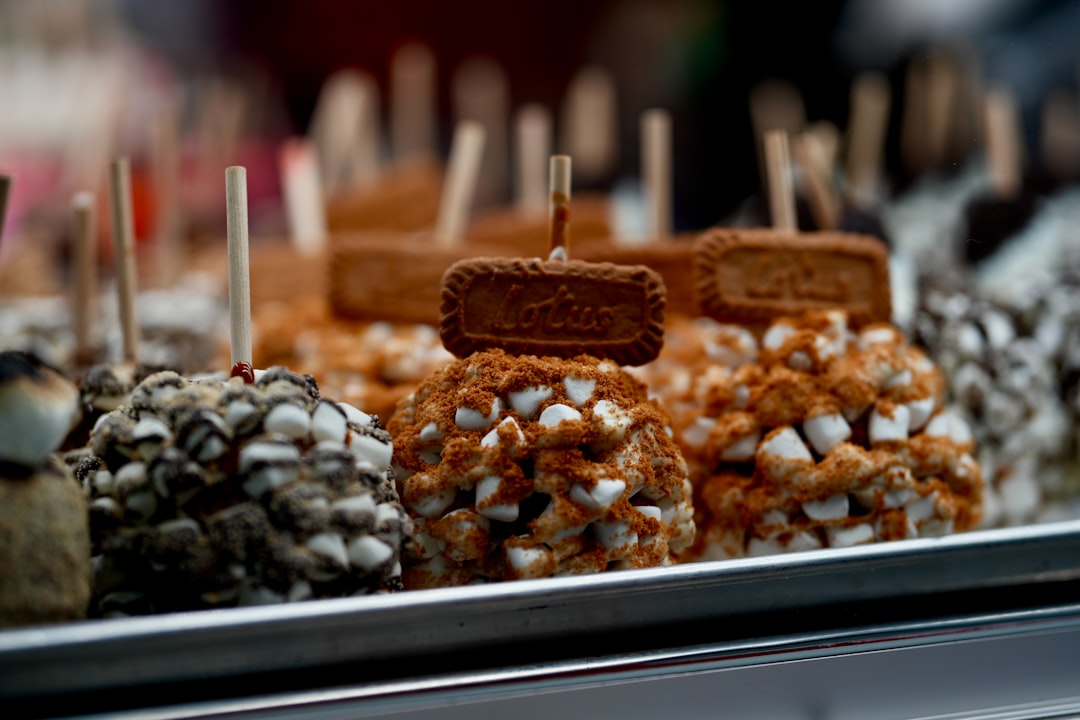


Homemade gourmet marshmallows are a small luxury that turns a few cents of sugar into a product people pay $1 or more per piece for. Pillowy, flavored, and nothing like the bagged grocery version, gourmet marshmallows sell beautifully as gifts, cocoa toppers, and s'mores kits, and few local vendors make them. Because they're a shelf-stable candy, they're usually cottage-food-legal, and their tiny ingredient cost and premium positioning make them one of the more profitable confections you can sell. If you enjoy candy-making and want a giftable, high-margin product, gourmet marshmallows are a sweet niche worth claiming.
The short version: Gourmet marshmallows are legal to sell from home under cottage food law in nearly every state, because candy is a shelf-stable, low-risk category. They cost pennies each to make and sell for $1 to $2.50 per marshmallow, or more in gift sets and kits. Make distinct flavors, package them elegantly, and lean into gifting, cocoa toppers, and s'mores kits. Because they're shelf-stable, you make to stock with no waste. Your easiest wins are creative flavors, beautiful packaging, and product bundles like hot cocoa kits.
This guide covers why gourmet marshmallows sell, the legal basics, cost and pricing, flavor ideas, and how to reach gift and treat buyers.
Gourmet marshmallows are a great product because they feel special, cost almost nothing to make, and sell as gifts and treats to a wide audience. The gap between a homemade vanilla-bean or salted-caramel marshmallow and a bagged grocery one is enormous, and that difference is exactly what customers pay for. Their charm, versatility, and margins make them a standout confection.
Here's what makes them work:
The honest note: marshmallows take some candy-making skill and attention to texture, and they're a modest per-item price, so your money comes from volume, gift sets, and bundles rather than high single-piece pricing. But the ingredient cost is so low and the product so charming that margins are excellent, especially in gift and kit formats.
Gourmet marshmallows are legal to sell from home under cottage food law in nearly every state, because candy is a shelf-stable, low-risk food category. Confections like marshmallows, fudge, and caramels appear on virtually every state's allowed-foods list. Your main responsibilities are accurate labeling and keeping the product properly made and stored.
A few points to keep straight:
Every state sets its own rules and sales cap, so confirm your local requirements. Our overview of what foods you can sell under cottage food laws and the cottage food laws by state directory point you to the specifics where you live.
Gourmet marshmallows cost just pennies each to make, since the base is sugar, corn syrup, gelatin, and water, with small amounts of flavoring. Even quality vanilla or specialty flavors add little, which is what gives marshmallows their outstanding margin.
Here's a materials breakdown for a batch of about 24 marshmallows:
| Item | Approx. cost per batch |
|---|---|
| Sugar and corn syrup | $0.80 |
| Gelatin | $0.60 |
| Flavoring (vanilla, extracts, etc.) | $0.70 |
| Cornstarch/powdered sugar coating | $0.30 |
| Packaging (box or bags) | $2.00 |
| Total | $4.40 |
That's about 18 cents per marshmallow in materials, including packaging. Sell those 24 at $1.50 each and you gross $36, an enormous margin. Packaging is often your biggest cost per piece, which is why presentation and gift formats matter so much. Your labor is a real factor since marshmallows take time to make and set, but a batch yields many pieces, keeping per-piece labor modest. Buying ingredients in bulk drops your cost even further.
Price gourmet marshmallows at $1 to $2.50 per piece, and sell them in boxes, bags, and bundles to raise your average order. Marshmallows support premium per-piece pricing because they're clearly handmade and gourmet, and the money really comes from selling multiples and kits.
A pricing structure that works:
Gift boxes and kits are your best tools for raising the average order, since a single marshmallow leaves money on the table. If pricing your work fairly feels uncomfortable, read why charging what you're worth feels wrong, and see how vendors approach pricing confections and treats. With ingredient costs this low, the goal is to sell more pieces and bundles per customer.
The gourmet marshmallow flavors that sell best pair familiar comfort with a gourmet twist, and formats like gift boxes and cocoa kits drive the most revenue. Because marshmallows are a treat and a gift, your flavors should feel indulgent and your formats should feel giftable.
Flavors that sell:
Formats that drive sales:
Keep a focused core of flavors plus seasonal specials, and sample at markets, since one taste of a real vanilla-bean marshmallow sells the box. A charming, well-packaged line with a few irresistible flavors and giftable formats is what makes gourmet marshmallows fly off the table.
Sell gourmet marshmallows through gift shoppers, treat lovers, and seasonal demand, using beautiful packaging and product bundles. Marshmallows are an impulse and gift purchase, so your presentation and the occasions you market to drive most of your sales.
Ways to sell more:
Because marshmallows are shelf-stable for weeks, you can carry stock and fulfill gift and reorder demand easily. Managing gift orders and holiday rushes through DMs still gets messy, so a real storefront helps. Here's how to sell food online as a local vendor so your gift season runs smoothly.
A shelf-stable, giftable confection with seasonal and bundle demand fits an online storefront well. Homegrown is $10 a month with no percentage fees beyond standard payment processing, and it gives you an order page where customers browse your flavors and kits, buy boxes or bundles, and reorder favorites easily. Because your product is shelf-stable, you make to stock and fulfill orders with little waste.
How it compares to the alternatives:
What Homegrown does well for a marshmallow vendor: a clean storefront that showcases your flavors and kits, easy boxes and bundles, effortless reorders, a customer list for seasonal announcements, and a fifteen-minute setup. What it doesn't do: it won't make or package your marshmallows, guarantee sales, or ship for you. It gives your shelf-stable treat a place to sell and be reordered. When you're ready, you can set up your storefront and sell your marshmallows today.
The most common gourmet marshmallow mistakes are underpricing and selling singles instead of gift formats, plus texture and storage errors. Because marshmallows are a modestly priced treat, the errors that hurt most involve pricing and presentation.
Mistakes to avoid:
Getting these right turns a low-cost treat into a genuinely profitable, giftable product.
In nearly every state you can sell gourmet marshmallows under cottage food law without a special license, because candy is a shelf-stable, low-risk food category on virtually every allowed-foods list. Some states require a simple registration or food handler's card. Check your state's cottage food rules, but confections like marshmallows are one of the lower-hurdle products you can sell.
Homemade gourmet marshmallows last about two to four weeks when kept dry and sealed at room temperature, since humidity is their main enemy and affects texture. They don't spoil in a dangerous way like perishable foods, but they lose quality over time. Label boxes with a best-by date, and advise customers to store marshmallows sealed and away from moisture for the best texture. The National Center for Home Food Preservation offers reliable, university-backed guidance on storing homemade foods to keep them at their best.
Gourmet marshmallows sell for $1 to $2.50 per piece, with boxes of 6 to 12 at $8 to $20 and cocoa or s'mores kits at $10 to $20. Since ingredients cost only pennies per marshmallow, margins are excellent. The best way to raise your average order is selling gift boxes, kits, and bundles rather than single marshmallows, which is where most of your profit comes from.
You should clearly label that your marshmallows contain gelatin, since gelatin is an animal product that matters to vegetarian, vegan, and some religious customers. While gelatin isn't a top allergen, transparent labeling builds trust and prevents disappointed customers. If you make a vegetarian version using agar or another gelatin substitute, label that clearly too, as it can be a strong selling point for those customers.
Vanilla bean is the reliable best-seller, followed by salted caramel, chocolate, and peppermint, with fruit and specialty flavors like s'mores adding variety. Seasonal flavors drive strong demand, peppermint for the holidays and toasted or s'mores flavors for summer. Keep a focused core of a few irresistible flavors plus seasonal specials, since a tight, high-quality lineup sells better than a sprawling one.
You can make vegetarian or vegan marshmallows to sell by using a gelatin substitute like agar-agar, which appeals to customers who avoid animal products. These versions can be a strong point of difference since most marshmallows contain gelatin. Label them clearly as vegetarian or vegan, ensure the texture is genuinely good, and follow the same cottage food rules, since they remain shelf-stable candy.
Gourmet marshmallows are very profitable because ingredient costs are just pennies per piece and they sell for $1 to $2.50 each, or more in gift boxes and kits. Profit comes from selling multiples, gift boxes, and seasonal bundles like cocoa and s'mores kits rather than single marshmallows. Their charm, gift appeal, and low competition make them one of the more rewarding confections to sell.
You can sell gourmet marshmallows at farmers markets, craft fairs, and holiday markets, through an online storefront for pickup, and as gifts or kits to local coffee shops and gift stores. Coffee shops in particular make a natural partner, since gourmet marshmallows are a premium, house-made cocoa and specialty coffee topper. Their shelf stability and gift appeal make them especially strong at seasonal and holiday venues, where sampling and attractive gift boxes turn browsers into buyers.
Gourmet marshmallows reward vendors who lean into their charm and gift appeal: make distinct flavors with great texture, package them beautifully, sell boxes and seasonal kits, and label gelatin and allergens clearly. With pennies of ingredient cost and little competition, they're one of the most delightful, profitable confections you can offer. When you're ready to showcase your flavors and kits, set up a Homegrown storefront and start selling your marshmallows.



