
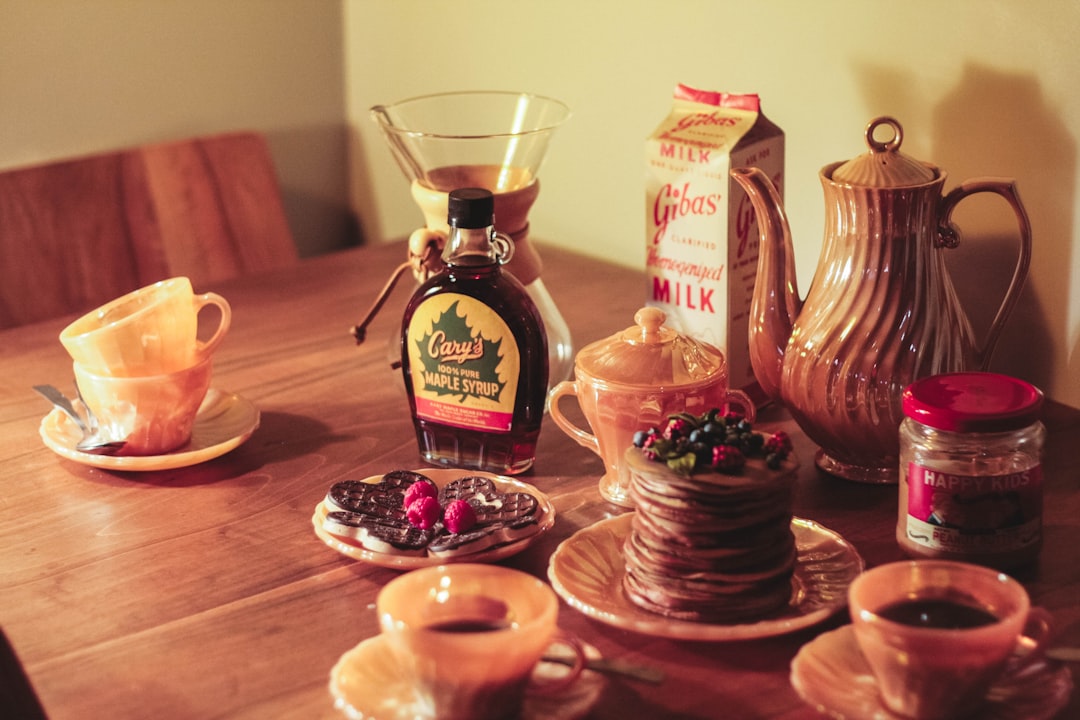


Maple syrup is a beloved, high-value product with a devoted following, and if you have access to maple trees, turning sap into sellable syrup can be a rewarding home business. A pint of pure maple syrup sells for $12 to $20, customers reorder it faithfully, and it lasts for years. But maple syrup comes with its own set of rules that differ from most pantry products, including grading and labeling requirements in many states. Get the production and the rules right, and maple syrup is a premium product with genuine loyalty behind it.
The short version: Pure maple syrup is generally legal to sell from home in most states as a shelf-stable product, but many states have maple-specific grading and labeling rules layered on top of cottage food law. You'll need trees or a sap source, the equipment to boil sap to the right density, and clean production. A pint sells for $12 to $20, with strong reorder demand. Confirm your state's maple rules, produce to the correct density and grade, and label accurately. Done right, maple syrup is a premium, shelf-stable product with a loyal customer base.
This guide covers the rules specific to maple, how to produce quality syrup, how to price it, and how to reach the customers who happily reorder it.
Pure maple syrup is generally legal to sell from home in most states as a shelf-stable food, but many states apply maple-specific grading and labeling requirements in addition to cottage food rules. Maple syrup occupies a slightly different regulatory space than a jar of jam because it's a graded agricultural product with established standards, so the rules are a bit more involved than for most pantry items.
Here's what to understand:
Because maple has its own rules, confirm both your state's cottage food program and any maple-specific regulations before selling. Our overview of what foods you can sell under cottage food laws and the cottage food laws by state directory are starting points, and your state's agriculture department can clarify maple grading rules. For guidance on producing and storing syrup safely at the correct density, the National Center for Home Food Preservation is a reliable, university-backed resource.
Maple syrup is a great product because it's premium-priced, intensely loyal customers reorder it, and it's shelf-stable for years. Real maple syrup has a passionate following, and people who buy local, pure syrup rarely go back to the grocery-store versions. That loyalty, combined with strong margins and long shelf life, makes maple a rewarding product where you have a sap source.
Here's what makes it work:
The honest reality: maple syrup requires access to trees or sap and significant production effort. Boiling sap down to syrup takes roughly 40 gallons of sap per gallon of syrup, which means real time, fuel, and equipment. It's a seasonal, labor-intensive product, but the premium price and loyal demand reward the effort where you have the resources.
You produce quality maple syrup by collecting sap during the tapping season, boiling it down to the correct density, filtering it, and bottling it hot. The process is straightforward but demanding, and hitting the right density is essential for both safety and shelf life.
The basics of production:
Under-boiled syrup can ferment or grow mold, while over-boiled syrup crystallizes, so hitting the target density is the core skill. Because density is a food-safety issue, not just a quality one, invest in a proper hydrometer or refractometer rather than guessing. The FDA's guidance on foodborne illness is a reminder that improper production, not just spoilage, is what food-safety rules aim to prevent. Accurate production and grading are what let you sell a safe, premium, correctly labeled product.
Price maple syrup by size, typically $12 to $20 for a pint and scaling up and down from there, reflecting the significant effort and the premium customers place on real, local syrup. Because it takes so much sap and fuel to make a small amount of syrup, and because pure maple commands respect, your pricing should reflect the product's true value.
A pricing structure that works:
Sell smaller bottles as gifts and entry points, and larger sizes to loyal reorder customers. USDA figures for 2025 put retail maple syrup at $56.70 a gallon against $31.00 in bulk, and our maple syrup pricing guide with jug costs for every size shows what a pint, quart and gallon each earn you. If pricing your work fairly feels uncomfortable, read why charging what you're worth feels wrong, and see how vendors approach pricing premium pantry products. Given the labor and value of real maple, underpricing helps no one, and your customers understand what pure syrup is worth.
Beyond syrup, you can offer value-added maple products like maple sugar, maple cream, maple candy, and infused syrups, which extend your line and raise your average order. These products use the same base and let you serve gift shoppers and enthusiasts who want more than a bottle of syrup.
Products worth considering:
Each added product broadens your appeal and increases what customers spend. Note that some value-added products may have their own rules or production steps, so confirm what your state allows. A thoughtful maple line, anchored by quality syrup and rounded out with a few value-added items, gives customers reasons to buy more and to gift your products.
Sell maple syrup through local markets, gift shoppers, and a loyal reorder base, emphasizing that it's pure, local, and produced by you. Maple's whole appeal is authenticity, so your marketing should lean into the local, hands-on story behind your syrup.
Ways to reach customers:
Because syrup is shelf-stable, you can hold stock and fulfill reorders easily, though production is seasonal so you'll want to bottle enough to last. The USDA's 2025 figures show why the bottling matters: syrup sold at retail averaged $56.70 a gallon against $31.00 in bulk, and our guide on where to sell maple syrup, from the sugarhouse stand to the bulk buyer compares what one gallon brings in each of seven places. Managing reorders and gift orders through DMs gets messy, so a real storefront where customers rebuy helps. Here's how to sell food online as a local vendor so your maple sales run smoothly year-round.
A premium, shelf-stable product with a loyal reorder base fits an online storefront perfectly. Homegrown is $10 a month with no percentage fees beyond standard payment processing, and it gives you an order page where customers browse your syrup sizes and maple products, choose a pickup time, and reorder favorites easily. Because your product is shelf-stable, you fulfill from your bottled stock through the year.
How it compares to the alternatives:
What Homegrown does well for a maple vendor: a clean storefront for syrup and maple products, easy reorders and standing orders, a customer list for seasonal announcements, and a fifteen-minute setup. What it doesn't do: it won't tap your trees, boil your sap, or make you compliant with maple grading rules. It gives your premium, shelf-stable product a place to sell and be reordered. When your production and rules are set, you can set up your storefront and sell your syrup.
The most damaging maple syrup mistakes are missing the correct density and ignoring your state's grading rules, both of which affect safety and legality. Because maple is a graded product with real food-safety requirements, the errors that hurt most are the technical and regulatory ones.
Mistakes to avoid:
Getting these right delivers a safe, premium, correctly labeled product a loyal maple audience will reorder.
Pure maple syrup is generally legal to sell from home in most states as a shelf-stable food, but many states apply maple-specific grading and labeling rules on top of cottage food law. Because maple is a graded agricultural product, the requirements can be more involved than for a typical pantry item. Confirm both your state's cottage food program and any maple regulations with your state agriculture department before selling.
It takes roughly 40 gallons of maple sap to make one gallon of finished syrup, because sap is mostly water that must be boiled off to reach syrup density. This is why maple syrup is labor- and fuel-intensive and commands premium prices. The exact ratio varies with the sugar content of the sap, but the large volume of sap needed is a defining feature of maple production.
Maple syrup must be finished at the correct sugar density, around 66 to 67% sugar, measured with a hydrometer or refractometer, because that density is what makes it shelf-stable. Under-boiled syrup can ferment or grow mold, while over-boiled syrup crystallizes. Hitting the target density is a food-safety requirement, not just a quality preference, so proper measuring equipment is essential.
A pint of pure maple syrup typically sells for $12 to $20, with half-pints at $8 to $12 and quarts at $22 to $35, plus premium pricing for value-added products. Because real maple takes about 40 gallons of sap per gallon of syrup and customers value pure, local syrup, these prices are well accepted. Underpricing undervalues the significant labor behind the product.
Unopened maple syrup produced to the correct density lasts for years when stored properly, because its high sugar concentration makes it shelf-stable. Once opened, refrigerate it, where it keeps for many months to a year. Bottling syrup hot and to the right density is what ensures this long shelf life, so proper production is key to a product that stores well for your customers.
Besides syrup, you can sell value-added maple products like maple sugar, maple cream, maple candy, and infused or aged syrups, which extend your line and raise your average order. These use the same maple base and appeal to gift shoppers and enthusiasts. Some value-added products may have their own production steps or rules, so confirm what your state allows before adding them to your lineup.
Many states require accurate grade labeling using standard names like Golden, Amber, Dark, and Very Dark, which classify syrup by color and flavor. Grading is part of what makes maple different from most pantry products. Learn your state's grading requirements and label your syrup accurately, since correct grade labeling is both a legal requirement in many places and a signal of quality to informed customers.
Maple syrup rewards vendors with tree access who respect both the craft and the rules: produce to the correct density, grade and label accurately, price for the real labor involved, and build a loyal reorder base. Done right, it's a premium, shelf-stable product with genuine customer devotion. When your production and grading are sorted, set up a Homegrown storefront and sell your syrup and maple products in one place.



