

The short version: You can sell cake pops from home in all 8 states this guide checked, but your frosting and your coating decide whether your recipe qualifies: New York allows cake pops only without a chocolate or candy melt topping, Michigan and California rule out cream cheese frosting, New York rules out homemade cream cheese frosting, and Washington bars cakes with cream cheese fillings. With grocery-store melting wafers, the coating, stick, treat bag, tie and eggs come to about $0.46 a pop before the cake mix and frosting, and two to three hours of work per two dozen adds $1.25 to $1.88 a pop at $15 an hour. That is why the 6 Homegrown vendors selling cake pops on October 12, 2026 charge $2.50 to $4.75 for a single pop, and the two that list a plain dozen charge $28 to $30 for it. Sell by the dozen, take party orders one to two weeks ahead, and price for your decorating time, not just the ingredients.
Checked October 13, 2026: state rules on each agency's own page (Texas DSHS, California CDPH, Florida Statutes, Michigan MDARD, Colorado CDPHE, Washington WSDA, New York Agriculture and Markets, the Ohio Administrative Code), and fees on findhomegrown.com/signup, hotplate.com/pricing, etsy.com, squareup.com and shopify.com. Homegrown customers create an account to place their first order, pay the full price by card when they order, and there is no timed drop feature.
Cake pops are one of the most profitable treats to sell from home, because they're cheap to make, easy to theme to any party, and sell for $2.50 or more apiece. You can turn half a boxed cake and a bag of candy melts into two dozen little sellable desserts. The catch is that they're fiddly and time-consuming, so the vendors who make money treat them like a batch product and price for their time.
There is a second catch. A cake pop is cake, frosting and a dipped coating, and home kitchen laws treat each of those three parts differently. A recipe that is legal in Texas can be off limits in New York because of the candy melts, or in Michigan because of the buttercream.
This guide covers what makes cake pops sell, the rules in 8 states, the real cost to make them, what Homegrown vendors and a cake pop company actually charge, and how to keep them from becoming a time sink that doesn't pay. New to home food laws? Start with the cottage food laws by state directory.
Ready to take party orders without a pile of messages? Set up a Homegrown storefront ($10 a month billed annually, 0% commission) so customers pick a count, a flavor and a pickup date, and pay when they order.
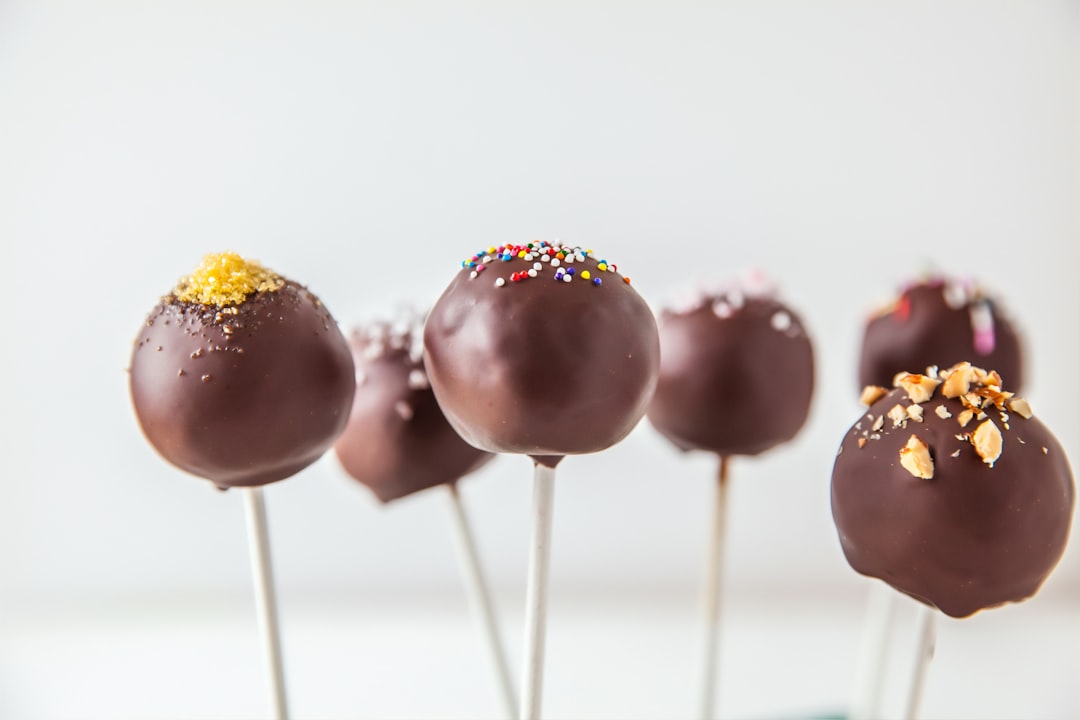
Cake pops are a strong home food product because they carry high margins, work for every occasion, and let you charge a premium for custom designs. A cake pop is cake crumbs mixed with frosting, rolled, dipped in candy coating, and decorated. The ingredients cost little. What customers pay for is the look, which means your decorating skill is the product.
Here's why they work for a small vendor:
The honest downside: cake pops are slow. Rolling, chilling, dipping, and decorating each one by hand adds up fast. If you don't price for that time, you'll end up working for a few dollars an hour. This is a product where your pricing discipline matters more than your recipe.
They are also a product where your recipe has to match your state. Two ingredients cause almost every problem: homemade frosting mixed into the crumb, especially buttercream or cream cheese, and the chocolate or candy melt shell. The sections below sort out which states care about which.
You can start a cake pop business from home in seven steps, and the paperwork in the eight states this guide covers runs from nothing at all (Florida, Michigan and Ohio) to a permit with a kitchen inspection in Washington, where WSDA says approval takes 6 to 8 weeks on average after a complete application. The order matters, because your state's rules decide your recipe, and your recipe decides your label and your price.
Most of the work in this list is the first two steps. Once your recipe and label are settled, a cake pop business runs on a calendar of party dates, and the rest of this guide is about filling it profitably. For a broader look at running a home bakery, see how to sell cakes and cupcakes from home.
Yes, cake pops are legal to sell from a home kitchen in all 8 states this guide checked, but only when the frosting and coating fit that state's list. Cottage food laws (New York calls it "home processing") are written for low-risk foods that don't need refrigeration, and a plain cake pop with shelf-stable frosting and a candy coating usually fits. You run into trouble when a filling, frosting or coating needs refrigeration, or when your state names the coating as off limits.
Here is how each state treats the parts of a cake pop, as their agency pages read on October 13, 2026:
Scroll sideways to see every column.
| State | Cake and coating | Frosting rule | Permit, registration or training | Yearly sales cap |
|---|---|---|---|---|
| Texas | Any foods except six groups (meat, seafood, ice products, low-acid canned goods, CBD or THC products, raw milk) | Foods that need refrigeration are allowed, but you must register with DSHS, keep them at 41°F or below, and label the date made | Food handler course; registration only for refrigerated foods or to use a number instead of your address | $150,000 |
| California | Cake, plus "Chocolate-covered nonperishables" under candy | Frostings that "Do Not Contain Eggs, Cream, or Cream Cheese" (frostings made with meringue powder, powdered eggs or pasteurized eggs are allowed); buttercream made with butter is listed | Register or get a permit from your county; training within three months | $88,878 (Class A) or $177,756 (Class B) for 2026 |
| Florida | "Cakes, pastries and cookies" and "Candies and confections" | Only foods that are not time or temperature controlled for safety | None from the state | $250,000 |
| Michigan | Celebration cakes; chocolate-covered treats that need no refrigeration | No cream cheese frosting; buttercream only if commercially made and shelf-stable or from one of two lab-tested recipes | None | $50,000, or $75,000 if you sell at $250 or more per unit |
| Colorado (today) | Cakes and candies that don't need refrigeration | Buttercream only if made with ghee or vegetable oil, not butter | Food safety training | $10,000 per type of product |
| Washington | Celebration cakes; "Products dipped or coated with candy or chocolate coatings" | A cook step, or a 3 to 1 ratio by weight of non-perishable ingredients like sugar to perishable ones | $355 two-year permit, inspection, food worker card, Master Business License | $35,000 |
| New York | "Cake pops" with "No chocolate or candy melts allowed for topping" | No homemade buttercream or cream cheese frosting made with dairy or eggs | Free registration | Not stated on the page |
| Ohio | "Non-potentially hazardous bakery products" and "Candy" | A cake that needs refrigeration needs Ohio's separate home bakery license | None for cottage food; $10 a year and an inspection for a home bakery | Not stated in the rules we read |
We read these on October 13, 2026: the Texas DSHS cottage food page, California's Approved Cottage Foods list (last reviewed April 2026) and 2026 adjusted sales limits, the FDACS cottage foods page and Florida Statutes 500.80, MDARD's What Can I Make and Selling and Samples pages, the CDPHE cottage foods page and its 2027 Tamale Act updates and food eligibility pages, the WSDA cottage food page, New York's home processing page, and Ohio Administrative Code 901:3-20-04 with the ODA home bakery page. California's caps adjust every January for inflation. Michigan's law lets MDARD adjust its caps for inflation each October 1, starting in 2026; MDARD's Selling and Samples page still listed $50,000 and $75,000 on October 13, 2026, so check it for the current number.
Colorado's rules change on January 1, 2027, when the Tamale Act (HB26-1033) takes effect. CDPHE's 2027 eligibility list names "Cake Pops, Cakesicles & Cake Pucks" and lists cream cheese frosting as approved, but producers must register every year, take a Colorado State University course or an equal one, and stay under $150,000 a year in total. A producer who sells foods that need refrigeration may sell only one type of product with up to five variations at a time. Until then, today's rule applies: no buttercream made with butter.
Every package still needs a label. In most of these states that means your name and address (or a permit or registration number where the state allows it), the product name, ingredients in descending order by weight, and an allergen statement. Cake pops usually contain wheat, milk and eggs, and often soy, all on the FDA's list of nine major food allergens along with peanuts, tree nuts, fish, crustacean shellfish and sesame.
Rules change, and this table covers 8 states, not 50. Verify your state's current rules with your state agriculture or health department before your first sale. Our guide to what foods you can sell under cottage food laws covers the categories, and can you sell homemade cake goes deeper on frostings and fillings.
The frosting you mix into the crumb and the coating you dip in are the two parts of a cake pop most likely to break a state's rules, and the states in this guide treat them in four different ways. Some name buttercream or cream cheese frosting as off limits, one names the candy coating itself, Florida, Ohio and Washington keep any frosting that needs refrigeration out of cottage food, and Texas allows refrigerated foods with extra steps.
What the states say about the frosting inside the pop:
What they say about the coating: only New York names it as a problem. Its approved list allows cake pops with no chocolate or candy melt topping, and its FAQ explains that melting chocolate "is not a thermal process (no control step)." Washington's list goes the other way and names "Products dipped or coated with candy or chocolate coatings," and Michigan allows chocolate-covered treats that don't need refrigeration. A New York vendor should ask the department which finish it will accept before listing a single pop.
A shortcut that helps in two of these states: store-bought frosting. Michigan allows "Commercially prepared, shelf-stable frostings that do not require refrigeration for safety," and New York allows "commercially purchased frostings." Betty Crocker's own cake pop recipes work that way, with a tub of frosting stirred into the crumbled cake. Read the tub's storage directions and your state's exact wording before you count on it.
New York's home processing page approves "Cake pops" with the note "No chocolate or candy melts allowed for topping," and separately prohibits "Tempered chocolate/candy melt/almond bark for dipping/coating/drizzling." Registration is free, sales must stay inside New York, and kitchens are reviewed on a complaint basis only. Ask the Home Processor Registration team at agr.sm.HPRegistrations@agriculture.ny.gov what coating it accepts before you sell.
The pattern is simple even if the details aren't. A cake pop made from boxed or scratch cake, a shelf-stable frosting and a candy coating fits the rules in more of these states than a version made with a homemade cream cheese filling. If your best flavor is red velvet with cream cheese, read your state's list before you print a single label. If you can't tell whether a frosting needs refrigeration, ask your state agency before you sell; Colorado's 2027 eligibility page gives cdphe_cf@state.co.us for exactly that question.
Online cake pop sales are allowed in some form in 6 of the 8 states in this guide (Texas, California, Florida, Michigan, Colorado and New York), and delivery is where they split: California, Florida and Michigan name mail delivery as allowed (Michigan only inside the state), Texas wants you to hand-deliver online orders, and Washington bans internet and mail-order cottage food sales outright. Ohio's rules we read don't mention online sales. Cake pops are a local pickup product in most of these states, which suits them anyway, because candy coating softens in a hot truck.
How each state handles online orders and delivery:
Swipe left to see the rest of the table.
| State | Online orders | Delivery or shipping | Selling through a shop or cafe |
|---|---|---|---|
| Texas | Allowed if label information is on your website before you take payment | You, an employee or a household member must personally deliver | Only through a registered cottage food vendor, and not for refrigerated foods; your label must carry the date made, and the vendor posts DSHS's home-kitchen sign where it sells |
| California | Allowed, including phone, internet and other digital sales | In person, by mail or by a third-party delivery service | Class B only, through restaurants and food markets |
| Florida | Allowed over the internet or by mail order | In person, to "a specific event venue," or by mail | Not allowed; no wholesale |
| Michigan | Allowed if you offer the buyer the opportunity to meet face to face or virtually first | Mail or delivery only to buyers inside Michigan | Not allowed; no wholesale or consignment |
| Colorado | Allowed | Agreed between you and the buyer, inside Colorado | Not to restaurants, cafes, grocery stores or other retail food establishments; a shop that isn't a food business only if its staff act as your designated representative |
| Washington | Internet sales not allowed; you may advertise and take orders online | Payment and delivery must be person to person | Not allowed without a separate Food Processor License |
| New York | Allowed inside New York | Home delivery inside New York; no shipping out of state | Allowed to local businesses inside New York |
| Ohio | Not addressed in the three rules we read | No sales outside Ohio | Allowed to licensed retail food stores and restaurants |
Read October 13, 2026 on the same agency pages as the table above, plus California's Cottage Food Operations page for how Class A and Class B may sell (its sales caps are older than the 2026 limits above), Michigan Compiled Laws 289.4102, RCW 69.22.020 and Ohio Administrative Code 901:3-20-02 and 901:3-20-05. Ohio's rules don't mention online ordering, so ask the Ohio Department of Agriculture before you take card payments online.
Two of these rules are worth reading word for word. Michigan's law lets you sell by internet or mail order only if you give the buyer "an opportunity" to "directly interact" with you first, and MCL 289.4102(4) defines that as "either a face-to-face meeting or a virtual meeting." Texas requires that "before the operator accepts payment for the food," you post all the label information on your website, so put every label item except your address on every listing: your operation's name, the product's common name, any major food allergens and the home kitchen statement.
Washington's law says cottage food "may not be sold by internet, mail order" (RCW 69.22.020(4)), and WSDA's page says you can take orders online but delivery and payment must happen "in a person to person transaction." Homegrown's card checkout doesn't match WSDA's person-to-person payment wording, so a Washington seller should ask WSDA first; if WSDA approves online payment with in-person pickup, Homegrown fits. WSDA also approves products one by one: only products on your permit may be sold, and adding a new product later needs an amendment. A product with flavor variations still counts as one of your 50 master products.
Shipping cake pops is hard even where it's legal. A cake pop company like Candy's Cake Pops ships only by two-day or overnight service during June through August, and it says on its FAQ page that it does not offer ground shipping at all. If your state allows mail order, read our guide on whether you can ship cottage food before you list a single box.
To sell cake pops from home you need four things: your state's permission (a permit, a registration or just following the rules), a recipe that fits your state's frosting and coating list, a compliant label, and a place for customers to order and pay. The supplies are cheap. The paperwork and the label are where new vendors get stuck.
The checklist:
New York's FAQ says the state does not require liability insurance, and markets and venues set their own rules, so ask each market manager or event host what they require before your first Saturday.
Michigan and Washington add one label rule that trips up cake pop vendors in particular: you must list the sub-ingredients of any prepared ingredient you use. A boxed cake mix, a tub of frosting and a bag of candy melts each have their own ingredient list, and those go inside parentheses on your label after each ingredient's name.
A cake pop's coating, paper stick, bag, twist tie and eggs cost about $0.46 with grocery-store melting wafers, or about $0.18 when you buy coating wafers by the 25-pound case, before you add the cake mix and frosting. The coating is the biggest line by far, so where you buy it changes your cost more than anything else in the recipe.
Here is the math for one batch of Wilton's recipe. Wilton bakes one box of cake mix with one 3.4-ounce box of instant pudding, 4 eggs and 1/3 cup of oil, freezes half the cake for a later batch, and mixes the other half with 1/2 cup of buttercream to make about 24 medium pops (1 1/2-inch balls), dipped in 12 ounces of candy coating:
Slide the table to see what each part costs.
| Item | What we priced | Price checked | Per pop | Per 24 pops |
|---|---|---|---|---|
| Coating, grocery store | Ghirardelli White Vanilla Flavored Melting Wafers, 10 oz, at Target | $7.29 ($0.73 an ounce) | $0.36 | $8.75 |
| Coating, 5-pound bag | Ghirardelli White Coating Wafers, 5 lb, at WebstaurantStore | $40.99 | $0.26 | $6.15 |
| Coating, 25-pound case | Clasen Alpine Bright White Vanilla Coating Wafers, 25 lb, at WebstaurantStore | $69.49 | $0.09 | $2.08 |
| Sticks | Paper cake pop sticks, 8 in, 265 per pack, at WebstaurantStore | $11.49 | $0.04 | $1.04 |
| Treat bags | LK Packaging 4 x 6 in candy bags, 100 per pack, at WebstaurantStore | $2.89 | $0.03 | $0.69 |
| Ties | Bedford 4 in paper twist ties, 2,000 per box, at WebstaurantStore | $6.99 | Under $0.01 | $0.08 |
| Eggs | 2 large eggs (half of the 4 baked into the cake) at the U.S. average price | $2.27 a dozen (BLS, August 2026) | $0.02 | $0.38 |
| Cake mix, pudding, oil, frosting | Your own store's prices | Not priced | Mix, pudding and oil divided by 48; frosting divided by 24 | Half your mix, pudding and oil, plus the frosting |
| Total we priced | Grocery coating | $0.46 | $10.94 | |
| Total we priced | 25-pound coating case | $0.18 | $4.28 |
Prices loaded October 13, 2026 on webstaurantstore.com and on target.com for the Atlanta Perimeter store (Target prices vary by store). Egg price is the August 2026 U.S. city average for a dozen grade A large eggs from the Bureau of Labor Statistics (series APU0000708111). Coating per pop is 12 ounces divided by 24 pops, half an ounce each, from Wilton's recipe. Per-pop figures are rounded to the cent; totals are built from the unrounded figures. We did not price cake mix, pudding, oil or frosting because store prices for them vary too much to quote one number.
Two things stand out. First, coating is about 80% of what we priced at grocery prices: $8.75 of $10.94 for 24 pops. Moving from 10-ounce bags to a 25-pound case cuts it by 76%, from $0.36 to $0.09 a pop. Second, a grocery bag of melting wafers is 10 ounces and Wilton's recipe uses 12, so a 24-pop batch means buying two bags, $14.58, and saving the rest for the next batch.
One box of mix covers two Wilton batches, about 48 medium pops, so divide what you paid for the box of mix, pudding and oil by 48, divide what the 1/2 cup of frosting cost by 24, and add both to the line above.
Cake pops are labor-heavy. Baking, crumbling, mixing, rolling, chilling, dipping, and decorating two dozen can easily take two to three hours once you add custom colors and packaging; that range is our estimate for custom work, not a recipe's figure. Betty Crocker's own red, white and blue cake pop recipe lists 1 hour 15 minutes of hands-on prep for 40 pops, which works out to about 45 minutes of hands-on time per two dozen, and 3 hours start to finish, including an hour for the cake to cool, before any bagging. At $15 an hour, two to three hours is $30 to $45 of labor, or $1.25 to $1.88 a pop. Add the $0.46 we priced and your true cost is about $1.71 to $2.33 a pop before the cake and frosting, which is why most cake pops need to sell for $2.50 or more once cake, frosting and card fees are counted. Any vendor pricing them at a dollar is working for well under $15 an hour.
Weigh your coating before and after a batch for the first month. Wilton's recipe plans on half an ounce of coating per pop, so 24 pops should use about 12 ounces; if yours use 16 because of thick shells and re-dips, that's another $0.12 a pop at grocery prices, and you'll know whether thinning the coating or buying a bigger bag is the fix.
Price standard cake pops at $2 to $3 each, and custom or themed event pops at $3 to $5 each, with minimum-order requirements for custom work. The single biggest mistake new cake pop vendors make is pricing for ingredients instead of time. Your decorating hours are the product, so your price has to cover them.
A pricing structure that protects your time:
At the low end of that structure, check your own numbers against the cost math above. A $2 pop covers the low end of $1.71 to $2.33 in priced parts and labor and falls short of the high end. That is before about 8 cents a pop in card fees on a $24 dozen and before your cake mix and frosting, so $2 works only when your batches are fast and your coating is bought in bulk. Charge a rush fee for orders inside your normal lead time, and collect payment before you bake custom work so a canceled order doesn't leave you with themed pops nobody wants. Homegrown's guide to deposits and partial payments for custom food orders covers how to word that policy.
If setting these numbers makes you uncomfortable, you're not alone, and our piece on why charging what you're worth feels wrong is worth reading before you quote your first event. For the bigger picture on pricing baked goods, see how vendors handle pricing honey, jam, and baked goods, and for the step-by-step on bulk and party quotes, see how to price cake pops for parties and bulk orders.
Cake pops sell for $2.50 to $4.75 each on Homegrown, based on 37 cake pop listings from 6 vendors in the catalog on October 12, 2026, and the two vendors that list a plain dozen charge $28 to $30 for it. A cake pop company that ships, Candy's Cake Pops, charges more for a dozen: $48 for a build-your-own box. Its 100-pop boxes run $2.60 a pop for a simple one-color design and $3.00 a pop for build-your-own.
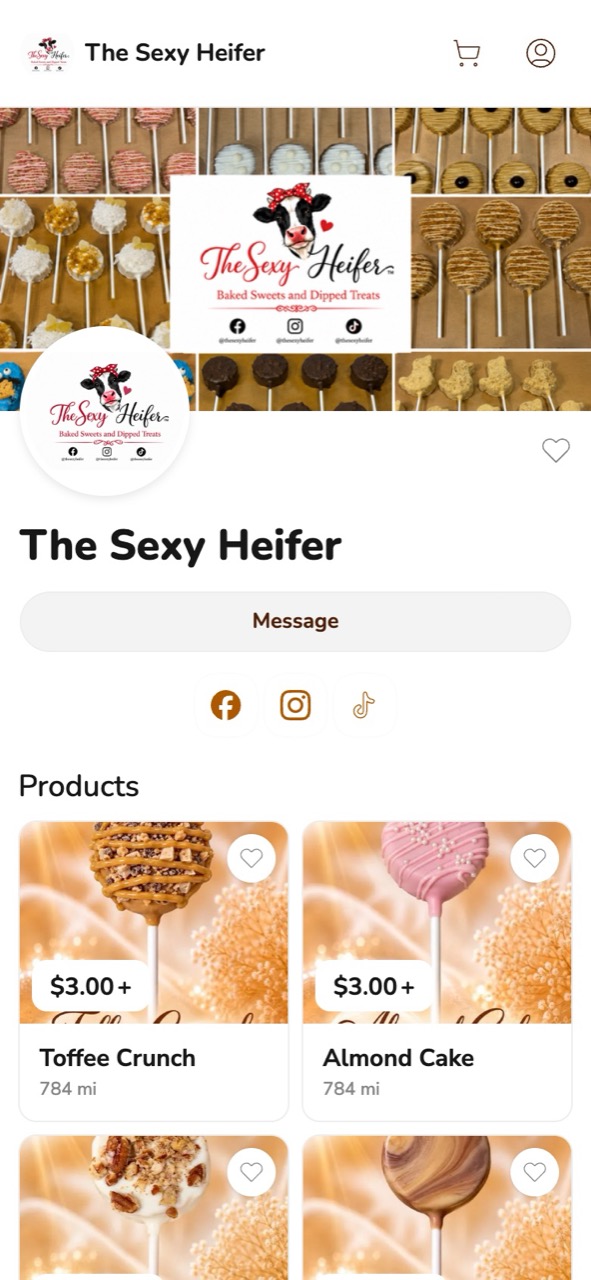
In a pull of the Homegrown catalog on October 12, 2026, 37 of the 2,867 products were cake pop listings, from 6 of the 317 vendors. The rule we used: a listing counts when its name, description or a size option says cake pop (and, for a listing with size options, one of them is a cake pop), or when its name says "pops" and its description says it is cake dipped in a coating, or when it comes from one of those vendors and its description says it is cake dipped in a coating. We then read every product from each of the 6 vendors. Searching names alone for "cake pop" finds only 26 of the 37: 8 of The Sexy Heifer's pops are named only by flavor, like Galaxy Crunch and Butter Pecan, and Sweet Treats by Nicole calls hers "Cookies and cream pops." Four more listings from 3 vendors sell cakesicles with no cake pop option, one of them a mixed treat box. These are listing prices, not sales.
The six vendors and what they list:
Price of one cake pop, by Homegrown vendor
Source: Homegrown catalog pull, October 12, 2026, 37 cake pop listings from 6 vendors. The Sexy Heifer's single pops run $3.00 to $4.75; the bar shows its highest. Bar width is the price divided by $4.75.
Per pop, the dozens come out lower than the singles. The Sexy Heifer's $30 dozen is $2.50 a pop and its $16 half dozen is about $2.67, while its cart-week dozen at $28 is about $2.33. Clever Caracara's $42 box of 12 mixed treats is $3.50 each.
A company built around cake pops shows where custom work can go. On October 13, 2026, Candy's Cake Pops listed a build-your-own dozen at $48 ($4.00 a pop), 50 pops at $160 ($3.20 each), 100 at $300 ($3.00 each), and two dozen custom-color birthday pops with favor tags at $105 (about $4.38 each), according to its own product listings at cakepops.com. Its Halloween character pops ran $70 a dozen. That shop ships its pops by FedEx, so treat its prices as the top of the range for themed work, where that $70 Halloween dozen works out to about $5.83 a pop, not a starting point.
What the two sets of prices tell you: a plain $30 dozen is the local rate at the two Homegrown vendors that sell a plain dozen, and decorated, themed or character pops are where $3 to $5 a pop, and $4 to $6 for events and weddings, is realistic. Price your plain pops near the local rate and charge for the design work on top.
A cake pop business is profitable when you sell by the dozen at $30 or more and count your hours: on a $30 dozen, the coating, sticks, bags, ties and eggs we priced cost $2.14 to $5.47, leaving $24.53 to $27.86 before the cake mix, frosting, card fees and your time. At two to three hours per two dozen, that time is the real cost.
Here is a dozen at $30, worked through:
That works out to about $15.57 to $26.69 an hour before the cake mix, frosting and the Homegrown plan, which is a real wage for a side business, and a poor one if you underprice. At $2 a pop ($24 a dozen) the same math drops by about $6 a dozen, and at $1 a pop ($12 a dozen) it falls to about $3.92 to $9.21 an hour before the cake mix and frosting.
How much you make depends on how many dozens you can fill. A part-time cake pop vendor filling a few event orders a month can bring in a few hundred dollars a month: ten dozen at $30 is $300 in sales and 10 to 15 hours of work. The limit is decorating time, not demand, which is why the vendors who earn the most per hour focus on custom event orders with minimum quantities.
Watch your state's yearly cap as you grow. Washington's $35,000 a year and Colorado's $10,000 per type of product (until 2027) are the lowest caps set out on the state pages we read. At $30 a dozen, $35,000 is about 1,167 dozen a year, far more than most part-time vendors fill.
Keep cake pops from cracking or sliding off the stick by getting the cake-to-frosting ratio right, chilling them properly, and dipping the stick in melted coating before inserting it. The two problems that ruin cake pops are cracks in the coating and pops that slide off. Both come down to temperature and moisture control.
Steps that prevent the classic failures:
Test your process on one pop before committing a whole batch. A five-minute test dip saves you from re-dipping two dozen. Consistency here is what separates a vendor from a hobbyist: customers pay a premium for pops that look flawless and arrive intact.
Package each cake pop in its own clear bag tied at the stick, stand larger orders upright in a box, and put a label on every package with the information your state requires. The bag protects the shell from fingerprints and humidity, and the label is what makes the sale legal.
What each state's label needs beyond the basics (product name, ingredients, allergens):
Scroll right to read each state's label rules.
| State | Who made it | Home kitchen statement | Other requirements |
|---|---|---|---|
| Texas | Your name and address, or your DSHS number | "THIS PRODUCT WAS PRODUCED IN A PRIVATE RESIDENCE THAT IS NOT SUBJECT TO GOVERNMENTAL LICENSING OR INSPECTION." | Date made and a 12-point safe handling statement for refrigerated foods |
| California | Name, city and ZIP, plus your permit or registration number and the issuing county | "Made in a Home Kitchen" in 12-point type | Net quantity in U.S. and metric units |
| Florida | Name and address | "Made in a cottage food operation that is not subject to Florida's food safety regulations." in at least 10-point type | Net weight or volume |
| Michigan | Name and physical address, or your MSU Product Center number and phone | "Made in a home kitchen that has not been inspected by the Michigan Department of Agriculture & Rural Development" in at least 11-point type | Net weight or volume with metric; sub-ingredients |
| Colorado | Name, address where it was made, and your phone or email | A statement that it was made in a home kitchen not subject to licensing or inspection and may contain allergens | The date the food was produced |
| Washington | Name and permit number | "Made in a home kitchen that has not been subject to standard inspection criteria." in at least 11-point type | Net weight or volume; sub-ingredients |
| New York | Name and full address, including street or PO box | A phrase like "Made in a Home Kitchen," at least 1/16 inch tall | Net quantity |
Read October 13, 2026 on the Texas DSHS page, the CDPH labeling requirements, Florida Statutes 500.80, MDARD's labeling page, the CDPHE cottage foods page, RCW 69.22.020 and WSDA's FAQ, and New York's home processing page. We did not load Ohio's label wording for this guide.
Packaging that works for cake pops:
Colorado has a 2027 change here too: once the Tamale Act starts, labels must also show your CDPHE registration number, the county where the food was made and a department website address, alongside the phone or email and production date they already carry. Homegrown's guide to cottage food labeling requirements has full example labels, and bakery packaging ideas covers boxes and bags.
The cake pops that sell best are tied to occasions: birthdays, baby showers, gender reveals, weddings, and holidays, in crowd-pleasing flavors like vanilla, chocolate, red velvet, and funfetti. Cake pops are an event product first and a flavor product second. People buy them for a party, so your marketing should follow the calendar.
Occasions that reliably drive orders:
For flavors, start with the classics that photograph well and please a crowd:
Homegrown's cake pop vendors lean the same way. In the October 12, 2026 catalog, cookies and cream shows up at 4 of the 6 cake pop vendors, plus tiramisu, banana pudding, funfetti or confetti, and a pumpkin spiced latte flavor. Candy's Cake Pops builds its party boxes on a "Classic Collection" of chocolate, vanilla and red velvet.
Resist the urge to offer a dozen flavors. A short menu keeps your prep manageable and your quality consistent, which matters more than variety for a treat people mostly buy with their eyes. For a full party spread, see how to sell baby shower dessert tables from home.
Get steady cake pop orders by targeting event customers and making it easy to order custom work one to two weeks in advance. Because cake pops are occasion-driven, your best customers are people planning something: a party, a shower, a wedding. Reaching them before the event and taking the order online is how you turn a fun hobby into repeat income.
Tactics that build a steady order flow:
Managing custom event orders through Instagram DMs is where cake pop vendors drown. You're tracking colors, quantities, dates, and payments across scattered messages, and one missed detail means a remade batch. A real order form that captures the event date, the color scheme, and the payment in one place means nothing falls through. Here's how to sell food online as a local vendor instead of running your business out of your inbox, and how to get more custom cake orders covers finding the party planners in the first place.
Put a "book by" date on every seasonal post. If you need 10 days of lead time for a custom order, a Halloween party on October 31 means orders close October 21; say that date out loud in the post, because people plan the party before they plan the dessert.
The places that work for cake pops are party and event orders, your own online ordering link, farmers markets, a cake pop cart or pop-up, coffee shops where your state allows resale, craft fairs and holiday markets, and bulk orders from schools, churches and offices. Most part-time vendors pair one place where people see the pops in person with one link where party customers order ahead.
How each fits a cake pop vendor:
Homegrown's guide on where to sell cake and cake pops compares seven of these places on the same $30 dozen, with what each one takes in fees.
Custom cake pops live or die on order details, and that's exactly where a real storefront pays for itself. Homegrown is $10 a month billed annually, or $12.50 a month billed monthly, with no percentage fees beyond standard payment processing of 2.9% plus 30 cents, which comes to $1.17 on a $30 dozen. It gives you an order page where customers pick their count and flavor, choose a pickup date, and pay the full price by card before you start rolling. Every party's count, flavor and date land in one dashboard instead of scattered across your DMs.
Here's what each way of taking cake pop orders costs on the same $30 dozen:
Swipe to compare every platform.
| Platform | Subscription | Trial | Platform fee | Card processing | Customer pays on a $30 dozen | Vendor pays on a $30 dozen | Vendor pays for 50 dozen a month |
|---|---|---|---|---|---|---|---|
| Homegrown | $10/mo billed annually, or $12.50/mo billed monthly | 7 days, no charge until day 8 | $0 (0% commission) | 2.9% + $0.30, vendor pays | $30.00 | $1.17 | $68.50 annual plan, $71.00 monthly plan |
| Hotplate (default: customer pays the fee) | $0 | None needed | 5% + $0.55, added to the customer's total | 2.9% + $0.30 on what the customer pays, vendor pays | $32.05 | $1.23 | $61.47 |
| Hotplate (vendor covers the fee) | $0 | None needed | 5% + $0.55, vendor pays | 2.9% + $0.30, vendor pays | $30.00 | $3.22 | $161.00 |
| Square Online (Free plan) | $0 | None needed | $0 | 3.3% + 30¢ online, vendor pays | $30.00 | $1.29 | $64.50 |
| Shopify Basic | $29/mo billed yearly, or $39/mo billed monthly | 3 days, then $1/month for 3 months | $0 with Shopify Payments (2% with a third-party processor) | From 2.9% + 30¢ online (3.5% + 30¢ on premium cards) | $30.00 | $1.17 | $87.50 yearly plan, $97.50 monthly plan |
| Etsy | $0; a one-time set-up fee may apply | None | $0.20 listing + 6.5% transaction | 3% + $0.25 on the total sale (US) | $30.00 plus any shipping you charge | $3.30 | $165.00 |
We checked these on Homegrown's signup page, Hotplate's pricing page, Square's pricing page, Shopify's pricing page and Etsy's Fees & Payments Policy on October 13, 2026. Hotplate's pricing page calls the fee split "your choice"; its own post, "What Hotplate does" (September 1, 2025), says "we charge a fee to your customer" by default and that 80% of chefs keep that default. Hotplate's card fee is figured on what the customer pays (the item plus Hotplate's passed-on fee); per-order fees are rounded to the cent and month totals are built from the unrounded figure. Shopify's per-order figure uses its standard card rate; a premium card costs $1.35. Shipping, sales tax and Etsy's fees on any shipping you charge are not included.
Here's how it compares to what cake pop vendors usually try:
What Homegrown does well for a cake pop vendor: each flavor can list sizes like six and twelve with their own prices, order prep time sets the lead time you need before a pickup date, events let you post a one-time cart or pop-up with its date and place, ingredients and allergens show on every listing, and customers can message you before they buy to ask about colors. Most vendors are live in under 15 minutes, according to the signup page, and there is a 7-day trial with no charge until day 8.
What it doesn't do, said plainly. It has no deposit option: customers pay in full at checkout, and if one cancels, they request a refund and you approve or deny it. Customers create a Homegrown account to place their first order. There is no countdown or drop feature for timed releases, it does not ship, and it does not send marketing texts or emails, so birthday reminders come from you using the customer list it keeps (names, emails and order history). It won't decorate for you, guarantee event bookings, or deliver beyond the 1 to 25 mile radius you set. Your storefront is listed on the Homegrown marketplace, but plan on most orders coming from people you send to your own link. In Texas, hand online orders to the buyer yourself, since DSHS allows online sales only with personal delivery by you, an employee or a household member, and in Michigan, offer each buyer a face-to-face or virtual meeting before the sale. When you're ready, you can set up your storefront and start taking cake pop orders today.
It depends on your state: of the 8 states we read on October 13, 2026, Florida, Michigan and Ohio need no license or registration for cottage food, New York needs a free registration, California needs county registration, Texas needs a food handler course, and Washington needs a $355 two-year permit with an inspection, a food worker card, and the state's Master Business License. Ohio also has a $10-a-year home bakery license, with an inspection, for cakes that need refrigeration. Colorado needs food safety training today and an annual registration starting January 1, 2027. Your frosting can change the answer, because a cake pop that needs refrigeration falls outside most cottage food rules. Verify your state's current rules with your state agriculture or health department before you sell.
A part-time cake pop vendor filling a few event orders a month at $3 to $6 per pop can bring in a few hundred dollars a month: ten dozen at $30 is $300 in sales. On a $30 dozen, $23.36 to $26.69 is left after the coating, sticks, bags, eggs and Homegrown's card fee, before cake mix, frosting and your time. The limiter is decorating time, not demand, since cake pops are labor-heavy, so vendors who focus on custom event orders with minimum quantities earn the most per hour worked.
Cake pops fall off the stick usually because the cake ball is too heavy from over-frosting, or because the stick wasn't anchored. Fix it by adding frosting sparingly until the crumb just holds together, and by dipping the tip of the stick into melted candy coating before pushing it halfway into the ball. Chilling the balls before dipping also helps them hold their shape.
You can make finished cake pops a few days ahead of an event, and Candy's Cake Pops, a cake pop company, says its pops stay fresh at room temperature for up to a week, in the fridge for up to a month and in the freezer for up to 4 months. It also says they taste best at room temperature, so let cold pops warm up before serving. Many bakers roll and chill the cake balls first, then dip and decorate closer to the pickup date. A pop made with a frosting that needs refrigeration has to stay cold, and in Texas it needs the date made on the label.
Price custom event cake pops at $3 to $5 each with a minimum order, and collect payment before you bake. Base the price on your decorating time, not just ingredients, since themed and color-matched pops take longer: two to three hours per two dozen works out to $1.25 to $1.88 for each pop at $15 an hour. Set a project minimum, often $40 to $60, so small orders are still worth the setup, and charge a rush fee for anything inside your normal lead time.
Cake pops sell well at farmers markets as an impulse treat, especially when displayed upright in an eye-catching stand and kept out of the sun. Price them individually or in small packs, like the $2.50 to $4.75 singles and $16 half dozens on Homegrown, and use the booth to collect orders for upcoming parties and holidays, which is where the bigger money is. Bring your state's required label on every package, and ask the market manager what proof of your cottage food status they want.
Package cake pops in individual clear bags tied with ribbon or a twist tie for gifting and favors, or upright in a box with a stick insert for larger orders so they don't knock into each other. Always let the coating set fully before bagging. Include a label with your name, address or permit number, ingredients, allergens and your state's home kitchen statement, and keep them out of heat since candy coating softens quickly in a warm car.
Yes, cakesicles (cake on a popsicle stick, dipped in coating) and cake pucks (coated rounds of cake) are made from the same cake, frosting and coating as cake pops, so your state's frosting and coating rules apply to them the same way. Of the state lists we read, Colorado's list for January 1, 2027 is the one that names all three, "Cake Pops, Cakesicles & Cake Pucks." On Homegrown, Clever Caracara Homestead sells each flavor as a cake pop, cake puck or cakesicle at $4, and Fey's Sugar Glade lists cakesicles at $2.
These guides answer the questions that come right before and right after your first cake pop order. Start with the first two if you haven't set your prices or picked where to sell.
Cake pops reward vendors who respect their own time: price for the decorating hours, focus on custom event orders, keep them from cracking, and take orders in advance with payment up front. Do that and a labor-heavy treat becomes a genuinely profitable one. When you're ready to stop tracking event details in your inbox, set up a Homegrown storefront and let customers order their party pops in one place.