
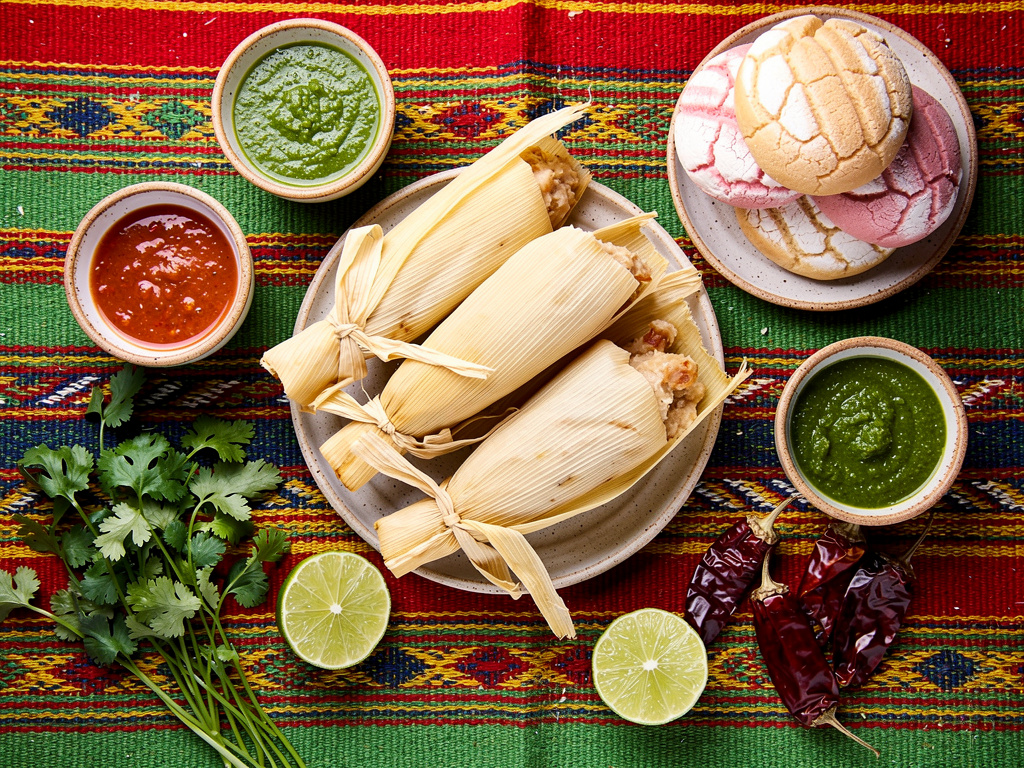


Mexican home cooking is one of the most in-demand foods a home cook can sell, tamales at Christmas, fresh salsas, mole, pan dulce, the dishes people drive across town for. It's also one of the most legally misunderstood, because the different foods fall under completely different rules. A tamale, a jar of salsa, and a bag of pan dulce each need a different legal path, and getting that wrong ranges from unsellable to genuinely dangerous. This guide walks through selling Mexican home cooking legally, sorting tamales, salsas, and everything else into the right lane so you can build a real business the right way.
The short version: Mexican home foods split across three legal lanes. Cottage food covers only shelf-stable items, dry spice and mole blends, some pan dulce, dulces, not perishable dishes. Tamales with meat are hot, perishable foods that generally aren't cottage-food eligible, so they need a MEHKO permit (in California, county by county) or a licensed commissary kitchen. Shelf-stable jarred salsa is an acidified food that must hit a safe acidity to prevent botulism and usually requires a special process or license, not plain cottage food, while fresh salsa is perishable. Match each food to its lane, never home-can salsa without verified acidity, and pursue the legal path for perishable dishes. Homegrown gives you the storefront and same-day pickup tools these models need, but you secure the permit or kitchen.
This guide covers the three legal lanes, tamales, salsas, cottage-food-eligible items, selling perishable food, pricing, and mistakes. This is general information, not legal advice.
Mexican home foods fall into three legal lanes based on what the food is: cottage food for shelf-stable items, a home-kitchen permit or commissary for perishable dishes, and an acidified-foods process for canned salsas. Knowing which lane each of your foods belongs in is the foundation of selling legally.
Here's how the lanes map to your menu:
| Legal lane | What it covers | Example Mexican foods |
|---|---|---|
| Cottage food | Shelf-stable, non-perishable items | Dry spice and mole blends, some pan dulce, dulces (candies) |
| MEHKO permit or commissary | Hot, perishable, ready-to-eat dishes | Tamales, prepared meals, mole with meat |
| Acidified-foods process | Shelf-stable canned/jarred acidic foods | Canned salsa, pickled items |
A quick read on each lane:
The takeaway: your legal path depends entirely on which lane each food falls into, so sort your menu before you sell anything. The rule is to classify every product first, since a tamale, a salsa, and a spice blend each need a different framework, exactly the challenge with ethnic heritage foods.
You can sell tamales from home legally, but generally not under cottage food law, because tamales, especially with meat, are hot, perishable, ready-to-eat foods that require a MEHKO permit or a licensed commissary kitchen. This surprises many cooks, since tamales are such a classic home-sold food, but the rules are clear.
Why tamales need a different path:
The takeaway: tamales are sellable, just not as a cottage food, so they need MEHKO where available or a commissary kitchen. Each of those paths opens different places to sell, since a California MEHKO can take orders through delivery apps but never sell to a store, and where to sell tamales under each permit lines up seven places against each one. The rule is to use a framework built for perishable food, weighing the commissary versus home kitchen options for your tamale business.
Salsas are legal to sell, but shelf-stable jarred salsa is an acidified food with strict safety rules, not a simple cottage food, while fresh salsa is a perishable product, so the two follow very different paths. This is one of the most important and least understood distinctions in selling Mexican food, and the safety stakes are real.
What you need to know about salsa:
The takeaway: jarred shelf-stable salsa is a safety-critical acidified food that needs verified acidity and usually a special process, while fresh salsa is perishable, so never treat either as a simple cottage food. The rule is to follow tested, acid-verified recipes for any canned salsa and handle fresh salsa as the perishable product it is, with full food safety care.
Under cottage food law, you can sell the shelf-stable, non-perishable Mexican foods, dry blends, certain baked goods, and candies, while perishable dishes and canned salsa need other paths. This is the simplest lane to start in, so it helps to know exactly what qualifies.
What typically qualifies as cottage food:
The takeaway: a real, if limited, slice of Mexican cooking, dry blends, some pan dulce, and dulces, can be sold under cottage food, which is a great way to start legally. Tortillas fit there too in California, whose approved cottage foods list names them, and a dozen homemade flour tortillas costs about $1.28 in ingredients against the $8 to $10 small shops charge. The rule is to launch your shelf-stable products under cottage food while you set up for the perishable dishes, confirming each item against your state's list and the basics of starting a cottage food business.
You sell perishable Mexican food, tamales, prepared meals, fresh salsa, through a MEHKO permit where available or a licensed commissary kitchen, using same-day pickup and pre-orders that fit both the food and the rules. There's a legitimate way to sell these beloved dishes, and it protects both you and your customers.
How to operate legally with perishable food:
The takeaway: perishable Mexican food has a real legal home, MEHKO or a commissary, run on a same-day, pre-order, direct-to-consumer model. The rule is to secure the right permit and sell fresh and direct, using a pre-order system that matches how this food must be sold.
You price Mexican home cooking for small-batch, handmade value rather than against cheap restaurant or grocery prices, and you market its authenticity and the seasonal demand, especially tamale season. Your food is made by hand in small batches, and both your pricing and marketing should reflect that. Tortillas are the easiest place to start, since a plain dozen is a shelf-stable baked good in many states, and selling tortillas from home on a weekly pre-order means pressing only what was paid for, about 450 grams of flour per dozen.
How to price and market well:
The takeaway: price for handmade small-batch value and market the authenticity and seasonal pull of your food, especially at tamale time. The rule is to charge what your handmade cooking is worth and lean on authenticity and season, listing everything on a proper online storefront.
The mistakes that get Mexican home cooks in trouble are assuming tamales are cottage-food legal, home-canning salsa without verified acidity, and ignoring the MEHKO and commissary paths. The salsa one, in particular, is a genuine safety issue.
The mistakes to avoid:
The takeaway: the mistakes come from misclassifying foods and, most dangerously, unsafe salsa canning, all avoidable with the right lane for each product. The rule is to sort every food into its correct legal lane, never cut corners on salsa acidity, and use the proper permit path for perishable dishes.
Once you've matched each food to its legal lane and secured any permit or kitchen you need, the last piece is a clean way to take orders and offer same-day pickup, which is exactly what perishable Mexican food calls for. Homegrown is a $10-per-month online storefront, with no percentage fees beyond standard payment processing, built for made-to-order, direct-to-consumer, same-day selling.
You list your tamales, salsas, pan dulce, and blends, open pre-orders, and take payment at order time, then have customers pick up the same day, which fits both the demand for fresh food and the same-day, direct-to-consumer structure frameworks like MEHKO require. Because your storefront keeps clean records, you can track orders against any permit caps and see which dishes sell best, especially during tamale season. A flat monthly price means a huge holiday tamale rush isn't eaten by per-sale percentage fees stacking up on every dozen.
To be clear about what Homegrown does not do: it does not provide your permit, your commissary kitchen, your acidified-foods process, or your food-safety compliance. Securing the right permit, verifying your salsa's acidity, and following safe practices are your responsibility. What Homegrown gives you is the storefront and same-day pickup flow that matches how Mexican home cooking must be sold, so the selling runs smoothly once your legal path is set. If your foods are sorted into their lanes and your permits are in place, set up your Homegrown storefront and sell your cooking the right way.
Yes, but generally not under cottage food law, because tamales, especially with meat, are hot, perishable, ready-to-eat foods that require time and temperature control, which cottage food laws exclude. The legal paths are a MEHKO (Microenterprise Home Kitchen Operation) permit where it's available, currently mainly in California and only in counties that have adopted it, or a licensed commissary or commercial kitchen, which works in any state. Home tamale sales happen widely and informally, but that's legally exposed with no liability protection. To build a real, protected business, use MEHKO or a commissary rather than selling perishable tamales without a permit.
It depends on the type. Shelf-stable jarred or canned salsa is legally an acidified food, which must reach and hold a safe acidity, generally a pH of 4.6 or below, to prevent botulism, and producing it for sale usually requires a tested, acid-verified recipe and often a special process or license, not a plain cottage food registration. Fresh, refrigerated salsa is a different, perishable category with its own rules around cold storage and short shelf life. Never sell home-canned salsa without a tested recipe and verified acidity, since improper canning is a genuine botulism danger, not just a paperwork issue.
Because canned, shelf-stable salsa is an acidified food, a controlled, safety-critical category that most cottage food laws specifically exclude. Acidified foods must hit a verified pH of about 4.6 or below to be safe, since improper acidity allows the bacteria that cause botulism to grow. That safety requirement is why these products typically need a tested, acid-verified recipe and often a filed process or special manufacturing license, produced under more oversight than a home cottage food operation provides. Fresh refrigerated salsa avoids the acidified-foods rules but is instead a perishable food with its own handling and permit requirements.
The shelf-stable, non-perishable ones. That typically includes dry spice and mole blends, certain shelf-stable baked goods like some pan dulce and conchas (though not those with perishable cream or dairy fillings), and traditional dulces or candies that are shelf-stable. What you can't sell under cottage food are the perishable dishes, tamales, mole with meat, prepared meals, and fresh salsa, which need a MEHKO permit or commissary, and shelf-stable canned salsa, which needs the acidified-foods path. Starting with your dry blends, eligible baked goods, and candies under cottage food is a legitimate way to begin.
A MEHKO, or Microenterprise Home Kitchen Operation, is a California permit that lets home cooks legally sell hot, perishable, ready-to-eat meals, like tamales, from their home kitchen, which cottage food laws don't allow. It comes with limits: caps on meals per day and week, a gross annual sales limit, and a requirement that food be made and sold directly to consumers, generally the same day. It's adopted county by county, so it's not available everywhere even in California, and equivalent programs are rare elsewhere. If you want to sell perishable tamales from your home and your county offers MEHKO, it's the permit to look into; otherwise, a licensed commissary is the route.
Price for small-batch, handmade value, not against cheap restaurant or grocery comparisons. Dishes like tamales and mole are labor-intensive, so total your real ingredient costs, your time, and packaging, then price to reflect the craft and authenticity customers are seeking. There's strong demand both within the community and from a broader audience for genuine Mexican home cooking, so you don't need to compete on price with mass-market options. Lean into tamale season around the winter holidays with pre-orders, and market your food's authenticity and freshness. Charge what your handmade cooking is worth rather than underpricing labor-intensive dishes.
Selling Mexican home cooking is a genuine, in-demand business, and the cooks who build something lasting are the ones who put each food in its correct legal lane. Sort your menu, use MEHKO or a commissary for perishable dishes, follow safe acid-verified recipes for any canned salsa, and price for your craft. Start your Homegrown storefront and sell your tamales, salsas, and more the right way, with the same-day pickup model this food needs.



