
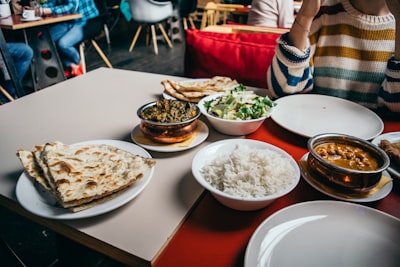


If you grew up cooking your family's food, whether that's tamales, jollof rice, lumpia, or pierogi, you've probably wondered whether you could sell it. The honest answer is: some of it, yes, and some of it, no, and the deciding factor usually isn't the culture the food comes from at all. Cottage food law doesn't care whether a food is Mexican, Nigerian, Filipino, or anything else. It cares about one thing: whether the food is shelf-stable and low-risk, or perishable and potentially hazardous. Understanding that distinction is the key to knowing which of your family recipes you can legally sell from home, and which you can't, without a licensed kitchen.
The short version: Cottage food law treats heritage and ethnic foods by the same rule it applies to everything else: shelf-stable, low-risk foods are usually allowed, while perishable, temperature-controlled foods usually aren't. Many baked goods, candies, and dry products from any culture are cottage-legal, while dishes with meat, dairy, cooked rice, or that need refrigeration typically require a licensed kitchen. The culture of the food doesn't matter; its perishability does. Learn your state's allowed-foods list and the TCS (time and temperature control for safety) distinction, and you'll know which of your recipes you can sell from home.
This guide explains the shelf-stable-versus-perishable rule, gives examples across cuisines, and helps you figure out which of your heritage foods you can sell.
No, cottage food law does not treat ethnic or heritage foods differently based on their culture; it treats all foods by the same shelf-stable-versus-perishable standard. This is the most important thing to understand. A cookie is judged the same whether it's a chocolate chip cookie or a Nigerian chin chin, and a stew is judged the same whether it's beef stew or Ethiopian doro wat. What matters is food safety, not origin.
Here's the principle:
Because the rule is universal, the question for any heritage food is simply: is this version shelf-stable and low-risk, or does it need temperature control? Our overview of what foods you can sell under cottage food laws explains the framework, and the cottage food laws by state directory links to each state's specifics, since the allowed-foods list varies by state.
A food is shelf-stable when it doesn't require refrigeration to stay safe, and perishable, or a TCS food, when it needs temperature control to prevent harmful bacteria. This distinction, known as time and temperature control for safety (TCS), is the line that determines cottage food eligibility for any dish.
Shelf-stable foods, usually allowed, include:
Perishable (TCS) foods, usually not allowed, include:
The key factors are moisture, acidity, and whether bacteria can grow at room temperature. A high-sugar or high-acid food resists bacteria and is often shelf-stable, while a moist, low-acid, protein-rich dish is a TCS food. For context on why perishable foods carry stricter rules, the FDA's guidance on foodborne illness explains the risks that temperature control prevents, and the National Center for Home Food Preservation is an authoritative resource on what makes foods safe to store.
Many beloved heritage foods are usually cottage-legal because they're shelf-stable, especially baked goods, dry snacks, and candies from every culture. If your family recipe is a bread, cookie, dry snack, or sugar candy, there's a good chance you can sell it from home.
Examples of often-allowed heritage foods:
The pattern is clear: if the heritage food is a shelf-stable baked good, dry snack, candy, or high-acid preserve, it usually qualifies, just like its Western equivalents. Always confirm with your state, since some items depend on specific ingredients, but the shelf-stable categories from every culture are your best opportunities to sell your heritage food legally from home.
Many traditional dishes require a licensed kitchen because they're perishable TCS foods, especially those with meat, dairy, cooked rice, or that need refrigeration. If your signature dish is a stew, a rice dish, or anything you'd normally refrigerate, it likely falls outside cottage food law.
Examples of foods that usually need a licensed kitchen:
This is often the hardest part for heritage cooks, because your most iconic family dishes, the stews, the rice, the meat, are frequently the ones that require a licensed or commissary kitchen. That doesn't mean you can never sell them; it means you'll need a licensed kitchen, a home-kitchen permit program where your state offers one, or a commercial setup. Confirm each dish's status with your state, since rules and interpretations vary, and consider which of your recipes are shelf-stable enough to start with.
You find out which recipes you can sell by checking each against your state's allowed-foods list and the TCS standard, then confirming borderline cases with your state agency. Because the rules turn on perishability and vary by state, a little research tells you exactly what's possible.
Steps to figure out your options:
For your perishable signature dishes, look into whether your state has a home-kitchen permit program that allows them, or plan for a licensed kitchen down the road. Our guides to selling specific heritage foods walk through individual dishes, and the cottage food laws by state directory helps you find your state's exact rules. Starting with your shelf-stable recipes gets you selling legally now while you explore paths for the perishable ones.
You adapt heritage recipes for cottage food sales by focusing on the shelf-stable versions and formats of your food, without compromising the flavors and traditions that make them special. Many cuisines have both perishable and shelf-stable expressions, and leaning into the shelf-stable ones lets you sell authentically within the rules.
Approaches that preserve authenticity:
Adapting the format, not the flavor, is the key. A vendor who sells their grandmother's shelf-stable sweets and snacks is selling authentic heritage food, fully within the rules, while building toward a licensed kitchen for the perishable dishes if they choose. This approach lets you honor your traditions, serve your community, and grow a real business from home, starting with the foods you can legally sell today.
The most common mistakes heritage food sellers make are assuming culture affects the rules and selling perishable dishes without a licensed kitchen. Because the rules are about safety, not origin, the errors that matter most involve misjudging perishability.
Mistakes to avoid:
Getting these right lets you sell your heritage food legally and confidently, starting with what's allowed and building from there.
No, cottage food law does not treat ethnic or heritage foods differently based on culture. It applies the same shelf-stable-versus-perishable standard to all foods. A shelf-stable baked good, snack, or candy from any culture is usually allowed, while a perishable dish with meat, dairy, or cooked rice usually isn't, regardless of origin. The deciding factor is always food safety and perishability, never the cuisine the recipe comes from.
You can sell the shelf-stable members of your cuisine, like breads, dry snacks, candies, and high-acid preserves, from home under cottage food law, but perishable dishes with meat, dairy, or cooked rice usually require a licensed kitchen. Assess each recipe against your state's allowed-foods list and the perishability standard. Many heritage cooks start with their shelf-stable family recipes and pursue a licensed kitchen later for the perishable signature dishes.
You usually can't sell meat or cooked-rice dishes from home because they're perishable, temperature-controlled-for-safety foods that can grow harmful bacteria without refrigeration, which puts them outside cottage food law. These dishes generally require a licensed or commissary kitchen. This isn't about your cooking; it's that cottage food law is designed for shelf-stable, low-risk foods, and protein- and rice-based dishes carry safety risks that require controlled conditions.
The easiest heritage foods to sell legally are shelf-stable baked goods, dry snacks, and candies from any culture, such as pan dulce, chin chin, baklava, kolaches, and traditional sweets. These fit cottage food law's shelf-stable framework just like their Western equivalents. Spice blends, high-acid sauces, and preserves are also often allowed. Starting with these clearly shelf-stable foods lets you sell authentic heritage products from home right away.
Your dish is shelf-stable if it doesn't need refrigeration to stay safe, which generally means it's dry, high in sugar or acid, or a baked good without perishable fillings. It's perishable if it contains meat, dairy, cooked rice, or eggs, or if you'd normally refrigerate it. When in doubt, ask your state's cottage food or health agency, since some items are borderline and depend on specific ingredients and preparation.
You can often adapt by focusing on the shelf-stable versions and formats of your cuisine without changing the authentic flavors, such as selling traditional breads, snacks, sweets, or dry mixes rather than perishable prepared dishes. Adapting the format, not the flavor, keeps your food authentic while fitting the rules. Many cuisines have fully traditional shelf-stable foods, so you can honor your heritage and sell legally at the same time.
If you want to sell a perishable signature dish, you'll generally need a licensed or commissary kitchen, or a home-kitchen permit program if your state offers one that allows perishable foods. These paths involve more setup and cost than cottage food. Many heritage cooks start by selling their shelf-stable foods under cottage food law to build a business and customer base, then move to a licensed kitchen to add their perishable signature dishes.
Once you've confirmed which of your foods are cottage-legal, you can sell them at farmers markets, cultural festivals and events, through an online storefront for pickup, and to your local community. Cultural festivals and heritage events are especially strong venues, since customers there specifically seek authentic foods. Pricing your heritage foods for the quality and tradition they represent matters too, so it's worth reading how vendors handle pricing without underselling their work before you set your prices.
Cottage food law treats your heritage food by one universal rule: shelf-stable and low-risk foods are usually allowed, while perishable ones usually need a licensed kitchen, and your culture never changes that. Start with your shelf-stable breads, snacks, sweets, and preserves, which let you sell authentic heritage food legally today, and build toward a licensed kitchen for your perishable signature dishes. When you're ready to sell what you can, set up a Homegrown storefront and share your heritage food with your community.



