
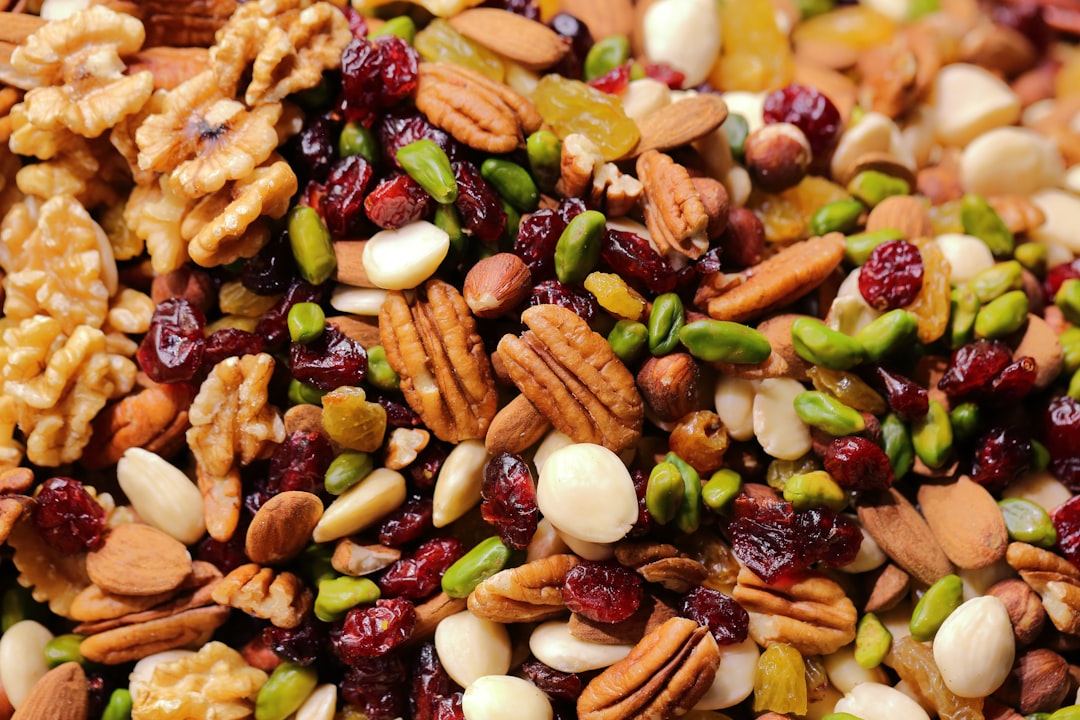


Trail mix and snack mixes are one of the easiest, most flexible products to sell from home, because they're just dry ingredients combined thoughtfully, they never really spoil, and everyone from hikers to office workers to parents packing lunches buys them. A bag that costs a few dollars in nuts, seeds, dried fruit, and add-ins sells for $6 to $12, and once someone loves your sweet-and-salty or spicy blend, they reorder it. Because dry snack mixes are about as low-risk as food gets, they're a forgiving, profitable place to start or expand.
The short version: Trail mix and snack mixes are legal to sell from home under cottage food law in essentially every state, because they're dry, shelf-stable, and low-risk. A bag costs $2 to $4 to make and sells for $6 to $12. Build a few distinct sweet and savory blends, package them for snacking and gifting, and label ingredients and allergens (especially nuts). Because the mixes are dry, you make to stock with no waste. Your easiest wins are creative blends, custom options, and formats that fit snacking, gifting, and on-the-go life.
This guide covers why snack mixes sell so broadly, the cost and pricing math, how to build distinctive blends, and how to reach snackers who reorder.
Trail mix and snack mixes are great to sell because they combine tiny production effort, near-endless shelf life, and the broadest possible audience. Almost everyone snacks, whether it's a hiker on the trail, a parent packing lunches, an office worker at their desk, or a gym-goer needing fuel. That universal appeal, plus the simplicity of making them, is what makes snack mixes such a flexible product.
Here's what makes them work:
The honest note: snack mixes are a modest per-item price, so your money comes from volume, single-serve packs, and creative blends rather than premium pricing. But ingredient costs are low and production is quick, so margins are strong, and the broad appeal means many sales channels are open to you.
Trail mix and snack mixes are legal to sell from home under cottage food law in essentially every state, because they're dry, shelf-stable combinations of low-risk ingredients. Dry snack mixes sit alongside granola, muesli, and dry rubs on virtually every state's allowed-foods list. Your main responsibilities are accurate labeling and keeping the mix dry.
A few points to keep straight:
Every state sets its own rules and sales cap, so confirm your local requirements. Our overview of what foods you can sell under cottage food laws and the cottage food laws by state directory point you to the specifics where you live.
A bag of trail mix costs about $2 to $4 to make, driven mostly by nuts, dried fruit, and any chocolate or specialty add-ins. As with muesli, buying ingredients in bulk is the key to strong margins, since nuts and dried fruit are your biggest expense. If you dry your own fruit for the mix, the cost swings with the fruit: at 2023 grocery prices, home-dried fruit costs about 19 cents an ounce in bananas and $1.82 an ounce in strawberries before packaging. Pecan pieces in a 5-pound bag ran about 71 cents an ounce in September 2026, more than seven times the price of rolled oats, which is why the granola pricing guide charges $1 to $2 more for its nut-heavy flavors.
Here's a realistic breakdown for one bag (about 8 to 12 ounces):
| Item | Approx. cost per bag |
|---|---|
| Nuts and seeds | $1.30 |
| Dried fruit | $0.80 |
| Add-ins (chocolate, pretzels, candy) | $0.60 |
| Bag or container | $0.70 |
| Label | $0.30 |
| Total | $3.70 |
That bag costs under $4 to make and sells for $6 to $12, with premium blends and single-serve packs pushing margins higher. Single-serve snack packs are especially profitable per ounce, since customers pay for the portioned convenience. Labor is minimal, since mixing and bagging goes quickly, which keeps your profit per hour excellent for such a simple, shelf-stable product.
Price snack mixes at $6 to $12 a bag depending on size and ingredients, with single-serve packs priced higher per ounce and gift jars at a premium. Our trail mix pricing guide works that range out from September 2026 ingredient prices: a peanut, raisin, chocolate chip and almond mix costs about 24 cents an ounce to make, so an 8-ounce bag at $8 leaves $4.79 after the pouch, the label and your time. Snack mixes support fair, accessible pricing, and your best margins come from portioned packs and creative premium blends rather than big single-bag prices.
A pricing structure that works:
Single-serve packs are your secret weapon, since they suit on-the-go life, sell in volume at events, and carry the best per-ounce margin. If pricing your work fairly feels uncomfortable, read why charging what you're worth feels wrong, and see how vendors approach pricing shelf-stable products. With low ingredient costs, the goal is to sell more packs and bags per customer.
Build distinctive snack mixes by creating a few clearly different blends across sweet, salty, and spicy profiles, and by offering themed or custom options. Because the category is simple, creativity is what sets you apart, so a thoughtful lineup gives customers reasons to choose you and to buy more than one.
Blend directions that sell:
Options that strengthen your line:
Test your blends and get feedback from real snackers. For guidance on storing nuts and dried ingredients so your mixes stay fresh, the National Center for Home Food Preservation is a reliable, university-backed resource. Creative, well-branded blends across sweet, salty, and spicy are what make your mixes stand out and earn reorders.
Reach snack mix customers everywhere people snack: hikers and outdoor stores, offices, gyms, schools, and events, using samples and single-serve packs to convert buyers. Because the audience is so broad, your opportunity is matching the right blend and format to each channel.
Ways to find your customers:
Because snack mixes are shelf-stable, you can carry stock and fulfill reorders and event orders easily. Managing bulk orders, custom event mixes, and reorders through DMs still gets messy, so a real storefront where customers rebuy and order in volume helps. Here's how to sell food online as a local vendor so reorders and event orders stay organized.
A shelf-stable snack product with broad appeal and reorder demand fits an online storefront perfectly. Homegrown is $10 a month with no percentage fees beyond standard payment processing, and it gives you an order page where customers browse your blends, buy bags, single-serve packs, or gift jars, and reorder favorites easily. Because your product is dry and shelf-stable, you fulfill from stock with no waste.
How it compares to the alternatives:
What Homegrown does well for a snack mix vendor: a clean storefront that showcases your blends and formats, easy reorders and bulk or event orders, a customer list for announcing new blends, and a fifteen-minute setup. What it doesn't do: it won't mix or bag your product, guarantee sales, or ship for you. It gives your shelf-stable snack line a place to sell and be reordered. When you're ready, you can set up your storefront and sell your snack mixes today.
The most important snack mix mistakes involve weak allergen labeling and missing the most profitable formats. Because trail mix is nut-heavy and sold in volume, the errors that matter most are the safety oversights and the pricing choices that leave money on the table.
Mistakes to avoid:
Getting these right keeps a simple, universal product both safe and genuinely profitable.
In essentially every state you can sell trail mix and dry snack mixes under cottage food law without a special license, because they're dry, shelf-stable combinations of low-risk ingredients that appear on virtually every allowed-foods list. Some states require a simple registration or food handler's card. Check your state's cottage food rules, but dry snack mixes are one of the lower-hurdle products you can sell.
Homemade trail mix stays good for several months when kept dry and sealed away from heat and moisture, because it's a dry mix of shelf-stable ingredients. The nuts can eventually go rancid, so freshness and proper storage matter for quality and taste. Label your bags with a best-by date, and advise customers to store mix in a cool, dry, sealed container to keep it fresh.
A standard bag of trail mix typically sells for $6 to $10, with premium blends at $10 to $12 and single-serve packs at $2 to $4 each, which carry the best per-ounce margins. Since a bag costs $2 to $4 to make, margins are strong. Single-serve packs and gift jars are the best ways to raise your average order and profit per ounce.
Yes, you must clearly disclose that your trail mix contains nuts, and often peanuts, soy, and milk from chocolate, on your label, since these are major allergens and nut allergies can be severe. Note any cross-contact if you handle other allergens in your kitchen. Clear, prominent allergen labeling is both a legal requirement and a serious safety responsibility for a nut-heavy product.
Classic sweet-and-salty with nuts, raisins, and chocolate is the reliable best-seller, while spicy, tropical, savory snack, and energy blends serve different tastes and occasions. Kid-friendly and themed seasonal mixes broaden your appeal. Keep a focused core line of four to six distinct blends across sweet, salty, and spicy so customers can easily choose and try more than one.
Single-serve snack packs are very much worth making, because they suit on-the-go life, sell well at events and near checkout as impulse buys, and carry the best per-ounce margins in the category. They do take a bit more packaging effort, but the higher price per ounce and strong event sales more than make up for it. Packs are often a snack mix vendor's most profitable format.
Snack mixes are profitable because ingredient costs are moderate, production is quick, the product never really spoils, and the audience is universal. A bag that costs $2 to $4 to make sells for $6 to $12, and single-serve packs earn even more per ounce. Profit comes from volume, creative blends, single-serve packs, and reorders rather than high single-bag pricing.
You can sell trail mix and snack mixes at farmers markets, outdoor and fitness events, craft fairs, and through an online storefront for pickup, plus bulk to offices and schools. Single-serve packs sell especially well as impulse buys near checkout and at events, while larger bags suit reorder customers and gifts. The product's broad appeal means many channels are open, so match your blend and format to where you're selling.
Trail mix and snack mixes reward vendors who get creative and match format to channel: build distinctive sweet, salty, and spicy blends, lean into profitable single-serve packs, label allergens carefully, and make reorders easy. Because dry snack mixes never really spoil, they're among the most forgiving, flexible products you can sell. When you're ready to showcase your blends and formats, set up a Homegrown storefront and start selling your snack mixes.



