
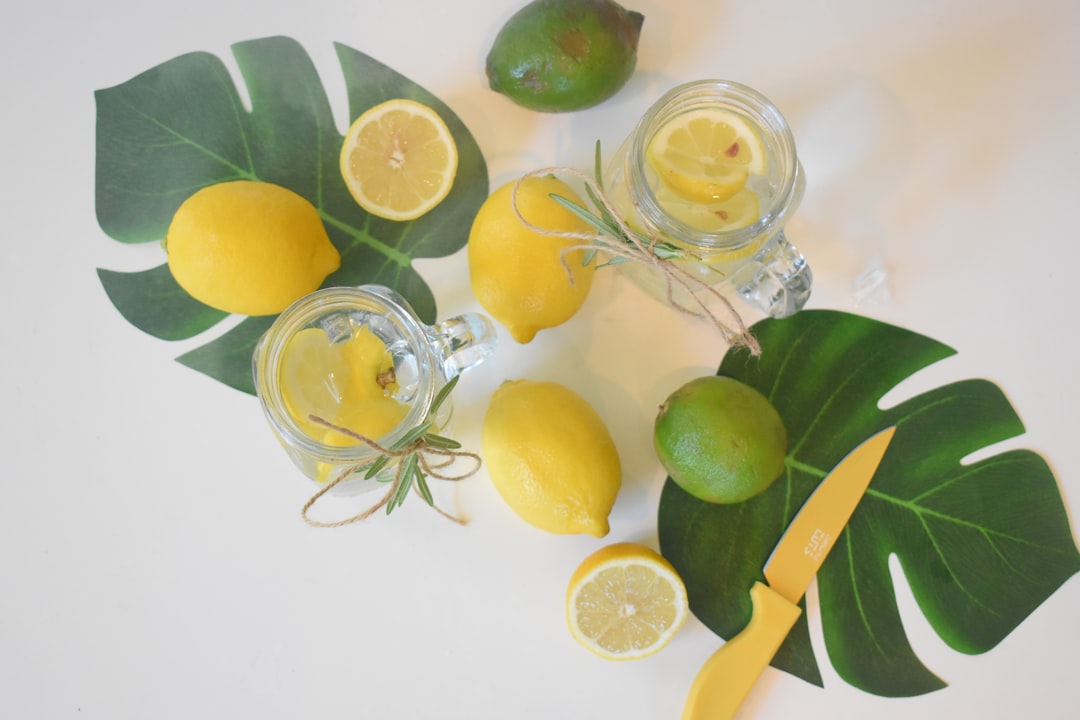


Lemonade concentrate is a bright, summery product with real appeal: customers add water and instantly have fresh, homemade lemonade far better than the powdered stuff. A bottle costs a couple of dollars in lemons and sugar and sells for $8 to $14, and on a hot market day, it practically sells itself. Straight fresh juice costs more to make: a 16-ounce bottle of orange juice holds about 3 pounds of oranges, or $5.13 at August 2026 prices, which is why fresh juice pricing starts at $11 a bottle. But lemonade concentrate is a beverage, and beverages come with rules that shelf-stable snacks don't, plus fresh citrus juice has its own handling and preservation considerations. Get the safety and the rules right, and lemonade concentrate is a refreshing, seasonal, high-margin product. Here's how to sell it the right way.
The short version: Lemonade concentrate is a beverage, so its legality for home sale varies by state, and some states restrict or exclude bottled and packaged drinks. Fresh lemon juice is high in acid, which helps with safety, but a fresh concentrate is still perishable and best kept refrigerated unless properly preserved. Confirm your state's rules on beverages first. Where allowed, lemonade concentrate is a seasonal, high-margin favorite. Prioritize clean handling, refrigeration or proper preservation, and honest dating, and never assume it's sellable just because it's a summer classic.
This guide covers the legal and safety realities first, then how to make quality concentrate, price it, and sell a refreshing seasonal product.
Whether you can legally sell lemonade concentrate from home varies by state, because it's a beverage, and many cottage food laws restrict or exclude bottled and packaged drinks. While the high acidity of lemon juice helps with safety, a beverage still faces different rules than a shelf-stable snack, so this is a question to resolve before you sell.
Here's what to understand:
Because beverages are a gray area, start by asking your state's cottage food or health agency specifically about lemonade concentrate and bottled drinks. Colorado, for one, lists fruit juices and concentrates as ineligible by name, and the guide to selling homemade lemonade compares how 7 states treat bottled lemonade from a home kitchen. Eight states' answers for fresh juice run from Washington's ban on "Juices made from fresh fruits or vegetables" to Texas letting registered home cooks sell it cold, and the rules for selling homemade juice show which questions to put to your agency about a bottled concentrate. Our overview of what foods you can sell under cottage food laws and the cottage food laws by state directory are starting points, but for a beverage, direct confirmation is essential. The FDA's guidance on foodborne illness explains why fresh and packaged beverages carry handling rules worth understanding.
Customers love homemade lemonade concentrate because it's fresher, more natural, and better-tasting than powdered mixes, and it makes instant lemonade at home. Real lemon juice and sugar, without artificial flavors, produce a bright, crave-worthy drink, and a concentrate gives customers convenience and control over strength and sweetness.
Here's why it has such appeal:
The honest reality: lemonade concentrate is a seasonal beverage with real handling and regulatory requirements, and the legal question is often decisive. A fresh concentrate is perishable and needs refrigeration, and demand is highly seasonal, peaking in summer. Where it's allowed, though, it's a refreshing, high-margin product that flies off the table on a hot day, and its versatility gives customers many reasons to buy.
You make lemonade concentrate by combining fresh lemon juice with a sugar syrup at a strong ratio, so customers dilute it with water to taste. Quality and safety come from fresh juice, clean handling, and either refrigeration or proper preservation.
The basics of production:
If you're selling a fresh concentrate, refrigeration and a short shelf life are essential, and clean handling protects your customers. If you aim for a shelf-stable product, you'll need proper acidified-food processing, which has its own rules. For guidance on safe preservation and acidification, the National Center for Home Food Preservation is a reliable, university-backed resource. Fresh juice, clean handling, and honest dating are what make your lemonade both safe and worth a premium.
Where you can legally sell it, price lemonade concentrate at $8 to $14 per bottle depending on size, since a concentrate makes many servings of fresh lemonade. Customers understand that real, fresh lemonade costs more than powdered mix, and the value is clear when they see how many drinks a bottle makes.
A pricing approach that works:
Because lemonade is seasonal, focus your production and marketing on the warm months, and consider event and party orders for a volume boost. If you also pour lemonade by the cup or by the gallon at those events, our lemonade pricing guide works out a $5 24-ounce cup and an $18 to $20 party gallon from August 2026 lemon and sugar prices. If pricing your work fairly feels uncomfortable, read why charging what you're worth feels wrong, and see how vendors approach pricing specialty products. The main constraint on a lemonade business is legality and seasonality, not pricing, since fresh lemonade is an easy, crave-worthy sell.
The lemonade concentrates that sell best build on the classic with fruit and herb infusions, and formats that suit summer events. Because lemonade is a bright, refreshing crowd-pleaser, your flavor twists and event-friendly formats drive the most sales.
Flavors that sell:
Formats that drive sales:
Keep the classic front and center and rotate a fruit or herb flavor for variety. Sample on a hot day at markets, since one taste of fresh lemonade sells the bottle instantly. A bright, seasonal lineup with a few appealing flavors and event-friendly sizes is what makes lemonade concentrate a summer standout.
Where it's legal, sell lemonade concentrate through summer markets, event and party demand, and refreshment seekers, using sampling and its fresh, natural story. Lemonade is an impulse and seasonal product, so your sampling and warm-weather marketing drive most of your sales.
Ways to sell more:
Managing a seasonal, sometimes-refrigerated beverage and event orders through DMs is difficult. A real ordering system that handles orders and pickups keeps your summer sales organized. Here's how to sell food online as a local vendor so your seasonal and event orders stay organized.
Where it's legal, a seasonal beverage with event and reorder demand fits an online storefront well. Homegrown is $10 a month with no percentage fees beyond standard payment processing, and it gives you an order page where customers browse your flavors, choose bottles or event sizes, schedule pickups, and reorder easily. That suits a fresh, refrigerated concentrate sold locally through the warm season.
How it compares to the alternatives:
What Homegrown does well for a lemonade vendor: an order page for bottles, event sizes, and reorders, pickup scheduling for a fresh product, a customer list for your summer regulars, and a fifteen-minute setup. What it doesn't do: it won't make you legal to sell beverages (that's your state's rules), squeeze or bottle for you, or handle cold-chain shipping. It gives a legal product a place to sell and be reordered. When your legal path is confirmed, you can set up your storefront and sell your lemonade.
The most serious lemonade concentrate mistakes are assuming it's legal and mishandling a perishable, fresh product. Because it's a beverage with real safety and seasonality factors, the errors that hurt most skip the legal check or the handling basics.
Mistakes to avoid:
Getting these right keeps you compliant and delivers a fresh, refreshing product customers love.
Whether you can legally sell lemonade concentrate from home varies by state, because it's a beverage, and many cottage food laws restrict or exclude bottled and packaged drinks. The high acidity of fresh lemon juice helps with safety but doesn't automatically make a beverage cottage-legal. Ask your state's cottage food or health agency specifically about lemonade concentrate and bottled drinks before selling, since this varies by location.
A fresh lemonade concentrate lasts about one to two weeks refrigerated, since fresh juice is perishable, while a properly acidified and processed shelf-stable version lasts longer. Give every bottle a use-by date appropriate to how it's made, and keep fresh concentrate refrigerated. Because a fresh product is perishable, make it in small batches or to order to ensure freshness and reduce waste, and never leave it at room temperature.
Lemon juice is high in acid, which is safer than low-acid products and helps, but it doesn't automatically make a beverage cottage-legal or shelf-stable. A fresh concentrate is still perishable and must be refrigerated, while a shelf-stable version requires proper acidification and processing. The acidity is a helpful safety factor, but you must still confirm your state's beverage rules and handle the product correctly for its type.
Where it's legal to sell, lemonade concentrate typically sells for $8 to $14 per bottle depending on size, since a concentrate makes many servings of fresh lemonade. Customers understand fresh, natural lemonade costs more than powdered mix, and the value is clear when they see how many drinks a bottle makes. Flavored versions and event sizes can command more and boost your average order.
Classic lemonade is the reliable best-seller, followed by strawberry lemonade, which is a summer favorite, plus sophisticated twists like lavender and mint, and colorful fruit versions like raspberry and peach. Ginger or spicy lemonade makes a distinctive adult option. Keep the classic front and center and rotate a fruit or herb flavor for variety, since bright, seasonal flavors drive strong summer demand.
Positioning lemonade concentrate as a cocktail mixer is a smart way to extend sales beyond summer and reach the adult-beverage market, since fresh lemonade makes an excellent base for cocktails. Market it to home bartenders and for events and parties. This positioning gives your concentrate year-round appeal and additional uses, though you should still confirm your state's beverage rules, which apply regardless of how customers use the product.
Lemonade concentrate is seasonal because demand for cold, refreshing drinks peaks in the warm summer months when people want lemonade most. Sales slow considerably in cooler seasons. To manage this, plan your production and marketing around summer, consider event and party orders for volume, and extend your season by positioning the concentrate as a cocktail mixer, which gives it appeal beyond the hottest months.
Where it's legal, you can sell lemonade concentrate through an online storefront for local pickup, at summer farmers markets and fairs, and to parties, weddings, and events that want a fresh, natural drink option. Because a fresh concentrate is perishable and refrigerated, local sales and events are the realistic channels rather than shipping. Sampling at hot-weather markets and taking advance orders for summer gatherings are the two strongest ways to move volume during your peak season.
Lemonade concentrate is a product where the rules and the freshness come first: because it's a beverage, confirm your state's stance on bottled drinks, handle fresh juice safely with refrigeration and honest dating, and lean into the summer season. Where it's allowed, it's a bright, high-margin favorite that sells itself on a hot day. Once your legal path is clear, set up a Homegrown storefront and sell your lemonade to refreshment seekers all summer.



