
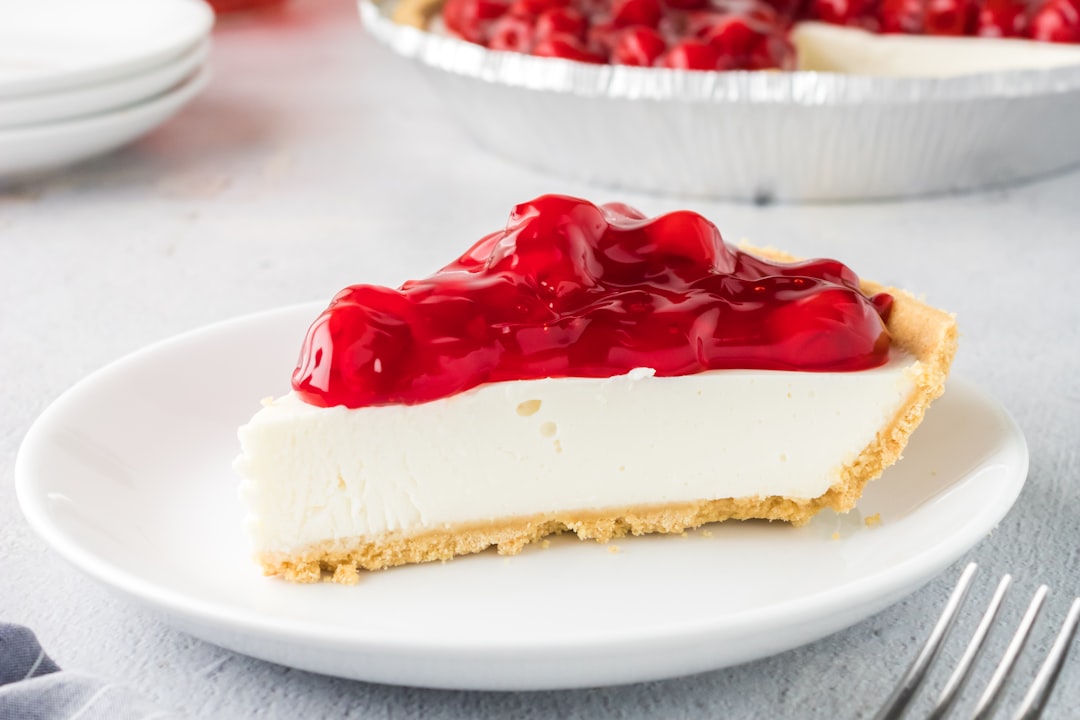


Selling cheesecake from home is possible, but it comes with a catch most sweet-treat guides skip: cheesecake usually needs refrigeration, which means it often does not qualify under basic cottage food law. Before you sell a single slice, you need to know whether your state treats cheesecake as a shelf-stable baked good or a refrigerated food that requires a licensed kitchen. Get that right and cheesecake can be a high-margin, high-demand product. Get it wrong and you risk fines or a shutdown.
The short version: Cheesecake is a rich, high-price dessert customers happily pay $6 to $10 a slice for, but it's typically a refrigerated, potentially hazardous food. That means most states do not allow it under standard cottage food law, and you'll need to check your state, use a licensed or commissary kitchen, or qualify for a home-kitchen permit that allows refrigerated items. A few states permit certain baked cheesecakes. Mini cheesecakes in jars are the easiest format to sell and ship. Whether you sell whole cakes or jars, confirm your legal path first, price for the premium ingredients, and take pre-orders so nothing spoils.
This guide covers the legal reality of selling cheesecake, how to price it, the best formats to sell, and how to keep it safe from your kitchen to your customer.
In most states you cannot sell cheesecake under standard cottage food law, because cheesecake needs refrigeration and is classified as a time and temperature control for safety (TCS) food. Cottage food laws are written for shelf-stable, low-risk items like cookies and breads. Plain cheese sits even further outside them: in 7 of the 9 states checked in our guide to selling homemade cheese, a home kitchen has no route at all, because cheese is licensed as a dairy product. Cheesecake's cream cheese, eggs, and dairy make it perishable, which usually puts it outside those rules. This is the single most important thing to understand before you start.
Here's how the legal paths typically break down:
Because the answer genuinely depends on where you live, start with your state's rules. Our cottage food laws by state directory links to each state's requirements, and our overview of what foods you can sell under cottage food laws explains the TCS distinction that decides cheesecake's fate. When in doubt, call your local health department before you sell. The FDA's guidance on foodborne illness risk is a reminder of why refrigerated foods carry stricter rules than shelf-stable ones.
Cheesecake is worth the extra legal steps because it's a premium dessert with high margins, strong occasion demand, and little local competition. Where a cookie sells for a couple of dollars, a slice of cheesecake sells for $6 to $10, and a whole cheesecake commands $30 to $60. Fewer home vendors bother with it precisely because of the refrigeration rules, which means less competition for the ones who do it right.
What makes cheesecake attractive once you're legal:
The honest tradeoff: cheesecake is more expensive to make, more fragile to transport, and legally more involved than a shelf-stable treat. It rewards vendors willing to handle those realities, not hobbyists looking for the easiest possible product.
A whole cheesecake costs about $6 to $12 in ingredients, driven mostly by cream cheese, which is far pricier than the flour and sugar in most baked goods. That higher input cost is why cheesecake needs a premium price, and why buying cream cheese in bulk matters for your margins.
Here's a realistic breakdown for one 9-inch cheesecake (about 12 slices):
| Ingredient | Approx. cost |
|---|---|
| Cream cheese (about 32 oz) | $5.00 |
| Eggs | $0.80 |
| Sugar | $0.50 |
| Graham crackers / crust | $1.20 |
| Sour cream / heavy cream | $1.00 |
| Toppings (fruit, chocolate) | $1.50 |
| Packaging (box or jars) | $2.00 |
| Energy | $0.80 |
| Total | $12.80 |
At about $1.07 per slice in materials, a cheesecake you sell for $7 a slice grosses $84, an excellent margin. But cheesecake also demands overhead that shelf-stable products don't: refrigerated storage, insulated transport, and often a rented kitchen fee. Factor those in when you price, because a commissary kitchen rental of $15 to $25 an hour can meaningfully change your true cost per cake.
Price whole cheesecakes at $30 to $60 and individual slices or jars at $6 to $10, with premium and custom flavors at the higher end. Cheesecake is a premium dessert, and pricing it like a budget treat both undersells your work and signals lower quality to buyers. People expect to pay more for cheesecake, so let them. Most home vendors do not: on Homegrown, whole cheesecakes were listed at a median of $25 in September 2026, and the cheesecake pricing guide with a full cost build shows why $45 for a 9-inch cake pays you about three times as much per cake.
A pricing structure that reflects the product:
Build your refrigerated storage, transport, and any kitchen-rental costs into the price rather than absorbing them. Require deposits on whole-cake and event orders so a cancellation doesn't leave you with a perishable dessert you can't resell. For a broader framework on pricing baked goods without underselling yourself, see how vendors approach pricing honey, jam, and baked goods, and read why charging what you're worth feels wrong if premium pricing makes you nervous.
The cheesecake formats that sell best are mini jars for individual sales and whole cakes for events, in flavors like classic New York, strawberry, chocolate, and seasonal specials. Mini cheesecake jars have become especially popular because they're portion-controlled, giftable, easier to transport, and let customers try several flavors.
Formats worth offering:
Flavors that reliably sell:
Start with three or four flavors, watch what sells, and expand from there. A tight menu keeps your cream cheese costs predictable and your quality consistent.
Keep cheesecake safe by refrigerating it at 40°F or below at every step, transporting it in a cooler with ice packs, and handing it off cold with clear storage instructions. Because cheesecake is a perishable food, temperature control is not optional. It's the core of both your legal compliance and your customers' safety.
Steps that keep it safe and fresh:
Being upfront about refrigeration and shelf life builds trust and protects you. A customer who knows to keep the cake cold and eat it within a few days is a safe, happy customer. This diligence is also what separates a compliant vendor from one risking a health-department problem.
Sell cheesecake without waste by taking pre-orders and making to order, so you never have a perishable cake sitting unsold. Unlike a shelf-stable cookie you can hold for a week, an unsold cheesecake is a loss. The vendors who profit make each cake against a confirmed, paid order.
Tactics that prevent spoilage and loss:
Managing perishable pre-orders through DMs is risky, because a missed message means a wasted cake or a disappointed customer. A real order page that captures the flavor, the pickup date, and the deposit in one place keeps your perishable production tied to real, paid demand. Here's how to sell food online as a local vendor so your orders stay organized.
Because cheesecake is perishable and premium, order accuracy matters more than it does for almost any other home food product. Homegrown is $10 a month with no percentage fees beyond standard payment processing, and it gives you an order page where customers pick their flavor, choose a pickup date, and pay a deposit or in full before you bake. You make each cake against a confirmed order, which is exactly how you avoid spoilage on a product you can't hold.
How it compares to the alternatives:
What Homegrown does well for a cheesecake vendor: pre-orders with deposits so nothing gets made on spec, pickup scheduling that keeps perishable handoffs tight, and a customer list for announcing limited batches. What it doesn't do: it won't make you cottage-food-legal for a refrigerated product (that's on your state's rules and your kitchen), it won't bake for you, and it isn't a cold-chain delivery service. It keeps made-to-order demand organized so you never bake a cheesecake you can't sell. When your legal path is set, you can set up your storefront and take cheesecake pre-orders.
In most states cheesecake cannot be sold under standard cottage food law, because it requires refrigeration and is classified as a potentially hazardous food. Your legal options are usually a licensed commercial or commissary kitchen, or a home-kitchen permit program (like a microenterprise home kitchen operation) where your state offers one. A few states allow certain baked cheesecakes, so always confirm your specific state's rules and call your local health department before selling.
A whole homemade cheesecake typically sells for $30 to $60, and individual slices or mini jars for $6 to $10, with premium flavors at the higher end. Cheesecake is a premium dessert with pricier ingredients than most baked goods, so customers expect and accept higher prices. Build your refrigerated storage and any kitchen-rental costs into the price rather than absorbing them.
Cheesecake needs refrigeration because it's made mostly of cream cheese, eggs, and dairy, which are perishable and can grow bacteria at room temperature. That makes it a time and temperature control for safety food, unlike a shelf-stable cookie or a plain bread. This is exactly why most cottage food laws exclude it and why you must keep it at 40°F or below from your kitchen to your customer.
Mini cheesecake jars are the easiest and most versatile format to sell, because they're portion-controlled, giftable, easier to transport, and let customers sample several flavors. Whole cakes are your highest-ticket item for events and celebrations. Many vendors offer both: minis for markets and walk-up sales, and whole cakes for pre-ordered occasions.
Homemade cheesecake lasts about three to five days refrigerated at 40°F or below, and it can be frozen for one to two months if wrapped well. Always label your cheesecake with a use-by date and keep-refrigerated instructions so customers store it safely. Because it's perishable, never leave it out of refrigeration for more than two hours.
You can ship cheesecake, but only if you're legally licensed to sell it and you use cold-chain packaging with insulated boxes and plenty of ice packs, shipped overnight or two-day. Mini jars are the most ship-friendly format. Shipping a perishable dessert adds cost and risk, so many home vendors focus on local pickup instead, where temperature control is easier to guarantee.
Product liability insurance is strongly recommended for any perishable food you sell, and it's especially wise for cheesecake given its higher spoilage risk. Some venues, markets, and commissary kitchens require proof of insurance before you can sell there. Even where it isn't required, a policy protects you if a customer ever claims they got sick, which matters more with refrigerated foods than shelf-stable ones.
Cheesecake rewards vendors who respect both the rules and the product: confirm your legal path first, price for premium ingredients and overhead, keep it cold at every step, and make each cake against a paid order. Do that and a dessert most home sellers avoid becomes a high-margin standout. When your kitchen and permits are sorted, set up a Homegrown storefront and take cheesecake orders tied to real, confirmed demand.



