
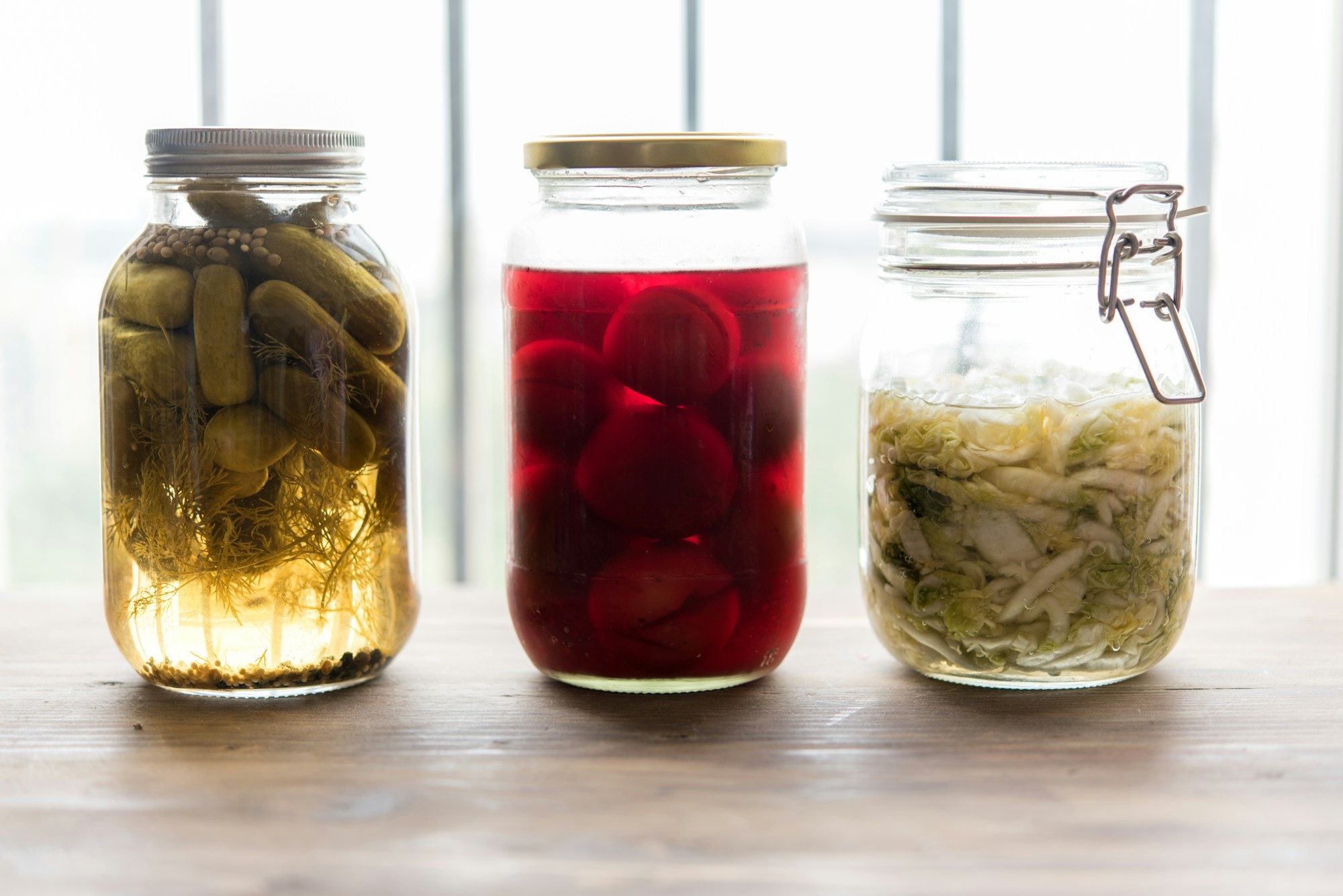


The short version: Pennsylvania has no cottage food exemption: a home kitchen registers with the Pennsylvania Department of Agriculture (PDA) as a Limited Food Establishment, pays $35 a year, and passes a kitchen inspection before the first sale. In return there is no sales cap, and you can sell from home, online, at markets, to stores and restaurants, and across state lines. You can make only foods that stay safe at room temperature, and pickles, salsas, sauces, drinks and dried foods need a lab test before PDA approves them. Packaged products need a label with the product name, ingredients, allergens, net weight and your name and address, and PDA's list has no "homemade" statement on it.
Checked October 1, 2026: the fee, timeline, food rules, label rules and penalties on PDA's Limited Food Establishment page and application packet (Rev 10-2024) and in the Food Safety Act, plus the home food rules of the four neighboring states on each state's own site. Rules change, so confirm yours with PDA before your first sale. If you take orders on Homegrown, customers create a Homegrown account to place a first order, and there is no drops feature, meaning no countdown that opens a batch for sale at a set time.
Once PDA licenses your kitchen, you can set up a Homegrown storefront free for 7 days.
In Pennsylvania there is no "cottage food law" in the usual sense. Home food vendors register as a Limited Food Establishment (LFE) with the Department of Agriculture. It costs $35 a year, requires a home kitchen inspection, and has no sales cap. In exchange you get unusual freedom: you can sell at retail, online, to stores, and even ship across state lines, something all four neighboring states bar for home food vendors. This guide covers how the LFE works, what you can sell, how to label it, what it costs, and how to start.
Ready to begin? Follow our step-by-step guide to starting a cottage food business in Pennsylvania.
Pennsylvania places no cap on Limited Food Establishment sales, so once you are registered you can sell as much as you can make. Neither PDA's Limited Food Establishment page nor its application packet sets a sales limit. They set a fee, a plan review and an inspection instead.
The fee is written into the Food Safety Act itself. Section 5734 says the registration fee "shall be $35 per food establishment per year." Here is the whole program on one page:
Swipe sideways to see every column.
| Pennsylvania LFE rule | Detail |
|---|---|
| Annual sales cap | None |
| What you need | Required: a Limited Food Establishment registration from PDA (the packet's title is "Food Establishment Registration") |
| Fee | $35 to register, collected at your first inspection; $35 a year to renew, payable online |
| Inspection | Required before you sell, then routine inspections |
| Allowed foods | Foods that stay safe at room temperature (non-TCS); pickles, salsas, sauces, drinks and dried foods only with a passing lab test |
| Where you can sell | From home, online, at markets and events, to stores and restaurants; a market stand in a county or city with its own health department is licensed by that department |
| Out of state shipping | Allowed for most foods, with FDA rules attached; meat jerky falls under USDA meat inspection (all four neighboring states keep home food vendors in-state) |
| Label | Product name, ingredients by weight, allergens, net weight or count, your name and address; no "homemade" statement on PDA's list |
| Where you apply | PDA plan review by email, 60 days ahead of opening; PDA answers within 15 business days |
| Philadelphia County | Not permitted for LFE registration |
Sources: PDA's Limited Food Establishment page and application packet (Rev 10-2024) and 3 Pa.C.S. section 5734, all loaded October 1, 2026.
Yes, you need one: unlike states with a registration-free exemption, Pennsylvania requires a Limited Food Establishment registration from the Pennsylvania Department of Agriculture. Most people call it a license. You send an application and business plan, pass a home kitchen inspection, and pay the $35 annual fee at that inspection. Some products, like pickles, salsa and drinks, also need a lab test, which adds cost. It is more upfront work than a no-permit state, but the payoff is real: no sales cap, sales to stores, and the right to ship out of state.
The order matters. PDA reviews the packet within 15 business days and emails an approval letter. An inspector then schedules the kitchen visit, and the $35 fee is collected at that inspection. The LFE page says it in plain words: don't send money with your application.
A limited food establishment license is PDA's registration for a residential-style kitchen that makes foods which do not need a fridge after they are made. PDA's page names three kinds of sites: a kitchen in a private home, a home-style kitchen somewhere else such as a church, fire hall or remodeled garage, and food storage on a home property. It comes with routine inspections and costs $35 a year.
After a passed inspection, the inspector collects the fee and hands you the inspection report, which is your proof of approval until the registration arrives. The packet says the formal registration is mailed within 60 days. PDA mails a renewal notice about two months before the registration expires, and you can renew online with your business code.
The Pennsylvania LFE license costs $35 to start and $35 each year to renew. There is no separate plan review fee, and the $35 is paid by check or money order made out to the Commonwealth of Pennsylvania at your first inspection. Renewals can be paid online. The other costs are your own: a lab test for any product that needs one, a well water test if you are not on town water, and a Retail Food License if you run a market stand (more on that below).
One small break is written into section 5734 of the Food Safety Act: a honey producer is exempt from that section's registration rules when 100% of the regulated products it offers are produced or processed on the farm where the honey business is located. PDA's packet describes this as a registration fee exemption and adds that the honey producer still has to register and be inspected if it sells away from that farm.
Pennsylvania's limited food establishment application is a nine-section packet that asks for a business plan, your labels, any lab results, proof of water, zoning and sales tax paperwork, and a signature. Missing pieces can delay or cause denial of your plan review. You fill in:
The inspection checks seven things: no pets, no children in the kitchen during production, separate storage, no family cooking at the same time, approved water, a sanitary kitchen, and your paperwork. Neither PDA's LFE page nor the packet includes a scored inspection form. The rules the inspector checks are the "Requirements for Home Processors" in the packet:
Penn State Extension's guide to home-style kitchen processing walks through the same rules and adds one tip worth taking: talk to your regional PDA office about your product before you apply. Penn State notes that what you discuss with the food inspector stays confidential, so you do not have to worry about giving away a recipe.
PDA's packet says LFE registration is not permitted in Philadelphia County, where a food business needs NSF/ANSI equipment in a commercially zoned property. In Allegheny, Bucks, Chester, Delaware, Erie, Montgomery and Philadelphia counties, the county health department licenses farmers market stands instead of PDA, and the LFE packet says any county license comes before PDA's registration.
Look up your county and your municipality's zoning before you spend anything, and use Homegrown's cottage food law checker if you are comparing states. Checked October 1, 2026.
Pennsylvania LFEs can make non-potentially hazardous (non-TCS) foods, meaning foods that keep without a fridge, like breads, cookies, candy, jams and honey. TCS stands for "time/temperature control for safety": a food that needs a fridge or a warmer to stay safe. PDA's packet lists dairy, eggs, meat, cut fruit and vegetables, garlic in oil, tofu, and perishable baked goods like cheesecake as TCS foods that a home kitchen cannot make. Commonly allowed foods include:
Prohibited or restricted:
PDA decides product by product. Its application packet lists the foods it expects from home kitchens: baked goods, breads, cookies, cakes, pies, dry goods, dressings and sauces, acidified foods, jams and jelly, butters and spreads, honey, maple syrup, beef or meat jerky, candy, chocolate and fudge, vinegars, dried herbs, dehydrated foods, nut mixes, spices and beverages. Anything else can be approved if it tests as non-TCS. The packet also says baked goods with meat or cheese in them may count as TCS, and freeze-dried foods are allowed only with a water activity test. Beef and meat jerky sit in the packet's dehydrated foods group, so PDA asks for a pH and water activity test of each jerky recipe before approval. Meat is also covered by federal meat inspection law, and Pennsylvania has no state meat inspection program, according to USDA's list of states with and without inspection programs. That means the federal Food Safety and Inspection Service (FSIS) covers meat sold inside Pennsylvania too, so ask FSIS before you sell meat jerky at all, not only out of state.
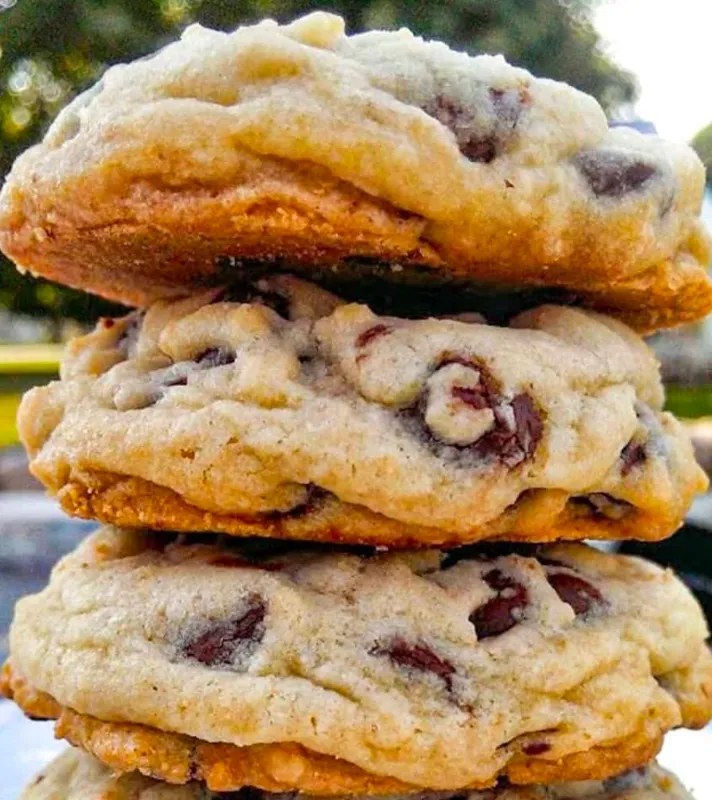
Most baked goods and candy need no test, and every acidified, fermented or dehydrated food does. PDA's packet and its canning guidance (revised December 2023) spell out the test by product:
Swipe or scroll sideways for the rest of this table.
| Product | What PDA asks for | Where the rule is |
|---|---|---|
| Breads, cookies, cakes, most fruit pies | No test for most; moist breads, moist cakes and some pies need water activity and pH, sent with the application (Section 6) | Packet, Baked Goods |
| Cheesecake, pumpkin pie, cream, custard or meringue pies, pudding | Not allowed in a home kitchen (TCS food) | Packet, Baked Goods |
| Jams and jellies | No test on a standard Ball Blue Book, USDA or university extension recipe; a soluble solids (Brix) test when you change a recipe or invent one | Packet, Jams and Jellies |
| Most candy, including chocolate-covered whole strawberries or apples | No test for most candy; cut or chopped fruit is not allowed, and a fruit can be pH tested if in question | Packet, Candy |
| Pickles, kimchi, sauerkraut | A lab pH test of every recipe, sent with the application, showing 4.6 or below; a process authority review if the pH is above 4.2, unless you use an unchanged USDA recipe or a Ball recipe from after 1994; a pH check of every batch, with records | Canning guidance |
| Dressings, sauces, salsa, hot sauce, BBQ sauce | pH and water activity; salsa, hot sauce and BBQ sauce are acidified foods, so the same 4.6 pH limit, process authority review above 4.2 (unless you use an unchanged USDA recipe or a Ball recipe from after 1994) and batch pH checks as pickles apply | Packet, Section 6, and canning guidance |
| Dried, dehydrated and freeze-dried foods | pH and water activity (water activity for freeze-dried) | Packet, Section 6 and Other Foods |
| Kombucha | pH 4.2 or below within seven days of fermenting, or the batch is thrown out; pasteurized (for example, heated to 180°F) before bottling, the only bottling option PDA approves for an LFE | The kombucha guideline |
| Root beer, lemonade, lemon iced tea | pH under 4.6, with 4.2 the target for bottled fermented drinks; a bottled fermented drink needs a step that stops fermentation, such as pasteurizing at 180°F; plain brewed tea and coffee are TCS and not allowed | Packet, Beverages |
| Juice | pH 4.6 or below; sold only to the consumer from your home or your own stand; cannot cross state lines without a juice HACCP plan approved through PDA | Canning guidance |
| Low-acid canned foods (green beans, corn, soups, gravies) | Not allowed in a home kitchen | Packet, Low Acid Canned Foods |
Read on PDA's LFE application packet (Rev 10-2024), canning guidance (Rev 12/2023) and kombucha guideline on October 1, 2026.
You choose the lab and pay for the test, and you retest whenever a recipe changes. For batch checks, a pH of 4.0 or below can be checked with a calibrated meter or pH strips, and anything between 4.0 and 4.6 needs a calibrated pH meter. The canning guidance says no product may ever be sold if its final pH tests above 4.6. The kombucha guideline goes further for home kitchens: pasteurizing is the only bottling option approved for a Limited Food Establishment, and a batch that has not reached pH 4.2 within seven days is thrown out.
Launch with your two best sauce or pickle recipes, not your whole lineup. PDA wants a lab test of every recipe, sent with the application, and a new test every time a recipe changes, so 2 recipes means 2 lab bills before day one instead of 6. Add flavors once the first two are selling.
Pickles, salsa, hot sauce and kombucha can all come out of a registered Pennsylvania home kitchen with the right lab test, and none of PA's four neighbors allows them from a home kitchen. Meat jerky is on PDA's product list too, and none of the four neighbors allows it from a home kitchen, but the federal meat inspection rule described above still applies to it. Each state's own page says so in different words:
Scroll sideways to see all five states.
| Food | Pennsylvania | New York | New Jersey | Ohio | Maryland |
|---|---|---|---|---|---|
| Pickles, sauerkraut, kimchi | Yes, with a lab pH test | No | No (vegetables are a prohibited ingredient) | No (acidified foods barred) | No |
| Salsa, hot sauce, BBQ sauce | Yes, with pH and water activity tests | No | No | No | No |
| Kombucha, lemonade, other drinks | Yes, with a pH test (kombucha must reach pH 4.2 or below and be pasteurized) | No | No | Not on the allowed list | No |
| Beef or meat jerky | On PDA's list, with pH and water activity tests; federal meat inspection still applies | No | No | Not on the allowed list | No |
| Cookies, bread, most cakes | Yes | Yes | Yes | Yes | Yes |
Each column comes from that state's own agriculture or health department page, all loaded October 1, 2026: PDA's LFE packet; New York's home processing page; New Jersey's approved and prohibited product lists; Ohio's Cottage Food Production Operation fact sheet (updated February 2023); Maryland's cottage food guidelines (updated November 2025).
In a pull of the Homegrown catalog on October 1, 2026, 73 of the 2,748 listings from 308 vendors are the foods PDA lab tests before approval: 27 pickled, fermented or canned listings, 15 salsas and 31 hot sauces, BBQ sauces and other sauces, from 21 vendors. Two listings use the word jerky, and both are plant based (a mushroom jerky and a fruit jerky), so no Homegrown vendor lists a meat jerky today.
At least 6 Homegrown storefronts list a pickup spot or market stand in Pennsylvania, in Allegheny, Berks, Bucks, Washington and Westmoreland counties. Their 30 human-food listings are 25 baked goods, 4 sauces and 1 fresh mushroom mix. We counted each listing by reading its name and description, then read each counted vendor's full product list. 23 of the 73 lab-tested listings have no description, so those pickles, canned tomatoes, salsas and sauces were counted by name alone. These are listings, not sales figures.
Homegrown listings in the product groups PDA lab tests before approval
Source: Homegrown catalog pull, October 1, 2026, 2,748 listings from 308 vendors. Counted by reading each listing's name and description, or the name alone for the 23 listings with no description.
Six steps take you from an idea to a registered kitchen, and the paperwork goes in before any money does. PDA's packet says to allow 4 to 6 weeks for processing, so send it two months before your first market. If you will sell at a farmers market, send the stand application at the same time, since PDA wants that one 60 days ahead too.
Print this list before you start the packet. Email the finished packet to PDA's plan review inbox, RA-AGPLANREVIEW@pa.gov, at least 60 days before you plan to open, and do not send money with it.
The week the approval email lands, call your regional Food Inspector to set the visit if they have not called you first; PDA's packet tells you to make that call. PDA answers in 15 business days, its packet budgets 4 to 6 weeks of processing time, and it wants the packet 60 days ahead, so the two to four weeks left over is your window to get the kitchen inspection-ready and print labels before your opening date. Do not leave the market stand license for that window: PDA wants the farmers market stand application 60 days ahead too, so send it with the LFE packet.
For most products, a Pennsylvania cottage food label needs five things, and none of them is a disclaimer. Every packaged LFE product must show:
That is PDA's whole list for most products, and the only number on it is the 8-point minimum for the net weight line. Juice is the exception: PDA's packet says packaged juice that has not been pasteurized or otherwise treated must also carry FDA's juice warning statement, and anything sold out of state needs nutrition labeling, covered below. Confirm the current label rules with PDA when you register, and see our cottage food labeling guide for templates.
Pennsylvania does not require a "homemade" or "not inspected" statement on the label, because a Limited Food Establishment is registered and inspected. Three of the four neighbors do require one, which is why copied templates cause trouble:
Do not swing the other way and print "PDA registered" or "inspected by PDA" on the package either. Section 5723 of the Food Safety Act says a food establishment "may not claim registration either upon its label or package or otherwise," except under a product registration program the department sets up.
Baked goods you sell in person, from your own kitchen or your own market stand, need no label at all. PDA's packet says bakery products made and sold directly to a Pennsylvania customer by the baker or an employee, at your kitchen or at a satellite such as your own farmers market stand, need no label on the product or ingredient display. You must still be able to tell a customer the ingredients on request.
Baked goods sold in someone else's store need full labels on the package, or posted next to a bulk display. In a restaurant, the label information has to be available on request. Anything you sell out of state falls under FDA nutrition labeling unless you apply for FDA's small business exemption, which the packet says most LFEs qualify for. A claim like gluten free or sugar free has to be backed by your ingredient labels or a test, and adding a claim can trigger a nutrition facts panel.
You can sell almost anywhere in Pennsylvania and beyond it: from your home, at markets and events, online, to stores and restaurants, and out of state. A market stand in Philadelphia, or in any other county or city with its own health department, gets its license from that department, because PDA's Retail Food page says there is "no reciprocity between local health departments and PDA." Pennsylvania is the most open of the five states in this guide on sales channels. Once registered, you can sell:
There's no cap on how much you sell. Each channel past your own front door adds a step, from full labels to a Retail Food License for each market stand ($103 or $241 new, depending on whether the owner runs it), and PDA's own pages name them:
Scroll sideways to read the third column.
| Channel | What the LFE registration covers | What else you need |
|---|---|---|
| Pickup at your home and internet orders | Covered. PDA says registration "includes sales direct from the production site including internet sales" | Nothing more from PDA |
| Farmers markets and events | Your products, yes | A Retail Food License for each stand ($103 new when the owner operates it, $241 new otherwise, $82 renewal). A stand selling only pre-packaged non-TCS foods still goes through PDA's plan review and inspection but pays no license fee. Seven counties and some cities and towns license stands through their own health department |
| Retail stores and restaurants | Wholesale is a box you check on the application | Full labels on every package or posted at the display; FDA facility registration can apply to wholesale under FSMA, with exemptions for home kitchens and businesses that sell mostly retail |
| Out of state | Allowed for most non-TCS foods | FDA registration may be needed; a nutrition facts panel unless FDA grants a small business exemption; acidified foods need their process filed with FDA; juice needs an approved HACCP plan |
From PDA's LFE page, LFE packet, canning guidance and farmers market application packet, read October 1, 2026.
Yes: a stand that sells food at a farmers market needs a Retail Food License, one per stand, applied for at least 60 days ahead, according to PDA's farmers market page. The one break is in PDA's farmers market application packet, under "License Fee Exemptions (not exempt from inspections)": a stand that sells only pre-packaged non-TCS foods still applies and is inspected, but pays no license fee. A licensed stand under 50 seats that you run yourself costs $103 for a new license and $82 to renew each year.
If your market sits in Allegheny, Bucks, Chester, Delaware, Erie, Montgomery or Philadelphia County, the county health department licenses it instead of PDA. Our Pennsylvania farmers market permit guide covers the seven county health departments and the sales tax license.
Yes, Pennsylvania lets a registered LFE sell to customers in other states, which none of its four neighbors allows for home kitchens. PDA's LFE page says only that "if you sell across state lines, you may also need FDA registration." The packet adds that interstate products need nutrition labeling unless you get FDA's small business exemption, and that acidified foods sold across state lines may need a process authority review and a process filed with FDA. Juice is the hard stop: the canning guidance says LFE juice may not cross state lines, internet sales included, without a juice HACCP plan pre-approved through PDA. Meat jerky adds a second federal agency: meat products fall under USDA's Food Safety and Inspection Service and the federal meat inspection rules, not FDA's. With no meat inspection program of its own, Pennsylvania leaves sales inside the state to FSIS as well, so check with FSIS before you sell jerky at all, not only before you ship it to another state. PDA's pages cover Pennsylvania and federal rules only, so ask a regular out-of-state buyer's state food agency whether it adds any rules of its own. Our guide to shipping cottage food covers the federal rules and how other states handle shipping and delivery.
Because Pennsylvania counts internet orders as part of your registration, a real ordering page is worth setting up from day one. Homegrown gives PA vendors a storefront with built-in payments and pickup or local delivery scheduling for $10 a month billed yearly (or $12.50 month to month), with 0% commission. You pay standard payment processing of 2.9% + $0.30 per order, and the customer pays no extra fee. Compare that with Etsy, which charges $0.20 per listing and a 6.5% transaction fee on every sale, plus Etsy Payments processing of 3% + $0.25 per order for a US shop and a one-time set-up fee for some new shops, or Instagram DMs, which cost nothing but leave you tracking orders and payments across a dozen threads.
Homegrown also calculates and remits sales tax on its orders, according to its signup page, though PDA's packet still asks for your own sales tax license or exemption statement. Homegrown handles pickup and local delivery, and it does not ship packages, so out-of-state orders need a shipping setup of your own. Customers create a Homegrown account to place a first order, and your storefront is listed on the local marketplace, but plan on most orders coming from people you send to your own link.
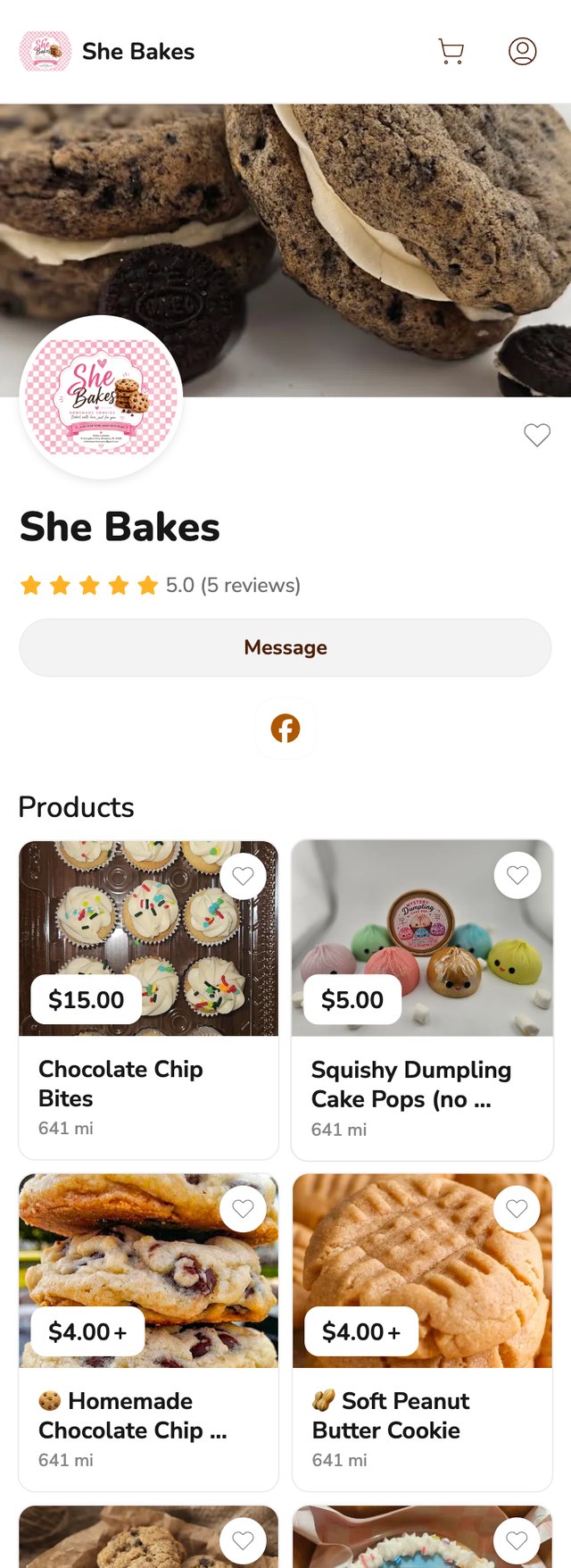
Once your registration is in hand, the next job is making it easy for regulars to order without messaging you. Try Homegrown for 7 days with no charge until day 8 and have a Pennsylvania pickup storefront live in about 15 minutes.
PA cottage food laws are the only ones of these five that review your plan and inspect your kitchen before you sell, and in return they give back the widest set of foods and the only out-of-state sales. All four neighbors keep their home food vendors inside their own borders, and two of them, New Jersey and Maryland, cap sales at $50,000 a year.
Drag the table sideways to see all six columns.
| State | What you need | Fee | Sales cap | Sell outside the state? | Kitchen inspection |
|---|---|---|---|---|---|
| Pennsylvania | Limited Food Establishment registration | $35 a year | None | Yes, with FDA rules for labels and registration (USDA rules for meat jerky) | Yes, before approval and on a routine basis |
| New York | Home Processor registration (exempt from Article 20-C licensing) | No fee (state page) | None stated on the state page | No. Internet sales within New York only, and shipping out of state is not permitted | Reviewed on a complaint basis only |
| New Jersey | Cottage Food Operator Permit, valid two years | $100 to apply and $100 to renew | $50,000 gross a year | No. No mail or common carrier delivery, and no sales outside New Jersey | No initial or routine inspection; a food protection manager certificate and a water bill or well test instead |
| Ohio | Nothing. A cottage food production operation is exempt from licensing and inspection | None | None stated on the state fact sheet | No. "Cottage Food Products may only be sold in Ohio" | No, but products can be sampled by the state |
| Maryland | Nothing for direct sales; a Department of Health review before selling to stores | No fee | $50,000 a year | No. "Interstate sales or sales outside of Maryland are prohibited" | No license or health department review for direct sales |
Each row comes from that state's own agriculture or health department page, all loaded October 1, 2026. New Jersey also bars sales to stores and restaurants; New York, Ohio and Maryland allow in-state store sales.
The trade is clear once you see it side by side. All four neighbors let you start without a kitchen inspection, but they cap what you sell (New Jersey and Maryland), where it goes (all four), and what you can make (no pickles, salsa, hot sauce or drinks in any of the four). Pennsylvania front-loads the work and then gets out of the way.
With no revenue cap, store access, and out-of-state shipping, how much you make in Pennsylvania depends on demand and your kitchen time, not the law. Among Pennsylvania and its four neighbors, it is the only program with no cap that also allows sales across state lines. A worked example: at $18 a dozen, two dozen cookies ($36) cover the $35 registration, and 20 dozen a week is $360 in sales before ingredients and packaging.
Treat the $35 registration and inspection as the cost of entry to channels the neighbors don't allow, stores and out-of-state orders, and build from there. Because there's no cap, the question becomes how much you can produce and pack consistently, not how much the law permits.
A Pennsylvania cottage food license costs $35, and most bakers start for that plus labels and ingredients. The other costs depend on what you make and where you sell:
Swipe sideways to see the source column.
| Cost | Amount | Who has to pay it | Source |
|---|---|---|---|
| LFE registration | $35, then $35 a year | Every LFE (farm honey producers excepted) | Food Safety Act section 5734; PDA LFE page |
| Plan review | No separate fee listed | Nobody | PDA LFE page and packet |
| Lab test (pH, water activity, Brix) | Set by the lab you choose | Pickles, salsa, sauces, drinks, dried foods, changed jam recipes, questionable products | LFE packet, Section 6 |
| Well water test | Set by the DEP-approved lab you choose | Kitchens on a private well (then a coliform test every year) | LFE packet, Section 8 |
| Retail Food License for a market stand | $103 new for an owner-operated stand, $241 new for any other, $82 a year to renew | Each stand; waived when everything on the table is pre-packaged non-TCS food; licensed locally in seven counties and some cities and towns | PDA farmers market page and packet |
| Online ordering | $10 a month billed yearly on Homegrown, plus 2.9% + $0.30 per card payment | Optional | findhomegrown.com/signup |
All amounts checked October 1, 2026. PDA does not publish lab or well test prices; ask two labs for a quote before you choose.
The costliest mistakes are selling before you are approved, copying another state's label, and skipping a lab test. The full list:
Selling food without the registration or license Pennsylvania requires is a summary offense the first two times and a third degree misdemeanor for a third offense within two years, and the Secretary of Agriculture can add a civil penalty of up to $10,000 per offense. Both the Retail Food Facility Safety Act and the Food Safety Act, subchapters A and B of the Food Protection chapter of Title 3 say so. The Retail Food Facility Safety Act, which covers an unlicensed market stand or shop, sets the summary fine at $100 to $300. The Food Safety Act, which covers the LFE registration itself, lists "failure to register" as a prohibited act, prints no dollar figure for the summary offense, carries the same $10,000 civil penalty, and lets the department go to court for an injunction to stop sales.
Two softer facts sit beside those numbers. Both acts say the secretary may issue a warning instead of a penalty when a violation did not harm anyone's health, and the Food Safety Act says the department is not required to prosecute minor violations if a written notice or warning will do. In counties and towns with their own health departments, the local authority sets the penalties for the facilities it licenses. The practical rule is the one in PDA's own packet: you may produce and sell only after a compliant inspection and payment of the registration fee.
The $35 fee in the Food Safety Act has not changed since the act took effect in 2011, and the last change to that section was a 2012 amendment; what PDA updates is the paperwork. Here is what is current:
Everything above was checked on PDA's site and in the statute on October 1, 2026. If the fee or the food rules move, PDA's LFE page is where the change shows up first.
Always confirm current LFE fees, the allowed-foods list, and label rules with the Department of Agriculture before you start. Maryland's guidelines were updated in November 2025, so recheck any neighbor comparison in this guide before you rely on it, and ask the buyer's state food agency before you ship there.
No. Pennsylvania's Limited Food Establishment program has no revenue cap, so once you are registered you can sell an unlimited amount. That sets PA cottage food laws apart from New Jersey and Maryland, which both cap home food sales at $50,000 a year.
Yes. You must register as a Limited Food Establishment with the PA Department of Agriculture: send an application and business plan, pass a home kitchen inspection, and pay the $35 annual fee at that inspection. Selling without it is a summary offense and can bring a civil penalty of up to $10,000.
Yes. Pennsylvania lets registered LFEs sell out of state, which its four neighbors do not allow for home food vendors. You may need FDA registration, a nutrition facts panel (most LFEs qualify for FDA's small business exemption) and an FDA process filing for acidified foods. Juice stays in-state unless PDA has approved a juice HACCP plan. Meat jerky falls under USDA's Food Safety and Inspection Service, so check with FSIS before selling it at all, in Pennsylvania or out of state.
Non-perishable (non-TCS) foods: breads, cookies, candy, jams, honey, maple syrup, dry mixes, spices and more. PA also allows pickles, salsa, sauces and drinks like kombucha with a passing lab test, foods all four neighboring states keep out of home kitchens. Meat jerky is on PDA's list too, but federal meat inspection law covers meat sold inside Pennsylvania, so get FSIS's answer before you sell it. Cheesecake, cream and custard pies, and low-acid canned foods are not allowed.
The name of the food, the ingredients from most to least by weight, any allergens, your name and address, and the net weight or count in type no smaller than 8 point. PDA's list has no "homemade" disclaimer, and baked goods you hand to customers yourself need no label, only the ingredients on request.
Plan on about two months. PDA wants the application at least 60 days before you start, answers within 15 business days, and its packet says to allow 4 to 6 weeks for processing; the inspection comes after that, and the report from a passed inspection lets you start selling right away.
The license is $35 per year, paid at your first inspection and then at each renewal. Lab testing for pickles, salsa, sauces and drinks, a well test if you are not on town water, and a market stand's Retail Food License ($103 or $241 new, depending on who staffs it, then $82 a year) are separate costs if they apply to you.
Yes. Registered LFEs can sell wholesale to stores and restaurants as well as direct, online and out of state. Baked goods sold in someone else's store need full labels on the package or posted at the display, and a wholesale business may need to register with FDA.
PA cottage food laws are really one program: register your home kitchen with PDA as a Limited Food Establishment, pass an inspection, pay $35 a year, and make only shelf-stable foods. There is no sales cap and no rule that keeps you inside Pennsylvania. The Food Safety Act (3 Pa.C.S. sections 5721 to 5737) is the law behind it, and PDA's application packet is the rulebook.
A home bakery follows the same PA cottage food laws as any other LFE, with two breaks. Most breads, cookies, cakes, muffins and fruit pies need no lab test (moist breads, moist cakes and some pies need water activity and pH results sent with the application), and baked goods you sell in person from your home or your own stand need no label as long as you can name the ingredients on request. Cheesecake, pumpkin pie, cream pies, meringue pies and puddings cannot come out of a home kitchen, and baked goods with meat or cheese may count as TCS.
In Pennsylvania a "cottage license" means the Limited Food Establishment registration from PDA, since the state has no separate cottage food license. It costs $35 a year and covers a home or home-style kitchen making foods that do not need refrigeration.
No. Outside a county or city that runs its own health department (Philadelphia, Allegheny, Montgomery, Bucks, Chester, Delaware and Erie counties, plus some cities and towns, according to PDA's Retail Food page, which links a jurisdiction search), every food stand goes through PDA's farmers market plan review and inspection, and a stand that sells only pre-packaged non-TCS food, or only raw produce, pays no license fee. Any other stand pays $103 for a new Retail Food License if you run the stand yourself ($241 if you don't) and $82 a year to renew. Where a local health department licenses food stands, it issues the license, so ask it for its fee.
No. PDA's application packet says LFE registration is not permitted in Philadelphia County, and the Philadelphia Department of Health licenses food businesses there. The packet says a Philadelphia food business needs NSF/ANSI equipment in a commercially zoned property.
PDA's packet sets no course or certificate for LFE registration; it asks that everyone involved show basic food safety knowledge and follow good hygiene. At the market, PDA's farmers market packet exempts any stand whose foods are all non-TCS from the certified food manager rule that applies to other retail food facilities.
Six guides pick up where the Pennsylvania rules leave off. Start with the setup guide if you have not applied yet, the permit guide if a market stand is your first channel, and the product guides if you make pickles (one of the foods that most clearly separate Pennsylvania from its neighbors) or meat jerky (where federal meat inspection rules apply in every state):
Pennsylvania asks for a registration and an inspection up front, but rewards you with no sales cap, store access, a wider food list and out-of-state sales. Once you're approved and your labels carry everything on PDA's list, the next step is making it easy for customers to order and pay. Set up a Homegrown storefront for Pennsylvania pickup and local delivery orders for $10 a month billed yearly ($12.50 month to month), with 7 days to try it and no charge until day 8. Then compare the rules in nearby states like New York, Ohio, New Jersey, and Maryland. If you are still choosing where to take orders, our guides to the best platforms for selling baked goods online and the best platform to sell food from home compare the fees side by side.
*This guide is general information, not legal advice. Cottage food rules change, so verify your state's current rules with the Pennsylvania Department of Agriculture before selling. Last verified: October 1, 2026.*
Planning to sell at a farmers market? See our Pennsylvania farmers market vendor permit guide for the permits you will need on market day.



