
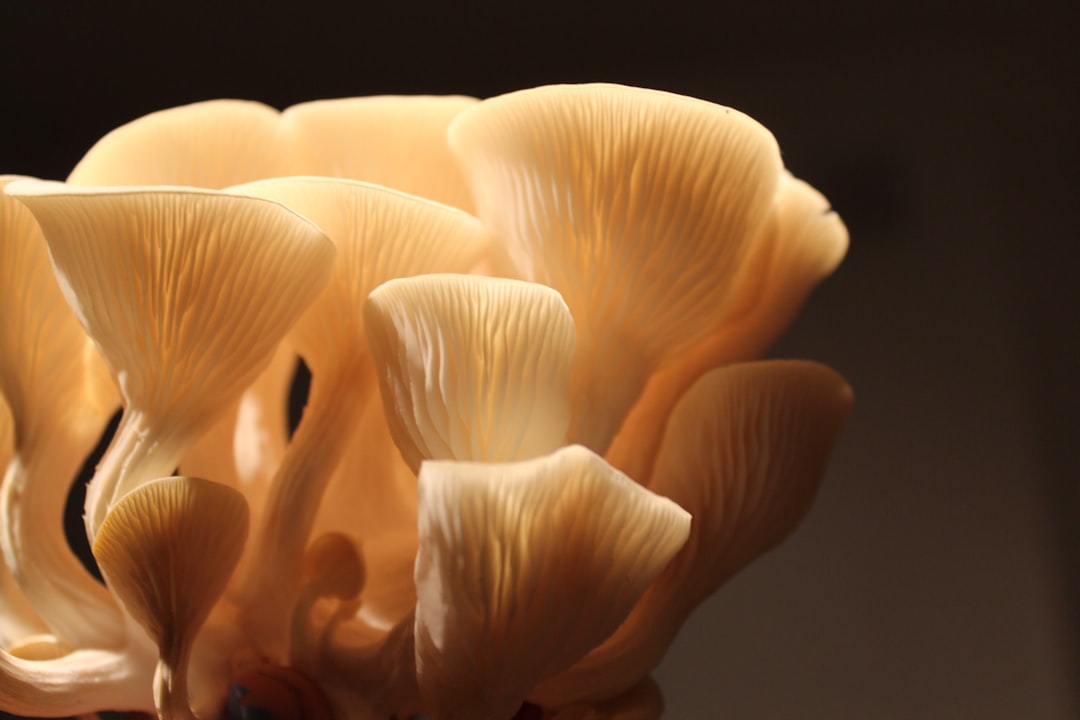


Mushroom growing kits are one of the most fun and forgiving products a home grower can sell, because you're selling the experience of growing gourmet mushrooms rather than a perishable crop. A kit is simply colonized substrate that customers keep on their counter, mist daily, and harvest fresh oyster or lion's mane mushrooms from in a week or two. It's part food, part houseplant, part science project, and it appeals to home cooks, gardeners, gift shoppers, and curious families alike. A kit costs a few dollars in materials and sells for $15 to $30, and because you're selling a growing product rather than a finished food, it sidesteps much of the perishability that makes fresh mushrooms tricky.
The short version: Mushroom growing kits are a grow-your-own product, colonized substrate that customers fruit at home, which puts them in a different category than selling fresh mushrooms to eat. They cost $3 to $8 to make and sell for $15 to $30. Because you're selling a growing kit rather than a ready-to-eat food, cottage food rules may not apply the same way, though you should confirm local rules and any requirements around selling live fungal cultures. Focus on quality colonization, clear instructions, and gift and educational appeal, and lean into gourmet varieties like oyster and lion's mane.
This guide covers why kits sell, how they're categorized, cost and pricing, the best varieties, and how to reach home growers and gift buyers.
Mushroom growing kits are a great product because they sell an experience, appeal to a wide audience, and command a premium as a novelty and gift. Watching gourmet mushrooms fruit on your counter is genuinely delightful, and that experience, plus the fresh harvest at the end, is what customers pay for. The kits reach home cooks, gardeners, educators, and gift shoppers, giving you a broad market.
Here's what makes them work:
The honest note: producing kits requires learning to reliably colonize substrate with mushroom spawn, which takes some mycology skill and a clean process. A sterilized sawdust setup with a pressure sterilizer, a still air box and 100 filter-patch bags ran $1,154.97 at North Spore on September 28, 2026, and the guide to starting a small mushroom farm compares it with the cheaper straw route. And a colonized kit does have a window in which it's best sold and fruited, so timing matters. But the appeal, the margins, and the fact that you're selling a growing experience rather than a perishable food make kits a rewarding and forgiving product for anyone interested in mushroom cultivation.
Mushroom growing kits are typically categorized as a growing or garden product rather than a ready-to-eat food, which can put them outside standard cottage food rules, though you should confirm your local requirements. Because the customer grows and harvests the mushrooms themselves, you're not selling a finished food, which changes how the product is treated.
A few points to understand:
Because kits fall into a less-common category, it's worth confirming how your state and locality treat grow-your-own products and live cultures. Our overview of what foods you can sell under cottage food laws and the cottage food laws by state directory explain the food-focused framework, which a growing kit may sit outside of. For general food-safety context that applies whenever people grow and eat their own food, the FDA's guidance on foodborne illness is a useful reference, and the National Center for Home Food Preservation is a reliable, university-backed resource for safely handling and preserving home-grown foods.
A mushroom growing kit costs about $3 to $8 to make, with substrate, spawn, and packaging as your main expenses. The materials are inexpensive, and the main investment is the equipment and know-how to colonize substrate reliably and cleanly.
Here's a realistic breakdown for one kit:
| Item | Approx. cost per kit |
|---|---|
| Substrate (straw, sawdust, or supplemented block) | $1.50 |
| Mushroom spawn | $1.50 |
| Grow bag or box | $1.80 |
| Instructions and label | $0.50 |
| Energy and supplies | $0.70 |
| Total | $6.00 |
That kit costs around $6 to make and sells for $15 to $30, an excellent margin, especially as you scale and produce spawn or substrate more efficiently. Your bigger investment is the upfront learning and clean setup needed to colonize kits reliably, since contamination is the main challenge in mushroom cultivation. Once your process is dialed in, kits are inexpensive to produce in batches, and premium varieties like lion's mane can command the higher end of the price range.
Price mushroom growing kits at $15 to $30 depending on variety and size, since they're a premium novelty and gift product. Customers happily pay for the experience, the gourmet harvest, and the giftable packaging, so price for the value rather than just the materials.
A pricing structure that works:
Premium varieties and gift packaging are your best tools for raising the average order, and the educational market offers volume opportunities. If pricing your work fairly feels uncomfortable, read why charging what you're worth feels wrong, and see how vendors approach pricing specialty products. With a novel, giftable, experience-driven product, price confidently for what you deliver.
The mushroom varieties that sell best in kits are the easy, fast, and visually striking gourmet types, led by oyster and lion's mane. Because kits are about the growing experience and a gourmet harvest, varieties that fruit reliably and look impressive perform best.
Varieties that sell:
Ways to strengthen your line:
Oyster mushrooms are your workhorse because they're fast, forgiving, and beautiful, giving customers a satisfying first success, which drives reorders and word of mouth. Lion's mane and other premium varieties let you serve enthusiasts and charge more. A focused line anchored by reliable oysters with a premium option or two is what makes your kits both approachable and profitable.
Sell mushroom growing kits through home cooks, gardeners, gift shoppers, and educators, using the experience, gift, and educational angles. Kits appeal to curiosity and creativity, so your marketing should highlight the fun of growing and the reward of a fresh gourmet harvest.
Ways to sell more:
Because kits are a growing product with a sale window rather than a highly perishable food, you can plan production and fulfill orders with more flexibility than fresh mushrooms allow. Fresh mushrooms keep only 5 to 10 days in the fridge, which is why the places that buy fresh mushrooms all work best when the order comes in before the harvest. Managing orders and reorders through DMs still gets messy, so a real storefront helps. Here's how to sell food online as a local vendor so your orders and reorders stay organized.
A novel, giftable, experience-driven product with reorder demand fits an online storefront well. Homegrown is $10 a month with no percentage fees beyond standard payment processing, and it gives you an order page where customers browse your varieties, buy kits or gift bundles, choose a pickup time, and reorder easily. That suits a made-in-batches growing product sold locally.
How it compares to the alternatives:
What Homegrown does well for a kit vendor: a clean storefront that showcases your varieties, easy kits and gift bundles, pickup scheduling to time kits to their window, a customer list for new varieties, and a fifteen-minute setup. What it doesn't do: it won't colonize or package your kits, guarantee sales, or ship for you. It gives your growing product a place to sell and be reordered. When your process and rules are set, you can set up your storefront and sell your kits today.
The most common mushroom kit mistakes are contamination and poor instructions, plus skipping the check on how your locality treats live cultures. Because you're selling a living, growing product, the errors that matter most affect success rates and clarity.
Mistakes to avoid:
Getting these right turns a novel product into a reliable, giftable, reorder-driving business.
Mushroom growing kits are typically categorized as a growing or garden product rather than a ready-to-eat food, which can put them outside standard cottage food licensing, though rules vary. Some areas have requirements around selling live fungal cultures or agricultural products. Confirm with your local agriculture or health authority how grow-your-own kits are treated, since a kit is different from selling fresh mushrooms for consumption and may follow different rules.
Mushroom growing kits are usually not considered a cottage food in the traditional sense, because cottage food law governs foods sold ready to eat, while a kit is a growing product the customer fruits and harvests themselves. This distinction can place kits outside cottage food rules, but it may bring other considerations around live cultures or agricultural products. Confirm your local requirements, since the categorization affects which rules apply.
Mushroom growing kits sell for $15 to $30 depending on variety and size, with premium types like lion's mane at the higher end. Since a kit costs only $3 to $8 to make, margins are strong. The experience, the gourmet harvest, and giftable packaging all support premium pricing, and gift bundles or premium varieties are the best way to raise your average order.
Oyster mushrooms are the easiest and most forgiving to grow in a kit, fruiting fast and in beautiful colors, which makes them ideal for beginners and the best first experience for customers. Lion's mane is also popular and gives a striking harvest. Lead your line with oyster kits so first-timers succeed, since their success drives reorders and word of mouth, and offer premium varieties for enthusiasts.
A colonized mushroom kit is best sold and fruited within a window, often a few weeks, since it's a living product that will eventually fruit or decline. Store kits properly and manage your timing so customers receive them ready to grow. Give customers clear instructions on when and how to start their kit, since a well-timed, well-instructed kit produces the satisfying harvest that drives repeat business.
You can ship mushroom growing kits, since they're a growing product rather than a highly perishable food, though you should ship them promptly so they arrive within their fruiting window and pack them to protect the colonized substrate. Confirm any rules around shipping live cultures or agricultural products across state lines. Many kit sellers do both local pickup and shipping, giving them a broader market than fresh produce allows.
Selling mushroom growing kits is profitable because materials are inexpensive, the product commands a premium as a novelty and gift, and successful first grows drive reorders. A kit costing $3 to $8 to make sells for $15 to $30. Profit comes from premium varieties, gift bundles, the educational market, and repeat customers, and the fact that you're selling a growing experience rather than a perishable crop makes it a forgiving business.
Mushroom growing kits reward vendors who master clean cultivation and lean into the experience: colonize reliably, write clear instructions, lead with forgiving oyster varieties, and package kits as the giftable experiences they are. Because you're selling the fun of growing rather than a perishable crop, kits are a novel, high-margin, reorder-driving product. When your process and rules are set, set up a Homegrown storefront and start selling your mushroom kits.



