
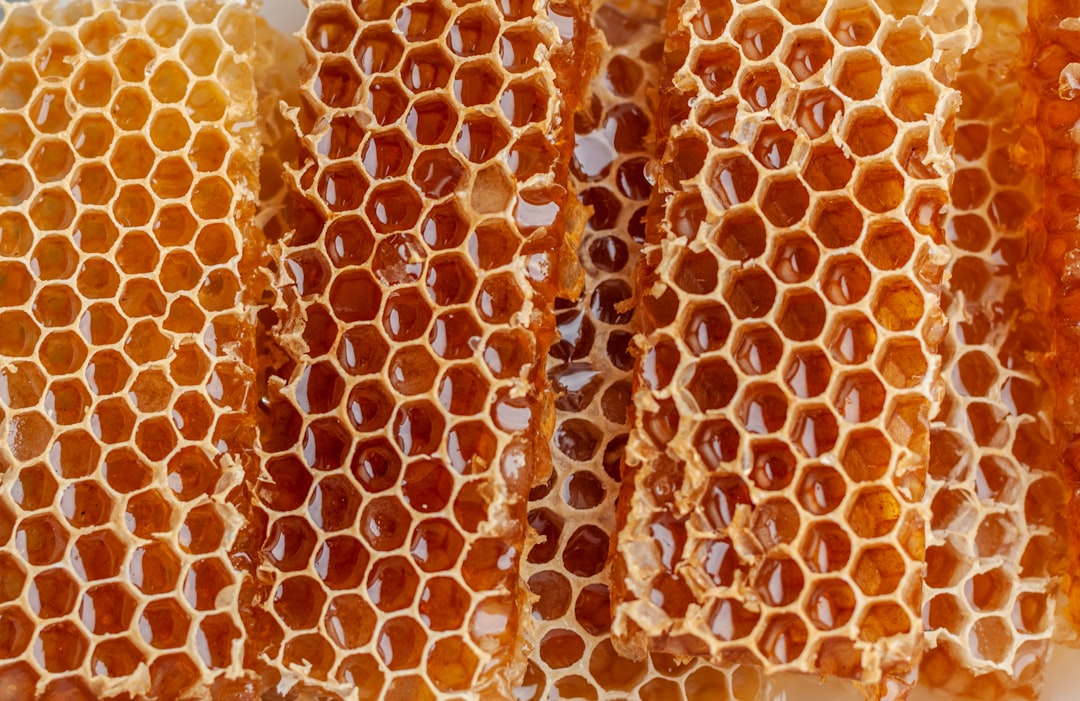


Raw comb honey is the purest, most premium form of honey you can sell: honey still sealed in the wax comb exactly as the bees made it, cut into pieces and jarred with nothing added. It's a specialty product that commands a real premium over extracted honey, because it's rarer, more labor-intensive for the bees, and offers an experience customers love, chewing the wax and tasting honey at its most natural. If you keep bees, comb honey is one of the most rewarding and profitable products you can offer. Because honey is shelf-stable, it's cottage-food-legal almost everywhere, with a few important labeling points to get right.
The short version: Raw comb honey is legal to sell from home under cottage food law in nearly every state, because honey is a shelf-stable, low-risk food. It sells at a premium over extracted honey, often $12 to $25 for a container of comb, because it's rarer and prized. Label it accurately as honey, and always include the standard warning that honey should not be fed to infants under one year old. Because comb honey is shelf-stable, you make to stock with no waste. Your biggest wins are the premium positioning, honest labeling, and the natural, experience-driven appeal of real comb.
This guide covers why comb honey commands a premium, the legal and labeling basics including the infant warning, cost and pricing, and how to reach honey lovers.
Comb honey is a premium product because it's rarer, more labor-intensive, and offers a purer, more natural experience than extracted honey. When bees build and fill fresh comb that's sold intact, that comb can't be reused for extraction, so producing comb honey costs the beekeeper more in bee effort and hive productivity. That rarity, plus the appeal of honey in its most natural state, lets comb honey command prices well above regular jarred honey.
Here's what makes it valuable:
The honest note: comb honey requires beekeeping, and producing it is more demanding on your hives than extracting honey, since the bees must build fresh comb that's sold rather than reused. Supply is therefore limited by your hives and the season. But for a beekeeper, comb honey turns a portion of the harvest into the highest-value product you can offer, and its natural appeal makes it an easy premium sell.
Raw comb honey is legal to sell from home under cottage food law in nearly every state, because honey is a shelf-stable, low-risk food on virtually every allowed-foods list. Honey, including comb honey, is one of the most widely permitted cottage food products. Cutting comb into a jar counts as packaging rather than processing in every state checked, so the same exemptions apply, and the state-by-state honey rules spell out where that stops, which is usually the moment you add an ingredient or bottle honey from someone else's hives. Your main responsibilities are accurate labeling and including the standard infant warning.
A few points to keep straight:
Every state sets its own rules and sales cap, so confirm your local requirements, and note that some states have specific honey-labeling rules. Our overview of what foods you can sell under cottage food laws and the cottage food laws by state directory point you to the specifics where you live.
Comb honey's main cost is the beekeeping and the hive productivity you give up producing it, and it sells at a premium, often $12 to $25 or more per container, above extracted honey. Because producing comb sacrifices reusable comb and takes extra bee effort, its higher price reflects genuine added cost and value.
Where the cost and value come from:
A pricing structure that works:
Price comb honey clearly above your extracted honey to reflect its rarity and value. If pricing your work fairly feels uncomfortable, read why charging what you're worth feels wrong, and see how vendors approach pricing premium products. Customers who seek out comb honey understand and expect its premium. To put a number on that premium, the honeycomb pricing guide by the ounce lines up cut comb against plain honey from the same farms and lands at about $1.50 an ounce, or $18 for a 12-ounce square.
You present comb honey by cutting the fresh comb into clean pieces and packaging it in containers that protect and showcase it, either as pure comb or as cut comb surrounded by liquid honey. Presentation matters, since comb honey's beauty is part of its premium appeal.
Presentation options:
Packaging steps:
For guidance on safe handling and storage of honey and home-produced foods, the National Center for Home Food Preservation is a reliable, university-backed resource. Beautiful, cleanly presented comb honey in clear containers practically sells itself, since customers are drawn to the natural, handmade beauty of real comb.
Reach comb honey customers through honey enthusiasts, natural-food shoppers, and gift buyers, emphasizing the pure, raw, natural appeal and local sourcing. Comb honey buyers are often people who specifically seek out the purest, most natural honey, so lead with authenticity and the local, hand-harvested story.
Ways to find your customers:
Because comb honey is shelf-stable, you can carry stock (within your seasonal supply) and fulfill orders and reorders easily. That shelf life is also what lets comb honey sit in several places at once, and the guide to where to sell honey compares seven of them, from a driveway stand with no booth fee to Etsy at $1.97 on a $16 jar. Managing gift orders and reorders through DMs still gets messy, so a real storefront helps. Here's how to sell food online as a local vendor so your honey sales stay organized.
A premium, shelf-stable product with a loyal, gift-oriented audience fits an online storefront well. Homegrown is $10 a month with no percentage fees beyond standard payment processing, and it gives you an order page where customers browse your honey products, buy comb honey or gift sets, choose a pickup time, and reorder easily. Because your product is shelf-stable, you fulfill from your seasonal stock with no waste.
How it compares to the alternatives:
What Homegrown does well for a honey vendor: a clean storefront that showcases your comb and extracted honey, easy singles and gift sets, effortless reorders, a customer list for seasonal announcements, and a fifteen-minute setup. What it doesn't do: it won't keep your bees, harvest your honey, or ship for you. It gives your premium, shelf-stable product a place to sell and be reordered. When you're ready, you can set up your storefront and sell your comb honey today.
The most important comb honey mistakes are skipping the infant warning and mispricing a premium product, plus poor handling of delicate comb. Because it's a food with a specific safety warning and a premium position, the errors that matter most involve labeling and value.
Mistakes to avoid:
Getting these right keeps a premium product safe, accurately labeled, and as beautiful and valuable as it should be.
In nearly every state you can sell comb honey under cottage food law without a special license, because honey is a shelf-stable, low-risk food on virtually every allowed-foods list. Some states have specific honey-labeling requirements, and a few require a simple registration. Check your state's cottage food and honey rules, but honey, including comb honey, is one of the more widely permitted products, with accurate labeling being the main requirement.
Comb honey costs more than extracted honey because producing it is more demanding on the hive: the bees build fresh comb that's sold intact rather than reused for extraction, which reduces the hive's productivity. This rarity, plus the appeal of honey in its purest, most natural form, lets comb honey command a premium. Customers who seek it out understand and expect to pay more for this scarcer, prized product.
No federal rule requires it, but you should always include the standard warning that honey should not be fed to infants under one year old, because of the risk of infant botulism. FDA's honey labeling guidance does not call for the warning, and Montana's health department says it is not required there, though honey producers often include it. Put it on your honey labels along with your name, address, product name, and net weight, and check your own state's rules. It's an important safety practice for all honey, including comb honey, and some states specifically require honey-safety and labeling information.
Comb honey typically sells for $12 to $25 or more per container depending on size, a clear premium over extracted honey. Cut comb in liquid honey and gift sets can command more. Because comb honey is rarer and more labor-intensive for your hives to produce, price it well above your regular honey, and customers who seek out comb honey will understand and expect the premium.
Package comb honey by cutting the fresh comb cleanly with a warm knife and placing it in clear, food-safe containers that protect and showcase it, either as pure comb or as cut comb surrounded by liquid honey. Handle the delicate comb gently to keep it intact and beautiful. The comb's natural appearance is a major selling point, so clean cuts and clear packaging that display it well practically sell the product.
Comb honey does not expire, because honey is naturally shelf-stable essentially forever thanks to its low moisture and high sugar content. Stored properly, it keeps indefinitely, though it may crystallize over time, which is normal and doesn't indicate spoilage. This long shelf life means no waste for you, and you can label it accordingly, keeping the infant warning and letting customers know crystallization is a natural quality of real honey.
You can ship comb honey, since honey is shelf-stable, but the delicate comb requires careful, protective packing to arrive intact, and some vendors reserve comb honey for local sales to preserve its appearance. Confirm your state's rules on shipping cottage foods before shipping across state lines. For a beautiful, delicate premium product, many beekeepers focus on local sales where they can ensure the comb reaches customers in perfect condition.
You can sell comb honey at farmers markets, natural-food and specialty shops, through an online storefront for local pickup, and as gifts and gift sets. Farmers markets and natural-food venues are especially strong, since customers there specifically seek out pure, local, raw honey and appreciate the story behind it. Because honey is shelf-stable, you can carry your seasonal stock across channels, though comb honey's delicate beauty makes local sales ideal for keeping the product in perfect condition.
Comb honey rewards beekeepers who present it well and label it honestly: price it above extracted honey to reflect its rarity, always include the infant warning, cut and package the delicate comb cleanly, and lean into its pure, natural appeal. As the most premium form of honey, it turns part of your harvest into your highest-value product. When you're ready to showcase your honey, set up a Homegrown storefront and start selling your comb honey.



