
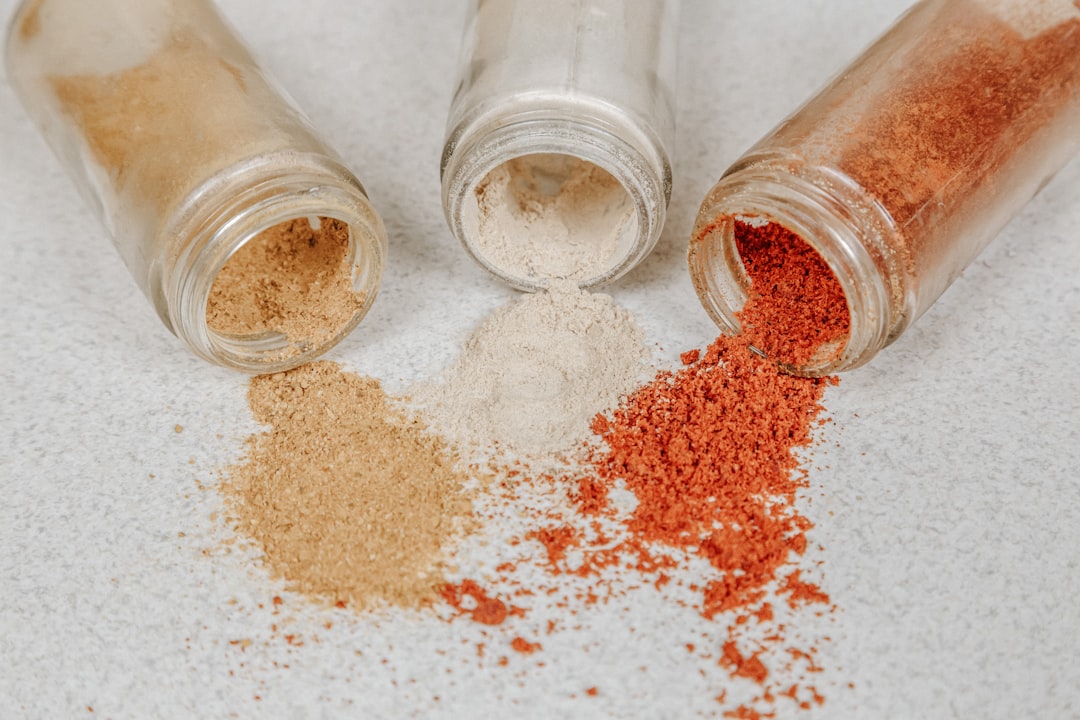


Dry BBQ rubs are one of the easiest and most profitable products you can sell from home, because they're shelf-stable for a year or more, cost almost nothing to make, and command real prices from a passionate audience. A blend that costs a dollar or two to make sells for $8 to $15 a jar, and once someone finds a rub they love, they reorder it for every cookout. If you make a great rub, you're selling flavor, convenience, and a shelf-stable product with almost no spoilage risk.
The short version: Dry BBQ rubs are legal to sell from home under cottage food law in essentially every state, because dry spice blends are among the safest, most shelf-stable foods there are. They cost $1 to $3 a jar to make and sell for $8 to $15, an excellent margin. Build a small line of distinct rubs, package them well, label ingredients and allergens, and lean into the BBQ community and gift market. Because rubs don't spoil, you can make to stock instead of to order, which makes them one of the lowest-stress products around.
This guide covers why rubs sell so well, the cost and pricing math, how to build a distinctive line, and how to reach the customers who buy them again and again.
Dry BBQ rubs are a great product because they combine an extremely long shelf life, tiny ingredient costs, and a devoted audience willing to pay for flavor. Unlike baked goods that go stale or perishables that spoil, a dry rub lasts a year or more, which means no waste, no rush, and no time pressure. That alone makes rubs one of the most forgiving products a home vendor can sell.
Here's what makes them work:
The honest note: the market has plenty of rubs, so your blend needs a point of difference, whether that's a regional style, a signature flavor, or a specific use (brisket, wings, veggies). Flavor and branding are what set you apart in a crowded, but very profitable, category.
Dry BBQ rubs are legal to sell from home under cottage food law in essentially every state, because dry spice blends are shelf-stable and among the lowest-risk foods there are. Spices and dried seasoning mixes are on virtually every state's allowed-foods list. Your main responsibilities are accurate labeling and sound handling. The wet half of a BBQ lineup is a different story: Washington, Missouri, South Carolina and Georgia keep homemade BBQ sauce out of home kitchens, as our guide to selling homemade BBQ sauce legally explains state by state.
A few points to keep straight:
Every state sets its own rules and sales cap, so confirm your local requirements. Our overview of what foods you can sell under cottage food laws and the cottage food laws by state directory point you to the specifics where you live.
A jar of BBQ rub costs about $1 to $3 in ingredients and packaging, driven mostly by the spices and the container, not the labor. Buying spices in bulk dramatically lowers your per-jar cost, which is the key to strong margins on rubs.
Here's a realistic breakdown for one jar (about 4 to 6 ounces):
| Item | Approx. cost per jar |
|---|---|
| Spices and seasonings (bulk) | $0.90 |
| Jar or container | $1.00 |
| Label | $0.35 |
| Shrink band or seal | $0.15 |
| Total | $2.40 |
That's a jar that costs under $2.50 to make selling for $8 to $15. The margin is excellent, and it improves as you scale, because bulk spice buying keeps dropping your cost per jar. Your labor is minimal too: blending and jarring a batch is fast compared to baking or canning. The main investment is buying spices in enough volume to get good pricing, which pays off quickly.
Price BBQ rubs at $8 to $15 a jar depending on size and ingredients, with premium and specialty blends at the higher end and multi-jar sets priced to boost your average order. Rubs support healthy prices because customers are buying a flavor they can't easily replicate, and because the category already trains buyers to expect $10-plus jars.
A pricing structure that works:
Sets and bundles are your best tool for raising the average order, since a customer buying one jar can just as easily buy three in different flavors. If you also smoke the meat your rub goes on, pricing BBQ plates and pulled pork by the pound starts from a cooked pound of pork at about $6.75, not the $2.24 raw price. If pricing your work fairly feels uncomfortable, read why charging what you're worth feels wrong, and see how vendors approach pricing shelf-stable products generally. With margins this good, the goal is simply to sell more jars per customer.
Build a distinctive rub line by developing a few signature blends with a clear point of difference, whether that's a regional style, a specialty use, or a flavor no one else offers. Because the rub market is crowded, a memorable, focused line beats a generic one. Give customers a reason to choose your rubs specifically.
Ways to stand out:
Test your blends with real BBQ before you sell them, and get feedback from people who cook a lot. For storage guidance that keeps your dried spices potent and safe, the National Center for Home Food Preservation is a reliable, university-backed resource on how to store dried ingredients well. A tight, well-branded line that delivers on flavor is what earns reorders in a competitive category.
Reach BBQ rub customers through the BBQ and grilling community, gift shoppers, and local food events, leaning on sampling and the gift market. Because rubs are about flavor, letting people taste the result and packaging them as gifts are your two strongest sales drivers.
Ways to find your customers:
Because rubs don't spoil, you can carry stock and fulfill reorders instantly, which is a big advantage. Managing reorders and gift-set orders through DMs still gets messy, so a real ordering page helps customers rebuy their favorite and discover new blends. Here's how to sell food online as a local vendor so reorders are effortless.
Rubs are a reorder-driven, shelf-stable product, which makes an easy online storefront a natural fit. Homegrown is $10 a month with no percentage fees beyond standard payment processing, and it gives you an order page where customers browse your rub line, buy single jars or gift sets, and reorder their favorites in seconds. Because your product is shelf-stable, you can fulfill from stock instead of baking to order.
How it compares to the alternatives:
What Homegrown does well for a rub vendor: an easy storefront for single jars and sets, effortless reorders, a customer list for announcing new blends and seasonal gift sets, and a fifteen-minute setup. What it doesn't do: it won't blend or jar your rubs, guarantee sales, or ship for you. It gives your shelf-stable product a clean place to sell and reorder. When you're ready, you can set up your storefront and sell your rubs today.
The most common BBQ rub mistakes are blending something generic and underpricing a product with excellent margins. Because the rub market is crowded but profitable, the errors that hurt most are the ones that make you blend in or leave money on the table.
Mistakes to avoid:
Avoiding these keeps a low-cost, no-spoilage product as profitable as it should be.
In essentially every state you can sell dry BBQ rubs under cottage food law without a special license, because dry spice blends are among the safest, most shelf-stable foods and appear on virtually every allowed-foods list. Some states require a simple registration or food handler's card. Check your state's cottage food rules, but rubs are one of the lowest-hurdle products you can sell.
Homemade BBQ rubs stay good for a year or more when kept dry and stored in a sealed container away from heat, light, and moisture. The spices gradually lose potency over time rather than spoiling, so freshness affects flavor more than safety. Label your jars with a best-by date, and store your bulk spices well so your blends taste vibrant when customers open them.
A jar of BBQ rub typically sells for $8 to $15 depending on size and ingredients, with premium blends and specialty spices at the higher end. Since a jar costs only $1 to $3 to make, the margin is excellent. Multi-jar sampler and gift sets are the best way to raise your average order, letting customers try several flavors at once.
A BBQ rub stands out through a clear point of difference: a regional style like Kansas City or Texas, a specialty use like a dedicated wing or brisket rub, or a signature flavor that's genuinely yours. A focused line of three to six well-differentiated blends beats a dozen generic ones. Flavor that delivers, plus strong branding, is what earns reorders among passionate BBQ fans.
Keep your rubs fully dry and avoid fresh ingredients like fresh garlic, since moisture changes the safety profile and can push your product out of shelf-stable, cottage-food-eligible territory. Use dried and granulated versions of garlic, onion, and herbs instead, which are shelf-stable and standard in commercial rubs. Staying fully dry is what keeps rubs one of the safest, longest-lasting products to sell.
Yes, if your rub contains any major allergen, such as mustard or certain seed spices, you must disclose it on your label along with your name, address, ingredients in descending order by weight, and net weight. Many rubs are allergen-free, but always check your ingredients against the major allergen list. Accurate labeling keeps you compliant and protects customers with sensitivities.
BBQ rubs are among the most profitable products a home vendor can sell, because ingredient costs are tiny, margins are wide, and the product never spoils, so there's no waste. A jar that costs under $2.50 to make sells for $8 to $15. The keys to profit are building a distinctive line, selling multi-jar sets, and encouraging reorders from a loyal, flavor-loving audience.
Dry BBQ rubs reward vendors who nail flavor and branding: build a focused, distinctive line, price for the excellent margins, package for gifting, and make reorders effortless. Because rubs never spoil, they're one of the lowest-stress, highest-margin products around. When you're ready to give your line a clean home for sales and reorders, set up a Homegrown storefront and start selling your rubs.



