
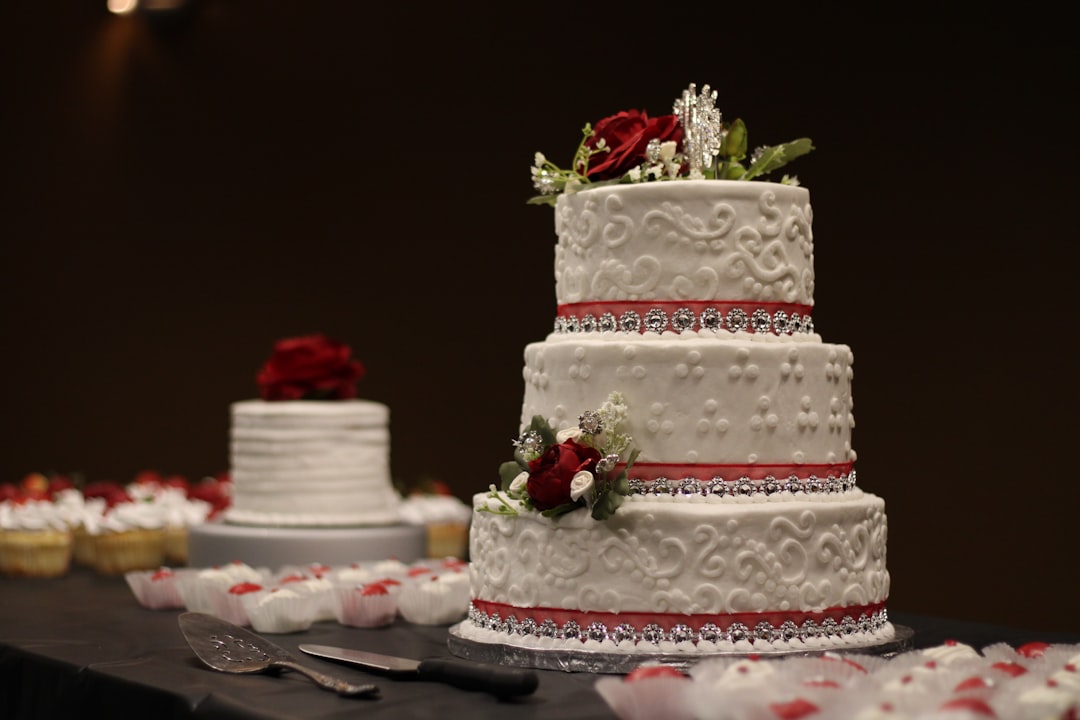


Wedding cakes are the highest-ticket order a home baker can take, often $300 to $800 or more for a single cake, but they also carry the most pressure and the most legal nuance. A wedding cake has to be perfect on a fixed date with no do-overs, and whether you can legally make one from your home kitchen depends on your state and your fillings. Get the rules and the process right, and wedding cakes can anchor a profitable cottage baking business.
The short version: Many states let cottage bakers make wedding cakes because cakes are baked goods, but perishable fillings and frostings (cream cheese, fresh fruit, custard) often are not allowed, and some states restrict tiered or refrigerated cakes. Confirm your state's rules first. Price wedding cakes by the serving (four bakeries we checked start buttercream at $5.00 to $8.50 a serving), require a deposit and a signed agreement, do a tasting, and give yourself a long lead time. Your biggest jobs are staying legal on fillings, pricing for the hours and risk, and delivering a flawless cake on an immovable date.
This guide covers the legal reality, how to price and quote, how to run consultations and tastings, and how to deliver a wedding cake without a disaster.
In many states cottage bakers can legally make wedding cakes because cakes are shelf-stable baked goods, but the rules hinge on your fillings, frostings, and whether the cake needs refrigeration. A plain cake with buttercream or fondant is usually fine. The moment you add a perishable filling, you may cross into food that cottage food law doesn't allow.
Here's how the rules typically break down:
Because the filling question decides so much, confirm your state's rules before you quote a single cake. Our cottage food laws by state directory links to each state's requirements, and our overview of what foods you can sell under cottage food laws explains the perishable-food line that governs cake fillings. When in doubt, call your local health department.
Wedding cakes are worth it because they command the highest prices in home baking and can build a referral-driven business. A wedding cake isn't a casual purchase. Couples plan for months and budget real money, which means a single order can be worth as much as dozens of everyday sales. One beautiful cake at a wedding also puts your work in front of a room full of potential customers.
What makes wedding cakes attractive:
The honest tradeoff: wedding cakes are high-stakes. The date can't move, mistakes are visible and costly, and delivery of a tall, fragile cake is nerve-wracking. This is a product for bakers ready to handle pressure, contracts, and logistics, not a casual side gig.
Price wedding cakes by the serving, with a minimum order that reflects the time and risk. A 100-serving cake at $6 a slice is a $600 order, which sounds like a lot until you count the consultation, tasting, baking, decorating, and delivery hours behind it. Per-serving pricing keeps you covered as cakes scale. On their own pricing pages, checked September 27, 2026, Cake Works Bakery and Cake & Bake Fla start buttercream wedding cakes at $5.00 a serving, Zell's Cottage Bakery at $7 and Sweet Confections Cakes at $8.50, with fondant from $6.00 to $11.50, and the price rises with design and detail. A two-tier cake that feeds 44 costs about $39.74 to make at Walmart.com prices, and this wedding cake pricing guide shows what it pays you per hour at $3 to $8 a serving.
A pricing approach that protects you:
Never quote a flat cake price without knowing servings and design, and never skip the deposit. A signed agreement and a deposit protect you from a canceled wedding leaving you with an unsellable custom cake. If pricing at this level feels uncomfortable, read why charging what you're worth feels wrong before your first consultation, and see how vendors think about pricing baked goods in general.
Run a wedding cake consultation by collecting the couple's date, guest count, venue, style, and budget, then offering a tasting so they can choose flavors with confidence. The consultation is where you set expectations, qualify the order, and quote accurately. A tasting turns an interested couple into a booked one and prevents flavor surprises later.
A consultation checklist that keeps orders clean:
Offer a small tasting box of your top flavors so the couple can decide without pressure. Charge a modest tasting fee that you credit toward the order if they book, which filters out tire-kickers. Confirm every detail in writing before you begin, because a wedding cake order has too many moving parts to trust to memory. For guidance on keeping baked goods fresh and structurally sound, the National Center for Home Food Preservation is a reliable, university-backed resource.
Deliver a wedding cake safely by transporting tiers separately, driving on a flat surface with the cake boxed and supported, and assembling on site at the venue. Delivery is where confident bakers still get nervous, because a tall, tiered cake is fragile and the stakes are absolute. Plan the delivery as carefully as you plan the bake.
Steps that prevent a delivery disaster:
Do a dry run of the drive if the venue is unfamiliar, and confirm the delivery window with the couple or planner in advance. Ask the planner in the same message whether the venue needs a certificate of insurance naming it as an additional insured, since a basic home bakery insurance policy at $299 a year lets you add venues at no extra cost. Building delivery and setup into your price and your plan is what separates a professional wedding baker from someone hoping the cake survives the trip. A flawless delivery is the last, most visible part of the product you're selling. Dowels in every tier that carries weight, one center dowel through the stack and a car cooled for 10 minutes before loading are the habits that get a tiered cake to the venue in one piece.
Book wedding cakes by capturing every detail up front, holding the date with a deposit, and keeping each order's specifics organized from consultation to delivery. Wedding cakes have long timelines and many details, so a system that tracks the date, servings, flavors, design, deposit, and balance is essential. The alternative, piecing it together from texts and emails, is how expensive mistakes happen.
A booking system that keeps weddings on track:
Managing wedding orders through scattered DMs and emails is risky when a single order is worth hundreds of dollars on a fixed date. A real order and booking page that captures the brief, the date, and the deposit in one place keeps every wedding organized. Here's how to sell food online as a local vendor so your highest-stakes orders never live in your inbox.
A wedding cake is your highest-value, highest-risk order, which makes organization non-negotiable. Homegrown is $10 a month with no percentage fees beyond standard payment processing, and it gives you an order page where couples submit their date, guest count, flavors, and design, and pay a deposit to hold the date before you commit your calendar. Every wedding's details live in one place from first inquiry to delivery.
How it compares to the alternatives:
What Homegrown does well for a wedding baker: structured order intake, deposits that hold the date, pickup and delivery scheduling, and a customer record for the whole timeline. What it doesn't do: it won't make you cottage-food-legal for restricted fillings (that's your state's rules), it won't bake or deliver for you, and it isn't a contract lawyer. It keeps your highest-stakes orders organized so you can focus on the cake. When your legal path and pricing are set, you can set up your storefront and book wedding cakes.
The biggest wedding cake mistakes come from underpricing, overcommitting, and skipping the paperwork that protects you. Because a wedding cake is a high-value order on a fixed date, small missteps become expensive fast. Learning from the common errors saves you from a stressful, unprofitable, or reputation-damaging job.
Mistakes to avoid:
Avoiding these errors is often the difference between a wedding cake that builds your reputation and referrals and one that costs you money and sleep.
In many states you can sell wedding cakes as a cottage baker because cakes are shelf-stable baked goods, but it depends on your fillings and your state. Standard cakes with buttercream or fondant are usually allowed, while cream cheese frosting, custard, fresh fruit, and mousse fillings often are not because they require refrigeration. Some states also limit tiered cakes, so confirm your specific state's rules before taking orders.
Price wedding cakes by the serving. Four bakeries we checked on September 27, 2026 start at $5.00 to $8.50 a serving for buttercream and $6.00 to $11.50 for fondant, with more for detailed designs, tiers, and specialty work like sugar flowers. A 100-serving cake at $6 a slice is a $600 order. Always base your quote on the guest count and design, set a minimum order, charge separately for delivery and setup, and require a deposit to hold the date.
Book wedding cakes as far ahead as couples will commit, often three to twelve months, and require a deposit to hold the date. A long lead time lets you plan your calendar, run a tasting, finalize the design, and bake without rushing. It also protects you from double-booking, since a wedding date can't move and you can only make so many cakes in a weekend.
A written agreement is strongly recommended for every wedding cake order because the stakes and dollar amounts are high. It should spell out the date, servings, flavors, design, total price, deposit, balance due date, and cancellation terms. A signed agreement plus a non-refundable deposit protects you if a wedding is canceled and leaves you with an unsellable custom cake.
Shelf-stable fillings like buttercream, jam, and fondant are generally allowed under cottage food law, while perishable fillings like cream cheese, custard, mousse, and fresh fruit often are not because they require refrigeration. The exact list varies by state, so confirm which fillings your state permits for home sales before offering them. Sticking to shelf-stable options keeps you clearly within cottage food rules.
Transport a tiered wedding cake by carrying the tiers separately and assembling at the venue whenever possible, keeping each tier boxed and supported on a flat, non-slip surface in your vehicle. Keep the cake cool, drive carefully, arrive early, and bring a repair kit for on-site touch-ups. Doing a practice run to an unfamiliar venue and coordinating with the planner reduces the delivery-day stress.
Wedding cakes are among the most profitable orders a home baker can take because a single cake can bring $300 to $800 or more, and each wedding showcases your work to future customers. Profitability depends on pricing by the serving, charging for design and delivery, and protecting yourself with deposits and agreements. The tradeoff is the pressure of delivering a flawless cake on a fixed date.
Wedding cakes reward bakers who treat them like the high-stakes orders they are: confirm your legal path on fillings, price by the serving with deposits and agreements, run real consultations and tastings, and plan delivery down to the minute. Do that and one cake can anchor a profitable, referral-driven business. When your rules and pricing are set, set up a Homegrown storefront and keep every wedding order organized from inquiry to delivery.



