
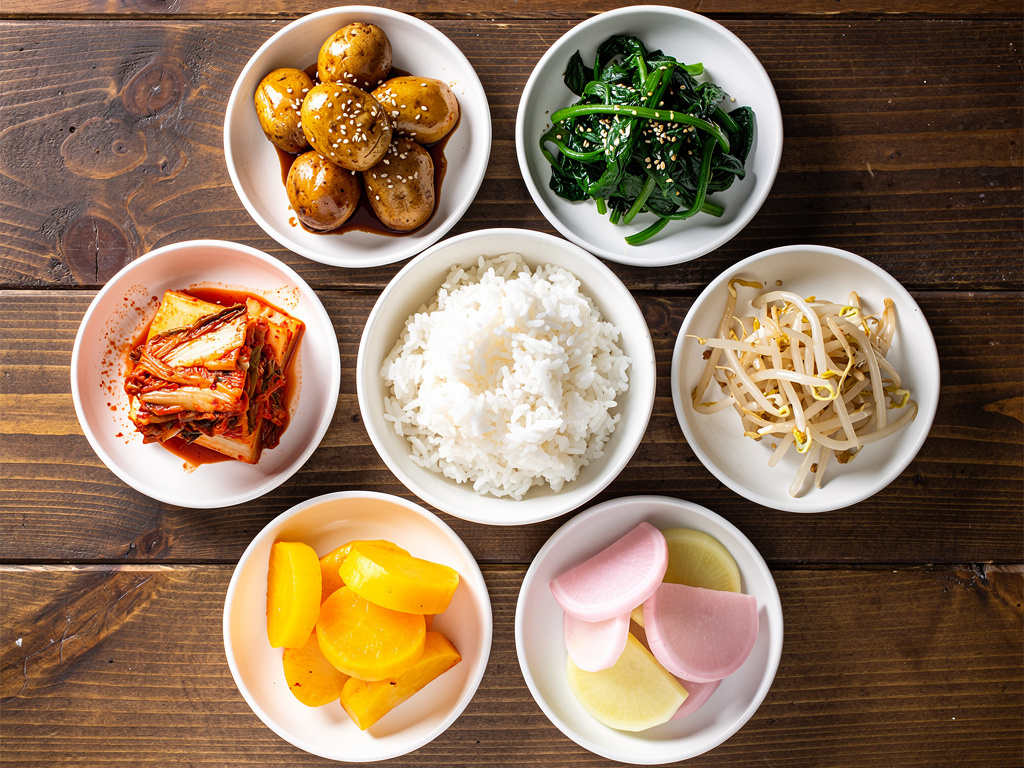


There's real demand for authentic Korean home cooking, the banchan, the kimchi, the dishes that taste like someone's mother made them, and if you cook them well, you have a genuine business. But before you sell a single container of kimchi, there's a legal reality that catches most home cooks off guard: most banchan is perishable, and perishable food usually can't be sold under the simple cottage food laws everyone points you to. The good news is there's a real, legal path, and understanding it is what separates a sustainable business from a risky one. This guide walks through selling Korean home foods and banchan from home, honestly and legally.
The short version: Most Korean banchan and prepared dishes are perishable and need refrigeration, which means they're time-and-temperature-controlled foods that standard cottage food laws generally do not allow. The legal path for selling perishable, home-cooked meals is a different framework: in California, that's a MEHKO (Microenterprise Home Kitchen Operation) permit, adopted county by county, which does allow hot, perishable meals under limits. Outside that, a licensed commissary or commercial kitchen is the reliable route, or you can sell only the shelf-stable subset (some dried and low-acid items) under cottage food. Don't assume kimchi is automatically legal just because it's fermented. Homegrown gives you the storefront and same-day pickup tools that fit these models, but you secure the permit or kitchen.
This guide covers what's sellable, the cottage food catch, the MEHKO and commissary paths, kimchi, pricing, selling, and mistakes. This is general information, not legal advice.
You can sell Korean home foods, but which ones and how depends entirely on whether they're shelf-stable or perishable, because that single distinction determines your legal path. Most beloved banchan falls on the perishable side, which is the catch nobody warns new sellers about.
The lay of the land:
None of this means you can't sell your food, it means you need the right legal framework for perishable food, which the rest of this guide lays out. The takeaway: the split between perishable and shelf-stable food is the single most important thing to understand before you sell, because it dictates everything else. The rule is to sort your dishes into perishable and shelf-stable first, since that determines which legal path you need, especially for ethnic heritage foods.
Most banchan isn't a cottage food because cottage food laws are built for shelf-stable, non-hazardous items, and perishable dishes that need refrigeration fall outside that definition almost everywhere. This is a nationwide pattern, not a quirk of one state.
Why perishable food is excluded:
The takeaway: it's not that Korean food is singled out, it's that perishable food of any cuisine generally doesn't qualify as a cottage food. The rule is to recognize that most banchan needs a permit framework built for perishable food, not the simpler cottage food path, the same distinction covered in starting a cottage food business.
The legal path for selling perishable, home-cooked Korean meals is either a MEHKO permit where it's available, or a licensed commissary or commercial kitchen, both of which are built for exactly this kind of food. There is a real, above-board way to do this, and it protects you and your customers.
Here's how the paths compare:
| Path | What it covers | Key limits |
|---|---|---|
| Cottage food | Shelf-stable subset only (dried items, dry blends) | No perishable banchan or fresh kimchi |
| MEHKO (where adopted) | Hot, perishable, ready-to-eat meals from home | Caps on meals/day and annual sales; same-day, direct-to-consumer; county opt-in |
| Licensed commissary | Perishable food, any state, room to scale | Requires renting a permitted kitchen |
The two main legal routes:
The takeaway: perishable Korean food has a legitimate home for sale, MEHKO where it exists, and a licensed commissary everywhere else. The rule is to match your perishable menu to a permit built for it, and to weigh the commissary versus home kitchen options for your situation.
Kimchi is a nuanced case: a fully fermented, sufficiently acidic kimchi can in theory fall outside the perishable-food category, but most home-sold kimchi is fresh, refrigerated, and treated as perishable, so you should not assume it's automatically a cottage food. Fermentation is not an automatic safety or legal pass. Of the six states in our guide to where to sell kimchi, Texas and South Dakota allow home kimchi at a market, from your home and by your own delivery, Wisconsin allows only canned kimchi at markets and events, and Washington, Michigan and California do not allow it.
What to understand about kimchi:
The takeaway: fermentation doesn't automatically make kimchi a legal cottage food, since it depends on verified acidity and how it's actually stored and sold. The rule is to treat your kimchi as perishable unless you've had its acidity tested and confirmed, and to handle fermentation with real food safety care.
Under cottage food law, you can sell the shelf-stable subset of Korean foods, dried and low-moisture items and certain sufficiently acidic, shelf-stable products, while the perishable dishes need a permit framework. Knowing which of your items qualify lets you start legally on the simplest path while you pursue the rest.
What may qualify as cottage food:
The takeaway: a real, if limited, slice of Korean food can be sold under cottage food, which is a legitimate way to start while you set up for the perishable items. The rule is to launch your shelf-stable products under cottage food and reserve the perishable banchan for the proper framework, confirming each item against your state's list.
You price Korean home food for small-batch, direct-sale economics, not against mass-market grocery prices, and you sell it through same-day pickup and pre-orders that fit both the demand and the legal requirements. Your food is handmade in small batches, and your pricing and model should reflect that.
How to price and sell well:
The takeaway: price for handmade small-batch value and sell through a same-day, direct-to-consumer model that fits the food and the law. The rule is to charge what your handmade food is worth and use pre-orders with same-day pickup, which a proper online storefront makes easy to run.
The mistakes that get Korean home cooks in trouble are assuming perishable banchan is cottage-food legal, not knowing the MEHKO or commissary paths exist, treating fermentation as an automatic safety pass, and underpricing against grocery prices. Each is avoidable with the right information.
The mistakes to avoid:
The takeaway: the mistakes come from misunderstanding the perishable-food rules and undervaluing the work, all fixable with the right framework and pricing. The rule is to sort by perishability, use the correct permit path, verify your fermentation, and price for your craft.
Once you've secured the right permit or kitchen, the last piece is a clean way to take orders and offer same-day pickup, which is exactly the model perishable Korean food needs. Homegrown is a $10-per-month online storefront, with no percentage fees beyond standard payment processing, built for made-to-order, direct-to-consumer, same-day selling.
You list your banchan sets, kimchi, and prepared dishes, open pre-orders, and take payment at order time, then have customers pick up the same day, which fits both the demand for fresh food and the same-day, direct-to-consumer structure that frameworks like MEHKO require. Because your storefront keeps clean records, you can track orders against your daily and weekly limits and see which dishes sell best. A flat monthly price means a busy weekend of banchan orders isn't eaten by per-sale percentage fees stacking up on every container.
To be clear about what Homegrown does not do: it does not provide your permit, your commissary kitchen, or your food-safety compliance. Securing a MEHKO permit where available, or a licensed commissary, and following safe practices are your responsibility. What Homegrown gives you is the storefront and same-day pickup flow that matches how perishable Korean food must be sold, so the selling runs smoothly once your legal path is set. If your permit or kitchen is in place, set up your Homegrown storefront and sell your home cooking the right way.
Yes, but usually not under a basic cottage food registration, because most banchan is perishable and needs refrigeration, which puts it outside cottage food laws in most places. The legal paths for perishable, home-cooked meals are a MEHKO (Microenterprise Home Kitchen Operation) permit where it's available, currently mainly in California and only in counties that have adopted it, or a licensed commissary or commercial kitchen, which works in any state. You can also sell the shelf-stable subset of Korean foods under cottage food. Sort your dishes by perishability and match each to the right legal framework.
Because most home-sold kimchi is fresh, refrigerated, and treated as a perishable food, and cottage food laws generally exclude perishable, refrigerated items. There's a technical nuance: foods below a pH of about 4.6 fall outside the time-and-temperature-controlled category, and a fully fermented kimchi can be quite acidic. But you can't assume your kimchi qualifies, its acidity would need to be actually measured and confirmed, and most home cooks sell fresh, days-old kimchi that's stored cold. So unless you've verified the pH and shelf stability, treat kimchi as a perishable product that needs the same permit path as other banchan.
A MEHKO, or Microenterprise Home Kitchen Operation, is a California permit designed to let home cooks legally sell hot, perishable, ready-to-eat meals from their home kitchen, which standard cottage food laws don't allow. It comes with limits: an operation is capped at 30 meals per day and 90 per week, with a gross annual sales limit, and food must be prepared, cooked, and sold directly to consumers, generally the same day. Importantly, MEHKO is adopted county by county, so it's not available everywhere in California, and equivalent programs are rare in other states. Check with your county's environmental health department to see if it's an option where you live.
It can be, if you follow safe fermentation practices and handle it properly, but fermentation is not an automatic safety guarantee. Safe kimchi depends on proper acidity, clean handling, and correct storage, and if you want to claim any shelf-stable status, you need the pH actually tested rather than assumed. Most home cooks should treat their kimchi as a refrigerated, perishable product, keep it cold, date it, and sell it fresh. Follow tested fermentation methods and good food-safety practices, and when in doubt, consult your local health department about requirements for selling fermented foods.
The shelf-stable, non-perishable subset. That typically includes dried and low-moisture items like seasoned dried seaweed, dry spice and seasoning blends, and possibly certain sauces or jangs if they're genuinely shelf-stable and sufficiently acidic, though you should confirm those against your state's rules and verified acidity. What you can't sell under cottage food are the fresh, refrigerated, and hot dishes, most of a typical banchan spread, which need a MEHKO permit or a licensed commissary. Starting with your shelf-stable products under cottage food is a legitimate way to begin while you set up for the perishable items.
Price for small-batch, direct-sale economics, not against grocery-store prices. Mass-market kimchi and prepared foods are priced for factory-scale production, which has nothing to do with your labor-intensive, handmade small batches. Total your real ingredient costs, your time, and packaging, then price to reflect the authenticity and freshness customers are seeking. There's genuine demand both within the Korean community and from a broader audience for real home cooking, so you don't need to compete on price with the supermarket. Charge what your handmade food is worth, and use pre-orders with same-day pickup to manage batches and, where MEHKO applies, meet its same-day requirements.
Selling Korean home cooking is a real, worthwhile business, and the cooks who build something lasting are the ones who get the legal framework right from the start. Sort your food by perishability, pursue MEHKO or a commissary for the perishable dishes, verify your fermentation, and price for your craft. Start your Homegrown storefront and sell your banchan and kimchi the right way, with the same-day pickup model this food needs.



