
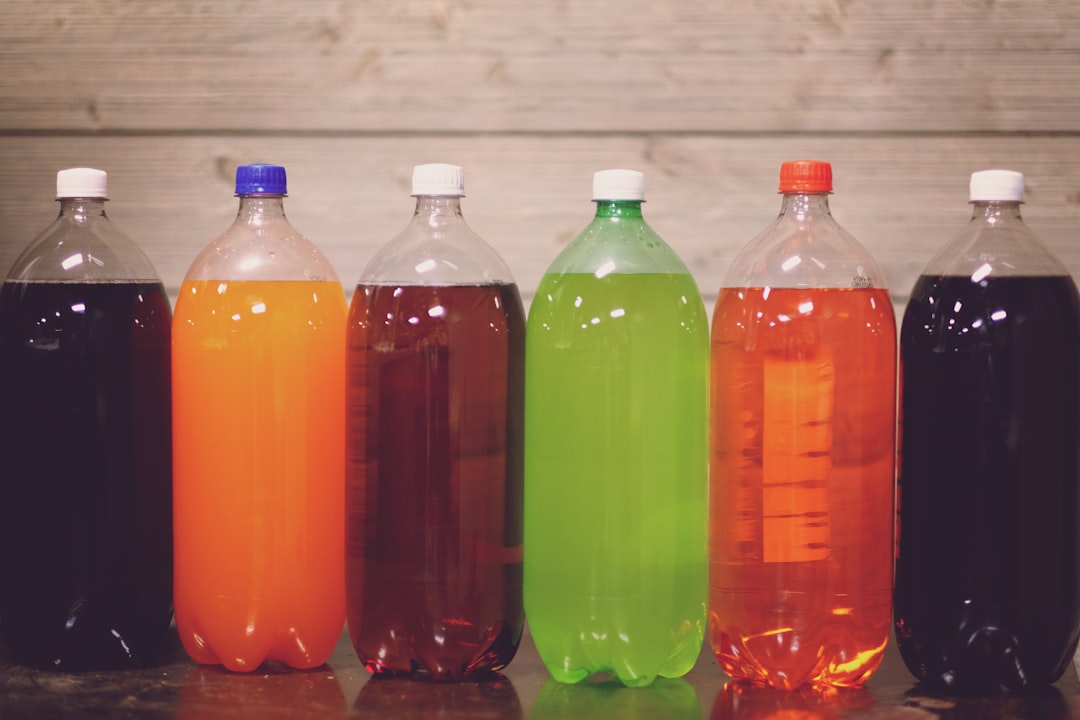


Soda syrups are a clever product that sidesteps some of the headaches of selling finished drinks. Instead of bottling a perishable beverage, you sell a concentrated flavored syrup that customers mix with sparkling water to make their own craft sodas at home. Because a syrup is high in sugar and often high in acid, it can be far more shelf-stable than a ready-to-drink beverage, which makes it easier to sell and store. A bottle costs a few dollars to make and sells for $10 to $18, and craft-soda fans, mocktail makers, and Italian-soda lovers reorder their favorite flavors. If you love flavor development and want a shelf-friendly beverage product, soda syrups are a smart niche.
The short version: Soda syrups are a concentrated flavored syrup customers mix with sparkling water to make sodas. Because they're high in sugar and often high in acid, they can be more shelf-stable than finished beverages, though rules still vary by state and some treat syrups as beverages. Confirm your state's rules first. A bottle costs $2 to $5 to make and sells for $10 to $18. Develop distinctive flavors, package attractively, and lean into the craft-soda and mocktail trend. Handle and preserve them properly for their type, and never assume they're sellable without checking your state.
This guide covers why soda syrups are easier than finished drinks, the legal and safety basics, cost and pricing, flavors, and how to reach craft-soda fans.
Soda syrups are easier to sell than finished drinks because a concentrated, high-sugar syrup is more shelf-stable and lighter to handle than a bottled, ready-to-drink beverage. You're selling flavor, not fizz, and letting the customer add the sparkling water, which sidesteps carbonation, pressure, and much of the perishability that makes finished sodas tricky. That difference is the whole appeal of the product.
Here's what makes them work:
The honest note: syrups still face beverage-adjacent rules in some states, and how shelf-stable yours is depends on how you make it, since a lower-sugar or fresh-fruit syrup may still need refrigeration. But compared to a finished, carbonated, perishable soda, a properly made syrup is far more forgiving to sell, store, and even ship, which is exactly why it's the smarter entry point into the beverage market.
Whether you can sell soda syrups under cottage food law depends on your state and how the syrup is made, because rules for beverages and syrups vary. A high-sugar, high-acid, properly made syrup is more likely to be treated as a shelf-stable product, but some states still classify syrups with beverages, so confirm your local rules.
A few points to keep straight:
Because the classification depends on your product and state, confirm your local rules before selling. Our overview of what foods you can sell under cottage food laws and the cottage food laws by state directory point you to your state's requirements, and the National Center for Home Food Preservation is an authoritative, university-backed resource on safe syrup preservation and shelf stability.
A bottle of soda syrup costs about $2 to $5 to make, with sugar, flavorings, and the bottle as your main expenses. Flavor ingredients like fruit, herbs, or extracts vary the cost, but the sugar base is cheap, which gives syrups a healthy margin.
Here's a realistic breakdown for one bottle (about 12 ounces, making many sodas):
| Item | Approx. cost per bottle |
|---|---|
| Sugar | $0.50 |
| Flavoring (fruit, herbs, extracts, citrus) | $1.20 |
| Acid and preservation as needed | $0.30 |
| Bottle and cap | $1.40 |
| Label | $0.35 |
| Energy | $0.30 |
| Total | $4.05 |
That bottle costs around $4 to make and sells for $10 to $18, an excellent margin, and each bottle makes many sodas, so customers see clear value. Flavor ingredients are your main variable cost, with premium or specialty flavors costing more and justifying a higher price. A batch yields several bottles, keeping your per-bottle labor modest, and buying sugar and bottles in bulk drops your cost further as you scale.
Where you can legally sell them, price soda syrups at $10 to $18 per bottle depending on size and ingredients, since each bottle makes many craft sodas. Customers understand that a quality craft syrup costs more than store-bought soda, and the value is obvious when they see how many drinks a bottle makes.
A pricing structure that works:
Gift sets and flavor variety are your best tools for raising the average order, and the craft-soda and mocktail trend supports premium pricing. If pricing your work fairly feels uncomfortable, read why charging what you're worth feels wrong, and see how vendors approach pricing specialty products. With a trendy, high-value product, price for the quality and creativity you bring.
The soda syrups that sell best combine familiar favorites with creative, craft-forward flavors that customers can't easily buy. Because the appeal is making unique sodas at home, your distinctive flavors are your product's identity.
Flavors that sell:
Ways to strengthen your line:
Sample your sodas at markets, letting customers taste a syrup mixed with sparkling water, since one sip sells the bottle. A creative, craft-forward lineup that customers can't find at the grocery store is what makes your syrups stand out and earn reorders.
Sell soda syrups through craft-soda fans, mocktail and cocktail makers, and gift shoppers, using sampling and the make-your-own-soda appeal. Soda syrups tap into the popular craft-beverage and mocktail trends, so your marketing should highlight the fun and quality of making sodas at home.
Ways to sell more:
Because a properly made syrup is more shelf-stable and even shippable, you can carry stock and fulfill reorders and gift orders more easily than with finished drinks. Managing those through DMs still gets messy, so a real storefront helps. Here's how to sell food online as a local vendor so your reorders and gift sets stay organized.
A shelf-friendly, trendy beverage product with reorder and gift demand fits an online storefront well. Homegrown is $10 a month with no percentage fees beyond standard payment processing, and it gives you an order page where customers browse your flavors, buy singles or sampler sets, and reorder favorites easily. Because a properly made syrup is more shelf-stable than a finished drink, you can fulfill from stock with less waste.
How it compares to the alternatives:
What Homegrown does well for a soda syrup vendor: a clean storefront that showcases your flavors, easy singles and sampler sets, effortless reorders, a customer list for announcing new flavors, and a fifteen-minute setup. What it doesn't do: it won't make or bottle your syrups, guarantee sales, or verify your state's rules. It gives a legal, shelf-friendly product a place to sell and be reordered. When your process and rules are set, you can set up your storefront and sell your syrups today.
The most common soda syrup mistakes are misjudging shelf stability and skipping the legal check, plus weak flavor differentiation. Because the product's ease depends on being properly made and classified, the errors that matter most involve preservation and rules.
Mistakes to avoid:
Getting these right keeps a smart, on-trend product both safe and easy to sell.
Whether you can sell soda syrups under cottage food law depends on your state and how the syrup is made, since rules for syrups and beverages vary. A high-sugar, high-acid, properly made syrup is more likely to be treated as a shelf-stable product, while some states classify syrups with beverages and add requirements. Confirm your state's specific rules before selling, and know whether your syrup is shelf-stable or perishable.
Soda syrups can be shelf-stable when made with enough sugar and acid, which is a big advantage over finished, perishable beverages. However, a low-sugar syrup or one made with fresh fruit may still need refrigeration. How you make and preserve the syrup determines its shelf stability, so know which type you're producing, label it accordingly, and follow safe preservation practices for a shelf-stable product.
Where it's legal to sell, soda syrup typically sells for $10 to $18 per bottle depending on size and ingredients, since each bottle makes many craft sodas. Premium and specialty flavors command the higher end. Customers understand a quality craft syrup costs more than store-bought soda, and the value is clear when they see how many drinks a bottle makes, so price for the quality and creativity you offer.
Customers use soda syrup to make homemade craft sodas by mixing it with sparkling water, and it also makes excellent Italian sodas with cream, mocktails, and cocktail mixers. This versatility is a strong selling point, since one bottle serves many uses and occasions. Positioning your syrups for sodas, mocktails, and cocktails helps customers see the value and gives you a broader, year-round market.
Classic flavors like cola and cream soda sell reliably, along with fruit sodas like raspberry and cherry, crisp citrus and ginger, and cafe-style Italian flavors like vanilla and hazelnut. Sophisticated botanical flavors like lavender and hibiscus make a strong premium tier. Offer both familiar and adventurous options, since the appeal is making unique sodas customers can't buy at the grocery store.
You can ship soda syrups if they're properly made to be shelf-stable, which is a real advantage over finished, perishable drinks, letting you reach customers beyond your local area. Confirm your syrup is genuinely shelf-stable and check your state's rules on shipping cottage foods before shipping across state lines. A refrigerated or fresh-fruit syrup, by contrast, would need cold-chain handling and is better sold locally.
Soda syrups are profitable because ingredient costs are moderate, each bottle makes many drinks, and they tap into the growing craft-soda and mocktail trend. A bottle costing $2 to $5 to make sells for $10 to $18. Profit comes from distinctive flavors, gift and sampler sets, and reorders, and the fact that a properly made syrup is more shelf-stable and shippable than a finished drink makes it easier to sell.
Soda syrups reward vendors who lean into the craft trend and get the details right: develop distinctive flavors, understand your syrup's shelf stability, confirm your state's rules, and sample the finished soda. Because a properly made syrup is more shelf-stable than a finished drink, it's one of the smartest ways into the beverage market. When your process and rules are set, set up a Homegrown storefront and start selling your soda syrups.



