
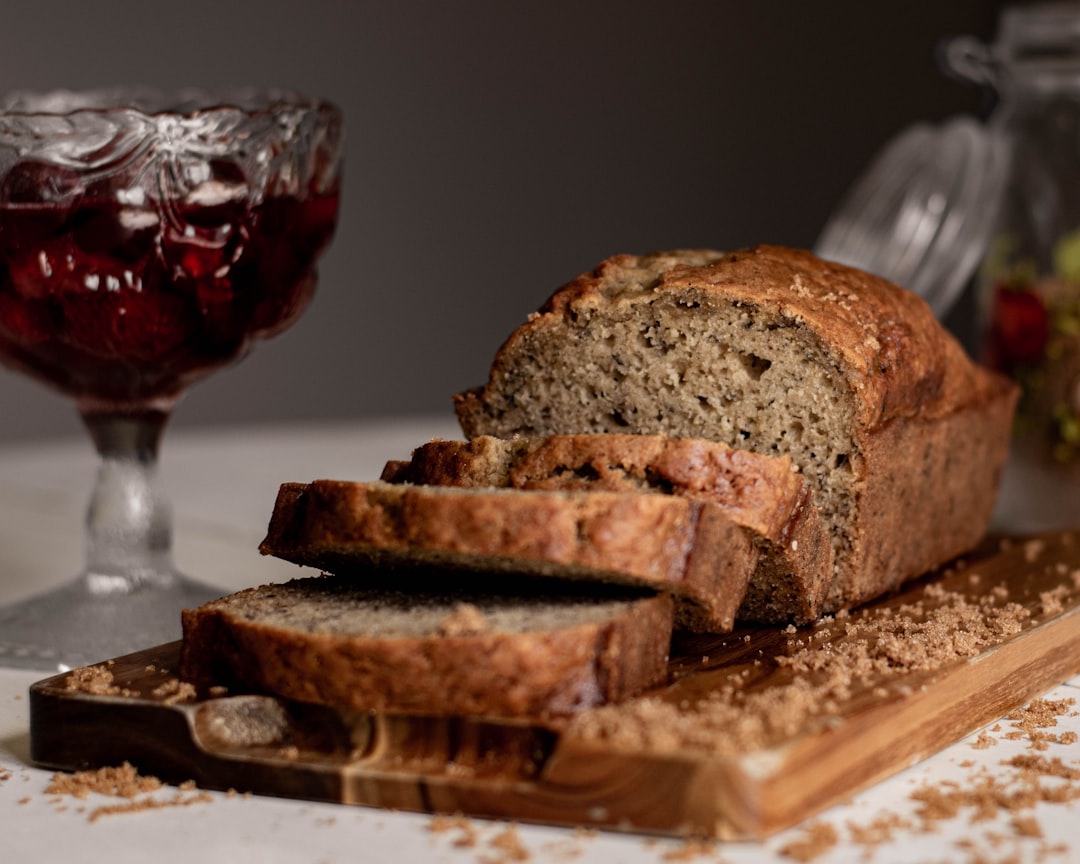


Quick breads are one of the most beginner-friendly products a home baker can sell, because they're forgiving to make, cheap to produce, and beloved across every season. Banana bread, zucchini bread, and pumpkin bread don't require the timing of yeast or the precision of decorated cakes. You mix, pour, and bake. That simplicity, combined with strong seasonal demand and gift appeal, makes quick breads a smart first product or a reliable staple in a bigger lineup.
The short version: Quick breads are legal to sell under cottage food law in nearly every state because they're shelf-stable baked goods. They're cheap and forgiving: a loaf costs $1.50 to $3 to make and sells for $8 to $15, with mini loaves and gift sets earning more. Lean into seasonal flavors, banana year-round, zucchini in summer, and pumpkin in fall, and sell mini loaves for gifting. Take pre-orders so you bake to demand, and your two easiest wins are seasonal timing and packaging that makes a humble loaf feel like a gift.
This guide covers why quick breads sell, the real costs and pricing, the seasonal flavors that move, and how to turn a simple loaf into a giftable, repeat-order product.
Quick breads are a great product because they're easy to make consistently, cost very little, and sell across every season and occasion. Unlike yeast breads that demand timing and technique, quick breads are leavened with baking soda or powder, so they're forgiving for newer bakers and fast to produce in batches. That reliability, paired with broad appeal, makes them a low-risk product to build on.
Here's why they work for a home vendor:
The one honest note: quick breads are a lower-price product than decorated cakes, so your money comes from volume, gift sets, and mini loaves rather than high per-item prices. The vendors who profit sell them in smart formats and lean into seasonal demand.
Quick breads are legal to sell from a home kitchen under cottage food law in nearly every state, because they're shelf-stable baked goods. Cottage food laws are written for exactly this kind of low-risk item. Banana, zucchini, and pumpkin breads are all fine, as long as you avoid perishable additions and label properly.
A few points to keep straight:
Every state sets its own allowed-foods list and sales cap, so confirm your local rules. Our overview of what foods you can sell under cottage food laws and the cottage food laws by state directory point you to the specifics where you live.
A standard loaf of quick bread costs about $1.50 to $3 in ingredients, making it one of the cheapest baked goods to produce. The base is inexpensive pantry staples plus seasonal produce that's often cheap or even free when you use overripe bananas or a summer glut of zucchini.
Here's a realistic breakdown for one loaf:
| Ingredient | Approx. cost per loaf |
|---|---|
| Flour, sugar, eggs, oil | $1.20 |
| Bananas / zucchini / pumpkin | $0.60 |
| Add-ins (nuts, chocolate, spices) | $0.60 |
| Packaging (loaf box or wrap, label) | $1.20 |
| Energy | $0.50 |
| Total | $4.10 |
Notice that packaging is a large share of the cost on a low-priced item. That's why presentation matters so much with quick breads: a plain loaf in nice packaging with a good label can sell for two to three times a bare loaf. Sell that $4 loaf at $10 and you have a healthy margin, and mini loaves and gift sets push it higher. Your labor is modest compared to decorated goods, which is a big part of what makes quick breads profitable per hour.
Price full loaves at $8 to $15, mini loaves at $4 to $7, and gift sets or bundles higher, adjusting for premium add-ins and seasonal demand. Quick breads are an approachable, everyday product, so your pricing should feel fair while still respecting your ingredient and packaging costs. The money is in formats and volume.
A pricing structure that works:
Sell mini loaves and sets to lift your average order, since a single full loaf leaves money on the table. If pricing your work fairly feels uncomfortable, read why charging what you're worth feels wrong, and see how vendors approach pricing baked goods more broadly. Even a low-cost product should pay you for your time.
The quick bread flavors that sell best follow the seasons: banana bread year-round, zucchini bread in summer, and pumpkin bread in fall, with add-ins and mini formats driving extra sales. Because quick breads tie so naturally to the calendar, timing your flavors to the season is the single biggest lever for sales.
Flavors and their seasons:
Formats that boost sales:
Rotate one or two seasonal flavors around your banana staple rather than keeping a dozen on offer. A tight, seasonal menu keeps your baking efficient and your loaves fresh, and it gives customers a reason to come back as the flavors change. Banana, zucchini and pumpkin loaves keep about 3 to 5 days wrapped and 2 to 3 months frozen, so knowing how long homemade bread lasts also tells you how far ahead a holiday batch can be baked.
Sell quick breads as gifts by packaging them beautifully and marketing them for holidays, teacher appreciation, hostess gifts, and corporate gifting. A quick bread is humble on its own, but wrapped well with a nice label and a ribbon, it becomes a thoughtful gift people happily buy for others. This gift angle is where quick breads earn real money.
Ways to sell them as gifts:
Managing gift orders, especially seasonal rushes, through DMs gets chaotic fast. A real order page that captures the flavor, the pickup date, and any gift message keeps orders straight during your busy holiday windows. Here's how to sell food online as a local vendor so your gift season runs smoothly.
Quick breads sell in volume and spike hard around holidays, which makes order organization the difference between a smooth season and a stressful one. Homegrown is $10 a month with no percentage fees beyond standard payment processing, and it gives you an order page where customers pick their flavors, choose mini loaves or gift sets, select a pickup time, and pay before you bake. You walk into a holiday baking day with an exact order count instead of guessing.
How it compares to the alternatives:
What Homegrown does well for a quick bread vendor: pre-orders so you bake to an exact count, gift options and pickup scheduling that keep holiday orders straight, a customer list for seasonal announcements, and a fifteen-minute setup. What it doesn't do: it won't bake for you, guarantee foot traffic, or deliver. It keeps your volume and your seasonal rushes organized. When you're ready, you can set up your storefront and take quick bread orders today.
The most common quick bread mistakes come from underpricing and weak presentation, which turn a profitable product into a break-even one. Because quick breads are a lower-priced item, small missteps in pricing and packaging eat directly into your margin.
Mistakes to avoid:
Avoiding these keeps a low-cost, forgiving product genuinely profitable per hour of your time.
In most states you can sell quick breads like banana, zucchini, and pumpkin bread under cottage food law without a business license, because they're shelf-stable baked goods. Some states require a simple registration or food handler's card, and a few require a home-kitchen inspection. Check your specific state's cottage food rules first, since requirements range from nothing to a basic permit.
A full loaf of banana bread typically sells for $8 to $15, with mini loaves at $4 to $7 and gift sets priced higher. Premium add-ins like nuts or chocolate and peak seasonal demand can push prices up. Since ingredients cost only $1.50 to $3 a loaf, quick breads offer strong margins, especially when you sell mini loaves and gift bundles to raise your average order.
Quick breads stay fresh at room temperature for three to four days when wrapped well, and they freeze beautifully for up to three months. Their moisture actually improves flavor over the first day, and the National Center for Home Food Preservation offers reliable, university-backed guidance on freezing baked goods to keep them at their best. Because they freeze so well, you can bake ahead and pull loaves as orders come in. Label loaves with a best-by date and let customers know they can freeze extras.
Plain and glazed pumpkin bread is fine under cottage food law, but pumpkin bread with cream cheese frosting may not qualify, because cream cheese can require refrigeration and push the product into perishable-food territory. For cottage sales, stick to plain, glazed, or streusel-topped loaves. If you want to offer a cream cheese version, check whether your state allows it before selling.
Banana bread sells year-round as a reliable staple, zucchini bread peaks in summer when gardens overflow, and pumpkin bread dominates fall from September through the holidays. Lemon and berry loaves suit spring, while cranberry and gingerbread loaves sell in winter. Timing your flavors to the season is the biggest driver of quick bread sales, so rotate seasonal options around your banana staple.
Package quick breads in kraft loaf boxes or parchment wrap with a ribbon and a clean label for a gift-worthy presentation, since packaging is what lets a humble loaf sell at a premium. Include your name, address, ingredients, and allergen statement on the label, and note nuts clearly. Good presentation is especially important because it turns an everyday loaf into a thoughtful, giftable product.
Quick breads are profitable because they're cheap to make, quick to produce, and require no special decorating skill, so your profit per hour is strong even at modest prices. The money comes from volume, mini loaves, gift sets, and seasonal demand rather than high per-item prices. Vendors who package well and lean into seasonal flavors turn a simple loaf into a dependable earner.
Quick breads reward vendors who play to their strengths: keep quality consistent, package for gifting, time flavors to the season, and sell mini loaves and sets to lift each order. Do that and a humble loaf becomes a profitable, repeat-order staple. When you're ready to keep your seasonal rushes organized, set up a Homegrown storefront and take quick bread orders in one place.



