
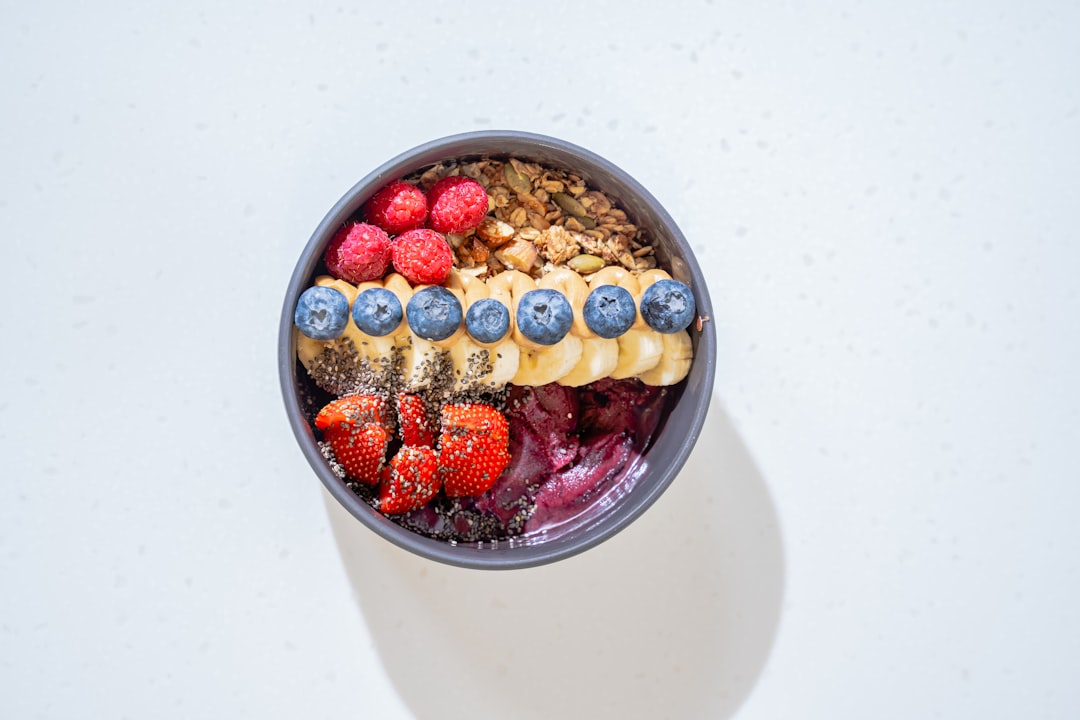


Muesli is a smart, underserved product for a home vendor, because it's shelf-stable, healthy, and different enough from granola to stand on its own. Where granola is baked and sweet, muesli is a raw blend of oats, nuts, seeds, and dried fruit with little or no added sugar, which appeals to a health-focused customer who often can't find a good local option. A bag of muesli costs a few dollars to make and sells for $8 to $14, and health-minded customers reorder the blend they love.
The short version: Muesli is legal to sell from home under cottage food law in essentially every state, because it's a dry, shelf-stable mix of oats, nuts, seeds, and dried fruit. It stands apart from granola by being raw and low in added sugar, which appeals to health-conscious buyers. A bag costs $2 to $4 to make and sells for $8 to $14. Build a few distinct blends, package them well, label ingredients and allergens (especially nuts), and market to the health and breakfast crowd. Because it's dry and shelf-stable, you make to stock with no waste.
This guide covers what sets muesli apart, the legal and labeling rules, how to build blends and price them, and how to reach health-focused customers.
Muesli is different from granola because it's raw rather than baked, and it's typically much lower in added sugar and oil. Granola is oats and add-ins baked with sweetener and fat into crunchy clusters. Muesli is the same kinds of ingredients left raw and loose, meant to be eaten with milk or yogurt, soaked overnight, or made into overnight oats. That difference is your entire selling point, because it gives health-conscious customers a genuinely distinct option.
Here's why muesli works as its own product:
The honest note: muesli is a smaller, more health-minded niche than granola, so you're marketing to a specific customer rather than a mass sweet-tooth audience. But that customer is loyal, values quality ingredients, and reorders, and the lack of local competition works in your favor.
Muesli is legal to sell from home under cottage food law in essentially every state, because it's a dry, shelf-stable mix of low-risk ingredients. Dry cereals and grain mixes appear on virtually every state's allowed-foods list, similar to granola and trail mix. Your main responsibilities are accurate labeling and keeping the blend dry.
A few points to keep straight:
Every state sets its own rules and sales cap, so confirm your local requirements. Our overview of what foods you can sell under cottage food laws and the cottage food laws by state directory point you to the specifics where you live.
A bag of muesli costs about $2 to $4 to make, driven mostly by nuts, seeds, and dried fruit, which cost more than the oat base. Buying these ingredients in bulk lowers your per-bag cost meaningfully, which is the key to healthy margins on muesli.
Here's a realistic breakdown for one bag (about 12 to 16 ounces):
| Item | Approx. cost per bag |
|---|---|
| Oats (base) | $0.60 |
| Nuts and seeds | $1.40 |
| Dried fruit | $0.90 |
| Bag or jar | $0.90 |
| Label | $0.35 |
| Total | $4.15 |
That bag costs around $4 to make and sells for $8 to $14, a solid margin that improves as you buy ingredients in bulk. Nuts and dried fruit are your main cost, so a premium blend heavy on those will cost more to produce and should be priced accordingly. Labor is minimal, since mixing and bagging a batch goes quickly, which keeps your profit per hour strong for a healthy, shelf-stable product.
Price muesli at $8 to $14 a bag depending on size and ingredients, with premium blends heavy on nuts and specialty fruit at the higher end. Health-focused customers understand that quality ingredients cost more, and muesli's low competition means you're not fighting a race to the bottom on price.
A pricing structure that works:
Because muesli is a breakfast staple for its fans, standing and reorder customers are your bread and butter, so make it easy to rebuy a favorite. If pricing your work fairly feels uncomfortable, read why charging what you're worth feels wrong, and see how vendors approach pricing shelf-stable products. With a health-minded audience and little competition, price for quality rather than the lowest number.
Build distinct muesli blends by varying the base grains, nuts, seeds, and dried fruit to serve different tastes and dietary needs. Because muesli is endlessly customizable, a thoughtful lineup of a few clearly different blends gives customers reasons to choose you and to try more than one.
Blend directions that sell:
Choices that strengthen your line:
Test your blends and get feedback from health-minded eaters. For guidance on storing dried ingredients so your blends stay fresh, the National Center for Home Food Preservation is a reliable, university-backed resource. A focused, quality-driven line that clearly differs from granola is what earns loyalty in this niche.
Reach muesli customers through health-focused communities, breakfast lovers, and specialty-food shoppers, emphasizing the low-sugar, quality-ingredient story. Your customers care about what they eat, so your marketing should highlight what makes muesli a healthier, more wholesome choice than sugary cereals and granolas.
Ways to find your customers:
Because muesli is shelf-stable, you can carry stock and fulfill reorders easily. Managing reorders and subscriptions through DMs still gets messy, so a real storefront where customers rebuy their favorite blend helps. Here's how to sell food online as a local vendor so daily-staple reorders are effortless.
A healthy, shelf-stable, daily-staple product with reorder demand fits an online storefront perfectly. Homegrown is $10 a month with no percentage fees beyond standard payment processing, and it gives you an order page where customers browse your blends, buy singles or sets, and reorder their favorite easily. Because your product is dry and shelf-stable, you fulfill from stock with no waste.
How it compares to the alternatives:
What Homegrown does well for a muesli vendor: a clean storefront that showcases your blends, easy reorders and standing orders, a customer list for announcing new blends, and a fifteen-minute setup. What it doesn't do: it won't blend or bag your muesli, guarantee sales, or ship for you. It gives your healthy, shelf-stable product a place to sell and be reordered. When you're ready, you can set up your storefront and sell your muesli today.
The most common muesli mistakes are failing to differentiate from granola and making claims you can't back up. Because muesli's whole appeal is being a healthier, distinct alternative, the errors that hurt most blur that difference or break the trust of a label-reading audience.
Mistakes to avoid:
Getting these right earns loyalty in an underserved, quality-conscious niche.
In essentially every state you can sell muesli under cottage food law without a special license, because it's a dry, shelf-stable mix of low-risk ingredients that appears on virtually every allowed-foods list. Some states require a simple registration or food handler's card. Check your state's cottage food rules, but dry cereal blends like muesli are one of the lower-hurdle products you can sell.
Muesli is a raw, loose mix of oats, nuts, seeds, and dried fruit, typically low in added sugar, while granola is baked with sweetener and oil into crunchy clusters. Muesli is eaten with milk or yogurt or soaked overnight, and its lower sugar and lack of baking oil make it appeal to health-conscious customers. This distinction is muesli's main selling point in a market saturated with granola.
Homemade muesli stays good for several months when kept dry and sealed away from heat and moisture, because it's a dry mix of shelf-stable ingredients. The nuts can eventually go rancid, so freshness and proper storage matter for quality. Label your bags with a best-by date, and advise customers to store muesli in a cool, dry, sealed container for the best flavor.
You can label muesli gluten-free only if you use certified gluten-free oats and avoid cross-contamination, because oats are naturally gluten-free but are frequently cross-contaminated with wheat during processing. If you use standard oats, don't make a gluten-free claim. Given that many health-focused customers avoid gluten, offering a genuinely gluten-free blend with certified oats can be a strong point of difference.
A bag of homemade muesli typically sells for $8 to $14 depending on size and ingredients, with premium blends heavy on nuts and specialty fruit at the higher end. Since a bag costs $2 to $4 to make, margins are healthy. Muesli's health-focused audience and low local competition mean you can price for quality rather than competing on the lowest number.
A classic blend of oats, nuts, seeds, and raisins is the reliable staple, while tropical, berry, high-protein, and gluten-free blends serve different tastes and needs. Superfood add-ins like chia, hemp, or cacao nibs make a strong premium tier. Keep a focused line of four to six distinct blends so customers can easily choose and try more than one without overwhelming your production.
Muesli is profitable because it's shelf-stable with no spoilage, ingredient costs are moderate, and its health-focused audience reorders faithfully with little local competition. A bag that costs $2 to $4 to make sells for $8 to $14. Profit comes from quality blends, reorders and subscriptions, and premium pricing that a label-reading, health-minded customer base readily accepts.
Make muesli that stands out by using quality nuts, seeds, and dried fruit, balancing flavors and textures, and giving each blend a clear identity. Because the base is simple, your ingredient quality and thoughtful combinations are what set you apart. Offering blends for specific needs, like high-protein or gluten-free, and using premium touches like superfood add-ins for a top tier, helps your muesli feel distinct in a market crowded with granola.
Muesli rewards vendors who own its distinct, healthy identity: build focused, quality blends that clearly differ from granola, keep them dry and shelf-stable, price for a health-minded audience, and make daily-staple reorders effortless. With little local competition, it's a low-stress, loyal-customer product. When you're ready to showcase your blends and make reorders easy, set up a Homegrown storefront and start selling your muesli.



