
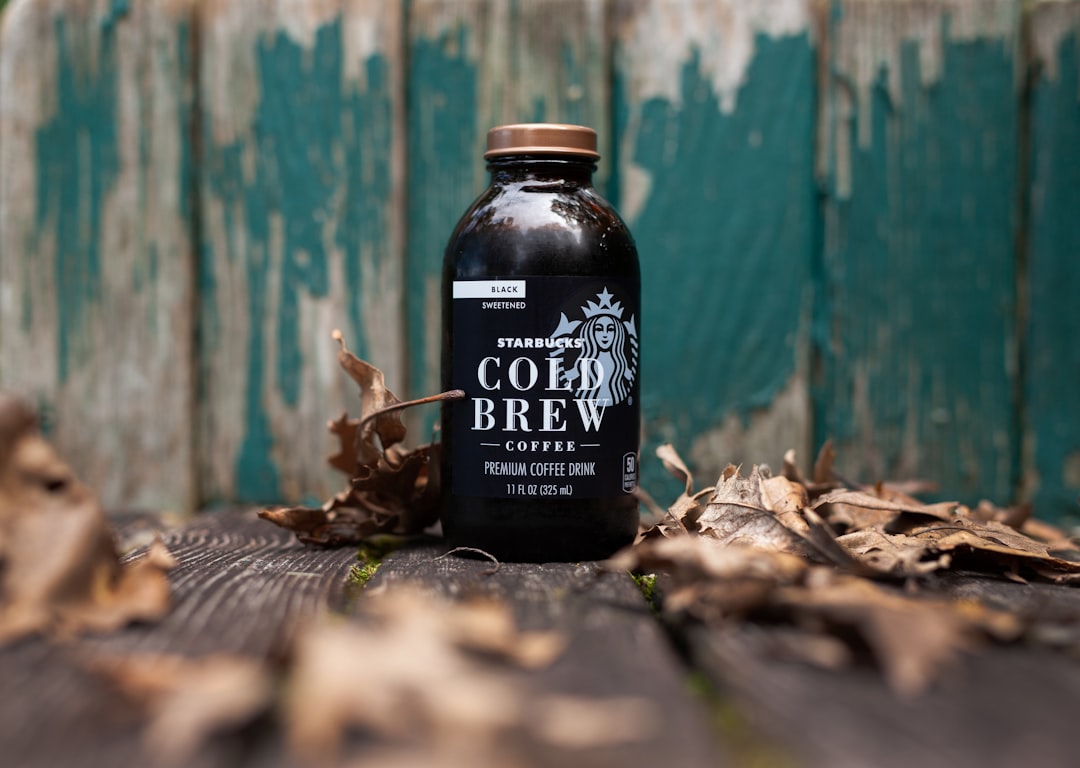


Cold brew coffee concentrate is a product with real demand and real margins, but it comes with rules most coffee guides skip. Unlike a bag of roasted beans, cold brew concentrate is a ready-to-drink beverage that usually needs refrigeration, and that changes how it's regulated and handled. Get the safety and the rules right, and a bottle of smooth, low-acid cold brew concentrate that costs about $5 to $8 a 16-ounce bottle to make, once you count the beans, the bottle and your time, sells for $12 to $15, with loyal customers reordering weekly. Get it wrong, and you risk both safety problems and running afoul of beverage rules. Here's how to sell cold brew concentrate the right way.
The short version: Cold brew concentrate is a refrigerated beverage, so its legality for home sale varies more than shelf-stable products, and some states restrict or exclude refrigerated and bottled drinks. It's also a low-acid product, which means proper refrigeration and short shelf life matter for safety. Confirm your state's rules on beverages first. Where allowed, cold brew is a premium, reorder-friendly product. Prioritize cold storage, honest dating, and clean handling, and never assume it's sellable just because coffee is popular. Roasted beans are an easier, shelf-stable alternative if the beverage path is too restricted.
This guide covers the legal and safety realities first, then how to make quality concentrate, price it, and reach coffee-loving customers.
Whether you can legally sell cold brew concentrate from home varies by state, because it's a refrigerated, ready-to-drink beverage rather than a shelf-stable food. Cottage food laws are built around shelf-stable, low-risk items, and a refrigerated coffee beverage often falls outside them or comes with specific requirements.
Here's what makes it complicated:
Because refrigerated beverages are a gray area, start by asking your state's cottage food or health agency specifically about ready-to-drink coffee. Our overview of what foods you can sell under cottage food laws and the cottage food laws by state directory are starting points, but for a refrigerated beverage, direct confirmation is essential. The FDA's guidance on foodborne illness is a reminder of why refrigerated, low-acid products carry stricter handling rules than shelf-stable foods.
Customers love cold brew concentrate because it's smooth, low-acid, convenient, and lets them make cafe-quality iced coffee at home for less. Cold brew's popularity has exploded, and a good local concentrate that's fresher and more customizable than store-bought has a genuinely loyal following.
Here's why it has such devoted customers:
The honest reality: cold brew concentrate is a niche product with real handling and regulatory requirements, and the legal question is often decisive. It's not a grab-and-go shelf-stable item, and it needs constant refrigeration and a short shelf life. Where it's allowed, though, the passionate coffee audience and premium positioning reward a careful producer, and the reorder demand builds steady income.
You make cold brew concentrate by steeping coarsely ground coffee in cold water for 12 to 24 hours, then filtering it into a smooth, strong concentrate. The process is simple, but quality and safety depend on good beans, clean handling, and proper cold storage.
The basics of production:
Cleanliness and cold storage are essential, since cold brew is a perishable, low-acid product. Keep everything refrigerated, use clean equipment, and give customers a clear use-by date. Because low-acid refrigerated foods carry real safety considerations, follow sound food-safety practices throughout, and never leave concentrate at room temperature. The National Center for Home Food Preservation is a reliable, university-backed resource on safe handling and storage of homemade foods. Quality beans and clean, cold handling are what make your cold brew both safe and worth a premium.
Where you can legally sell it, price cold brew concentrate at $8 to $16 per bottle depending on size, since a concentrate makes many servings and rivals coffee-shop prices. Customers understand that quality cold brew costs more than drip coffee, and a concentrate's value is clear when they see how many drinks it makes. Before you settle on a number, remember that 12 ounces of coffee and 64 ounces of water make only about 45 ounces of concentrate, which is why our cold brew pricing guide with the cost of every bottle size puts a 16-ounce bottle of specialty cold brew at $8.19 to make and $15 to sell.
A pricing approach that works:
Because cold brew is a reorder product, subscriptions and standing orders are especially valuable for steady income. If pricing your work fairly feels uncomfortable, read why charging what you're worth feels wrong, and see how vendors approach pricing specialty products. The main constraint on a cold brew business is legality and handling, not pricing, since coffee lovers happily pay for quality.
You can vary cold brew concentrate with different beans, flavors, and formats, but if the refrigerated-beverage path is too restricted, roasted coffee beans are a shelf-stable alternative. Offering variety keeps customers engaged, while the beans option lets you serve the coffee market even where concentrate isn't permitted.
Variations that appeal to customers:
An easier, shelf-stable alternative:
If your state restricts refrigerated beverages, selling beans or brew-your-own kits lets you serve coffee lovers without the regulatory and handling hurdles of finished concentrate. It's worth considering before committing to the more involved refrigerated-beverage route.
Where it's legal, reach cold brew customers through coffee lovers, health-focused drinkers, and convenience seekers, emphasizing freshness, quality, and the low-acid smoothness. Your customers care about their coffee, so lead with the quality and the local, fresh advantage over store-bought.
Ways to find your customers:
Managing a refrigerated, reorder-driven beverage through DMs is difficult, especially with subscriptions. A real ordering system that handles recurring orders and pickups keeps regulars supplied. Here's how to sell food online as a local vendor so your reorders and subscriptions stay organized.
Where it's legal, a reorder-driven, subscription-friendly beverage fits an online storefront well. Homegrown is $10 a month with no percentage fees beyond standard payment processing, and it gives you an order page where customers browse your concentrates or beans, choose bottles or subscriptions, schedule pickups, and reorder easily. That suits both a fresh refrigerated concentrate and shelf-stable beans.
How it compares to the alternatives:
What Homegrown does well for a cold brew vendor: an order page for bottles, beans, and subscriptions, pickup scheduling for a fresh product, a customer list for your regulars, and a fifteen-minute setup. What it doesn't do: it won't make you legal to sell refrigerated beverages (that's your state's rules), brew or bottle for you, or handle cold-chain shipping. It gives a legal product a place to sell and be reordered. When your legal path is confirmed, you can set up your storefront and sell your cold brew.
The most serious cold brew mistakes are assuming it's legal and mishandling a perishable, low-acid product. Because it's a refrigerated beverage with real safety considerations, the errors that hurt most skip the legal check or the cold-storage basics.
Mistakes to avoid:
Getting these right keeps you compliant and delivers a safe, quality product to a loyal coffee audience.
Whether you can legally sell cold brew concentrate from home varies by state, because it's a refrigerated, ready-to-drink beverage rather than a shelf-stable food, and many cottage food laws exclude or restrict such products. Cold brew is also low-acid, which carries food-safety considerations. Ask your state's cottage food or health agency specifically about ready-to-drink coffee before selling, since this is a genuine gray area that varies by location.
Cold brew concentrate is regulated differently because it's a refrigerated, ready-to-drink, low-acid beverage, while roasted coffee beans are shelf-stable and low-risk. The finished beverage is perishable and must stay cold, and low-acid refrigerated products carry food-safety considerations that regulators treat carefully. This is why concentrate often falls outside cottage food allowances while beans are generally easy to sell, and why beans can be an easier alternative.
Cold brew concentrate lasts about two weeks refrigerated, since it's a perishable, low-acid beverage that must be kept cold. Give every bottle a clear use-by date within that window, and advise customers to keep it refrigerated. Because it's perishable rather than shelf-stable, treat it like a fresh product, never leaving it at room temperature, and make to order or in small batches to ensure freshness and reduce waste.
Where it's legal to sell, cold brew concentrate typically sells for $8 to $16 per bottle depending on size, since a concentrate makes many servings and rivals coffee-shop prices. Coffee lovers understand quality cold brew costs more than drip coffee. Subscriptions and multi-packs help build steady revenue from a product regulars go through quickly, and the value is clear when customers see how many drinks each bottle makes.
Selling roasted coffee beans is a much easier, shelf-stable alternative to cold brew concentrate, since beans avoid the refrigerated-beverage rules and handling entirely. You can also sell cold brew bags or kits, coarse coffee in a filter bag for customers to brew themselves, which sidesteps selling a finished refrigerated product. If your state restricts refrigerated beverages, beans or kits let you serve coffee lovers without the regulatory and handling hurdles.
Make cold brew concentrate safely by using clean equipment, steeping coarsely ground coffee in cold water while refrigerated, filtering thoroughly, and bottling and refrigerating immediately. Because it's a perishable, low-acid product, keep everything cold and never leave concentrate at room temperature. Give each bottle a short use-by date, follow sound food-safety practices, and make in small batches so your product is always fresh and properly handled.
Shipping cold brew concentrate is impractical and risky because it's a perishable, refrigerated, low-acid beverage that needs cold-chain handling. Most cold brew vendors focus on local pickup and delivery, where they can control temperature and freshness. If you want to reach customers beyond your area, selling shelf-stable roasted beans or brew-your-own kits is a far more shippable option that avoids the cold-chain and safety challenges of finished concentrate.
Where it's legal, you can sell cold brew concentrate through an online storefront for local pickup and delivery, at farmers markets with refrigeration, and to local offices or cafes, focusing on channels where you control the cold chain. Because it's perishable and refrigerated, local sales are the realistic route, not shipping. If your state restricts refrigerated beverages, selling shelf-stable roasted beans or brew-your-own kits opens up markets, events, and shipping that finished concentrate can't reach.
Cold brew concentrate is a product where the rules and the safety come first: because it's a refrigerated, low-acid beverage, confirm your state's stance on ready-to-drink coffee, keep it cold at every step, and date it clearly, or consider shelf-stable beans as an easier path. Where it's allowed, it's a premium, reorder-friendly product with a devoted coffee audience. Once your legal path is clear, set up a Homegrown storefront and sell your cold brew or beans to the customers who love good coffee.



