
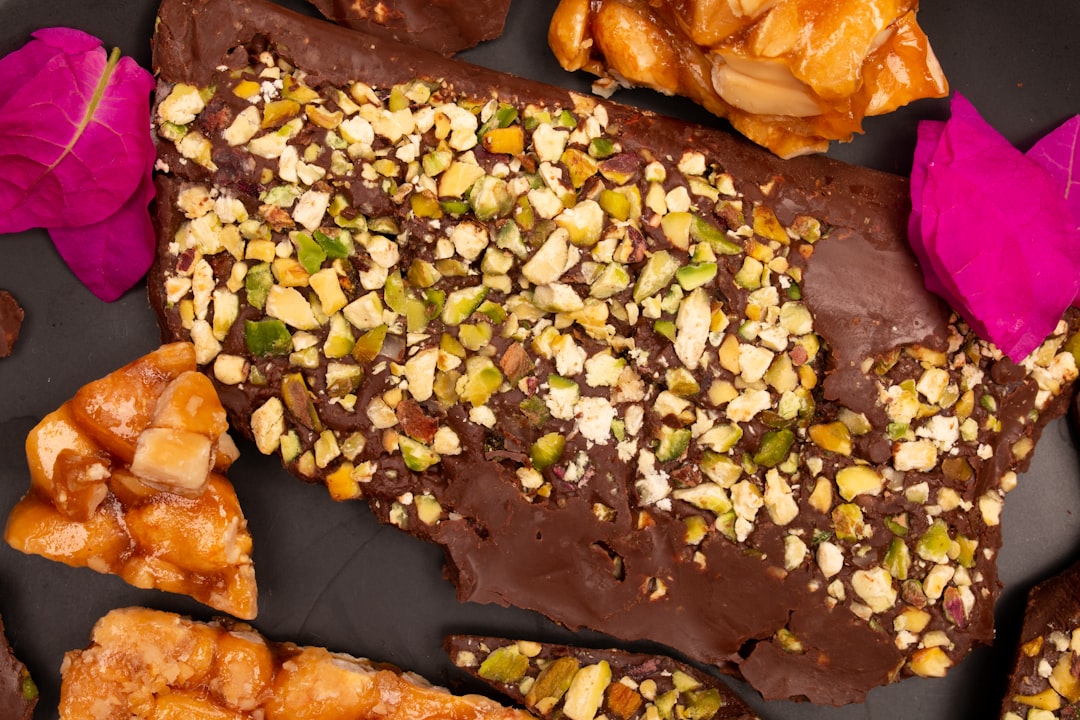


Chocolate bark is one of the easiest premium confections a home vendor can make, and one of the most giftable. It's simply melted chocolate spread thin, topped with nuts, fruit, candy, or sea salt, then broken into rustic pieces. There's no candy thermometer required and no complicated technique, yet a batch of quality bark sells for $10 to $18 a bag or box. Because it's a shelf-stable candy, it's cottage-food-legal almost everywhere, and its endless topping combinations and gift appeal make it a favorite for markets, holidays, and corporate gifting. If you want a beautiful, high-margin product that's genuinely simple to make, chocolate bark is hard to beat.
The short version: Chocolate bark is legal to sell from home under cottage food law in nearly every state, because chocolate confections are a shelf-stable, low-risk category. A batch costs a few dollars to make and sells for $10 to $18. It's easy to make, endlessly customizable with toppings, and sells beautifully as a gift, especially around the holidays. Use quality chocolate, temper it or use coating chocolate for a good snap, label nuts and dairy allergens, and lean into gifting and seasonal demand. Because it's shelf-stable, you make to stock with little waste.
This guide covers why chocolate bark sells, the legal and allergen basics, cost and pricing, how to get a good result, and how to reach gift and holiday buyers.
Chocolate bark is a great product because it's simple to make, endlessly customizable, and beautifully giftable, with strong margins and broad appeal. Unlike brittle or hard candy, bark requires no high-temperature sugar cooking, so it's forgiving for newer candy makers. Its rustic, topping-covered look photographs beautifully and feels premium, which makes it a natural gift.
Here's what makes it work:
The honest note: chocolate is temperature-sensitive, so quality depends on either tempering your chocolate or using coating chocolate for a good snap and shelf-stable finish, and bark should be kept cool. It's also a seasonal product with a big fourth-quarter peak. But the simplicity, customization, and gift appeal make it one of the most approachable and profitable confections you can sell.
Chocolate bark is legal to sell from home under cottage food law in nearly every state, because chocolate confections are a shelf-stable, low-risk food category. Chocolate candy appears on virtually every state's allowed-foods list. Your main responsibilities are accurate allergen labeling and keeping the product properly made and stored.
A few points to keep straight:
Every state sets its own rules and sales cap, so confirm your local requirements. Two states break the easy picture for bark: New York's home processor rules prohibit almond bark and tempered chocolate for coating, and Wisconsin's home exemption covers only baked goods, as our check of 10 states' homemade chocolate rules lays out. Our overview of what foods you can sell under cottage food laws and the cottage food laws by state directory point you to the specifics where you live.
A batch of chocolate bark costs about $3 to $6 to make depending on the chocolate and toppings, with quality chocolate as your main expense. Better chocolate costs more but is part of what justifies a premium price, and toppings let you create high-value versions.
Here's a materials breakdown for a batch that yields about three gift bags:
| Item | Approx. cost per batch |
|---|---|
| Chocolate (quality couverture or coating) | $3.00 |
| Toppings (nuts, fruit, candy, sea salt) | $1.80 |
| Packaging (bags or boxes, labels) | $2.40 |
| Total | $7.20 |
That batch costs around $7 and yields several bags selling for $10 to $18 each, an excellent margin. Quality chocolate is your biggest ingredient cost, and it's worth it, since bark lives or dies on the chocolate. A batch is fast to make and yields multiple bags, keeping your per-bag labor low. Buying chocolate and toppings in bulk, especially heading into the holidays, drops your cost and lets you produce efficiently for your peak season.
Price chocolate bark at $10 to $18 per bag or box depending on size, chocolate quality, and toppings, with gift boxes and premium versions at the higher end. Bark supports premium pricing because it looks and feels gourmet and makes an obvious gift, so price for the quality and presentation you deliver.
A pricing structure that works:
Gift boxes and premium versions are your best tools for raising the average order, and corporate holiday gifting can bring large orders. If pricing your work fairly feels uncomfortable, read why charging what you're worth feels wrong, and see how vendors approach pricing confections and treats. With gourmet appeal and quality chocolate, price confidently.
You make great chocolate bark by using quality chocolate, tempering it or using coating chocolate for a proper snap and shelf-stable finish, and topping it thoughtfully. The technique is simple, but a few choices separate professional bark from a soft, dull batch.
Steps that produce great bark:
Choose your chocolate route based on your skill and goals: coating chocolate is beginner-friendly and shelf-stable, while tempered couverture offers the best flavor and snap. Keep bark cool, since chocolate softens in heat. For guidance on storing chocolate and homemade foods properly, the National Center for Home Food Preservation is a reliable, university-backed resource. A good snap, quality chocolate, and thoughtful toppings are what make your bark look and taste premium.
The chocolate bark flavors that sell best combine a base chocolate with appealing, colorful toppings, and seasonal themes drive big demand. Because bark is visual and giftable, your topping combinations and seasonal designs are your product's identity.
Combinations that sell:
Seasonal themes that boost sales:
Keep a few reliable core combinations and rotate seasonal designs, since seasonal bark drives strong gift demand. Sample and display attractively, since bark sells on its gourmet looks. A thoughtful, seasonal lineup with quality chocolate and eye-catching toppings is what makes bark a standout gift.
Sell chocolate bark through gift shoppers, holiday demand, and corporate gifting, using beautiful packaging and seasonal designs. Bark is a gift and impulse product with a big holiday peak, so your presentation and seasonal marketing drive most of your sales.
Ways to sell more:
Because bark is shelf-stable when kept cool, you can carry stock and fulfill gift and reorder demand easily, especially heading into the holidays. Managing gift and corporate orders through DMs gets messy, so a real storefront helps. Here's how to sell food online as a local vendor so your gift and holiday season runs smoothly.
A giftable, seasonal confection with corporate and holiday demand fits an online storefront well. Homegrown is $10 a month with no percentage fees beyond standard payment processing, and it gives you an order page where customers browse your bark flavors and gift boxes, buy singles or sets, submit corporate gift orders, and reorder favorites easily. Because your product is shelf-stable when kept cool, you make to stock and fulfill orders with little waste.
How it compares to the alternatives:
What Homegrown does well for a bark vendor: a clean storefront that showcases your flavors and gift boxes, easy singles and sets, corporate gift order intake, a customer list for seasonal announcements, and a fifteen-minute setup. What it doesn't do: it won't make or package your bark, guarantee sales, or handle heat-safe shipping. It gives your shelf-stable treat a place to sell and be reordered. When you're ready, you can set up your storefront and sell your chocolate bark today.
The most common chocolate bark mistakes are using poor chocolate or skipping tempering, plus weak allergen labeling and heat mishandling. Because bark is all about the chocolate, the errors that matter most affect quality and safety.
Mistakes to avoid:
Getting these right turns a simple confection into a beautiful, profitable, giftable product.
In nearly every state you can sell chocolate bark under cottage food law without a special license, because chocolate confections are a shelf-stable, low-risk food category on virtually every allowed-foods list. Some states require a simple registration or food handler's card. Check your state's cottage food rules, but chocolate bark is one of the lower-hurdle products you can sell, with the key requirement being clear allergen labeling.
Chocolate bark lasts about two to four weeks at cool room temperature, and longer if kept cool and sealed, since chocolate is shelf-stable but softens in heat. Toppings like nuts can eventually go stale, which affects quality more than safety. Label bags with a best-by date, and advise customers to store bark in a cool, dry place away from heat and humidity for the best texture and snap.
You need to temper real chocolate for bark to get a glossy shine, firm snap, and shelf-stable finish, since untempered chocolate turns soft and streaky. Alternatively, you can use coating chocolate (candy melts), which skips tempering for a forgiving, shelf-stable result, though it has a different flavor and texture. Coating chocolate is beginner-friendly, while tempered couverture offers the best quality for a premium product.
Chocolate bark sells for $10 to $18 per bag or box depending on size, chocolate quality, and toppings, with premium versions and gift boxes at the higher end. Since a batch costs only $3 to $6 and yields several bags, margins are strong. Gift boxes, premium dark-chocolate versions, and corporate holiday orders are the best ways to raise your average order.
You can ship chocolate bark, but with caution, since chocolate melts in heat and warm-weather shipping risks a soft, misshapen product. Ship in cool seasons or use insulated packaging and ice packs in warmer months, and set expectations with customers. Many bark vendors focus on local pickup and delivery to control temperature, especially in summer, and reserve shipping for cooler months and the holiday gifting season.
Popular chocolate bark flavors include dark chocolate sea salt, milk chocolate with nuts and pretzels, white chocolate peppermint, and dark chocolate with dried fruit and nuts. Seasonal designs like holiday peppermint, Valentine's berry, and Halloween candy bark drive big gift demand. Keep a few reliable core combinations and rotate seasonal designs, since bark's visual appeal and seasonal themes are a major part of what sells it.
Chocolate bark is very profitable because it's simple to make, uses inexpensive ingredients relative to its price, and sells beautifully as a gift, especially during the holidays. A batch costing $3 to $6 yields several bags selling for $10 to $18 each. Profit comes from gift boxes, premium versions, corporate orders, and strong seasonal demand, making bark one of the most approachable and rewarding confections to sell.
Chocolate bark rewards vendors who focus on quality and gifting: use good chocolate with a proper snap, top it thoughtfully, package it beautifully, and build inventory for the holidays. Because it's simple to make and endlessly giftable, it's one of the most approachable premium confections you can sell. When you're ready to showcase your flavors and gift boxes, set up a Homegrown storefront and start selling your chocolate bark.



