
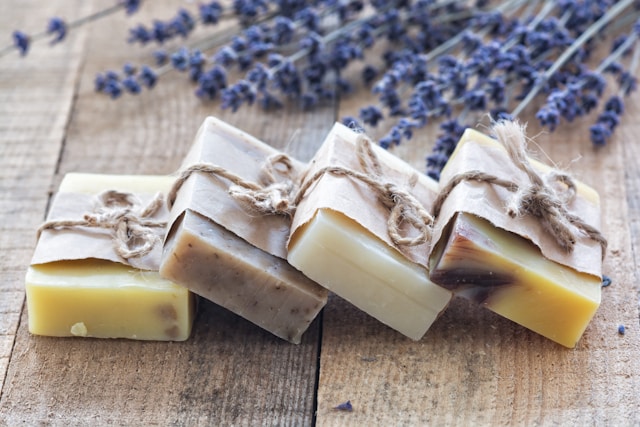


If you make handmade soap, candles, body care products, or other crafts, farmers markets can be one of the most profitable places to sell them. You get direct access to customers who value handmade and locally made products, the ability to let people see, smell, and touch your products before they buy, and the chance to build a loyal customer base that comes back week after week.
The good news for non-food vendors: you do not need the food permits, health inspections, or cottage food certifications that food vendors deal with. The regulatory requirements for handmade soap, candles, and similar products are simpler in most ways — though there are specific labeling rules you need to know. Homemade laundry powder is a good example, because its jar needs the net weight in ounces and grams plus a boxed caution warning, which our guide to selling homemade laundry soap at markets and from home covers line by line.
This guide covers how to find markets that accept non-food vendors, what permits and insurance you need, pricing strategies for handmade goods, and how to set up a booth that stands out alongside food vendors.
The short version: Not all farmers markets accept non-food vendors, so look for markets that include "handmade goods" or "artisan products" in their vendor categories. You need a business license, sales tax permit, and liability insurance — but no food permits or health inspections. Handmade soap is the top-selling non-food product at most farmers markets. Price your goods using cost-plus pricing (materials + labor + overhead, multiplied by 2 to 2.5x), and invest in booth displays that let customers interact with your products. An established non-food vendor can earn $200 to $800 per market day.
Selling at markets? Let customers order ahead online. Take orders and get paid online in about 15 minutes — set up a Homegrown storefront ($10/mo, 0% commission), or compare the best platforms to sell food from home.
Yes, but not every farmers market accepts non-food vendors. Most farmers markets are produce-first, meaning fruits, vegetables, baked goods, and prepared foods fill the majority of vendor spots. Non-food vendors typically fill a limited number of slots — often 10 to 20 percent of the total vendor count.
The types of non-food items commonly accepted at farmers markets include:
The key requirement at most markets: your products must be handmade by you. Wheel-thrown and hand-built pottery clears that bar easily, and the guide to where to sell pottery compares what one $36 mug pays you at a market, a studio sale, a gallery and on Etsy. Reselling commercially manufactured products is not allowed at most farmers markets. The market manager will want to see that you are the maker. A potter may also be asked about glazes, since a mug or bowl counts as food ware under FDA's lead guidelines, and the guide to selling homemade pottery legally lays out those limits with the numbers.
Some markets are specifically labeled as "artisan markets" or "maker's markets" and welcome a higher percentage of non-food vendors. A jewelry table at one of those markets earns a different share of each sale than a boutique or a consignment case, and the seven places to sell jewelry compares what one $30 pair of earrings pays you in each. Jewelry makers applying to those markets meet the strictest handmade tests, such as Bloomington, Indiana's 2026 rule against crafts with a commercially made piece central to the design, and the guide to selling homemade jewelry legally covers those market rules alongside the 100 ppm federal lead limit for kids' pieces. On the other end, farmers-only or produce-only markets typically do not accept non-food vendors at all.
The permit requirements for non-food items are straightforward and completely separate from the food permit world. Candles add one federal rule that soap does not have, a 0.06% lead limit for metal-cored wicks, and the guide to the rules and permits for selling homemade candles sorts which candle rules are law and which are voluntary. You do not need cottage food permits, health department inspections, or food handler's certifications — those apply only to food products.
Here is what most non-food vendors need:
For soap and body care products specifically, there are FDA labeling rules to follow:
Compare this to selling meal prep from home, which requires a licensed commercial kitchen, health department inspections, and food handler's certifications. Non-food items are a completely different regulatory category with far fewer barriers. For soap, the category turns on the label: the homemade soap permission guide sorts 13 label phrases, from "Lavender Soap" to "Acne Bar," into true soap, cosmetic and drug.
Since not all farmers markets accept non-food vendors, you need to be strategic about which markets you target.
For tips on the application process itself, see our guide on how to get into a farmers market.
Handmade soap is the top non-food seller at most farmers markets. It is affordable, consumable (customers come back for more), giftable, and — most importantly — it engages the senses. People love picking up soap bars and smelling different varieties.
Candle-making suppliers like CandleScience sell soy wax, fragrance oils, wicks, and vessels at wholesale prices — buying your supplies in bulk is what keeps your per-candle cost low enough to maintain healthy margins at the $12 to $25 retail price range.
The products that sell best at farmers markets share a few common characteristics:
Most makers underprice their products because they compare them to mass-produced alternatives on store shelves. Your handmade soap is not competing with a $2 bar from the grocery store. You are selling a handmade, locally crafted product — and farmers market customers expect to pay a premium for that.
Use this formula to set your prices:
Example: A bar of handmade soap costs $1.50 in materials, takes 15 minutes of labor at $20 per hour ($5.00), and has $0.50 in allocated overhead. Total cost: $7.00. Retail price: $7.00 x 2 = $14.00 wholesale, or price the bar at $7 to $9 retail since soap is a competitive market and you need to stay within what customers expect.
Soap-making suppliers like Bramble Berry sell oils, lye, fragrances, and molds at wholesale prices that bring your per-bar material cost down significantly compared to buying small quantities from craft stores.
Common price points at farmers markets:
For more on pricing strategies, see our guide on how to price your products.
Bundling is where non-food vendors significantly increase their average transaction value.
Your booth display is your single biggest selling tool as a non-food vendor. Food vendors can rely on the smell of fresh bread or the sight of colorful produce. Non-food vendors need to create visual interest that draws people over and makes them want to touch and interact with your products.
For general booth setup tips including tent, table, and signage recommendations, see our guide on how to set up a booth at a farmers market.
As a non-food vendor at a farmers market, you are surrounded by food. Here is how to hold your own:
Test your products and pricing at one market before committing to multiple. Pay attention to which products sell best and which sit on the table all day — adjust your inventory accordingly.
Track your numbers: what you brought, what you sold, your revenue, and your costs for each market day. This tells you whether a market is profitable and which products to make more of.
Once you have a consistent following at one market — customers who come back regularly and look for your booth — consider adding a second market day.
Customers at farmers markets buy from people they know and trust. Building a recognizable brand helps you stand out and creates loyalty.
Holiday markets (November through December) are the biggest sales period for non-food vendors by a wide margin. Start preparing extra inventory months in advance. Bath bombs are the exception, because they lose fizz after about six months in the air, so a guide to where to sell bath bombs recommends pressing in October for a December fair, not in August.
The holiday rush is the clearest example of why non-food vendors need an ordering system. November and December produce 30-50% of your annual revenue, and it all compresses into a few weeks. Customers message you asking if you still have the lavender soap gift set, or whether they can order six candles for office gifts, or if you can hold three bars of the pumpkin spice soap until Saturday. You're making product, packing orders, and answering 40 DMs at the same time.
Etsy works well if you're shipping handmade goods nationally — customers search for "handmade soy candle" and find your listing. Etsy takes roughly 10-12% per sale in combined fees, and the platform is designed around shipped orders, not local pickup.
Shopify at $39/month provides a full e-commerce store, but it's built for businesses with nationwide fulfillment and large catalogs. For a vendor who sells 8-12 products at Saturday markets, the setup complexity isn't worth it.
Homegrown is $10/month and was originally built for food vendors — but the ordering model works identically for any handmade product sold locally. You list your soap, candles, and gift sets with photos and prices. Customers order and pay through one link. You see exactly what to bring to the market or prepare for porch pickup. When the lavender gift sets sell out, the listing closes. Customers choose pickup or local delivery at checkout.
The honest limitation: Homegrown is food-vendor-focused. The vendor directory and customer discovery features are organized around food categories. If you're primarily looking for marketplace exposure for handmade crafts, Etsy gives you that. If you need a simple way for local customers to order and pay between market days — especially during the holiday sprint — the ordering model works regardless of whether you're selling soap or sourdough.
You need a business license and a sales tax permit to sell soap at a farmers market. If your soap qualifies as a cosmetic under FDA rules — which most handmade soaps with added ingredients do — you must follow cosmetic labeling requirements (ingredient list, net weight, manufacturer name and address). You do NOT need food permits, health department inspections, or cottage food certifications — soap is not a food product.
An established non-food vendor can earn $200 to $800 per market day. New vendors typically start at $100 to $300 per market day and grow as they build a customer base and refine their product mix. Your revenue depends on the market size, your product variety, your pricing, and the strength of your booth display. Holiday markets often produce the highest single-day sales.
Handmade soap is the top non-food seller at most farmers markets. It is affordable enough for impulse purchases, consumable so customers come back for more, giftable, and it engages the senses with scent and texture. Candles are the second-best seller, followed by lip balm and other body care products.
Many farmers markets accept non-food vendors, but not all. Look for markets that specify "handmade goods," "artisan products," or "crafts" in their vendor categories. Some markets limit non-food vendors to 10 to 20 percent of total vendor spots, so non-food slots fill up quickly. Apply early and consider artisan markets or maker's markets, which are more welcoming to non-food vendors.
Use cost-plus pricing: add up your materials cost, labor (at a fair hourly rate), and overhead (market fees, packaging, insurance), then multiply by 2 to 2.5 for your retail price. Most handmade soap sells for $6 to $10 per bar at farmers markets. Do not compare your pricing to mass-produced grocery store soap — you are selling a handmade, locally crafted product that farmers market customers expect to pay a premium for.
Ready to sell your handmade products beyond market day? Set up your ordering page in 15 minutes and give your market customers a way to reorder before the next Saturday.



