
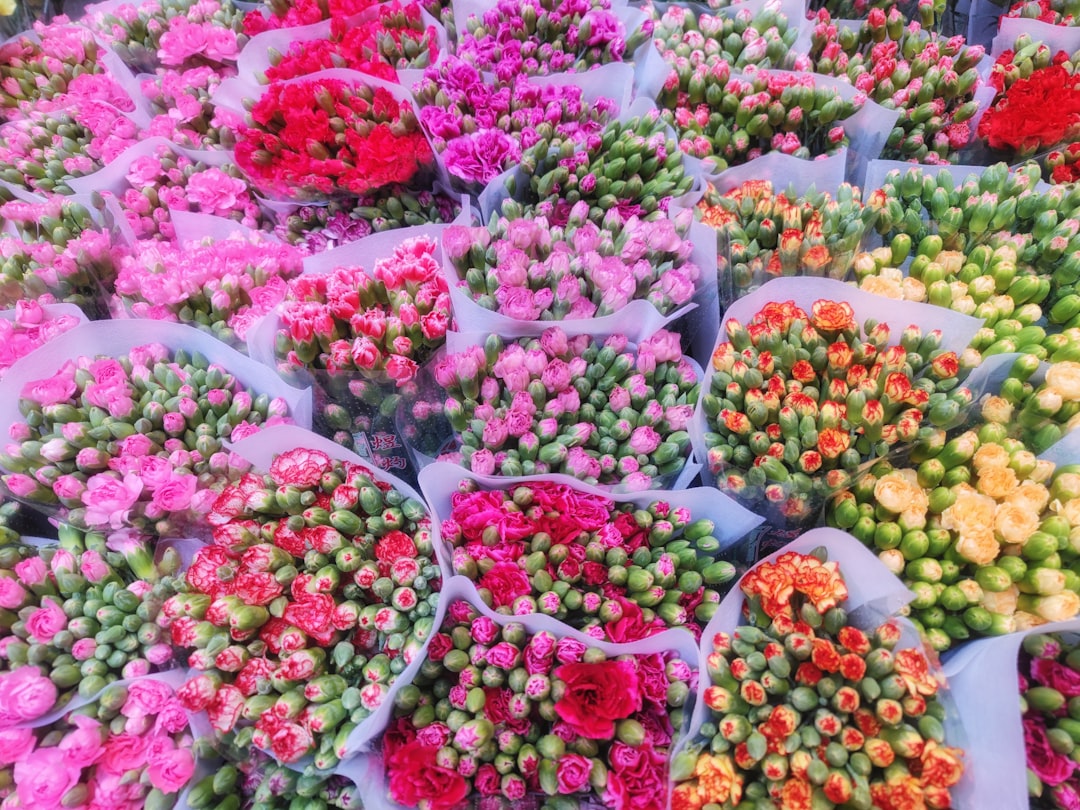


Edible flowers are one of the most underrated products you can sell at a farmers market. Most vendors sell produce, baked goods, and jams — very few sell edible flowers. That lack of competition is your advantage. A small plot of nasturtiums, pansies, and calendula can produce $50 to $200 per week in market revenue with minimal input costs.
The demand is growing fast. Home bakers use edible flowers to decorate cakes. Cocktail enthusiasts freeze them in ice cubes. Home cooks toss them into salads. And restaurants pay premium prices for a consistent supply of fresh, pesticide-free blooms. If you already grow cut flowers or have garden space, adding edible varieties is one of the easiest ways to add a revenue stream.
This guide covers everything you need to start selling edible flowers at farmers markets: what to grow, how to grow it safely, harvesting and packaging, pricing, food safety rules, and how to reach both consumer and restaurant customers.
The short version: Edible flowers are easy to grow, have high profit margins, and face almost no competition at most farmers markets. The best-selling varieties are nasturtiums, pansies, violas, calendula, and lavender. A small garden plot (200-400 square feet) can produce $100 to $200 per week in market sales. Packaging in small clamshell containers ($5-$8 per container) keeps them fresh and attractive. No special licensing is required in most states beyond standard produce vendor requirements.
Not every edible flower is worth growing for market sales. The best sellers combine visual appeal, flavor, and versatility.
Growing edible flowers for sale has one critical rule that separates it from ornamental flower growing: you cannot use any pesticide that is not food-safe. The University of Florida Extension emphasizes that flowers intended for consumption must be grown without non-food-labeled pesticides, and that plants from commercial nurseries may have been treated with chemicals not safe for eating.
You do not need a lot of space. Edible flowers produce heavily from small plantings:
| Variety | Space Needed | Production per Season |
|---|---|---|
| Nasturtiums | 50 sq ft | 200-400 blooms/week |
| Pansies/Violas | 50 sq ft | 150-300 blooms/week |
| Calendula | 50 sq ft | 100-200 blooms/week |
| Lavender | 100 sq ft | Ongoing harvest |
| Borage | 25 sq ft | 100-200 blooms/week |
A 200 to 400 square foot garden bed growing 3 to 4 varieties can produce enough blooms for 20 to 40 containers per week — more than enough for one or two markets.
Plan successive plantings every 3 to 4 weeks to maintain a continuous supply throughout your market season.
Edible flowers are delicate. Proper harvesting and handling is the difference between a beautiful market display and a wilted pile of petals.
Packaging makes or breaks edible flower sales. Customers need to see the flowers clearly, and the packaging must protect delicate petals.
Include on each package:
The suggested uses are important — many customers have never bought edible flowers before. Telling them what to do with the product increases the chance they buy.
Edible flowers are a premium, specialty product. Price them accordingly.
| Package | Contents | Price |
|---|---|---|
| Small clamshell (4 oz) | 15-25 mixed blooms | $5-$7 |
| Medium clamshell (6 oz) | 25-40 mixed blooms | $7-$10 |
| Single variety pack | 20-30 blooms | $5-$8 |
| Lavender bunch (dried) | 3-5 stems | $4-$6 |
| Sampler pack (3 varieties) | 30-40 blooms | $8-$12 |
| Bulk (for chefs/bakers) | 100+ blooms | $15-$25 |
Cost analysis: Seeds for an entire season cost $15 to $30. Growing costs (soil, compost, water) add $20 to $50. Packaging costs $0.15 to $0.30 per container. Your total cost per container is $0.50 to $1.00, and you sell for $5 to $10 — margins of 85% to 95%.
These are some of the highest margins in any farmers market product category.
In most states, selling edible flowers at a farmers market falls under the same requirements as selling fresh produce. The USDA National Farmers Market Directory lists markets that accept flower vendors alongside produce vendors. You typically need:
Edible flowers generally do not fall under cottage food laws because they are a raw agricultural product, not a processed food. This is actually simpler — you follow produce vendor rules, which in many states require nothing more than a vendor permit and proper labeling.
The University of Alaska Fairbanks Extension's guide to edible flowers notes the importance of growing flowers specifically intended for consumption using safe practices — this is the core food safety requirement for edible flower vendors.
Edible flowers sell themselves visually, but you need to educate customers who may not know they can eat flowers.
Restaurants and bakeries buy edible flowers in bulk and reorder consistently. A single restaurant account ordering $20 to $30 per week is worth as much as 3 to 4 individual market sales.
Set up an ordering page where customers (and chefs) can pre-order edible flowers for pickup at the market, at your farm, or by local delivery. This guarantees sales before you harvest and reduces waste. For help getting started, read our guide on adding online ordering to your existing business.
If you already sell cut flowers at farmers markets, edible flowers are a natural add-on that increases your revenue per customer.
Edible flowers are a perfect pre-order product because customers want specific varieties and quantities for events, cakes, and dinner parties. Square Online gives you a web store, but it charges transaction fees on top of processing and is built for restaurants with full menus — not a flower grower selling four varieties of blooms. Etsy takes 6.5% per sale and is designed for shipping, which doesn't work for fresh flowers that need same-day pickup. Homegrown is $10/month with no commission, plus card processing of 2.9% + $0.30 per order — list your available varieties with photos, set a cutoff day so you know what to harvest, and share the link with your market regulars and chef accounts. Customers pick varieties, pick quantities, and pay before you cut a single stem. It won't manage your restaurant wholesale accounts, but for weekly pre-orders from market customers and local bakers who want to guarantee they get pansies for Saturday's cake, it turns harvest day into a pick list instead of a guess.
For more sales channels beyond the farmers market, check out our guide on places to sell homemade food that aren't Etsy or Shopify.
Selling at markets or a farm stand? Let customers order ahead online. The easiest way to take local orders and get paid is an online storefront — see the best platform to sell food from home, or set up a Homegrown storefront in about 15 minutes ($10/mo, 0% commission).
A small edible flower garden (200-400 square feet) can produce $100 to $200 per week in market sales during peak season. Adding chef and bakery accounts increases revenue to $200 to $400 per week. Annual revenue from edible flowers ranges from $2,000 to $8,000 depending on your growing season length and the number of markets and wholesale accounts.
Nasturtiums are the most profitable edible flower for beginners because they are extremely easy to grow, produce heavily, and sell well. Lavender is the most profitable long-term because it comes back every year (perennial), can be sold fresh or dried, and commands premium prices for culinary and decorative uses.
Edible flowers do not need to be certified organic, but they must be grown without any non-food-safe pesticides. You cannot use standard ornamental garden pesticides on flowers intended for consumption. Most edible flower vendors market their products as "pesticide-free" rather than "organic" unless they hold formal organic certification.
Most edible flowers last 3 to 7 days when stored in sealed containers lined with damp paper towels and refrigerated. Nasturtiums and pansies hold up the longest (5-7 days). Borage and squash blossoms are more delicate and should be used within 2 to 3 days. Always harvest in the early morning for maximum freshness.
Yes, but shipping fresh edible flowers is challenging because of their delicate nature. Local pre-orders with pickup or local delivery work best. Set up an ordering page where customers order ahead and pick up at the market or at your farm. Some vendors sell dried edible flowers (especially lavender and rose petals) online because dried flowers ship easily and have a long shelf life.
In most of the U.S., pansies and violas grow in cool weather (spring and fall) while nasturtiums and calendula grow in warm weather (summer). By succession planting both groups, you can have edible flowers from early spring through late fall. In mild climates (zones 9-10), pansies grow through winter, giving you nearly year-round production.
Edible flowers are one of the few farmers market products where you face almost no competition. Most vendors have never considered selling them, which means the demand is there but the supply is not.
Start with nasturtiums, pansies, and calendula. They are easy to grow, produce heavily, and photograph beautifully. A single nasturtium plant produces $8 to $15 worth of flowers per season, and you can grow 20 to 30 plants in a 4x8 raised bed. Package them in clear clamshells with a "Yes, You Can Eat These" sign. Your first day at the market will tell you everything you need to know about demand. If you are already selling at farmers markets, edible flowers are one of the easiest products to add to your booth without changing your setup.
Set up your Homegrown ordering page and start taking edible flower pre-orders before your next harvest.



