
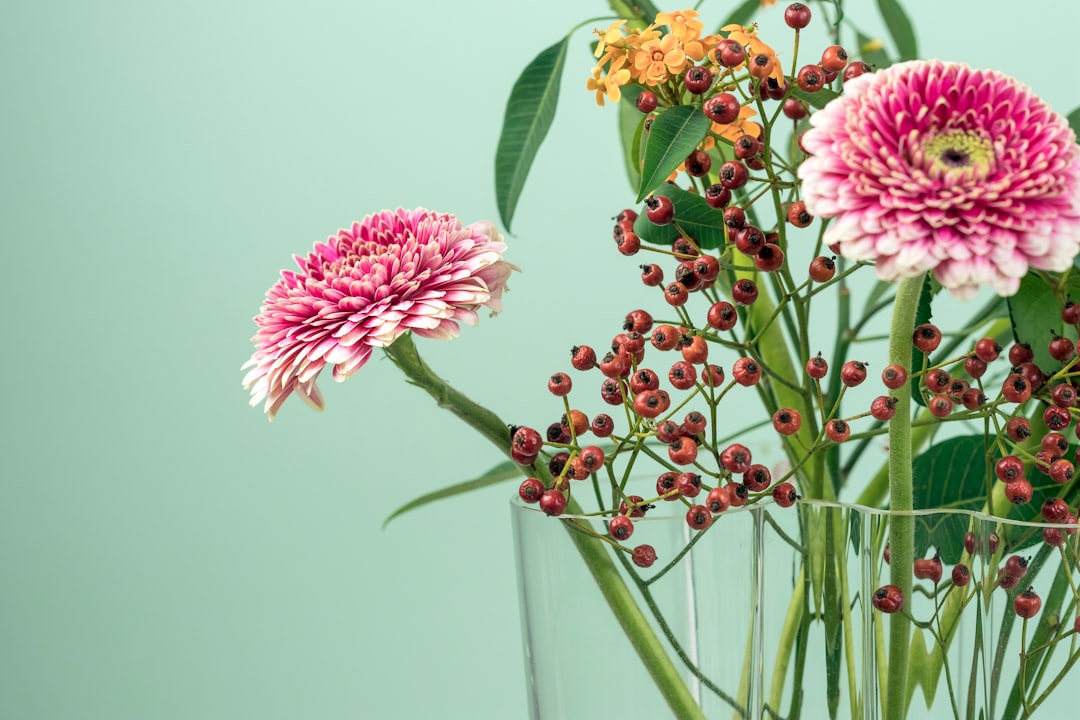


A flower bouquet subscription turns a productive cutting garden into predictable, recurring income. Instead of hoping to sell every stem at market, you sign customers up for a weekly or biweekly bouquet through the season, and they pay in advance for a summer of fresh, local, garden-grown flowers on their table. It's a beautiful business model: your customers get something to look forward to, and you get guaranteed sales that let you plan your growing and harvesting. Because cut flowers are a non-food product, they sidestep cottage food rules, and a well-planned flower patch can supply a meaningful subscription with surprisingly little space. If you love growing flowers, a subscription is one of the smartest ways to sell them.
The short version: A flower bouquet subscription sells customers a recurring weekly or biweekly bouquet of your garden-grown flowers, paid in advance for the season. Cut flowers are a non-food product, so cottage food law doesn't apply, though some states have plant or agricultural rules to check. Subscriptions turn unpredictable flower sales into guaranteed, plannable income. Focus on succession planting for continuous blooms, beautiful seasonal bouquets, and reliable delivery or pickup. Your biggest wins are the recurring revenue model, planning your garden around it, and delivering consistent, gorgeous bouquets all season.
This guide covers why subscriptions work, the rules to check, how to plan your garden, pricing, bouquet building, and how to run the subscription smoothly.
A flower subscription works so well because it converts unpredictable single sales into guaranteed, recurring revenue you can plan around. Instead of cutting flowers and hoping they sell, you know exactly how many bouquets you need each week because customers have already committed and paid. That predictability transforms a flower patch from a gamble into a plannable business.
Here's what makes it work:
The honest note: a subscription is a commitment you have to keep, which means your garden must reliably produce enough blooms every week of the season, through weather and pests. That requires good planning, succession planting, and a backup plan for lean weeks. But the guaranteed revenue and the ability to plan your whole season around known demand make the subscription model one of the most rewarding ways to sell cut flowers, and it builds a loyal customer base that returns year after year.
Because cut flowers are a non-food product, cottage food law doesn't apply, but some states have plant or agricultural sale rules, and your local area may have requirements worth checking. Selling flowers follows different rules than selling food, and they vary by location.
A few points to understand:
Because flower-sale rules differ from food rules, check with your state agriculture department about any requirements, and set up your business properly. Our overview of what foods you can sell under cottage food laws explains the food-focused framework that cut flowers sit outside of. For the business side of setting up a flower venture, the U.S. Small Business Administration's guide to choosing a business structure is a helpful starting point.
You plan a garden for a subscription through succession planting and a mix of flowers that bloom across the whole season, so you always have enough for every bouquet. Continuous blooms are the foundation of a reliable subscription, so your growing plan matters as much as your growing skill.
Planning principles:
Practical steps:
Reliable succession planting is the difference between a subscription you can always fulfill and one that leaves you scrambling. Starting with a subscriber count matched to your garden's realistic output, then expanding as you learn your patch, is the safest way to build a dependable flower subscription.
Price a flower subscription by the bouquet and the season, typically $20 to $40 per bouquet with the season paid in advance, adjusting for bouquet size and your market. Real subscriptions sit inside that range: one farm on Homegrown sells four weekly bouquets of about two dozen stems for $139, or $34.75 a bouquet, and the cut flower pricing guide compares that with market, florist and DIY bucket prices. Subscriptions are priced as a package, so customers see the value of a season of fresh flowers and you get the revenue up front.
A pricing structure that works:
Selling the full season up front gives you working capital and locks in the customer, so structure your pricing around the seasonal package. If pricing your work fairly feels uncomfortable, read why charging what you're worth feels wrong, and see how vendors approach pricing specialty products. Price for the real work of growing, harvesting, and arranging fresh flowers every week, since a garden-grown bouquet is a premium over grocery-store flowers.
You build beautiful seasonal bouquets by combining focal flowers, filler flowers, and foliage in a balanced, full arrangement that showcases what's blooming that week. Because subscribers receive whatever is at its peak, your bouquets change through the season, which is part of their local, garden-fresh charm.
Elements of a great bouquet:
Tips for consistent quality:
Embrace the seasonal changes, since a bouquet that reflects the moment in your garden is exactly what makes a local flower subscription special. Consistent quality and beauty week after week are what keep subscribers renewing and referring friends, so treat every bouquet as a reflection of your garden and your care.
You run a flower subscription smoothly with clear delivery or pickup logistics, good communication, and reliable weekly fulfillment. The operational side, getting the right bouquets to the right people every week, is what keeps subscribers happy and your business running.
Ways to run it well:
Managing subscriber lists, payments, and weekly fulfillment through DMs and spreadsheets gets messy fast. A real ordering and subscription system keeps your subscribers, schedules, and payments organized. Here's how to sell food online as a local vendor so your subscription runs smoothly all season.
A recurring, subscription-based product with weekly fulfillment fits an online storefront especially well. Homegrown is $10 a month with no percentage fees beyond standard payment processing, and it gives you an order page where customers sign up for your subscription, pay for the season, and choose pickup or delivery, while you manage the recurring orders in one place. That's exactly the structure a flower subscription needs.
How it compares to the alternatives:
What Homegrown does well for a flower vendor: subscription and pre-order intake, seasonal payment collection, pickup and delivery scheduling, a subscriber list in one place, and a fifteen-minute setup. What it doesn't do: it won't grow your flowers, arrange your bouquets, or deliver for you. It gives your recurring product a place to sell and manage subscribers. When your garden and plan are ready, you can set up your storefront and launch your subscription today.
The most common flower subscription mistakes are overcommitting beyond your garden's output and inconsistent fulfillment. Because a subscription is a promise of weekly flowers, the errors that matter most involve reliability.
Mistakes to avoid:
Getting these right builds a subscription customers renew year after year and recommend to friends.
Because cut flowers are a non-food product, cottage food law doesn't apply, but some states have agricultural or nursery sale rules, and you may need a general business registration and to handle sales tax. Rules vary by location. Check with your state agriculture department about any requirements for selling cut flowers, and set up your business properly, since flower-sale rules differ from the food-business rules that govern cottage foods.
You can start a small flower subscription with a surprisingly modest cutting garden, even a few hundred square feet, if you plant intensively and use succession planting. The key is matching your subscriber count to your realistic weekly output rather than the size alone. Start with a number of subscribers your garden can reliably supply, and expand as you learn your patch's production, adding space and plantings as you grow.
Flower subscriptions are typically priced at $20 to $40 per bouquet, sold as a full-season package paid in advance, with different sizes and weekly or biweekly options. Selling the season up front gives you working capital and locks in customers. Price for the real work of growing, harvesting, and arranging fresh flowers weekly, since a garden-grown, local bouquet is a premium over grocery-store flowers and customers value the freshness.
You ensure enough flowers through succession planting, sowing quick crops every couple of weeks, mixing early, mid, and late-season varieties, and planting a buffer beyond your estimated need for weather and pest losses. Match your subscriber count to your garden's realistic output, and keep records of what blooms when. This continuous-bloom planning is the foundation of a subscription you can reliably fulfill every week of the season.
The best flowers for a subscription are reliable, productive cut-flower varieties with good vase life, including zinnias, sunflowers, cosmos, dahlias, snapdragons, and celosia, plus foliage and filler flowers for structure. Choose a mix of focal, filler, and foliage that blooms across the season. Zinnias and sunflowers are especially valuable for their fast, continuous production, making them workhorses of a dependable flower subscription.
You can offer delivery, pickup, or both, depending on your capacity and your customers' preferences. Pickup is simpler and lower-cost, often at a farmers market or your home, while delivery adds convenience and value but takes time and planning. Whichever you choose, set clear, consistent schedules so subscribers know when and where to expect their flowers, since reliable, predictable fulfillment is central to a successful subscription.
A flower subscription is profitable because it converts unpredictable sales into guaranteed, prepaid revenue you can plan around, and garden-grown bouquets command a premium over grocery flowers. Your main costs are seeds, supplies, and your time growing and arranging. Profit comes from the recurring revenue, efficient production planned to known demand, and loyal customers who renew each season, making subscriptions one of the most rewarding ways to sell cut flowers.
A flower subscription rewards growers who plan well and deliver consistently: use succession planting for continuous blooms, match subscribers to your garden's output, build beautiful seasonal bouquets, and fulfill reliably every week. As a non-food product with guaranteed, prepaid revenue, it's one of the smartest ways to sell your flowers. When your garden and plan are ready, set up a Homegrown storefront and launch your flower subscription.



