
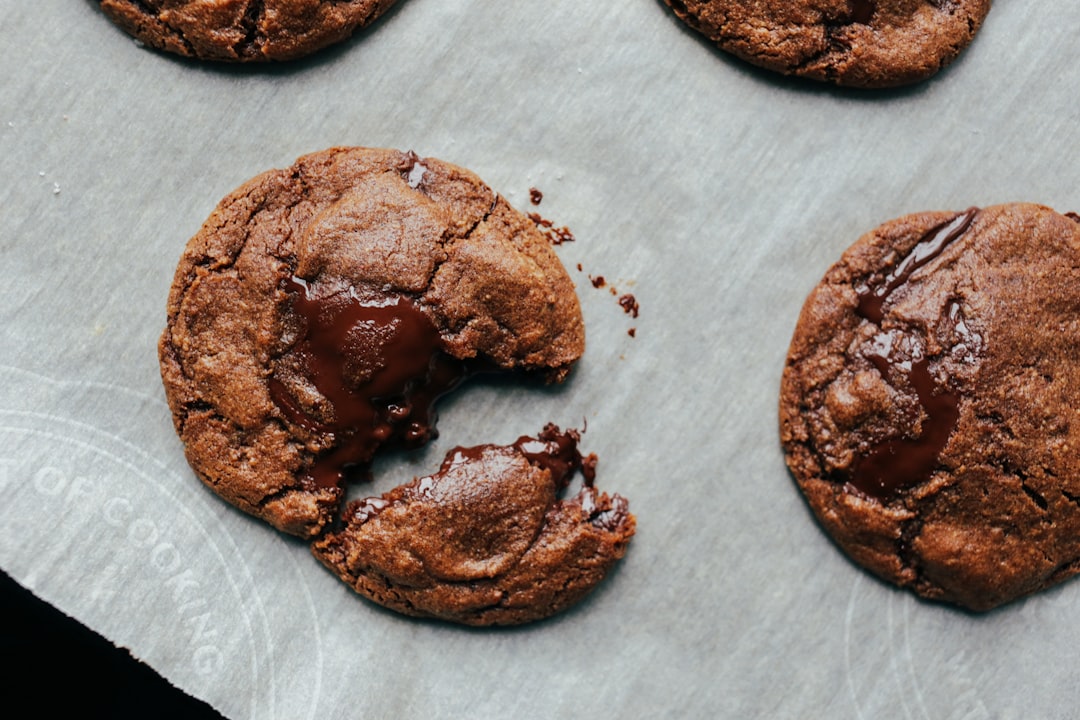


A vegan baked goods business from home taps into two overlapping customer groups at once: people who choose plant-based eating for ethical or environmental reasons, and people who avoid eggs and dairy because of allergies. Both want treats that most bakeries don't offer well. If you can make a brownie or a cinnamon roll that's genuinely delicious without butter and eggs, you have a product with a built-in, motivated audience and surprisingly little local competition.
The short version: Vegan baked goods are legal to sell under cottage food law in most states, the same as any shelf-stable baked good. Your customers come for two reasons, plant-based values and egg or dairy allergies, so lead with taste and be clear about your ingredients. The technical challenge is replacing eggs and dairy without sacrificing texture, using swaps like flax eggs, aquafaba, and plant milks and butters. Price at a modest premium for specialty ingredients, and market to both the vegan community and the allergy community. Nail the flavor and you win loyal repeat buyers.
This guide covers who buys vegan baked goods, the legal rules, the ingredient swaps that actually work, pricing, and how to reach a motivated audience.
Vegan baked goods are bought by two motivated groups: people eating plant-based by choice, and people avoiding eggs and dairy because of allergies or intolerances. Understanding both is the key to your marketing, because they care about different things but buy the same product. The plant-based crowd cares about values and taste. The allergy crowd cares about safety and finally having an option.
Here's why this is a strong customer base:
The honest tradeoff: vegan baking is a technical skill. Eggs and dairy do real structural work in baked goods, and replacing them without a gummy or dry result takes practice. The reward is a product a motivated audience can't easily find elsewhere.
Vegan baked goods are legal to sell from home under cottage food law in most states, treated exactly like any other shelf-stable baked good. Being vegan doesn't change your legal category. What matters is that your products are shelf-stable and honestly labeled. In fact, many vegan baked goods are naturally more shelf-stable than their traditional versions because they skip perishable eggs and dairy, and the National Center for Home Food Preservation is a reliable, university-backed resource for understanding what keeps baked goods safe at room temperature.
Key rules to follow:
Every state sets its own cottage food rules and sales cap, so confirm the specifics where you live. Our overview of what foods you can sell under cottage food laws and the cottage food laws by state directory point you to your state's requirements.
The vegan substitutes that work best depend on what job the egg or dairy is doing: binding, leavening, moisture, or fat. Successful vegan baking isn't about one magic replacement, it's about matching the right swap to each recipe's need. This is the technical heart of your business, so it's worth mastering.
Reliable substitutes by function:
Test each recipe until the texture is genuinely good, not just passable. The most common vegan baking failures are gummy centers from too much binder and dry results from the wrong fat ratio. A short menu of recipes you've truly perfected beats a long menu of mediocre ones, because taste is what converts a curious first-timer into a regular.
Vegan baked goods cost modestly more to make than conventional ones because specialty ingredients like vegan butter, plant milks, and nut-based creams are pricier, so price them at a small premium, often 10% to 30% above comparable items. The premium is smaller than for gluten-free baking, since many vegan swaps are affordable, but your specialty ingredients still justify charging more.
Where the extra cost comes from:
A pricing approach that works:
If premium pricing feels uncomfortable, read why charging what you're worth feels wrong, and see how vendors approach pricing baked goods in general. Vegan customers value quality and are used to paying a bit more for products made to their standards.
Start with vegan products that are naturally forgiving, like cookies, brownies, muffins, and quick breads, then expand to cakes and breads as your technique improves. Some baked goods adapt to vegan swaps more easily than others, so building your menu around the reliable ones first sets you up for consistent quality.
Strong starter products:
Because many vegan customers also avoid other ingredients, consider clearly labeling which items are also nut-free or gluten-free, without implying they all are. Add one new product at a time and test until it's genuinely delicious. In this market, a vegan treat that tastes just as good as the original is your best marketing.
Market vegan baked goods by reaching both the plant-based community and the egg-and-dairy-allergy community, leading with taste and clear labeling. These two audiences find you in different places and respond to different messages, so a smart marketing approach speaks to both.
Ways to reach your customers:
Keeping each customer's needs and preferences straight across scattered DMs is hard, especially when some want strictly vegan and others are managing a specific allergy. A real ordering system that records what each customer needs keeps orders accurate. Here's how to sell food online as a local vendor so nothing gets lost.
A vegan business runs on clear ingredients and consistent quality, and a real storefront helps you deliver both. Homegrown is $10 a month with no percentage fees beyond standard payment processing, and it gives you an order page where customers browse your plant-based menu, read your ingredient descriptions, choose a pickup time, and pay before you bake. Your listings can clearly mark what's vegan, nut-free, or gluten-free so customers order with confidence.
How it compares to the alternatives:
What Homegrown does well for a vegan baker: clear product descriptions that mark ingredients and dietary fit, pre-orders so you bake to demand, a customer list that helps you serve repeat needs, and a fifteen-minute setup. What it doesn't do: it won't verify your vegan sourcing, guarantee your claims, or bake for you. It keeps your orders and your customers' needs organized so you can focus on making treats that taste as good as the originals. When you're ready, you can set up your storefront and take vegan orders today.
The most common vegan baking mistakes are technical failures and misleading labels, both of which lose you customers in a taste-driven, trust-driven market. Because vegan baking asks you to replace ingredients that do real structural work, and because your customers read labels closely, precision matters.
Mistakes to avoid:
Nail these and you win over both the plant-based and allergy communities that most bakeries neglect.
In most states you can sell vegan baked goods under cottage food law without a special license, because they're treated the same as any other shelf-stable baked good. There's no separate vegan permit. You must label honestly, including a truthful vegan claim and an allergen statement. Check your state's cottage food rules, which range from no registration to a simple permit or inspection.
The best egg substitute depends on the egg's job in the recipe. Flax eggs and chia eggs work well for binding, mashed banana and applesauce add moisture in denser bakes, and aquafaba (chickpea liquid) whips like egg whites for light cakes, meringues, and macarons. Match the swap to what the egg is doing, rather than expecting one replacement to work everywhere.
Vegan baked goods are often at least as shelf-stable as conventional versions, and sometimes more so, because they skip perishable eggs and dairy. That makes many of them a natural fit for cottage food law. As always, confirm your specific product is shelf-stable and label it accurately, since some vegan items with fresh fruit or certain fillings may still need refrigeration.
Charge roughly 10% to 30% more for vegan baked goods than comparable conventional items, to cover pricier specialty ingredients like vegan butter and plant-based creams. The premium is usually smaller than for gluten-free baking because some vegan swaps, like flax and aquafaba, are inexpensive. Price for the quality of your product, since your goods compete on taste, not just their vegan label.
No, vegan means no animal products, which is not the same as allergen-free. Vegan baked goods commonly contain wheat, soy, nuts, and coconut, all of which are allergens. Be careful not to imply a vegan product is nut-free or gluten-free unless it genuinely is, since allergy customers rely on accurate labeling. Clearly mark which items are also nut-free or gluten-free when they are.
The easiest vegan baked goods to start with are cookies, brownies, muffins, and quick breads, because their texture is forgiving and adapts well to swaps like vegan butter, flax eggs, and applesauce. Perfect a short menu of reliable items before expanding to cakes and enriched breads, which are harder to veganize well. Vegan cinnamon rolls are a standout item since good versions are rare.
Find vegan baking customers by connecting with local vegan and plant-based groups, allergy support communities, and vegan-friendly cafes and events, where word-of-mouth travels fast. Lead your marketing with flavor, since the main objection is that vegan treats taste worse, and yours won't. Clear ingredient labeling helps both plant-based customers and allergy parents trust and choose your products.
A vegan baking business rewards bakers who master the swaps and lead with taste: replace eggs and dairy skillfully, label honestly, price modestly above conventional goods, and market to both the plant-based and allergy communities. Do that and you serve a motivated audience that most bakeries neglect. When you're ready to keep every order and dietary need organized, set up a Homegrown storefront and start taking vegan orders.



