
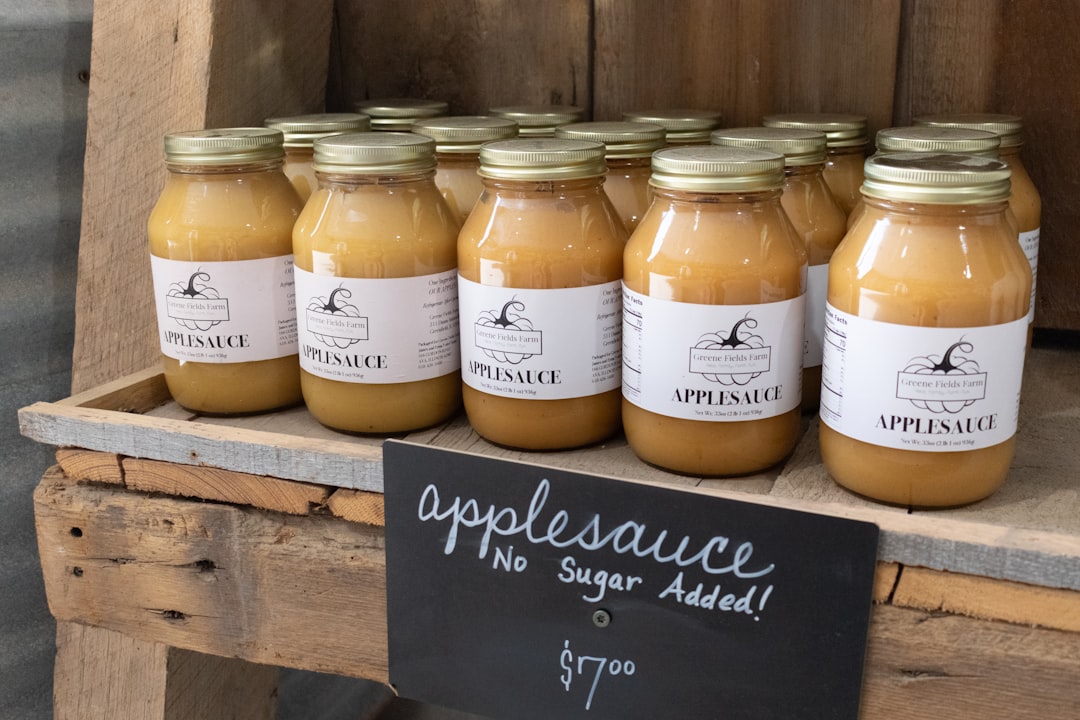


Value-added products — jams, sauces, baked goods, pickles, dried herbs, and other processed foods made from raw ingredients — are the highest-margin products you can sell at a farm stand. A pound of strawberries sells for $4 to $6. That same pound of strawberries made into 3 jars of jam sells for $24 to $36. The transformation from raw to processed is where the profit is. Adding value-added products to your farm stand increases your average transaction size, extends your selling season into winter (preserved goods sell year-round), and gives customers a reason to visit even when fresh produce is not in season.
The short version: Start with one value-added product that uses ingredients you already grow or can source locally at low cost. Jam, honey, and baked goods are the three easiest entry points because they are shelf-stable, allowed under cottage food law in most states, and have proven demand at farm stands. Your first value-added product should be something you already make well — do not develop a new recipe for a farm stand launch. Price value-added products at 3 to 5 times ingredient cost for margins of 60 to 80%. A jar of jam that costs $2 to make sells for $8 to $10. Display value-added products at eye level alongside your produce. Use an ordering page to offer pre-orders for limited-batch products that sell out at the stand. One well-made value-added product can generate more revenue per week than your entire produce display.
A value-added product is any product where you transform a raw ingredient into something more processed, more convenient, or more ready-to-use than the original. The "added value" is your labor, knowledge, and craftsmanship.
Common value-added products for farm stands:
| Category | Products | Shelf Life | Cottage Food Allowed? |
|---|---|---|---|
| Preserves | Jams, jellies, fruit butter, marmalade | 12-18 months | Yes (most states) |
| Baked goods | Bread, cookies, muffins, pies, scones | 2-7 days | Yes (most states) |
| Condiments | Salsa, hot sauce, BBQ sauce, mustard | 6-12 months | Yes (many states) |
| Pickled foods | Pickles, sauerkraut, kimchi, pickled vegetables | 6-12 months | Varies by state |
| Dried goods | Dried herbs, spice mixes, tea blends, granola | 6-12 months | Yes (most states) |
| Honey products | Raw honey, infused honey, honeycomb | 2+ years | Yes (most states) |
| Candy | Caramels, fudge, brittle, chocolate | 2-6 months | Yes (most states) |
The key advantage of value-added products is margin. Raw produce has margins of 30 to 50%. Value-added products have margins of 60 to 80%. The same amount of selling effort generates significantly more profit.
Here is a direct comparison:
| Raw Strawberries | Strawberry Jam | |
|---|---|---|
| Cost of ingredients | $0 (from your garden) | $2/jar (strawberries + sugar + pectin + jar) |
| Selling price | $5/quart | $10/jar |
| Margin | 100% (if homegrown) | 80% |
| Shelf life | 3-5 days | 12-18 months |
| Revenue per pound of berries | $5 | $30 (1 lb → 3 jars × $10) |
| Year-round sales? | No (seasonal only) | Yes (preserved for months) |
A pound of strawberries generates $5 as produce or $30 as jam. The jam requires labor (cooking, jarring, labeling), but the revenue difference is 6x. This is why every profitable farm stand sells some value-added products alongside raw produce.
A 5-lb bag of flour costs $4 and produces approximately 4 loaves of sourdough. Each loaf sells for $8 to $10, generating $32 to $40 from a $4 ingredient investment. The margin is 87 to 90%.
Fresh herbs from your garden cost essentially nothing. Dried and packaged into 1 oz herb blend jars, they sell for $5 to $8 each. The margin approaches 95%. For safe drying techniques, NDSU Extension's guide covers the specific temperatures and storage methods that maximize shelf life.
Your first value-added product should be something you have already perfected in your kitchen. If your family loves your strawberry jam, start with that. If friends rave about your sourdough, start with that. Do not develop a brand new recipe for your farm stand launch. Proven recipes become proven products.
If you grow strawberries, your first value-added product is strawberry jam. If you keep bees, it is honey. If you grow herbs, it is dried herb blends. Using your own ingredients maximizes margin because the ingredient cost is near zero.
If you do not grow any ingredients, start with products where ingredients are cheap: sourdough bread (flour, salt, water), cookies (flour, butter, sugar, eggs), or granola (oats, nuts, honey).
Shelf-stable products (jams, honey, dried goods, candy) have massive advantages over perishable products: longer display time at your stand, no refrigeration needed, less waste, and year-round sellability. Start with shelf-stable before adding anything perishable.
Before producing, verify that your product is allowed under your state's cottage food law. Most states allow jams, baked goods, honey, candy, and dried herbs. Some states restrict fermented foods, acidified foods, and certain canned products. Check before you invest in ingredients and packaging.
For state-by-state rules, see our guide to food freedom states and our article on cottage food licensing for Instagram sellers (the same laws apply to farm stand sales).
Price your value-added products at 3 to 5 times your ingredient cost. This ensures a 60 to 80% gross margin that covers your labor, packaging, labels, and business overhead while remaining competitive with similar products at farmers markets and specialty stores.
| Product | Ingredient Cost | 3x Price | 5x Price | Suggested Price |
|---|---|---|---|---|
| Strawberry jam (8 oz) | $2 | $6 | $10 | $8-$10 |
| Sourdough loaf | $1 | $3 | $5 | $8-$10 (above 5x) |
| Cookie dozen | $3 | $9 | $15 | $15-$18 |
| Dried herb blend | $0.50 | $1.50 | $2.50 | $5-$8 (above 5x) |
| Hot sauce (5 oz) | $1.50 | $4.50 | $7.50 | $6-$8 |
Notice that sourdough and herbs can price well above the 5x rule because customer perception of value is high relative to ingredient cost. Sourdough "feels" like a $8 to $10 product. Herbs "feel" like a $5 to $8 product. Price based on perceived value, not just ingredient cost.
Look at what similar products cost at your local farmers market, specialty grocery, and competing farm stands. Your price should fall within the local range. You do not need to be the cheapest — cottage food buyers expect to pay more for handmade, local products. But you should not be dramatically above market either.
For more pricing strategies, see our guide on setting prices for food products.
Value-added products should be displayed at eye level — the prime retail position. Here is why: produce displays naturally draw attention at table height because customers look down at colorful fruits and vegetables. Value-added products in jars, bags, and boxes need to be at eye level because their packaging is how they sell.
Choose one value-added product. Make a test batch. Get feedback from friends and family. Finalize your recipe, pricing, and label design.
Add 6 to 12 units of your first value-added product to your farm stand display. Track sales. Note customer reactions. Adjust pricing or packaging if needed.
If the product sells well (50% or more sell-through in the first 2 weeks), increase production. Start marketing the product on Instagram and Facebook. Add it to your ordering page for pre-orders.
Homegrown costs $10/month with no commission, plus card processing of 2.9% + $0.30 per order, and is where pre-orders matter most for value-added products — a jar of jam that takes 3 hours to cook and jar should not sit unsold because you guessed wrong about demand. List your new product with a photo, price, and quantity cap. When all 12 jars are spoken for, the listing closes and you know exactly how much to produce. Taking pre-orders through Instagram DMs means answering "is the jam available this week?" 15 times and hoping everyone who said "save me one" actually follows through. Etsy reaches a wider audience but takes 6.5% plus listing fees — on a $10 jar of jam, that is $0.95 gone per sale for customers who already know where to find you. Homegrown does not help you choose which value-added products to make, set your pricing, or design your labels — this guide covers those. What it does is let you list a new product on Monday and know by Wednesday whether to make 8 jars or 20.
Once your first value-added product is established, add a second. Then a third. Most profitable farm stands settle at 3 to 5 value-added products alongside their produce, giving customers enough variety to build a $15 to $25 basket instead of a $5 produce purchase.
For more on choosing the right products, see our guide on what to sell at a farm stand. And for managing inventory across multiple product types, see our guide on farm stand inventory management.
Selling at markets or a farm stand? Let customers order ahead online. The easiest way to take local orders and get paid is an online storefront — see the best platform to sell food from home, or set up a Homegrown storefront in about 15 minutes ($10/mo, 0% commission).
If your value-added products are allowed under your state's cottage food law, your cottage food registration covers them. You do not need an additional permit. If a product falls outside cottage food (dairy, meat, certain canned goods), you need a health department permit and potentially a commercial kitchen. See our guide on farm stand health department permits.
Jam. It has high margins ($8 to $10 per jar from $2 in ingredients), long shelf life (12 to 18 months), is allowed under cottage food law in most states, and has universal demand. Virtually every farm stand customer will buy a jar of homemade jam if it looks good and is priced right.
Yes. Every cottage food product needs a label with your name, address, product name, ingredients, allergens, net weight, and home kitchen disclaimer. Labels are required by law in most states and expected by customers. A properly labeled jar of jam looks professional and builds trust. An unlabeled jar looks homemade in a bad way.
Yes. Many farm stands sell value-added products from other local producers: a neighbor's honey, a friend's hot sauce, a nearby farm's eggs. This adds variety without increasing your production workload. Be transparent about the source and ensure the products comply with labeling and food safety requirements.
List every ingredient on your label. Highlight major allergens (milk, eggs, wheat, soy, peanuts, tree nuts, fish, shellfish, sesame). If your kitchen processes multiple allergens, include a "may contain" warning. Allergen transparency protects your customers and limits your liability.
Glass jars for preserves and honey (professional look, reusable, displays the product). Clear bags for baked goods (customers see what they are buying). Kraft paper bags or boxes for cookies and muffins (rustic, farmstand appropriate). Labels on every package. Budget $0.50 to $1.50 per unit for packaging — it is part of your product cost.
Value-added products are taxed the same as raw produce in your cottage food business. All income goes on Schedule C. Ingredients, packaging, labels, and equipment used for production are deductible business expenses. For tax details, see our guide on how to report food sales on your taxes.
Three to five is the sweet spot for most farm stands. One or two products does not give customers enough reason to browse. More than seven creates production overwhelm and display clutter — you spend your whole week making small batches of eight different things instead of efficient large batches of four. A strong lineup looks like this: one preserve (strawberry jam), one baked good (sourdough bread), one dried product (herb blend), and one seasonal rotation (apple butter in fall, peppermint bark in winter). Each product serves a different customer need, and together they create a $15 to $25 basket that feels like a complete local food experience. Add new products one at a time, only after the previous one is selling consistently and your production schedule can absorb the additional workload.
Before committing to full production, make a small test batch — 6 to 12 units — and bring it to the stand alongside your existing products. Do not announce it on social media or pre-sell it. Just display it and see what happens. If 50% or more sells in the first two market days, you have a winner. If less than 25% sells, the product needs adjustment — the price may be too high, the packaging may not be communicating the value, or the product may not fit your customer base. Pay attention to what customers say when they look at it but do not buy. "That looks cool but $12 is a lot for hot sauce" tells you the price is wrong. "What would I use that for?" tells you the label needs use-case suggestions. A test batch costs you $20 to $40 in ingredients and packaging — far less than committing to 50 units of a product nobody wants.
Yes, and this is a smart way to add product variety without increasing your own production workload. Many farm stands carry a neighbor's honey, a friend's hot sauce, or a nearby farm's eggs alongside their own products. The typical arrangement is consignment (you sell their product and keep 20 to 30% of the sale price) or wholesale (you buy their product at wholesale and sell at retail, keeping the markup). Make sure any products you resell are properly labeled and compliant with your state's cottage food or food safety laws — you are responsible for what you display and sell at your stand, even if you did not make it. Start with one partner product that fills a gap in your lineup. If you sell baked goods and jam but not honey, adding a local beekeeper's honey completes the product story without adding a single hour to your production schedule.



