
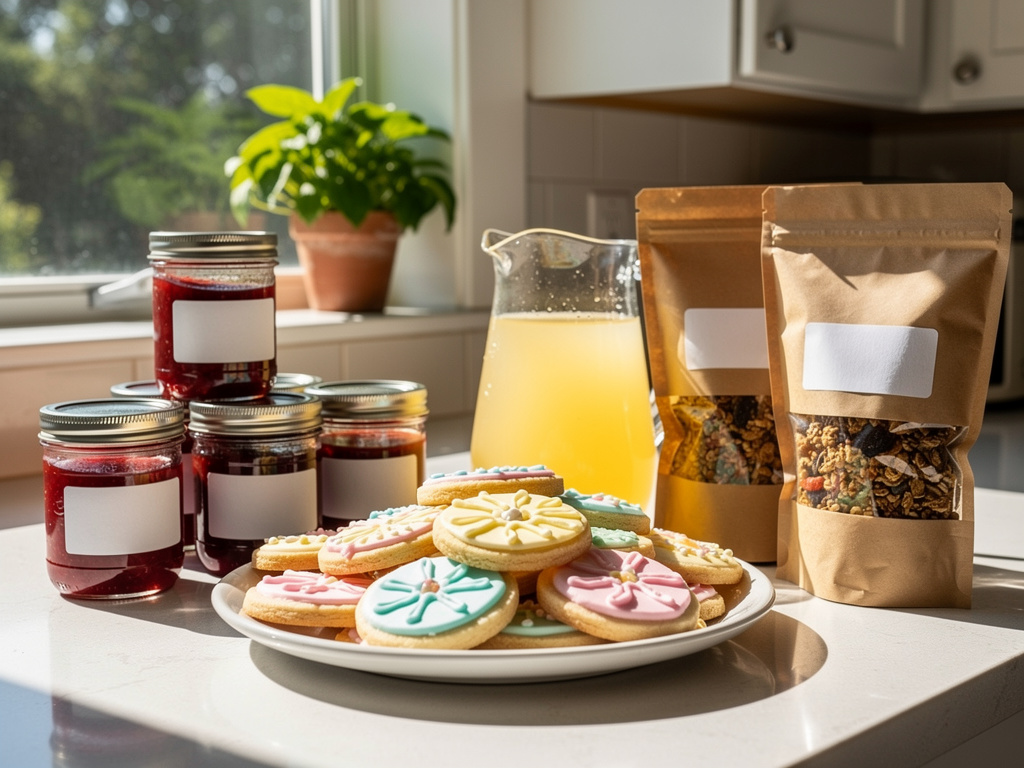


For a teacher, summer is a rare stretch of open time, and a home food business is one of the best ways to turn it into real income. You already have the skills it takes: organization, patience, a knack for explaining things, and a built-in community of parents, colleagues, and neighbors who know and trust you. A cottage food business is low-cost to start, flexible enough to run only in summer, and easy to pause when school starts again. This guide walks through how teachers can earn summer income with a home food business, from the seasonal model to what to sell.
The short version: Summer is ideal for a teacher to run a home food business: you have the time, the organizational skills, and a built-in community of parents and colleagues. A cottage food business, selling shelf-stable homemade goods like baked goods, candy, jams, and mixes, is low-cost to start and easy to run seasonally, ramping up in June and winding down for fall. Register under your state's cottage food program, sell to your school community first, and remember the income is taxable, so track it and set money aside. Homegrown gives you the storefront to take summer orders and pause when the school year returns. This is general information, not legal or tax advice.
This guide covers why summer suits teachers, whether a cottage food business is right for you, running it seasonally, what to sell, reaching customers, taxes, and mistakes to avoid. This is general information, not legal, tax, or financial advice.
Summer is a good time for teachers to sell food because you finally have the open hours a food business needs, along with skills and a community that give you a real head start. It's a natural fit for the season.
Why summer works for teachers:
The takeaway: summer gives teachers the time, and teaching gives you the skills and community, to run a food business with a real head start. The rule is to use the open summer window to launch, building on the basics of starting a cottage food business.
A cottage food business is right for most teachers because it's low-cost, home-based, flexible, and legal to run part-time and seasonally, as long as you sell shelf-stable products your state allows. It fits the teacher's life and calendar well.
Why it fits:
The takeaway: a cottage food business suits a teacher because it's low-cost, home-based, part-time, and legal to run seasonally with shelf-stable products. The rule is to confirm your state's rules and lead with shelf-stable products, the same foundation behind selling food from home.
You run a food business seasonally by launching in early summer, building momentum through the break, and winding down as school returns, with a clear plan for pausing. A seasonal rhythm keeps it sustainable.
Here's a simple summer timeline to work from:
| Phase | When | Focus |
|---|---|---|
| Launch | Late May to June | Set up, register, start selling |
| Build | June to July | Grow customers, refine products |
| Peak | July | Full production, repeat orders |
| Wind-down | August | Fill final orders, communicate the pause |
How to run it by season:
The takeaway: launch in early summer, build through the break, and wind down gracefully for fall, keeping your list for next time. The rule is to plan the seasonal rhythm up front, so the business fits your calendar instead of fighting it, much like managing off-season income.
You should sell shelf-stable products that are quick to make, summer-friendly, and popular with your community, cookies, brownies, candy, jams, granola, and dry mixes. Play to demand and ease of production.
Products that work for a summer business:
The takeaway: sell shelf-stable, easy-to-batch products your community wants, with a signature item to stand out. The rule is to keep the menu focused and summer-friendly, drawing on the fundamentals of selling baked goods.
You reach customers by starting with your school community, parents, colleagues, and neighbors, then broadening through social media, markets, and word of mouth. Your network is a powerful, ready-made market. Retirees start with the same advantage through church friends, clubs and old coworkers, and the guide to a cottage food side income in retirement shows how 20 regulars ordering every other week adds up to about 10 orders a week.
Ways to reach customers:
The takeaway: start with your trusted school community, then broaden through social media, markets, and word of mouth. The rule is to lean on the network you already have, since that trust is marketing money can't buy.
Your summer food income is taxable, so track your sales and expenses, set aside money for taxes, and report it, even as a part-time summer job. It's real income in the eyes of the IRS.
What to handle:
The takeaway: summer food income is taxable, so track it, set money aside, and report it like any self-employment. The rule is to treat it as a real business for taxes from your first sale, alongside your cottage food taxes.
The biggest mistakes are skipping registration, overcommitting your summer, underpricing to friends, and forgetting taxes. Each is avoidable with a little planning.
Mistakes to avoid:
The takeaway: the mistakes that matter most are skipping registration, overcommitting, underpricing, and forgetting taxes, all avoidable with planning. The rule is to register, scale to the summer you want, price properly, and plan your wind-down.
A summer food business runs on orders from your community, and it needs to pause cleanly when school returns, so you need a simple way to take orders and get paid, without losing a cut of every sale. That's what Homegrown is for.
Homegrown gives you an online storefront to sell your treats, take orders with pickup or delivery, and collect payment, all for a flat $10 a month with no percentage fees beyond standard payment processing. For a teacher earning summer income, a per-order commission eats into the margin that makes the whole effort worthwhile. A marketplace-style platform takes a percentage of every sale, and juggling DMs and payment apps gets messy fast. Homegrown bundles the storefront, order management, and payment into one flat rate, so your summer margin stays yours and you can simply pause and resume with the seasons. It won't suit everyone, if you sell a few dozen cookies to friends for cash, you may not need a storefront yet, but the moment you're taking real summer orders online, a flat monthly rate beats losing a percentage to a marketplace.
Ready to sell your summer treats online? Set up your Homegrown storefront and start taking orders.
Yes. Summer break frees up the daytime and weekday hours a food business needs, and teachers bring organization, planning, and a built-in community of parents and colleagues. A cottage food business is low-cost, home-based, and easy to run seasonally, so you can earn when you're free and pause gracefully when school returns.
Yes. Nothing requires you to sell year-round. Cottage food is built for small, part-time operations, so ramping up for summer and pausing for the school year is completely workable. Just confirm what your state's cottage food registration requires to stay valid if you pause and resume, and communicate your seasonal schedule clearly to customers.
Shelf-stable, easy-to-batch products your community wants: cookies, brownies, candy, jams, granola, and dry mixes. Summer fruit makes jams a seasonal natural, and baked goods are affordable and universally loved. Keep your menu focused, lead with a signature item you make especially well, and confirm your products fit your state's approved cottage food list.
Yes. Summer food earnings are taxable, and you may owe self-employment tax on your net earnings, even as a seasonal side job. Track your sales and deductible expenses, set aside money for taxes, and keep business and personal funds separate. Remember your teaching salary plus summer income shape your overall tax picture, so plan with the full year in mind.
Start with your school community, parents, fellow teachers, and school families who already know and trust you, then broaden through social media, summer farmers markets, and word of mouth. Summer cookouts, camps, and gatherings create natural demand for treats and gifts. That built-in trust in a tight community is marketing money can't buy.
It depends on your time, pricing, and market, but a focused summer of selling to a trusted community can bring meaningful supplemental income. The keys are keeping startup and ingredient costs low, pricing to cover your time rather than underselling to friends, and building repeat customers you can sell to again next summer or over the holidays.



