
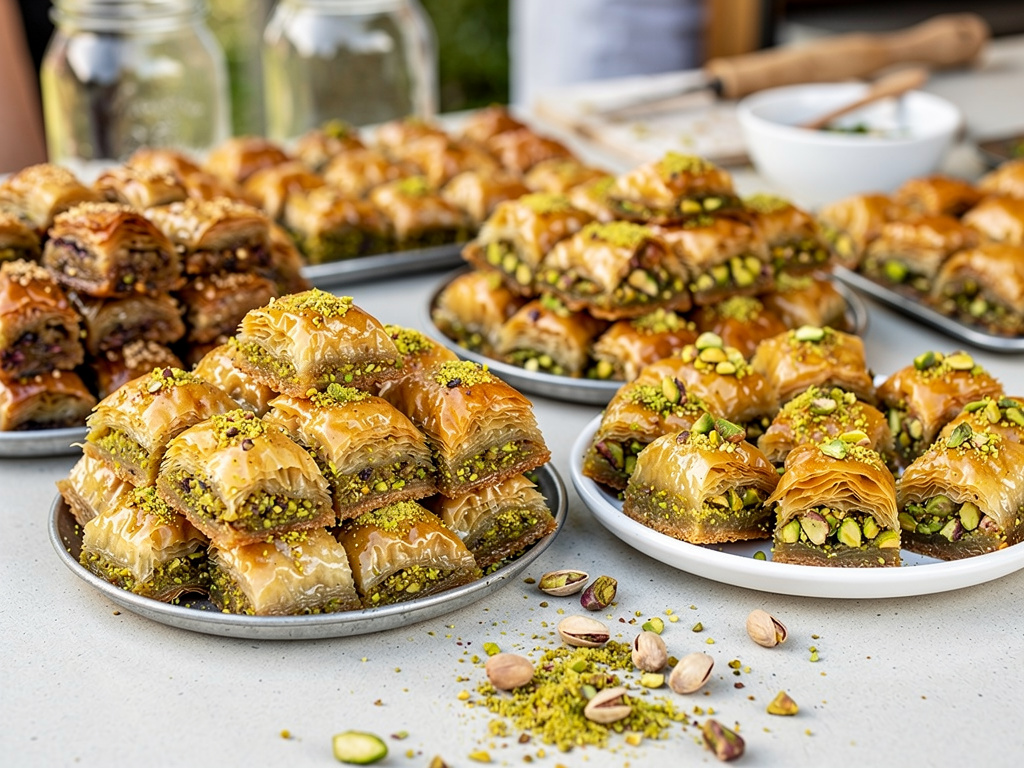


Middle Eastern sweets, from flaky, honey-soaked baklava to buttery ma'amoul and nutty halva, are among the most beautiful and beloved desserts in the world, and they're a genuine opportunity for a home baker. Here's the good news: most classic Middle Eastern sweets are shelf-stable pastries, cookies, and confections, which means they're often cottage-food-legal, unlike the perishable dishes many heritage cooks can't sell. These treats travel well, make stunning gifts, and have passionate demand across Middle Eastern, Mediterranean, and food-loving communities. If you make baklava or ma'amoul that rivals what customers grew up with, you have a product that sells itself, and a market that struggles to find authentic versions.
The short version: Most Middle Eastern sweets, baklava, ma'amoul, halva, ghraybeh, and similar pastries and confections, are shelf-stable, so they're often cottage-food-legal, unlike perishable dishes. Confirm your state's rules. These treats sell for premium prices, travel and gift beautifully, and have strong seasonal demand around Ramadan, Eid, and other occasions. Focus on authentic, well-made sweets, disclose the nuts they commonly contain, package them beautifully, and reach the Middle Eastern community and food lovers. Your biggest wins are the shelf stability, gift appeal, and premium value of these gorgeous, beloved treats.
This guide covers why these sweets sell, the legal basics, which treats to offer, pricing, and reaching customers who crave authentic Middle Eastern desserts.
Middle Eastern sweets are a great product because they're beloved, shelf-stable, premium, and gift-worthy, with passionate demand and little authentic local competition. These treats are tied to hospitality, celebration, and tradition, and finding truly authentic versions can be hard, which creates strong demand for a skilled home baker.
Here's what makes them work:
The honest note: Middle Eastern pastries like baklava are genuinely skilled work, requiring practice with delicate phyllo, syrups, and technique, and they're often nut-heavy, which means careful allergen handling. But their shelf stability, premium value, gift appeal, and passionate demand make them one of the most rewarding heritage products to sell. For customers who grew up with these sweets, authentic homemade baklava or ma'amoul is a treasured taste of home worth seeking out and paying for.
Most Middle Eastern sweets are legal to sell from home under cottage food law, because they're shelf-stable pastries, cookies, and confections, exactly the kind of products cottage food law allows. Baklava, ma'amoul, halva, and similar treats generally qualify like any other baked good or candy.
A few points to keep straight:
Every state sets its own rules, so confirm your local requirements. Our overview of how cottage food law treats heritage foods explains why these shelf-stable sweets qualify, and the cottage food laws by state directory points you to the specifics where you live. Because most Middle Eastern sweets are shelf-stable, they're a genuinely accessible product to sell from home.
The Middle Eastern sweets that sell best are the beloved classics that showcase the flaky pastry, nuts, and syrups these desserts are famous for. Because these treats are treasured and often gifted, offering the recognizable favorites, made authentically, is your strongest strategy.
Sweets that sell:
Ways to strengthen your line:
Beautiful assorted boxes are especially powerful, since Middle Eastern sweets are given as gifts and shared at gatherings, and a gorgeous variety box makes a stunning present. Lead with the beloved classics made authentically, and a well-made, beautifully presented line of these treasured sweets is what earns a loyal following.
Price Middle Eastern sweets at a premium, reflecting their intricate work, quality nuts, and gift value, with pieces at $1.50 to $4 and assorted boxes at $20 to $50 or more. These sweets are labor-intensive and use expensive ingredients like pistachios, so premium pricing is both justified and expected.
A pricing structure that works:
Assorted gift boxes are your best tool for raising the average order, since these sweets are so often given as gifts. If pricing your work fairly feels uncomfortable, read why charging what you're worth feels wrong, and see how vendors approach pricing baked goods and treats. Given the genuine skill and expensive nuts involved, especially pistachios, price your authentic Middle Eastern sweets for the premium, handmade quality they represent.
Reach Middle Eastern sweet customers through the Middle Eastern and Mediterranean community, gift shoppers, and food lovers, using the gift appeal, authenticity, and beauty of your treats. Your customers are people who grew up with these sweets, want them for celebrations, or love discovering authentic Middle Eastern desserts.
Ways to find your customers:
Ramadan and Eid drive powerful seasonal demand, and these sweets are central to celebrations and hospitality year-round. Because they're shelf-stable and shippable, you can reach customers beyond your area, especially for gifting. Managing gift orders and seasonal rushes through DMs gets messy, so a real storefront helps. Here's how to sell food online as a local vendor so your sweet orders stay organized.
A shelf-stable, giftable, premium treat with strong seasonal demand fits an online storefront well. Homegrown is $10 a month with no percentage fees beyond standard payment processing, and it gives you an order page where customers browse your sweets, buy pieces or gift boxes, and reorder easily. Because these sweets are shelf-stable, you fulfill from stock with little waste.
How it compares to the alternatives:
What Homegrown does well for a Middle Eastern sweets vendor: a clean storefront that showcases your beautiful treats, easy pieces and gift boxes, effortless reorders, a customer list for seasonal announcements, and a fifteen-minute setup. What it doesn't do: it won't make your sweets, guarantee sales, or ship for you. It gives your legal, shelf-stable products a place to sell and be reordered. When your products and rules are set, you can set up your storefront and sell your sweets today.
The most important mistakes are weak allergen labeling given the heavy nut content and underpricing intricate, expensive sweets. Because these treats are nut-heavy and premium, the errors that matter most involve safety and value.
Mistakes to avoid:
Getting these right lets you sell gorgeous, authentic Middle Eastern sweets that delight a loyal, gift-giving community.
Yes, you can usually sell baklava, ma'amoul, halva, and most Middle Eastern sweets from home under cottage food law, because they're shelf-stable pastries, cookies, and confections, exactly the kind of products cottage food law allows. Some versions with fresh cream or custard fillings may be perishable and require refrigeration. Confirm your state's rules, but most classic Middle Eastern sweets are cottage-legal and a genuinely accessible product to sell from home.
Most Middle Eastern sweets are shelf-stable and last one to three weeks or more when stored properly, since baklava, ma'amoul, halva, and similar treats are made to keep. Their syrups and dry ingredients help preserve them. Store them in airtight containers away from heat, and label with a best-by date; the National Center for Home Food Preservation offers reliable, university-backed guidance on storing homemade foods to keep them at their best. This long shelf life is a major advantage, making these sweets ideal for gifting, shipping, and stocking up for the holidays.
Baklava and Middle Eastern sweets command premium prices, with individual pieces at $1.50 to $4 and assorted gift boxes at $20 to $50 or more, reflecting the intricate work and expensive nuts like pistachios. These treats are labor-intensive and use costly ingredients, so premium pricing is both justified and expected. Assorted gift boxes are the best way to raise your average order, since these sweets are so often given as gifts.
Yes, you must clearly and prominently disclose nuts in your Middle Eastern sweets, since they're often heavy in pistachios, walnuts, and almonds, which are major allergens, along with wheat and dairy. Clear allergen labeling is both required and a serious safety responsibility given how nut-heavy these treats are. List all allergens on your label with your ingredients, net weight, and information, so customers with allergies can make safe choices.
Demand for Middle Eastern sweets is highest around Ramadan and Eid, when these treats are central to celebrations and gift-giving, as well as other holidays and occasions throughout the year. These are powerful seasonal windows for premium sweets and beautiful gift boxes. Planning production, taking pre-orders, and offering gift options for these times is key, since demand surges and the community seeks authentic, homemade sweets for their celebrations and hospitality.
Baklava is the recognizable star and a great anchor for your line, though it takes practice with phyllo, while ma'amoul and ghraybeh cookies are more forgiving to start with and equally beloved, especially around holidays. Halva is another shelf-stable, popular option. Starting with a few beloved classics you can make consistently and authentically, then expanding, builds your skills and reputation while offering the treats customers most want. It's better to make three or four sweets exceptionally well than a dozen inconsistently, since these desserts are judged against the authentic versions customers grew up with, and reputation in this tight-knit community travels quickly and powerfully by word of mouth.
Yes, you can ship most Middle Eastern sweets, since baklava, ma'amoul, halva, and similar treats are shelf-stable and travel well, which lets you reach the Middle Eastern community and food lovers beyond your area, especially for gifting. Pack them carefully to protect delicate pastries. Confirm your state's rules on shipping cottage foods before shipping across state lines. This shippability is a major advantage over perishable heritage foods and opens a wider market.
You can sell Middle Eastern sweets at farmers markets, cultural and community events, through an online storefront for pickup, and shipped for gifting across the country. Community events and Middle Eastern and Mediterranean grocery or specialty venues are especially strong, since customers there seek authentic treats. An online storefront lets you showcase your beautiful sweets and take gift-box and holiday orders, which is valuable given how much of the demand centers on Ramadan, Eid, celebrations, and gifting to family and friends.
Middle Eastern sweets reward vendors who master the craft and lean into their strengths: sell the shelf-stable classics like baklava and ma'amoul that are cottage-legal, label the nuts they contain clearly, price for their intricate premium quality, and market to the gift and seasonal demand. As gorgeous, beloved, shelf-stable treats, they're one of the most rewarding heritage products to sell. When your products and rules are set, set up a Homegrown storefront and share your Middle Eastern sweets.



