
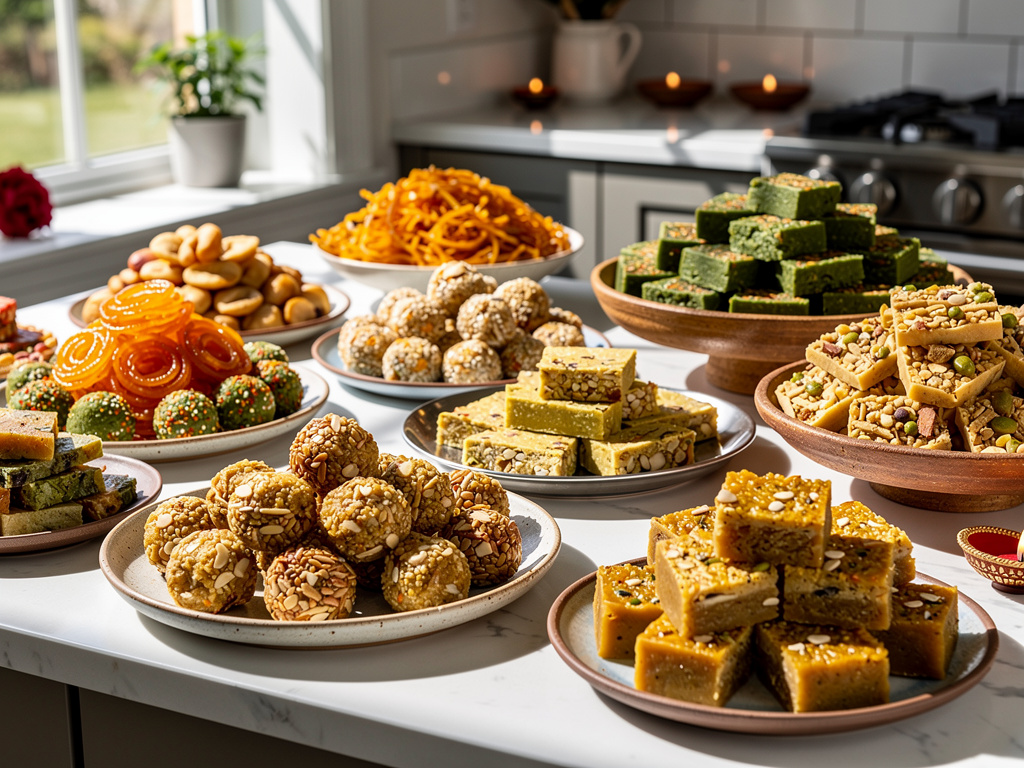


Indian cuisine is one of the richest and most beloved in the world, and if you cook or make Indian sweets and snacks, there's a real hunger for authentic, homemade versions, both in the Indian community and among food lovers who can't get enough. But before you take orders for your samosas, biryani, or barfi, you need to understand a key distinction that runs through Indian food: some of it is shelf-stable and cottage-food-legal, while much of it, the curries, the rice dishes, the fresh sweets, is perishable and requires a licensed kitchen. The great news is that Indian cuisine is unusually rich in shelf-stable products, dry snacks (namkeen), certain mithai, spice blends, chutneys, and pickles, so there's plenty you can sell from home legally. Here's how to figure out which of your Indian foods you can sell, and how to build a business around them.
The short version: Indian cuisine has many shelf-stable, cottage-legal products, dry snacks like namkeen and chivda, certain shelf-stable mithai, spice blends (masalas), and some chutneys and pickles, while perishable dishes like curries, biryani, and fresh dairy sweets usually require a licensed kitchen. Confirm your state's rules and each product's shelf stability. Start with your shelf-stable snacks, sweets, and spice products, disclose allergens (nuts and dairy are common), and reach the Indian community and food lovers. Your biggest wins are Indian food's rich variety of shelf-stable products you can sell now.
This guide covers which Indian foods are cottage-legal, which aren't, what to offer, pricing, and reaching customers who crave authentic Indian food.
Many Indian foods are cottage-legal because they're shelf-stable, including dry snacks (namkeen), certain mithai, spice blends, and some chutneys and pickles. Indian cuisine is unusually rich in shelf-stable products, which gives home cooks plenty to sell legally, more than many cuisines offer.
Shelf-stable Indian foods often allowed:
Because Indian cuisine offers so many shelf-stable options, you have a genuine range of products to sell from home. That said, some mithai contain fresh dairy (like fresh chhena-based sweets) and are perishable, and some chutneys and pickles depend on preparation for shelf stability, so confirm each product. Our overview of how cottage food law treats heritage foods explains the shelf-stable-versus-perishable rule, and the cottage food laws by state directory points you to your state's specifics.
Many beloved Indian dishes require a licensed kitchen because they're perishable, including curries, rice dishes like biryani, and fresh dairy sweets. If your signature dish is a curry, a rice dish, or a fresh sweet, it likely falls outside cottage food law.
Perishable Indian foods that usually need a licensed kitchen:
This is often the hard part for Indian cooks, since curries, biryani, and fresh sweets are among the most beloved dishes, but they're perishable foods that require a licensed or commissary kitchen, catering permits, or a home-kitchen permit program where your state offers one. The FDA's guidance on foodborne illness explains why these dishes carry strict rules. The good news is that Indian cuisine's rich shelf-stable offerings let you sell plenty from home while pursuing a licensed path for your perishable signature dishes later.
The Indian products that sell best from home are the shelf-stable snacks, sweets, and spice blends that customers love and can't easily find fresh and authentic. Because these treats and products are treasured, offering the recognizable favorites, made authentically, is your strongest strategy.
Products that sell:
Ways to strengthen your line:
Festival demand is powerful, especially Diwali, when sweets and snacks are essential for celebrations and gifting. A well-made line of authentic shelf-stable snacks, sweets, and spice blends, with festival specialties, serves both everyday cravings and the major seasonal spikes, giving you steady and celebration-driven sales.
Price Indian snacks and sweets by the bag or box, with namkeen at $6 to $14, mithai boxes at $12 to $30, and spice blends at $6 to $14, reflecting quality ingredients and authentic preparation. These products range from affordable everyday snacks to premium festival sweets, so price each for its value.
A pricing structure that works:
Festival gift boxes and assortments are your best tool for raising the average order, especially around Diwali when sweets and snacks are given as gifts. If pricing your work fairly feels uncomfortable, read why charging what you're worth feels wrong, and see how vendors approach pricing snacks and treats. Price your authentic Indian products for the quality ingredients and genuine preparation they involve, since customers value real, homemade Indian food over anything mass-produced.
Reach Indian food customers through the Indian and South Asian community, food lovers, and festival shoppers, using authenticity, festival timing, and the convenience of quality homemade products. Your customers are people who grew up with these foods, want them for celebrations, or love authentic Indian flavors.
Ways to find your customers:
Diwali drives powerful seasonal demand for sweets and snacks, and other festivals add more. Because shelf-stable products keep well and can be shipped, you can reach the South Asian community and food lovers beyond your area, especially for festival gifting. Managing gift orders and festival rushes through DMs gets messy, so a real storefront helps. Here's how to sell food online as a local vendor so your orders stay organized.
A shelf-stable, giftable heritage product with strong festival demand fits an online storefront well. Homegrown is $10 a month with no percentage fees beyond standard payment processing, and it gives you an order page where customers browse your snacks, sweets, and spice blends, buy items or festival gift boxes, and reorder easily. Because these products are shelf-stable, you fulfill from stock with little waste.
How it compares to the alternatives:
What Homegrown does well for an Indian food vendor: a clean storefront that showcases your snacks, sweets, and spices, easy items and festival gift boxes, effortless reorders, a customer list for festival announcements, and a fifteen-minute setup. What it doesn't do: it won't make your products, verify shelf stability, or ship for you. It gives your legal, shelf-stable products a place to sell and be reordered. When your products and rules are set, you can set up your storefront and sell your Indian food today.
The most important mistakes are selling perishable dishes from home and misjudging which sweets are shelf-stable. Because eligibility turns on perishability, the errors that matter most involve shelf stability.
Mistakes to avoid:
Getting these right lets you sell authentic Indian food legally, starting with the rich variety of shelf-stable products and building toward perishable favorites.
You can sell many Indian foods from home under cottage food law, since Indian cuisine is rich in shelf-stable products like dry snacks (namkeen), certain mithai, spice blends, and some pickles, which qualify. However, perishable dishes like curries, biryani, and fresh dairy sweets usually require a licensed kitchen. Confirm your state's rules and each product's shelf stability. The good news is Indian cuisine offers many shelf-stable options to sell from home right away.
You can sell shelf-stable Indian sweets from home, like besan ladoo, dry barfi, and other dry mithai, since they qualify under cottage food law. However, fresh dairy-based sweets like rasgulla, rasmalai, and fresh chhena sweets are perishable and require refrigeration, putting them outside cottage food law. Confirm each sweet's shelf stability and your state's rules, and start with the dry, shelf-stable mithai, which are especially in demand around festivals like Diwali.
You generally cannot sell curries or biryani from an unlicensed home kitchen, because they're perishable dishes, curries contain meat or dairy and need refrigeration, and biryani is a cooked-rice dish, which is a perishable TCS food. These require a licensed or commissary kitchen, catering permits, or a home-kitchen permit program where your state allows perishable foods. Many Indian cooks start with shelf-stable snacks and sweets and pursue a licensed path for these dishes.
The easiest Indian snacks to sell are shelf-stable namkeen and dry snacks like chivda, sev, mathri, murukku, and mixture, since they're crunchy, dry, cottage-legal, and popular year-round. Spice blends like garam masala are also easy and have broad appeal to home cooks of all backgrounds. Starting with these shelf-stable, in-demand products lets you sell authentic Indian food from home right away with strong everyday and festival demand.
Demand for Indian sweets and snacks is highest around Diwali, the festival of lights, when mithai and namkeen are essential for celebrations and gifting, as well as other festivals like Holi, Raksha Bandhan, and regional celebrations. These are powerful seasonal windows. Planning production, taking pre-orders, and offering festival gift boxes for these times is key, since demand surges dramatically and the community seeks authentic, homemade sweets and snacks for their celebrations.
You may be able to sell shelf-stable Indian pickles (achaar) made with proper acidity, oil, and preparation that keep them shelf-stable, but fresh chutneys like coriander or mint chutney are perishable and require refrigeration. The distinction is whether the product is genuinely shelf-stable. Confirm each product carefully with your state, since pickles and chutneys vary in their shelf stability based on preparation, and some may fall into acidified-foods categories with specific requirements. The National Center for Home Food Preservation is a reliable, university-backed resource for understanding what makes pickled and preserved foods safely shelf-stable.
Yes, you can ship shelf-stable Indian snacks and sweets like namkeen, dry mithai, and spice blends, since they keep without refrigeration, which lets you reach the South Asian community and food lovers across the country, especially for festival gifting. Confirm your products are genuinely shelf-stable and check your state's rules on shipping cottage foods. This shippability is a major advantage, opening a wide market for your authentic Indian products, particularly around Diwali.
You can sell shelf-stable Indian snacks and sweets at farmers markets, cultural and festival events, through an online storefront for pickup, and shipped for festival gifting across the country. Community and festival events, and Indian grocery or specialty venues, are especially strong, since customers there seek authentic products. An online storefront lets you take festival gift-box and reorder requests and reach the South Asian community beyond your area, which is valuable given how much demand centers on Diwali and other celebrations.
Indian cuisine rewards vendors who know the rules and lean into its rich shelf-stable offerings: sell the namkeen, dry mithai, spice blends, and shelf-stable pickles that are cottage-legal, disclose the nuts and dairy they contain, market to the powerful festival demand, and pursue a licensed kitchen for perishable favorites like curries. With so many shelf-stable products, Indian food is a rewarding heritage cuisine to sell from home. When your products and rules are set, set up a Homegrown storefront and share your Indian food.



