
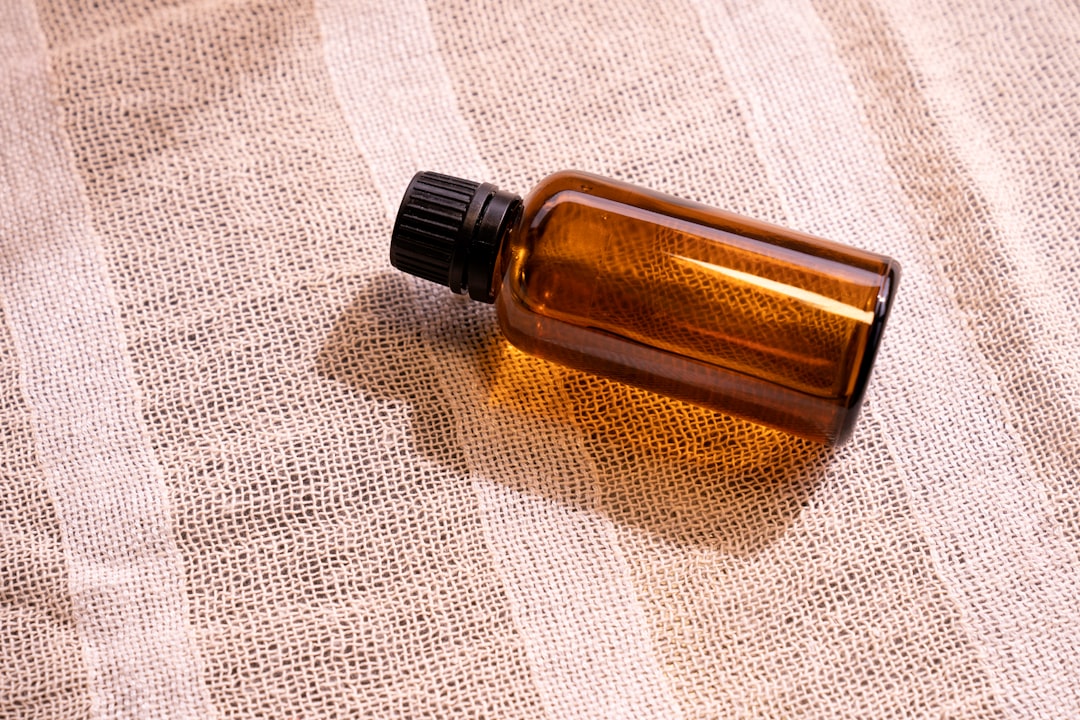


The short version: Homemade vanilla extract is vanilla beans steeped in alcohol, and FDA's standard says real vanilla extract is at least 35% alcohol, so the alcohol decides whether you can sell it. Of the 8 states we read for this guide, 5 let a home kitchen sell finished extract today (Texas, California, Michigan, Florida and Washington, though Florida's yes comes from a 2021 FDACS brochure its current page does not repeat), Colorado's agency names it from January 1, 2027, and Ohio and New York do not. On the federal side, the TTB rules for flavoring extracts are about claiming back part of the liquor tax, and the regulation says no registration is needed in a year you do not claim it. Where it is legal, a 4-ounce bottle costs about $6.66 to make and specialty vanilla shops charge $13.99 to $16.99 for a single-strength Madagascar or blended one (Tahitian was $24.00 but sold out on October 12), and where it is not, a kit of beans plus a bottle the buyer fills at home is the usual way in.
Checked October 12, 2026: each state's agency page in the state table, FDA's vanilla rules at 21 CFR 169.175, TTB's 27 CFR part 17, bean prices from Slofoodgroup and Vanilla Bean Kings, a bottle price from Specialty Bottle, a vodka price from Caskers, and Homegrown's signup page. This is general information, not legal advice, so verify your state's current rules before your first sale. Homegrown customers create an account to place a first order, and Homegrown has no drops feature.
If your state lets a home kitchen sell vanilla extract, you can set up a Homegrown storefront so local customers can order ahead, and try it free for 7 days.
Homemade vanilla extract looks like the perfect product: it's simple to make, it improves with age, and a bottle sells for far more than it costs. Real vanilla extract is made with alcohol, and that single fact turns an easy pantry product into one with legal complications. Before you bottle a batch to sell, you need to understand the alcohol rules, because they, not the vanilla, are what determine whether you can legally sell it at all.
This guide covers the alcohol and legal issues first, state by state, then how to make extract that meets the federal recipe, what a bottle costs, how to price it, what goes on the label, and how to sell it if your state permits. If you are still sorting out the basics of your state's home food law, start with the cottage food laws by state directory, then come back here for the vanilla-specific part.
Whether you can legally sell homemade vanilla extract depends on your state, and in 2 of the 8 states this guide checked the answer today is no, while a third, Colorado, does not name extract until January 1, 2027. This is the most important thing to understand, because vanilla extract's alcohol content sets it apart from every other pantry product. Real vanilla extract, by the FDA's standard of identity at 21 CFR 169.175, must contain at least 35% alcohol by volume, which is why it isn't treated like a simple dry seasoning.
Here's what makes it complicated:
Because the answer flips from state to state, do not assume vanilla extract is sellable just because it's a common homemade product. Our overview of what foods you can sell under cottage food laws explains how these lists work in general. For an alcohol-based product, read your own state's page and, if it does not name extracts, ask the agency in writing before you buy beans in bulk.
On October 12, 2026, five of the eight states we read allowed homemade vanilla extract under their home food rules: Texas, California, Michigan, Florida and Washington, with Florida's yes resting on a 2021 FDACS brochure. Colorado lists extracts under the law that starts January 1, 2027 and tells sellers to email CDPHE before then, while Ohio and New York say no. We read each state's own agency page or rule, not a summary. Homegrown's longer guide for each of these states is linked in the next section.
Scroll sideways to see every column.
| State | Finished vanilla extract from a home kitchen? | What the state's own page or rule says | Where and how you can sell | Yearly sales cap |
|---|---|---|---|---|
| Texas | Yes, today | DSHS: "Allowable foods now include any foods," except meat and poultry, seafood, ice products, low-acid canned goods, CBD or THC products, and raw milk. Extract is not in those six. | Direct to consumers, farmers markets, and online if you, an employee or a household member personally delivers. Wholesale to a registered cottage food vendor is allowed for foods that need no refrigeration. | $150,000, adjusted each year for inflation |
| California | Yes, today | CDPH's Approved Cottage Foods list (reviewed April 2026) allows extracts "containing at least 70 proof or 35% food-grade" alcohol, and vanilla is one of the 22 named flavors. | Register (Class A) or get a permit (Class B) from your county. Direct sales can be filled in person or by mail. | $75,000 Class A, $150,000 Class B |
| Michigan | Yes, today | MDARD: "Extracts that are used for flavoring foods, like vanilla extract" are allowed. | Direct to the consumer, inside Michigan only. Online or mail sales are fine if you give the buyer a chance to "directly interact" with you before the sale, which MCL 289.4102(4) says "includes either a face-to-face meeting or a virtual meeting," one where people "can see or be seen and hear or be heard." | $50,000 ($75,000 if products sell for $250 or more) |
| Florida | Yes, today, per FDACS's brochure | FDACS's 2021 cottage food brochure: "Can I make vanilla extract? Yes." It adds that you should contact the state's Division of Alcoholic Beverages and Tobacco about the alcohol. FDACS's current Cottage Foods page lists approved products and does not name extracts, so confirm with FDACS and that division before you sell. | In person, online, and by mail inside the rules of section 500.80. No wholesale. | $250,000 |
| Colorado | Not named today; named from January 1, 2027 | CDPHE's current page defines eligible foods as those that "do not require refrigeration for safety" and gives a list of examples that does not name extracts, then says "To confirm if your product is eligible to be sold under the Act, you can contact us at cdphe_mfgfd@state.co.us." Its page for the Tamale Act, which starts January 1, 2027, lists "Extracts (Vanilla, Almond)" and says extracts using alcohol "are allowed as they are not intended for people to drink." | Before 2027, email CDPHE at cdphe_mfgfd@state.co.us before you sell. Check CDPHE's page when the new law starts. | $10,000 in net revenue per product type under today's Act, per CDPHE's FAQ |
| Ohio | No | Ohio rule 901:3-20-04 approves 20 kinds of cottage food. Extracts are not one of them. | Not as a cottage food. A licensed kitchen is the other route. | n/a |
| Washington | Yes, today, with a WSDA cottage food permit | WSDA's cottage food page lists "Vanilla extract that meets FDA's standard of identity under 21 CFR 169.175" among approved products, and WAC 16-149-120 says its own list "is not all inclusive." Only products WSDA approves on your permit may be made, so list the extract on your application. | Only to the end consumer, from your home, at farmers markets, craft fairs and other public venues. WSDA's FAQ rules out internet, mail, consignment and wholesale sales, and RCW 69.22.020 says cottage food "may not be sold by internet." Another WSDA FAQ answer and WAC 16-149-040 allow taking orders online when the sale, payment included, is finished in person. The permit is $355 for two years. | $35,000 in gross sales |
| New York | No | Agriculture and Markets lists "Products containing alcohol" as prohibited for home processors. | Not as a home processor. | n/a |
We read each state's page or rule on October 12, 2026: the Texas DSHS cottage food page, CDPH's Approved Cottage Foods list and its Cottage Food Operations page, MDARD's "What can I make" page and its March 2026 one-pager, MCL 289.4102, Florida statute 500.80, the FDACS cottage food brochure and FDACS's Cottage Foods page, CDPHE's Cottage Foods Act page and its Tamale Act eligibility page, Ohio rule 901:3-20-04, WSDA's cottage food page and WAC 16-149-120 with the HB 2703 status page, RCW 69.22.020 and WAC 16-149-040, and New York's home processing page. This table covers 8 states, not all 50.
Two rows in this table may change. Colorado's agency names extracts from January 1, 2027. Michigan's law set the $50,000 cap until October 1, 2026, and MDARD may now adjust it for inflation each October 1; MDARD's pages still showed $50,000 on October 12, 2026, so confirm the current cap. Washington's House Bill 2703 would have written "extracts, such as vanilla extract" into the state's cottage food statute, but its status page shows one action, a January 29, 2026 referral to the House agriculture committee, and it never left committee. WSDA already allows vanilla extract that meets FDA's standard, so the bill does not change Washington's answer.
The sources behind each row are linked here, so you can read the exact words yourself. California's list is the CDPH Approved Cottage Foods list, and its sales caps are on the CDPH Cottage Food Operations page. Michigan's answer is on MDARD's "What can I make" page, and its in-state-only rule and cap are on MDARD's March 2026 one-pager, with the online-sale meeting rule and the cap's inflation clause in MCL 289.4102. Florida's $250,000 cap and mail-delivery rule are in section 500.80 of the Florida Statutes, and the vanilla answer is in the FDACS cottage food brochure, a 2021 edition posted by UF/IFAS Extension, while FDACS's current Cottage Foods page lists approved products without naming extracts. Colorado's coming change is on CDPHE's Tamale Act eligibility page, and today's list is on CDPHE's Cottage Foods Act page. Ohio's list is rule 901:3-20-04, Washington's vanilla answer is on WSDA's cottage food page, with the rule at WAC 16-149-120 and the bill on the HB 2703 status page, its internet ban is in RCW 69.22.020 and its in-person website rule in WAC 16-149-040, and New York's prohibited list is on the Agriculture and Markets home processing page.
Homegrown's state guides cover the full home food law for each state in the table, including registration, labels and where you can sell. Use them for everything beyond the vanilla question:
If your state is not one of these 8, read its agency's allowed-foods list and search it for "extract" and "alcohol." A list that names neither is a reason to email the agency, not a yes.
Yes, under the Texas cottage food law as it has stood since September 1, 2025, you can sell homemade vanilla extract, because the law as rewritten by Senate Bill 541 allows "any foods" except six excluded groups, and extract is not one of the six. The Texas DSHS cottage food page lists those six: meat and poultry, seafood, ice and ice products, low-acid canned goods, products with CBD or THC, and raw milk. Extract does not need refrigeration, so the extra registration Texas requires for refrigerated foods does not apply to it.
The DSHS page says cottage food may be sold online when "The operator, an employee, or a household member personally delivers the food to the consumer." That rules out shipping a bottle to a buyer in another city. DSHS also requires you to post all the label information on your website before you take payment. It also lets you register with DSHS and print a registration number on your label instead of your home address. Since no DSHS page we read names vanilla extract by name, email DSHS your recipe and ask before your first sale.
The 2025 law, which also raised the yearly sales cap from $50,000 to $150,000, added two new routes for extract (ideas 1 and 4 below). The other three work under any Texas cottage food setup:
The federal government regulates homemade vanilla extract in two ways: FDA decides what can be called "vanilla extract," and TTB's rules for flavoring extracts deal with refunding part of the federal liquor tax. Neither one is a federal license to sell, and neither overrides your state.
FDA's standard of identity. FDA's rule at 21 CFR 169.175 says vanilla extract must be at least 35% ethyl alcohol by volume and must hold at least one "unit" of vanilla per gallon. 21 CFR 169.3 defines that unit as the flavor pulled from 13.35 ounces of vanilla beans with no more than 25% moisture. Wetter beans count for less, so FDA's own example says beans at 33.25% moisture take 15 ounces to make one unit. A product with less than 35% alcohol is "vanilla flavoring" under 21 CFR 169.177, not vanilla extract.
TTB's nonbeverage rules. TTB's regulations at 27 CFR part 17 apply to "flavors, flavoring extracts" and similar products "that are unfit for beverage use and are made with taxpaid distilled spirits." The point of part 17 is drawback, a refund of most of the federal excise tax already paid on the liquor. Section 17.21 says "No registration is required for any year in which the claimant does not file a claim for drawback." Part 17 also notes, in its section on food product formulas, that TTB approval "does not authorize manufacture or sale contrary to State law."
What that means for a home vendor buying vodka at a liquor store:
People want to sell vanilla extract because $6.66 in materials makes a 4-ounce bottle that specialty vanilla shops price at $13.99 to $16.99 for single-strength Madagascar or blended extract (Tahitian was listed at $24.00 but sold out on October 12, 2026), and unlike perishable goods, extract keeps for years and can mellow on the shelf. That makes it an appealing product where it's legally allowed.
Where it's permitted, the appeal is real:
In Ohio and New York a home kitchen cannot sell finished extract today, and Colorado's agency does not name it until January 1, 2027 and asks you to email before then, which is exactly why you resolve the legal question before investing in beans and bottles. Where it is allowed, though, the product's economics and shelf life are excellent.
In a pull of the Homegrown catalog on October 12, 2026, 2,865 products were listed by 317 vendors, and exactly one was a finished vanilla extract: Rise & Simmer's "Vanilla extract 4oz" at $16, described as "Homemade Madagascar vanilla extract. Ingredients: Madagascar vanilla beans and vodka." One more was Thomas Family Farm's vanilla bean paste, listed as 4 oz at $7. We searched product names and descriptions for the whole words "extract" and "vanilla," read all 171 "vanilla" matches and all 49 "extract" matches, and read every listing from both vendors. The other 48 "extract" matches were baked goods and other foods that name an extract as an ingredient, herbal tinctures, and a body scrub. A listing price is not a sale, so this shows what is listed, not what sells.
You make quality vanilla extract by steeping split vanilla beans in 80-proof vodka or another spirit at about 1 ounce of beans per cup (8 fluid ounces), then aging it about 6 months to a year. The process is simple, but patience and enough beans are what separate a rich, professional extract from a weak one.
The basics of a good extract:
Here is the batch process, start to bottle:
Quality beans, the right ratio, and patience are what make an extract worth a premium price.
Start your December batch by June. At 6 months, the short end of Vanilla Bean Kings' range, beans that go into the jar on June 1 are ready to test on December 1. A half-gallon jar with 32 fluid ounces of alcohol and 4 ounces of beans would fill eight 4-ounce bottles if the beans soaked up nothing, so plan on 7 full bottles per jar, one jar for every seven holiday pre-orders.
Homemade vanilla extract takes about 6 months to 1 year to steep. That is the timeline Vanilla Bean Kings gives with its extract kit, and it is why vanilla rewards vendors who plan ahead. The hands-on part is short: weigh, split, pour and shake.
What the waiting looks like:
If you plan to sell, the clock matters more than the recipe. Work backward from the date you want to sell, add 6 months to a year, and start then.
You can make a vanilla product without alcohol, usually by steeping beans in food-grade glycerin, but you cannot call it "vanilla extract." FDA's standard requires at least 35% alcohol for that name, and its separate name for a vanilla product with some alcohol but less than 35% is "vanilla flavoring."
What that means if you are thinking about an alcohol-free version:
For most home vendors, the simpler alcohol-free product is the DIY kit covered below, where the buyer adds their own alcohol at home.
A 4-ounce bottle of homemade vanilla extract takes about $6.66 in materials with Grade B Madagascar beans, at prices we loaded on October 12, 2026, and the beans are more than half of that. That is also the answer to why vanilla extract is so expensive in stores: the beans cost far more than the alcohol.
The math for one 4-ounce bottle at 1 ounce of beans per 8 fluid ounces of vodka:
Materials cost of one 4-ounce bottle
Source: Slofoodgroup, Caskers, Specialty Bottle and Vanilla Bean Kings product pages, loaded October 12, 2026. Total $6.66 per bottle, before the little liquid the beans soak up.
Switch to Vanilla Bean Kings' Organic Madagascar Grade A beans at $139.99 a pound and the beans cost $4.37 a bottle, for a total of $7.16 (the parts, each rounded to the cent, add to $7.15). Buy those beans on its co-op listing at $6.25 an ounce, for orders of 16 ounces or more, and the beans cost $3.13 a bottle, for a total of $5.91. Either way, a bottle comes in under $7.50 in materials. The beans soak up a little of the vodka, so plan on slightly fewer full bottles per batch than the math suggests, and remember your time and the months the jar sits on a shelf.
Where you can legally sell it, price a 4-ounce bottle of single-strength vanilla extract at about $14 to $17, the range specialty vanilla shops charged for Madagascar and blended bottles on October 12, 2026, and charge more for Tahitian, double-strength or long-aged extract. Vanilla beans are a costly ingredient, and buyers who already shop for real vanilla know it.
Here is what a buyer sees elsewhere:
Scroll sideways to see every column.
| Seller and product | Size | Price | Price per ounce |
|---|---|---|---|
| Vanilla Bean Kings, Organic Madagascar Vanilla Extract | 4 fl oz | $14.99 | $3.75 |
| Slofoodgroup, Pure Vanilla Extract | 4 fl oz | $13.99 | $3.50 |
| Rise & Simmer on Homegrown, homemade Madagascar extract | 4 oz | $16.00 | $4.00 |
| Slofoodgroup, Madagascar Pure Vanilla Extract | 4 oz | $16.99 | $4.25 |
| Slofoodgroup, Tahitian Pure Vanilla Extract (listed, sold out on October 12, 2026) | 4 oz | $24.00 | $6.00 |
| Slofoodgroup, Double Fold Madagascar Vanilla Extract | 4 fl oz | $24.50 | $6.13 |
| Slofoodgroup, Pure Vanilla Extract | 2 fl oz | $8.99 | $4.50 |
| Slofoodgroup, Madagascar Pure Vanilla Extract | 2 oz | $11.99 | $6.00 |
Prices from each shop's product listings and from Homegrown's catalog, all loaded October 12, 2026. Per-ounce prices are rounded to the cent. "Double fold" means at least twice the vanilla of standard extract.
A pricing approach that works:
At $16 a bottle and $6.66 in materials, you keep $9.34 before selling fees. Because vanilla beans cost real money and the market knows it, don't underprice your extract. If pricing your work fairly feels uncomfortable, read why charging what you're worth feels wrong, and see how vendors approach pricing specialty pantry products. The main constraint on a vanilla business is legality, not pricing, since the margins are strong wherever it's permitted.
If your state doesn't allow selling finished vanilla extract, consider selling DIY vanilla extract kits, which include beans and an empty bottle for customers to fill with their own alcohol. Because a kit doesn't include alcohol and the customer makes the extract themselves, it avoids the alcohol question that finished extract creates.
A DIY kit approach can include:
Vanilla Bean Kings sold its kit, with 1 ounce of Grade A beans, an 8.5-ounce swing-top jar and a label, for $24.99 on October 12, 2026. Building the same kit from its own parts list costs about $15.08 to $15.58: $8.75 for an ounce of Grade A beans at the 1-pound price, $5.83 for a swing-top bottle bought in a set of 12, and either its 50-cent 3-by-3 vanilla label or its $1.00 kit label. Its co-op listing sells the same organic Madagascar Grade A beans for $8.00 an ounce on orders of 2 to 14 ounces and $6.25 an ounce at 16 ounces or more, which brings the kit to about $12.58 to $14.83.
This is a different product with a different legal profile. A kit holds no alcohol, but no state page we read names whole vanilla beans. New York, where a home processor can't sell finished extract, approves "Repacking/blending of commercially dried spices or herbs," and Ohio's closed list approves dry herbs and herb blends and dry seasoning blends but no whole spices. Washington's rule allows packaging dry herbs and seasonings bought from approved sources, and Texas allows any food outside its six excluded groups, so ask your agency whether beans fit before you sell kits. Kits are also highly giftable and appeal to bakers who enjoy making their own. They let you serve the vanilla market even where finished extract sales aren't permitted.
A vanilla extract label needs FDA's name for the product, every ingredient, and whatever your state's home food law adds, usually your business name and address (or a permit or registration number in states such as Washington and Texas) and a set sentence saying it was made in a home kitchen. Your state's general label rules are covered in cottage food labeling requirements; these are the parts specific to vanilla:
Where finished extract is legal to sell, reach customers through home bakers, cottage food sellers, and gift shoppers who value quality vanilla, mostly in person and through your own order link. Your customers are people who bake seriously and appreciate the difference real, well-aged extract makes.
Ways to find your customers:
Where to sell vanilla depends on the channel as much as the state:
Managing reorders and gift orders through DMs still gets messy, so a real storefront where customers can rebuy helps. Here's how to sell food online as a local vendor so your legal vanilla sales run smoothly. When your state allows it, you can list your extract and take pickup orders on Homegrown for $10 a month billed annually ($12.50 billed monthly). In Washington, ask WSDA first: Homegrown's storefront, like most online stores, takes card payment at checkout, so it does not match WSDA's person-to-person wording for a cottage food permit, and if WSDA tells you online payment with in-person pickup is fine, Homegrown fits that workflow.
FDA's vanilla standard and TTB's part 17 do not set an age to buy vanilla extract, so any age limit comes from state alcohol law or a store's own policy. The question comes up because extract is at least 35% alcohol, the strength of 70-proof liquor.
What to do as a seller:
This matters most for online orders and pickups. If your state's alcohol agency does set an age for extract, you need a way to check it before handing over a bottle, and a pickup in person makes that easy. Write down the answer the agency gives you, with the date and the name of the person, and keep it with your batch records.
If your state permits it, a shelf-stable, reorder-friendly product like vanilla extract or DIY kits fits an online storefront well, because the jar sits for 6 months and the orders can come in the whole time. Homegrown is $10 a month billed annually ($12.50 billed monthly) with no percentage fees beyond standard payment processing, and it gives you an order page where customers browse your extracts or kits, choose a size or bean variety, and reorder favorites. Because your product is shelf-stable, you fill orders from stock with no waste.
Here is what each option costs on one $16, 4-ounce bottle and on a month of 30 bottles:
This one is wide. Drag it sideways to read every fee.
| Platform | Monthly plan | Trial | Platform fee | Card processing | Customer pays for a $16 bottle | Vendor pays on a $16 bottle | Vendor pays in a month of 30 bottles at $16 |
|---|---|---|---|---|---|---|---|
| Homegrown | $10 billed annually ($12.50 billed monthly) | 7 days, no charge until day 8 | $0, 0% commission | 2.9% + $0.30, paid by the vendor | $16.00 | $0.76 plus the plan | $32.92 on the annual plan ($35.42 monthly) |
| Hotplate, default | $0 | n/a, no monthly plan | 5% + $0.55, paid by the customer | 2.9% + $0.30, paid by the vendor | $17.35 | $0.80 | $24.09 |
| Hotplate, vendor covers the fee | $0 | n/a, no monthly plan | 5% + $0.55, paid by the vendor | 2.9% + $0.30, paid by the vendor | $16.00 | $2.11 | $63.42 |
| Shopify Basic | $29 billed yearly ($39 monthly) | 3 days, then $1 a month for 3 months | $0 with Shopify Payments (2% with another provider) | 2.9% + 30¢ online for standard cards (3.5% + 30¢ for premium cards) | $16.00 | $0.76 plus the plan | $51.92 on the yearly plan ($61.92 monthly) |
| Etsy (DIY kits only, since Etsy bans alcohol; shown at the same $16 to compare) | $0 (a one-time set-up fee may apply) | n/a, no monthly plan | $0.20 listing + 6.5% transaction fee | 3% + $0.25 on the total with tax and shipping | $16.00 plus shipping | $1.97 | $59.10, before shipping, tax and any Offsite Ads fee |
Fees from each company's own pricing or policy pages, checked October 12, 2026: Homegrown's signup page, Hotplate's pricing page, Shopify's pricing page, and Etsy's Fees & Payments Policy and payment processing table. Card processing is figured on what the customer pays before tax, which for Hotplate's default includes its passed-on fee. Per-bottle fees are rounded to the cent, and month totals are built from the unrounded per-bottle figure. Etsy charges a $0.20 renewal each time a multi-quantity listing sells.
On fees alone, Hotplate's default is cheapest for the vendor at 30 bottles a month ($24.09 against Homegrown's $32.92), because its fee lands on the customer, who pays $17.35 for a $16 bottle. Hotplate's own pricing page says you can pay the fee yourself or pass it on, "your choice," and covering it raises your month to $63.42. Homegrown's buyers pay the $16 you list.
How it compares to the alternatives:
What Homegrown does well for a vanilla vendor: a storefront for extracts and kits with each size as its own variant and price, a messaging inbox for buyer questions about beans and aging, a customer list that stays yours, a printable QR code for your market table, and a setup that takes about 15 minutes. What it doesn't do: it won't make you legal to sell alcohol-based extract (that's your state's rules), it doesn't ship for you (orders are pickup or local delivery), and it has no drops feature for timed releases. Customers create a Homegrown account to place their first order, and while your storefront is listed on the marketplace, plan on most orders coming from people you send to your own link. When your legal path is confirmed, you can set up your storefront and sell your vanilla.
The single biggest vanilla extract mistake is assuming it's legal to sell just because it's easy to make, and two of the states in our table (Ohio and New York) say it is not, while Colorado's current page leaves it unnamed until 2027. Because the alcohol content creates real legal complications, the errors that hurt most are the ones that skip the legal homework.
Mistakes to avoid:
Avoiding these keeps you on the right side of the law and delivers an extract worth its premium price.
Whether you can legally sell homemade vanilla extract depends on your state. Of 8 states checked on October 12, 2026, Texas, California, Michigan, Florida and Washington allow it from a home kitchen today, though Florida's yes comes from a 2021 FDACS brochure that its current Cottage Foods page does not repeat, so confirm with FDACS. Colorado adds extracts when its Tamale Act starts on January 1, 2027 and says to email CDPHE until then, while Ohio and New York do not allow it. Real vanilla extract must contain at least 35% alcohol, so confirm with your state agency in writing before selling, and check your state's alcohol agency too if your food agency points you there.
Vanilla extract is regulated differently because it contains alcohol, at least 35% by the FDA's standard of identity. That alcohol puts it in front of state home food rules that list or exclude alcohol products, and in front of the federal tax agency's rules for flavoring extracts made with taxed liquor. A dry spice blend or a jar of jam raises none of those questions.
Selling DIY vanilla extract kits, which include vanilla beans and an empty bottle for the customer to add their own alcohol, is often a simpler legal path because the kit itself contains no alcohol. One specialty shop's kit with an ounce of beans and an 8.5-ounce bottle sold for $24.99 in October 2026. No state page we read names whole vanilla beans. New York, where a home processor can't sell finished extract, approves "Repacking/blending of commercially dried spices or herbs," and Ohio's closed list approves dry herbs and herb blends and dry seasoning blends but no whole spices. Washington's rule allows packaging dry herbs and seasonings bought from approved sources, and Texas allows any food outside its six excluded groups, so ask your agency whether beans fit before you sell kits.
Homemade vanilla extract needs roughly 6 months to a year to age, the timeline Vanilla Bean Kings gives with its extract kit, with the flavor deepening the longer it steeps. Use about one ounce of split vanilla beans per cup of 80-proof (40%) alcohol, so the finished extract stays at 35% or more, and shake the jar every week while it steeps. Because the alcohol keeps it shelf-stable, aging is a benefit rather than a spoilage risk, and long-aged extract commands a premium.
Where it's legal to sell, homemade vanilla extract typically sells for about $14 to $17 for a 4-ounce bottle, the range specialty vanilla shops charged for Madagascar and blended extract in October 2026, with Slofoodgroup's Tahitian 4-ounce bottle listed at $24.00 (sold out on October 12, 2026) and its double-strength (double fold) 4-ounce bottle at $24.50. A 4-ounce bottle costs about $6.66 to make with Grade B beans, so margins are strong. The main limit on a vanilla business is legality, not pricing, so resolve the legal question before investing in beans and bottles.
Vodka is the most popular choice because it's neutral and lets the vanilla flavor shine, while bourbon and rum add their own character for a distinctive extract. The finished extract must be at least 35% alcohol to meet the standard for real vanilla extract, and the beans add a little water, so start with a standard 80-proof (40%) bottle rather than a 70-proof one. Offering both a neutral vodka-based extract and a bourbon-based one gives customers a choice of flavor profiles.
Vanilla extract keeps a long time because of its alcohol: McCormick gives its pure vanilla extract a shelf life of 1,440 days, about 4 years, when stored in a cool, dry place so the alcohol does not evaporate. That makes it one of the most forgiving products to stock, with no unsold batch to throw away after a slow market. Store bottles away from direct light and heat, and label them with a production date so customers can see how long the extract has aged.
These guides cover the parts of a vanilla business this one only touches:
Vanilla extract is a rare case where the legal question matters more than the product: because it contains at least 35% alcohol, you must confirm your state's rules before selling finished extract, and consider DIY kits as a simpler alternative. Where it's allowed, it's a high-margin product that costs about $6.66 a bottle to make and keeps for years while bakers come back for more. Once your legal path is clear, set up a Homegrown storefront and sell your vanilla or kits in one place.



