
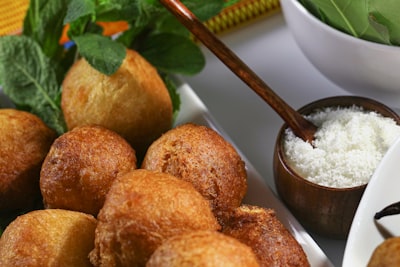


Puff puff, the golden, pillowy fried dough balls beloved across West Africa, is the kind of treat that disappears the moment it hits the table. Sweet, soft inside, and crisp outside, puff puff (and its relatives like Ghanaian bofrot and Cameroonian versions) is a party favorite, a street-food staple, and a nostalgic taste of home for the West African diaspora. Selling it from home is a genuine opportunity, since demand is strong and few local vendors make it fresh. Because puff puff is a sweet fried dough without perishable fillings, it's often cottage-food-legal, though a handful of states restrict fried foods, so confirming your local rules is the important first step.
The short version: Puff puff and similar West African fried dough are sweet, fried treats without perishable fillings, so they're often cottage-food-legal, though some states restrict fried foods, so confirm your state's rules first. Puff puff is best fresh, so it shines at events, markets, and made-to-order for parties. It's cheap to make, with flour, sugar, and yeast costing little, and sells briskly by the piece or in party quantities. Focus on fresh, hot puff puff, the West African community and event market, and your authentic recipe. Your biggest wins are freshness, party orders, and cultural connection.
This guide covers why puff puff sells, the legal basics including the fried-food question, cost and pricing, how to sell it fresh, and how to reach customers who crave it.
Puff puff is a great product because it's beloved, cheap to make, and a natural party and event food with passionate demand. It's the West African snack everyone reaches for, tied to celebrations, gatherings, and everyday cravings, which gives it both steady and event-driven demand. Its simplicity and low cost make it especially profitable.
Here's what makes it work:
The honest note: puff puff is best fresh and hot, so freshness and timing matter more than for shelf-stable products, and it's a fried food, which a few states restrict. But its low cost, passionate demand, and natural fit for events and made-to-order sales make puff puff a rewarding heritage product. For the West African community especially, fresh, authentic puff puff from a local maker is a taste of home that's hard to find and easy to sell.
Puff puff is often legal to sell from home under cottage food law, because it's a sweet fried dough without perishable fillings, but some states restrict fried foods, so confirming your state's rules is essential. Unlike perishable meat dishes, plain sweet puff puff is a low-risk treat, though the frying is the factor to check.
A few points to keep straight:
Because the fried-food rule varies, confirm your state's specifics before selling. Our overview of how cottage food law treats heritage foods explains the framework, and the cottage food laws by state directory links to your state's rules. Where fried foods are allowed, puff puff is a genuinely accessible product to sell from home.
Puff puff costs just pennies per piece to make, since the dough is flour, sugar, yeast, water, and a little oil for frying. This tiny ingredient cost is what gives puff puff its outstanding margin, especially in party quantities.
Here's a materials breakdown for a batch of about 30 pieces:
| Item | Approx. cost per batch |
|---|---|
| Flour, sugar, yeast | $1.20 |
| Oil for frying | $1.50 |
| Flavorings (nutmeg, vanilla) | $0.40 |
| Packaging | $2.00 |
| Energy | $0.60 |
| Total | $5.70 |
That's about 19 cents per piece in materials. Sell puff puff at $0.50 to $1 each, or in party quantities, and the margin is excellent. Oil and packaging are notable costs, but the base dough is extremely cheap. Your labor is a real factor, since frying takes time and puff puff is best made fresh, but a batch yields many pieces quickly. Buying flour and oil in bulk drops your cost further, making puff puff one of the most affordable heritage treats to produce.
Price puff puff at $0.50 to $1 per piece for individual sales, and by the dozen or in party quantities for events, with larger party orders priced by the total. Puff puff is an affordable, crave-able treat, so individual pricing is accessible, with the real money in volume and party orders.
A pricing structure that works:
Party and event orders, often by the hundreds, are where puff puff becomes genuinely lucrative, since it's a celebration staple. If pricing your work fairly feels uncomfortable, read why charging what you're worth feels wrong, and see how vendors approach pricing treats. With pennies of ingredient cost, focus on volume and party orders, and price your fresh, authentic puff puff for the quality and cultural value it delivers.
You sell puff puff fresh by making it hot for events and pickup, taking made-to-order and party orders, and timing your frying close to serving. Because puff puff is best hot and fresh, freshness is your product's whole appeal, so plan your selling around it.
Steps that keep it fresh and orders flowing:
Because puff puff is best fresh, made-to-order and event sales let you deliver it at its peak rather than having it sit. Managing party orders and event dates through DMs gets messy fast, so a real ordering system helps. Here's how to sell food online as a local vendor so your fresh and party orders stay organized. For guidance on safe handling of home-fried foods, the FDA's food-safety resources are a reliable reference.
Reach puff puff customers through the West African community, event hosts, and food lovers, using freshness, party orders, and cultural connection. Your customers are people who grew up with puff puff or love discovering it, and they crave it fresh and authentic.
Ways to find your customers:
Because puff puff is best fresh, local and event sales are your core, though it can be made to order for pickup. Managing orders and event dates through DMs still gets messy, so a real storefront helps. A quality, fresh, authentic puff puff builds a loyal following in a community that celebrates often and craves this beloved treat.
A fresh, event-driven treat with party orders benefits from an organized ordering system. Homegrown is $10 a month with no percentage fees beyond standard payment processing, and it gives you an order page where customers order puff puff by the dozen or for parties, choose pickup or event dates, and reorder for their next gathering, keeping your orders organized in one place.
How it compares to the alternatives:
What Homegrown does well for a puff puff vendor: order intake for dozens and party quantities, pickup and event scheduling, a customer list for repeat celebrations, and a fifteen-minute setup. What it doesn't do: it won't fry your puff puff, guarantee event bookings, or make you legal where fried foods are restricted. It keeps your fresh and party orders organized. When your recipe and rules are set, you can set up your storefront and take puff puff orders today.
The most common puff puff mistakes are selling it stale and skipping the fried-food rules check. Because puff puff is a fresh fried treat, the errors that matter most involve freshness and eligibility.
Mistakes to avoid:
Getting these right lets you sell fresh, authentic puff puff that keeps a loyal community coming back.
You can often sell puff puff from home under cottage food law, because it's a sweet fried dough without perishable fillings, making it a low-risk treat. However, some states restrict fried foods, so you must confirm whether your state's cottage food law permits fried items before selling. Where fried foods are allowed, plain sweet puff puff is generally an accessible product to sell, with proper labeling and allergen disclosure.
Yes, some states restrict or exclude fried foods from their cottage food allowed-foods list, so it's essential to confirm your specific state's rules before selling puff puff or other fried treats. Where fried foods are permitted, puff puff qualifies as a low-risk fried dough. Check your state's cottage food list and rules, since this is the main factor determining whether you can sell puff puff from home rather than needing a licensed setup.
Puff puff typically sells for $0.50 to $1 per piece individually, $6 to $12 per dozen, and by the total for large party orders of 50, 100, or more. Since ingredients cost only pennies per piece, margins are excellent. Party and event orders, often by the hundreds, are where puff puff becomes genuinely lucrative, so focus on volume and celebration orders while keeping individual pricing accessible.
Puff puff is best fresh and hot, so keep it at its best by frying close to serving time, taking made-to-order and event orders, and packaging it to stay warm for takeaway. It doesn't hold well for long, so avoid frying far in advance. Advise customers to enjoy it the day it's made. Frying fresh for events and pickup, rather than letting it sit, is the key to delivering puff puff at its delicious peak.
Puff puff is an excellent party food to sell because it's a beloved celebration staple across West Africa and its diaspora, ordered in large quantities for gatherings, birthdays, and events. Its low cost and passionate demand make party orders both easy to sell and profitable. Focusing on the event and party market, where puff puff is expected and ordered by the hundreds, is one of the best ways to build a puff puff business.
Puff puff and bofrot (also called Ghanaian doughnuts) are similar West African fried dough treats, with regional differences in texture, shape, and recipe, bofrot often being slightly denser and sometimes flavored with nutmeg. Both are sweet fried dough balls beloved across West Africa. You can offer regional variations to serve different communities and preferences, and the same cottage food rules around fried foods apply to both, so confirm your state's requirements.
You get puff puff catering orders by connecting with the West African community and event hosts, letting people know you make fresh, authentic puff puff for parties and gatherings. A great puff puff at one event generates orders for the next, so word of mouth is powerful. Being reliable, delivering fresh and hot, and offering party quantities builds the reputation that keeps event orders coming from a community that celebrates frequently.
Puff puff rewards vendors who deliver it fresh and lean into the event market: confirm your state's fried-food rules, fry close to serving, focus on party and celebration orders, and keep your recipe authentic. As a beloved, low-cost treat with passionate demand and little competition, it's a rewarding heritage product to sell. When your recipe and rules are set, set up a Homegrown storefront and share your puff puff with the community.



