
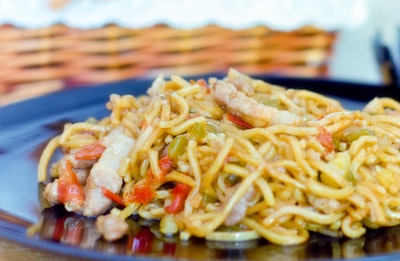


Pancit is on every Filipino celebration table, symbolizing long life and always disappearing fast, so it's no wonder home cooks want to sell it. But before you take orders for your pancit bihon, canton, or palabok, you need to understand a key reality: pancit is a cooked, ready-to-eat dish with perishable ingredients, which means it generally doesn't qualify under standard cottage food law. Selling it legally usually means a licensed kitchen or event permits, not a simple cottage food setup. The good news is that pancit is a natural catering and event food, and there's a clear, legal path to building a business around it. Here's what the rules actually allow and how to sell your pancit the right way.
The short version: Pancit is a cooked, ready-to-eat noodle dish with perishable ingredients like meat, seafood, and vegetables, so it usually doesn't qualify under standard cottage food law and generally requires a licensed or commissary kitchen, or a home-kitchen permit program where your state allows prepared foods. Confirm your state's rules. Pancit shines as a catering and event food, sold by the tray for parties and gatherings. Focus on securing a legal kitchen, targeting the catering and event market, and pricing by the tray. Never sell perishable, prepared pancit from an unlicensed home kitchen.
This guide explains why pancit usually isn't cottage-legal, your real options, and how to build a pancit catering business the right way.
You generally cannot sell pancit under standard cottage food law, because it's a cooked, ready-to-eat noodle dish with perishable ingredients, making it a time-and-temperature-control-for-safety (TCS) food. Cottage food law is designed for shelf-stable, low-risk foods, and pancit, with its meat, seafood, vegetables, and cooked noodles, is a perishable prepared meal.
Here's why pancit is excluded:
Because pancit is a perishable prepared meal, it almost always requires a licensed kitchen, not a cottage food permit. Our overview of how cottage food law treats heritage foods explains the shelf-stable-versus-perishable rule that excludes pancit, and the cottage food laws by state directory links to your state's specifics. The FDA's guidance on foodborne illness explains why cooked, perishable dishes carry the strict rules they do, and the National Center for Home Food Preservation is a reliable, university-backed resource on why some foods must be kept cold or hot to stay safe.
Pancit is a natural catering and event food because it's made in large batches, feeds a crowd, and is essential at Filipino celebrations, which makes the catering market its ideal home. Unlike a product you sell one unit at a time, pancit is ordered by the tray for parties, which fits perfectly with a permitted catering-style operation.
Here's why catering suits pancit:
The honest note: because pancit is perishable, you need a legal production path, and it's a labor-intensive dish to make in large quantities. But its natural fit for catering and events, where large tray orders are the norm, makes it a strong business once you're operating legally. Pancit's role as a celebration essential means steady demand from a community that orders it for every party, birthday, and holiday.
Your options for selling pancit legally are a licensed commercial or commissary kitchen, a home-kitchen permit program where your state offers one, or catering at permitted events. Because pancit is a perishable prepared meal, selling it legally means a regulated, inspected setup.
Your possible paths:
Each path involves more cost and inspection than cottage food, which is the tradeoff for selling a perishable prepared meal. Before investing, talk to your local health department about the requirements for selling prepared foods and catering. Many Filipino food entrepreneurs start by catering events from a commissary kitchen or with event permits, building a following and income legally, then grow into a fuller catering business. This is the standard, legitimate path for a beloved but perishable dish like pancit.
Where you can legally sell it, price pancit by the tray for catering, typically $40 to $90 per half or full tray depending on size and ingredients, since it's ordered to feed groups. Pancit is labor-intensive and feeds many, so tray pricing reflects both the quantity and the work involved.
A pricing structure that works:
Party packages that pair pancit with other event favorites are your best way to raise the average order, since customers ordering for a celebration want a spread. If pricing your work fairly feels uncomfortable, read why charging what you're worth feels wrong, and see how vendors approach pricing specialty products. Pancit is genuinely labor-intensive to make in party quantities, so price your trays for the real work and the crowd they feed.
You build a pancit catering business by securing a legal kitchen, then reaching the Filipino community and event hosts who need authentic pancit for their celebrations. Once you're operating legally, pancit's role as a celebration essential gives you steady, passionate demand.
Ways to build and sell:
Because pancit is ordered by the tray for events, catering large orders is where the business lives. Managing tray orders, party packages, and event dates through DMs gets messy fast, so a real ordering system helps. Here's how to sell food online as a local vendor so your catering orders stay organized as you grow.
Once you're operating legally, a catering food with big tray orders and event dates benefits from an organized system. Homegrown is $10 a month with no percentage fees beyond standard payment processing, and it gives you an order page where customers order pancit trays and party packages, choose event or pickup dates, and reorder for their next gathering, keeping your catering orders organized in one place.
How it compares to the alternatives:
What Homegrown does well for a pancit vendor: tray and party-package order intake, event and pickup scheduling, a customer list for repeat celebrations, and a fifteen-minute setup. What it doesn't do: it won't make you legal to sell perishable pancit (that's your licensed-kitchen or permit path), cook for you, or handle food-safety compliance. It keeps your catering orders organized once you're operating legally. When your legal path is set, you can set up your storefront and take pancit orders.
The most serious pancit-selling mistake is selling perishable, prepared pancit from an unlicensed home kitchen. Because pancit is a cooked perishable meal, the errors that matter most involve food safety and the law.
Mistakes to avoid:
Getting these right keeps you legal and safe while building a celebration essential into a catering business.
You generally cannot sell pancit from an unlicensed home kitchen, because it's a cooked, ready-to-eat noodle dish with perishable ingredients like meat, seafood, and vegetables, making it a perishable food outside cottage food law. Selling pancit legally usually requires a licensed or commissary kitchen, a home-kitchen permit program where your state allows prepared foods, or catering permits. Confirm your state's specific rules before selling any pancit.
Pancit isn't allowed under cottage food law because it's a cooked, perishable, ready-to-eat dish, and cottage food law is designed for shelf-stable, low-risk foods. Its meat, seafood, vegetables, and cooked noodles are perishable and require temperature control, and cooked noodles held at unsafe temperatures can grow harmful bacteria. This is why pancit, like other prepared perishable meals, requires the controlled conditions of a licensed kitchen.
You can sell pancit legally through a licensed commercial or commissary kitchen, a home-kitchen permit program where your state offers one that allows prepared meals, or by catering at permitted events with the proper permits. Each requires more setup and inspection than cottage food, since pancit is a perishable prepared meal. Talk to your local health department about the requirements for selling prepared foods and catering in your area.
Pancit is typically priced by the tray for catering, around $40 to $60 for a half tray feeding 8 to 12 people and $65 to $90 for a full tray feeding 15 to 25, depending on ingredients and size. Premium versions like seafood pancit or loaded palabok command more. Price your trays for the real labor and the crowd they feed, and offer party packages with other dishes to raise the order.
Pancit is an excellent catering business because it's made in large batches, feeds a crowd, and is essential at Filipino celebrations, so it's ordered by the tray for parties, birthdays, and holidays. The catch is that it's perishable, requiring a legal production path like a commissary kitchen or catering permits. With passionate community demand and natural large-order sizes, pancit rewards vendors who secure a legal kitchen and focus on the event market.
Selling pancit and lumpia together is a natural fit, since both are Filipino celebration staples ordered for the same events, and offering party packages that combine them raises your average order. Both are perishable prepared foods, so you'll need the same legal production path, a licensed or commissary kitchen or permits, for both. Bundling them as a celebration spread is exactly what customers ordering for a party want.
Starting with catering from a commissary kitchen or with event permits is a common, focused way to begin a pancit business legally, since pancit is naturally ordered by the tray for parties and gatherings. A permitted food stall at events is another accessible option for selling freshly made pancit to crowds. Both keep you legal and let you build a following, so choose based on your local options and how you prefer to sell.
You get your first pancit catering orders by letting your community know you're taking orders for celebrations, starting with friends, family, and community events where pancit is expected. A great pancit at one party generates orders for the next, so word of mouth is your most powerful tool. Once you have a legal kitchen, offering party packages, being reliable, and delivering authentic, delicious pancit builds the reputation that keeps event orders coming from a community that celebrates often.
You can offer other Filipino celebration dishes alongside pancit, like lumpia, adobo, and more, building a full catering menu for events, since customers ordering for a party want a spread. All of these perishable prepared foods require the same legal production path, a licensed or commissary kitchen or permits, so once you have that in place, expanding your menu is straightforward. A combined celebration package is exactly what event hosts are looking for.
Pancit is a case where the honest answer points to a clear path: it's a perishable prepared meal that requires a licensed kitchen or permits, and its natural home is catering, where it's ordered by the tray for celebrations. Secure a legal kitchen, focus on the event and party market, and price your trays for the real work. When your legal path is set, set up a Homegrown storefront and keep your pancit catering orders organized.



