
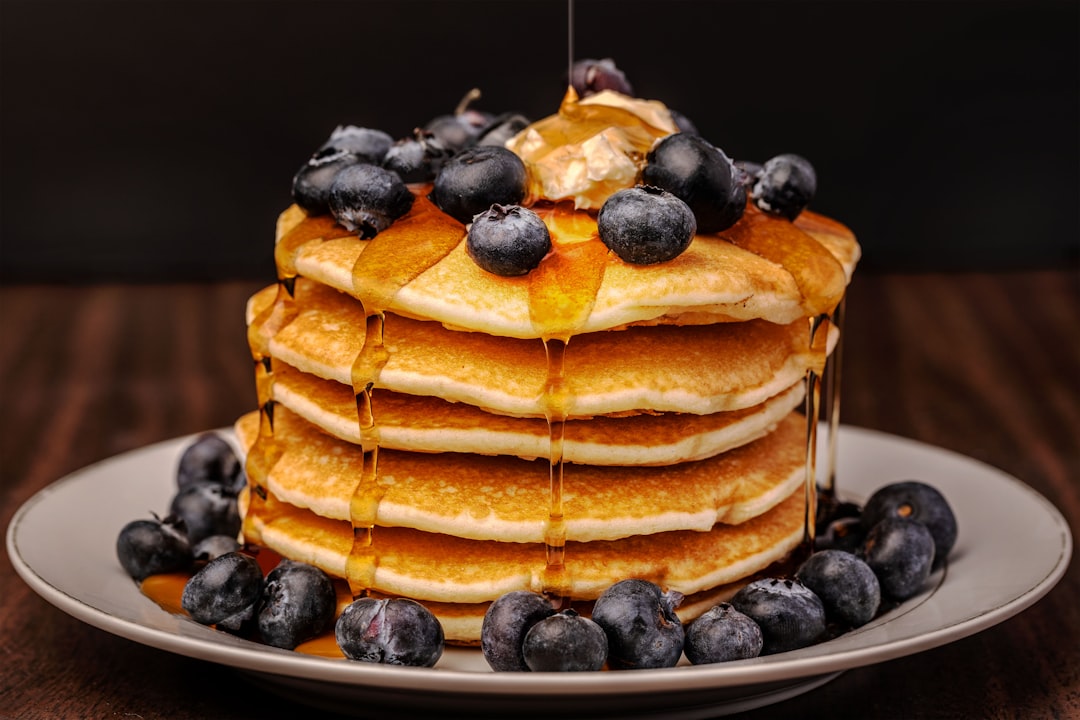


Pancake and waffle mix is a quietly clever product to sell from home, because it turns cheap pantry staples into a convenient, giftable, shelf-stable item people happily pay a premium for. A jar of dry mix costs a dollar or two to make and sells for $8 to $14, and customers who love your buttermilk or gingerbread mix reorder it for lazy weekend breakfasts. Dry mixes are among the safest and easiest products under cottage food law, which makes pancake and waffle mix a low-risk, high-margin place to start or expand.
The short version: Dry pancake and waffle mix is legal to sell from home under cottage food law in essentially every state, because dry mixes are shelf-stable and low-risk. A jar costs $1 to $3 to make and sells for $8 to $14. Sell it in attractive jars or bags, offer flavored versions like buttermilk, cinnamon, and pumpkin, and lean into gifting and convenience. Because the mix is dry and shelf-stable, you make to stock with no waste. Label your ingredients and allergens, and your easiest wins are flavor variety and packaging that makes a simple mix feel special.
This guide covers why dry mixes sell so well, the cost and pricing math, how to build a flavor line, and how to reach the customers who reorder them.
Pancake and waffle mix is a smart product because it's cheap to make, extremely shelf-stable, and sells convenience and flavor that customers will pay a premium for. A homemade mix in a nice jar feels far more special than a box off the grocery shelf, and it saves customers from measuring out flour, sugar, and leavening every weekend.
Here's what makes it work:
The honest note: it's a modest per-item price, so your money comes from volume, gift sets, and flavor variety rather than premium single-jar pricing. But the ingredient cost is so low and the product so forgiving that margins are strong, and it pairs beautifully with other pantry products you might sell.
Dry pancake and waffle mix is legal to sell from home under cottage food law in essentially every state, because dry baking mixes are shelf-stable and among the lowest-risk foods there are. Dry mixes appear on virtually every state's allowed-foods list, right alongside spice blends and dry rubs. Your main responsibilities are accurate labeling and keeping the mix fully dry.
A few points to keep straight:
Every state sets its own rules and sales cap, so confirm your local requirements. Our overview of what foods you can sell under cottage food laws and the cottage food laws by state directory point you to the specifics where you live.
A jar of pancake or waffle mix costs about $1 to $3 to make, with the jar and label often costing as much as the ingredients inside. Dry mix ingredients are among the cheapest in baking, which is what gives this product its healthy margin.
Here's a realistic breakdown for one jar (enough for several batches):
| Item | Approx. cost per jar |
|---|---|
| Flour, sugar, leavening, salt | $0.80 |
| Flavor add-ins (buttermilk powder, spices, chips) | $0.60 |
| Jar or bag | $1.10 |
| Label and instructions | $0.35 |
| Total | $2.85 |
That jar costs under $3 to make and sells for $8 to $14, a strong margin on a product that never spoils. Because packaging is a big share of the cost, presentation is where you add value: a mix in a clean jar with a ribbon and a recipe tag sells for far more than the same mix in a plain bag. Labor is minimal too, since measuring and jarring a batch of dry mix goes quickly, which makes your profit per hour excellent.
Price pancake and waffle mix at $8 to $14 a jar depending on size and flavor, with gift sets and multi-jar bundles priced to raise your average order. The convenience and presentation justify a price well above a grocery-store box, and flavored versions can command more.
A pricing structure that works:
Sets and seasonal flavors are your best tools for raising each order, since a customer buying one jar can easily be tempted by a bundle. If pricing your work fairly feels uncomfortable, read why charging what you're worth feels wrong, and see how vendors approach pricing shelf-stable products. With ingredient costs this low, the goal is simply to sell more jars per customer.
The pancake and waffle mixes that sell best are the familiar favorites plus a few special flavors: classic buttermilk, cinnamon, chocolate chip, pumpkin spice in fall, and gingerbread for the holidays. Because breakfast is comfort food, your flavors should feel cozy and familiar with a few seasonal specials to keep customers coming back.
Flavors that reliably sell:
Formats that help:
Keep a couple of reliable staples and rotate one or two seasonal flavors rather than stocking a dozen. A tight, seasonal line keeps your production simple and gives customers a reason to reorder as the flavors change.
Sell pancake mix by leaning into two strengths: its gift appeal and its reorder potential. A pretty jar of mix is a natural gift, while a customer who loves your buttermilk mix will rebuy it for weekend breakfasts. Marketing to both drives steady sales.
Ways to sell more:
Because the mix never spoils, you can carry stock and fulfill reorders and gift orders instantly. Managing those through DMs still gets messy, so a real storefront where customers reorder favorites and browse flavors helps. Here's how to sell food online as a local vendor so reorders and gift season run smoothly.
A shelf-stable, giftable, reorder-friendly product like pancake mix fits an online storefront perfectly. Homegrown is $10 a month with no percentage fees beyond standard payment processing, and it gives you an order page where customers browse your flavors, buy singles or gift sets, and reorder favorites easily. Because your product is dry and shelf-stable, you fulfill from stock with no waste.
How it compares to the alternatives:
What Homegrown does well for a mix vendor: a clean storefront that showcases your flavors, easy singles and gift sets, effortless reorders, a customer list for seasonal announcements, and a fifteen-minute setup. What it doesn't do: it won't blend or jar your mixes, guarantee sales, or ship for you. It gives your shelf-stable line a place to sell and be reordered. When you're ready, you can set up your storefront and sell your mixes today.
The most common pancake mix mistakes are compromising shelf stability and neglecting the presentation that justifies a premium. Because a dry mix's whole advantage is being shelf-stable, giftable, and convenient, the errors that hurt most undercut exactly those strengths.
Mistakes to avoid:
Avoiding these keeps a cheap, forgiving product both giftable and genuinely profitable.
In essentially every state you can sell dry pancake and waffle mix under cottage food law without a special license, because dry baking mixes are among the safest, most shelf-stable foods and appear on virtually every allowed-foods list. Some states require a simple registration or food handler's card. Check your state's cottage food rules, but dry mixes are one of the lowest-hurdle products you can sell.
Homemade dry pancake mix stays good for several months, and often longer, when kept dry and sealed away from heat and moisture. The leavening (baking powder or soda) gradually loses potency over time, which affects rise more than safety, and the National Center for Home Food Preservation offers reliable, university-backed guidance on storing dry ingredients to keep them at their best. Label your jars with a best-by date, and advise customers to store the mix in a cool, dry place for the best results.
A jar of homemade pancake or waffle mix typically sells for $8 to $14 depending on size and flavor, with premium and seasonal flavors at the higher end. Since a jar costs only $1 to $3 to make, margins are strong. Gift sets and multi-jar bundles are the best way to raise your average order, letting customers try several flavors at once.
Keep your mix completely dry and let the customer add wet ingredients like eggs, milk, and butter at home, since adding wet or fresh ingredients would make the product perishable and push it out of shelf-stable, cottage-food-eligible territory. Provide clear instructions on your label listing exactly what to add and how, so customers get great results from your dry mix.
Buttermilk is the classic best-seller, followed by cinnamon or vanilla, chocolate chip for a treat, and seasonal flavors like pumpkin spice in fall and gingerbread for the holidays. Whole grain or protein versions appeal to health-minded customers. Keep a couple of reliable staples and rotate one or two seasonal flavors to keep your line fresh and give customers a reason to reorder.
Package pancake mix in clean glass jars or resealable bags with a ribbon, a recipe tag, and clear instructions for what to add, since presentation is what lets a simple mix sell at a premium. Include a label with your name, address, ingredients, net weight, and allergen statement. Good presentation turns an everyday mix into a giftable product and justifies a price well above a grocery box.
Pancake and waffle mixes are profitable because ingredient costs are tiny, the product never spoils, and customers pay a premium for convenience and presentation. A jar that costs under $3 to make sells for $8 to $14. Profit comes from volume, gift sets, and seasonal flavors rather than high single-jar pricing, and the low, forgiving production makes profit per hour excellent.
You can sell homemade pancake mix at farmers markets, craft fairs, and holiday markets, through an online storefront for pickup, and as gifts to local shops and offices. Its shelf stability means you can carry stock and sell through many channels without spoilage worry. Gift-focused venues like holiday markets are especially strong, since a jar of mix with a recipe tag makes an easy, affordable gift that shoppers happily grab.
Pancake and waffle mix rewards vendors who play to its strengths: keep it dry and shelf-stable, package it for gifting, offer a tight seasonal flavor line, and make reorders effortless. Because the mix never spoils, it's one of the lowest-stress, highest-margin products around. When you're ready to showcase your flavors and make reorders easy, set up a Homegrown storefront and start selling your mixes.



