
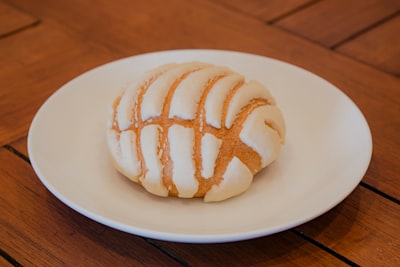


Pan dulce, the colorful Mexican sweet breads that fill panaderías and family tables, is one of the most beloved and sellable heritage baked goods you can make. From the seashell-topped conchas everyone recognizes to orejas, cuernos, and conchas de chocolate, pan dulce is treasured comfort food with a huge, loyal audience. And here's the good news: because pan dulce is a baked good, it's cottage-food-legal in nearly every state, unlike the perishable dishes many heritage cooks want to sell. If you grew up baking or eating pan dulce and want to share it, this is a heritage product you can genuinely build a home business around.
The short version: Pan dulce is legal to sell from home under cottage food law in nearly every state, because it's a shelf-stable baked good like any other bread or pastry. Conchas, orejas, cuernos, and other varieties are all sellable. A piece sells for $2 to $4, or more in assorted boxes, with strong demand in the Mexican community and beyond. Bake fresh, offer the beloved varieties, label allergens, and lean into the cultural connection and freshness. Because pan dulce is best fresh, take pre-orders so you bake to demand, and your biggest wins are authentic varieties and fresh, beautiful baking.
This guide covers why pan dulce sells, the legal basics, the varieties to offer, pricing, and how to reach customers who crave authentic sweet bread.
Pan dulce is a great product because it's beloved, tied to daily life and celebrations, and has a large, loyal audience that often can't find it fresh and authentic nearby. Pan dulce is comfort food and tradition, enjoyed with coffee or hot chocolate, at breakfast, and at every gathering, which gives it steady, everyday demand plus a special-occasion boost.
Here's what makes it work:
The honest note: pan dulce is a baking craft that takes skill and time, especially the enriched doughs and toppings that define varieties like conchas, and it's best enjoyed fresh, so freshness and timing matter. But the deep, everyday demand, the cultural connection, and the fact that it's fully cottage-legal make pan dulce one of the most rewarding heritage baked goods to sell from home. For many customers, fresh, authentic pan dulce from a local baker beats anything from a store.
Pan dulce is legal to sell from home under cottage food law in nearly every state, because it's a shelf-stable baked good, exactly the kind of product cottage food law is designed for. Breads and pastries are core cottage food categories, so your conchas, orejas, and other sweet breads qualify like any other baked good.
A few points to keep straight:
Every state sets its own rules and sales cap, so confirm your local requirements. Our overview of how cottage food law treats heritage foods explains why baked goods like pan dulce qualify, and the cottage food laws by state directory points you to the specifics where you live.
The pan dulce varieties that sell best are the beloved classics everyone recognizes and craves, led by conchas, plus a range of traditional shapes and flavors. Because pan dulce is comfort food, the familiar favorites are your reliable sellers, with variety adding interest.
Varieties that sell:
Ways to strengthen your line:
Pan de muerto for Día de los Muertos and rosca de reyes for Three Kings Day are powerful seasonal sellers tied to important traditions. A core of beloved everyday varieties plus seasonal specials gives customers the pan dulce they crave year-round while capturing holiday demand. Authentic, well-made classics are what earn a loyal following.
Price individual pan dulce at $2 to $4 per piece, with assorted boxes and dozens priced to raise your average order. Pan dulce is an affordable, everyday treat, so your pricing should feel accessible while respecting your ingredient and labor costs, with the money coming from volume and assortments.
A pricing structure that works:
Assorted boxes and dozens are your best tools for raising the average order, since customers love buying a variety to share. If pricing your work fairly feels uncomfortable, read why charging what you're worth feels wrong, and see how vendors approach pricing baked goods. Price fresh, authentic pan dulce for the quality and tradition you offer, since customers value real, fresh sweet bread over anything mass-produced.
You keep pan dulce at its best by baking close to pickup and taking pre-orders so you bake to demand, since sweet bread is best fresh. Freshness is central to pan dulce's appeal, so timing your baking and managing orders well is what keeps customers delighted.
Steps that keep it fresh and orders organized:
Because pan dulce is best fresh, pre-orders let you bake to exact demand instead of guessing, which is especially valuable for seasonal rushes like Día de los Muertos and the holidays. Freshly baked, still-warm conchas and pastries sell themselves, and offering standing weekly orders turns occasional buyers into reliable regulars who count on your pan dulce every week, smoothing out your baking schedule and your income across the year. Managing pre-orders and seasonal rushes through DMs gets messy fast, so a real ordering system helps. Here's how to sell food online as a local vendor so your pan dulce orders stay organized.
A fresh, beloved baked good with everyday and seasonal demand fits an online storefront well for pre-orders. Homegrown is $10 a month with no percentage fees beyond standard payment processing, and it gives you an order page where customers browse your varieties, order individual pieces or assorted boxes, choose a pickup time, and reorder easily. You bake to an exact count instead of guessing, which matters for a fresh product.
How it compares to the alternatives:
What Homegrown does well for a pan dulce vendor: a clean storefront that showcases your varieties, pre-orders and assorted boxes, pickup scheduling for fresh baking, a customer list for seasonal announcements, and a fifteen-minute setup. What it doesn't do: it won't bake for you, guarantee sales, or ship for you. It keeps your everyday and seasonal orders organized so you can focus on beautiful, fresh pan dulce. When you're ready, you can set up your storefront and sell your pan dulce today.
The most common pan dulce mistakes are selling stale bread and offering perishable-filled varieties without checking the rules. Because pan dulce is a fresh baked good, the errors that matter most involve freshness and eligibility.
Mistakes to avoid:
Getting these right lets you sell fresh, authentic pan dulce that keeps a loyal community coming back.
In nearly every state you can sell pan dulce under cottage food law without a special license, because it's a shelf-stable baked good like any other bread or pastry. Some states require a simple registration or food handler's card, and a few require a home-kitchen inspection. Check your state's cottage food rules, but pan dulce, as a baked good, is fully within the cottage food framework, unlike many perishable heritage dishes.
Standard pan dulce like conchas, orejas, and cuernos is shelf-stable and cottage-legal, but varieties with perishable cream, custard, or cheese fillings may require refrigeration and fall outside cottage food rules. For cottage sales, stick to non-perishable versions and shelf-stable fillings. If you want to offer cream-filled varieties, check whether your state allows them, since perishable fillings can change a baked good's eligibility.
Individual pan dulce typically sells for $2 to $4 per piece, with half-dozen and dozen assortments at $12 to $24 and seasonal specials like pan de muerto at a premium. Since pan dulce is an affordable everyday treat, price it accessibly, with your profit coming from volume, assorted boxes, and dozens. Customers value fresh, authentic pan dulce and happily buy a variety to share with family.
Conchas are the most popular and recognizable pan dulce, the seashell-topped sweet bread in vanilla, chocolate, and colorful versions, followed by orejas, cuernos, polvorones, and marranitos. Seasonal varieties like pan de muerto for Día de los Muertos and rosca de reyes for Three Kings Day are powerful holiday sellers. Lead with conchas and offer an assortment of beloved classics to serve your customers' cravings.
Keep pan dulce fresh by baking close to pickup or market day and taking pre-orders so you bake to exact demand rather than guessing, since sweet bread is best fresh. Package it to protect freshness, and let customers know they can freeze extras and refresh them briefly in the oven. Same-day baking and pre-orders are the keys to delivering the fresh, delicious pan dulce customers expect.
Pan dulce has steady everyday demand for breakfast and coffee time, plus major seasonal spikes around Día de los Muertos, when pan de muerto is essential, and Three Kings Day (Día de Reyes), when rosca de reyes is traditional, as well as Christmas and other celebrations. Planning your baking and taking pre-orders for these holidays is key, since demand surges and customers count on their traditional breads.
Selling pan dulce is profitable because it has steady everyday demand plus strong seasonal spikes, a large loyal audience, and full cottage food legality as a baked good. While individual pieces are affordably priced, your profit comes from volume, assorted boxes, dozens, and premium seasonal specials. Fresh, authentic pan dulce from a local baker is highly valued, and loyal customers reorder regularly, making it a rewarding heritage baking business.
You can sell pan dulce at farmers markets, cultural festivals and community events, through an online storefront for pickup, and to your local community, with especially strong demand around Mexican holidays. Cultural festivals and community gatherings are excellent venues, since customers there seek authentic, traditional foods. Taking pre-orders through an online storefront also lets you serve regulars who want their pan dulce every week and manage the big seasonal rushes without your inbox overflowing.
Pan dulce rewards bakers who deliver fresh, authentic sweet bread: offer the beloved classics led by conchas, bake fresh and take pre-orders, plan for the big seasonal traditions, and price assortments to raise each order. As a fully cottage-legal baked good with deep, everyday demand, it's one of the most rewarding heritage products to sell from home. When you're ready, set up a Homegrown storefront and share your pan dulce with the community.



