
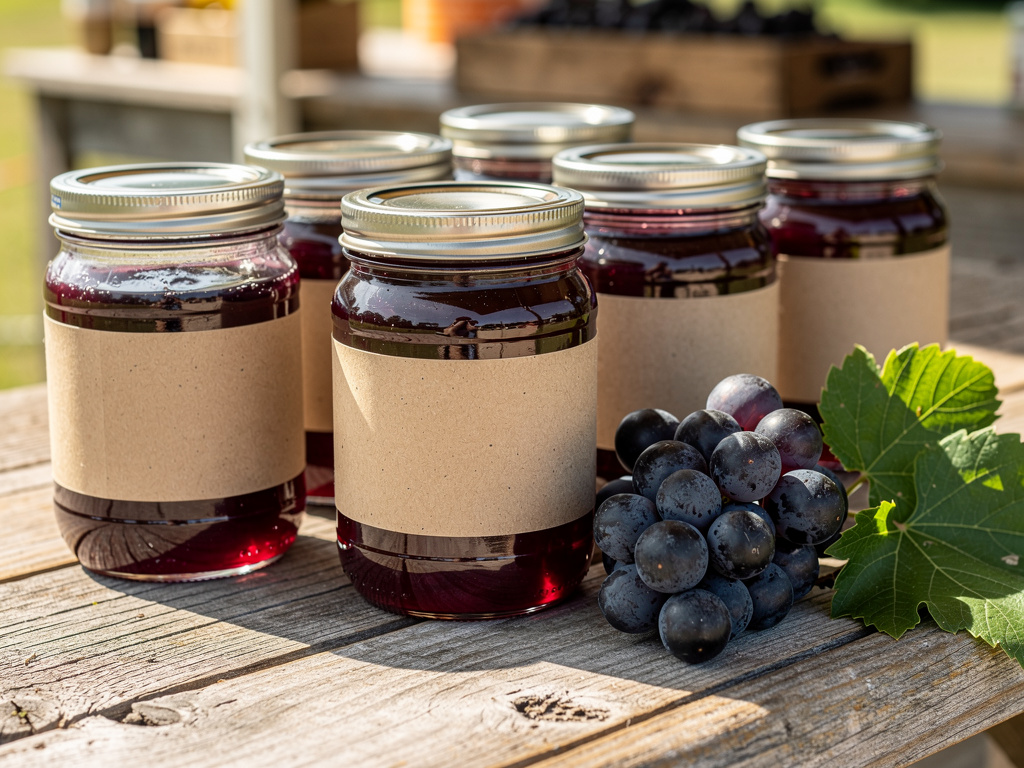


Muscadine jelly isn't just another grape jelly, it's a taste of the American South, made from a native grape that "smells of home" to anyone who grew up with it. That's the real opportunity here, and it extends far beyond muscadines: a preserve made from a regional, native, or local fruit is a differentiated, heritage product that a generic jam maker can't touch. Whether it's muscadine in the South, mayhaw on the Gulf, or beach plum in the Northeast, a regional preserve sells a place and a memory, not just a flavor. This guide walks through selling muscadine jelly and other regional preserves from home.
The short version: Muscadine is a native Southern grape with deep regional and nostalgic appeal, and muscadine jelly, like any jam or jelly, is a high-acid, shelf-stable preserve that's cottage-food eligible in virtually every state. The bigger idea is regional preserves: building a differentiated product around a native or local fruit, muscadine, mayhaw, beach plum, chokecherry, pawpaw, elderberry, so you sell heritage and place, not commodity jam. Make it to a tested recipe with a proper set and water-bath canning, price it as the differentiated specialty it is, and lean hard into the regional story, including shipping to homesick expats where your state allows. Homegrown gives you the storefront to sell it and reach those customers. This is general information, not legal advice.
This guide covers muscadines, cottage food eligibility, the regional advantage, other regional fruits, making it set, pricing and selling, and mistakes. This is general information, not legal or food-safety advice.
Muscadines are a grape native to the southeastern United States, thick-skinned and distinctively flavored, and muscadine jelly sells on deep regional heritage and nostalgia, not just taste. For many Southerners, the flavor is tied to home, which is a powerful thing to sell.
Why muscadine jelly has such pull:
The takeaway: muscadine jelly sells on native-fruit heritage and Southern nostalgia, a story of place that commodity grape jelly can't match. The rule is to sell the heritage and the memory, since the regional identity is what makes muscadine jelly special, not just its flavor.
Yes, in virtually every state, because muscadine jelly, like any jam or jelly, is a high-acid, shelf-stable preserve, and jams and jellies are among the most universally permitted cottage foods. The fruit may be regional, but the product category is broadly allowed everywhere.
What the eligibility picture looks like:
The takeaway: muscadine jelly, and regional preserves generally, are cottage-food eligible almost everywhere as high-acid jellies, so the legal path is refreshingly simple. The rule is to confirm your state's rules and expect a yes, the same easy starting point as selling jam from home.
A regional preserve is a marketing advantage because a fruit tied to a specific place lets you sell identity, nostalgia, and authenticity, not just flavor, which differentiates you from every generic jam maker. Place is a story customers pay for.
Why regional differentiation works:
The takeaway: building a preserve around a regional fruit turns a commodity into a heritage product with a story, an audience, and pricing power. The rule is to lead with place and heritage, since a regional preserve's identity is its biggest competitive advantage, the foundation of a real heritage brand.
Beyond muscadine, plenty of regional and native fruits make distinctive preserves, mayhaw, beach plum, chokecherry, pawpaw, and elderberry among them, each tied to a place and a tradition. Choosing a fruit native to your area is a natural differentiator.
Here are regional fruits worth building a preserve around:
| Fruit | Region | Note |
|---|---|---|
| Muscadine | Southeast | Native grape, deep Southern heritage |
| Mayhaw | Gulf South | Swamp/bayou fruit, prized jelly |
| Beach plum | Northeast coast | Coastal wild fruit |
| Chokecherry | Northern Plains | Traditional plains preserve |
| Pawpaw | Appalachia, Midwest | Native tropical-flavored fruit |
| Elderberry | Broad, often regional | Popular, often marketed locally |
A few notes on choosing your fruit:
The takeaway: regional preserves aren't limited to muscadine, since native and local fruits across the country each offer a distinctive, place-based product. The rule is to build around a fruit tied to your region, since that local connection is what makes the preserve differentiated and story-rich.
You make muscadine jelly set by extracting the juice, combining it with sugar, pectin, and enough acid, cooking to the gel point, and water-bath canning it to a tested recipe. A good set and shelf stability come from the same careful process, whatever the fruit.
The keys to a proper jelly:
Because the set and the safety depend on precision, always use a research-tested recipe rather than improvising proportions. The takeaway: a good regional jelly reaches its gel point with the right pectin and acid and is water-bath canned to a tested recipe. The rule is to follow a tested recipe exactly, part of sound food safety, since guessing at the set or process risks a runny or unsafe product.
You price a regional preserve as the differentiated specialty it is, above commodity jam, and you sell it by leading with the heritage story, through farmers markets, tourism and gift channels, and shipping to homesick customers where allowed. The regional identity drives both the price and the marketing.
How to price and sell it well:
The takeaway: a regional preserve supports premium pricing and a heritage-driven marketing story, with tourism, gift, and homesick-expat customers all in reach. The rule is to price and market the place and tradition, using shelf stability to ship the taste of home, all on a proper online jam storefront.
The mistakes with regional preserves are not reaching a proper set, skipping water-bath canning, underpricing a differentiated product, and failing to lead with the regional story. Each undercuts your quality, safety, or marketing.
The mistakes to avoid:
The takeaway: the mistakes come from process shortcuts and from undervaluing a heritage product, all avoidable. The rule is to make the jelly to a tested recipe with a proper set, price it as a differentiated specialty, and always sell the regional story.
A regional preserve's whole appeal is that it's a taste of a specific place, and a storefront lets you tell that story and ship it to the people who miss it. Homegrown is a $10-per-month online storefront, with no percentage fees beyond standard payment processing, where you can list your muscadine jelly and regional preserves, share the heritage, and take orders for pickup or shipping.
You list each preserve with its story, the native fruit, the region, the tradition, take payment at order time, and fulfill by pickup, local delivery, or shipping where your state allows. Because your preserves are shelf-stable, shipping lets you reach homesick customers who've moved away and crave their region's flavors, a loyal audience commodity jam never serves. Clean records show which preserves and flavors sell, so you plan your seasonal, regional-fruit production around real demand. A flat monthly price keeps your specialty margins intact instead of losing them to per-sale percentage fees on a marketplace like Etsy.
To be clear about what Homegrown does not do: it does not make your jelly, can it, or make your product legal in your state. Your recipe, your canning, and your state's rules are your responsibility. What Homegrown gives you is the storefront to tell your regional heritage story, sell your preserves, and ship the taste of home where allowed. If your regional preserve is ready, set up your Homegrown storefront and sell your heritage to the customers who treasure it.
Yes, in virtually every state. Muscadine jelly, like any jam or jelly, is a high-acid, shelf-stable preserve, and jams and jellies are among the most universally permitted cottage foods thanks to their high sugar and acid content, which keeps them non-hazardous. The fruit is regional, but the product category is broadly allowed everywhere. Confirm your own state's cottage food list, sales caps, and labeling rules before selling, and check shipping rules if you plan to mail it, but expect muscadine jelly, and regional jellies generally, to be cottage-food eligible almost anywhere.
Because they sell identity and nostalgia, not just flavor. A preserve made from a native or local fruit, muscadine in the South, mayhaw on the Gulf, beach plum in the Northeast, is inherently authentic and specific in a way mass-market jam can never be. For people from the region, the flavor evokes home; for others, it's an authentic taste of somewhere. This differentiation supports premium pricing, since a heritage product isn't competing on price with grocery-shelf jelly, and it reaches loyal audiences like homesick customers who've moved away and miss their region's distinctive flavors.
Many. Beyond muscadine in the Southeast, there's mayhaw in the Gulf South, a swamp-and-bayou fruit prized for jelly; beach plum on the Northeast coast; chokecherry on the Northern Plains; pawpaw in Appalachia and the Midwest, a native fruit with a tropical flavor; and elderberry, popular and often marketed regionally. The key is to pick a fruit genuinely native or common to your own area, since that local connection gives your preserve authentic regional identity. Many of these fruits also have long local preserving traditions you can honor and market, and most are seasonal, so plan around the harvest.
Extract the muscadine juice, combine it with sugar and the pectin your tested recipe calls for, ensure enough acid, and cook to the gel point, around 8 degrees above the boiling point of water at sea level, adjusting for altitude and using a thermometer or the sheet and cold-plate tests. Many regional-fruit jellies use added pectin for a reliable set, so follow your recipe's pectin type and amount exactly, since pectin forms aren't interchangeable. Add lemon juice or citric acid if the fruit needs more acid for the gel. Then water-bath can the filled jars to the tested time to make the jelly safely shelf-stable.
Price it as a differentiated specialty, above commodity jam, on your real costs plus a margin that reflects its distinctiveness. A regional, heritage preserve isn't competing with grocery-shelf jelly, so it commands more, and its story, the native fruit, the place, the tradition, is what justifies the price. Cost out your fruit, sugar, pectin, jars, labels, and a real hourly rate for the labor, then confirm against comparable regional and artisan makers rather than mass-market jam. Regional specialties also do well in tourism and gift markets, which support premium pricing, so don't undersell a product whose whole appeal is that it's special.
Yes, where your state allows it. Because properly made jelly is high-acid and water-bath canned, it's shelf-stable and ships well, which is especially valuable for regional preserves. Shipping lets you reach one of the best audiences for a regional product: homesick customers who've moved away and crave the flavors of home. The catch is legal, not physical, whether you can ship cottage foods depends on your state, and some restrict sales to in-person only. So confirm your state's shipping rules, then use shelf stability to send the taste of a place to the people who miss it most, far beyond your local market.
Muscadine jelly and other regional preserves are a rare kind of product: cottage-eligible almost everywhere, shelf-stable, and carrying a heritage story that no national brand can copy. Make it to a tested recipe, price it as the specialty it is, and sell the place and the memory. Start your Homegrown storefront and ship the taste of home to the customers who treasure it.



