
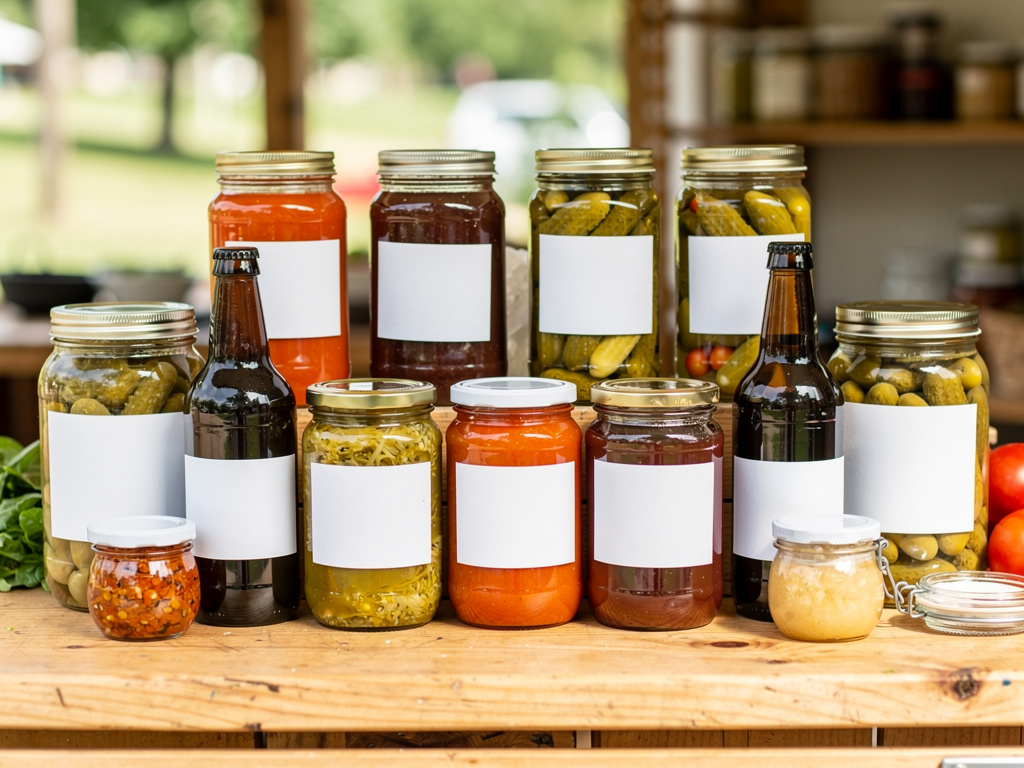


The recipes handed down through your family aren't just food, they're stories, memories, and a connection to where you come from. When you turn those recipes into a business, that heritage is your greatest asset, because it's something no competitor can copy. A heritage food brand isn't just selling tamales, baklava, or babka; it's selling your grandmother's recipe, your family's tradition, and an authenticity that mass-produced food can never match. Building a real brand around your family's recipes is how you stand out, command better prices, and build a loyal following that connects with your story. Here's how to build a heritage food brand that honors your roots and grows a real business.
The short version: A heritage food brand turns your family's recipes into a business built on authenticity, story, and cultural connection, which is your strongest differentiator. Define what makes your food and story unique, build a brand identity and name that honors your heritage, tell your family story consistently, and price for the authentic quality you offer. Protect your brand name, package it beautifully, and connect with both your cultural community and food lovers who value authenticity. Your biggest win is that your heritage is something no one else can replicate, so lean into it fully.
This guide covers why heritage is your best asset, defining your brand, telling your story, naming and protecting it, and reaching customers who value authenticity.
Your heritage is your greatest business asset because authenticity and story are things competitors can't copy, and customers increasingly crave genuine, meaningful food. In a market full of mass-produced products, a real family recipe with a real story stands out powerfully, giving you a differentiator that money can't buy.
Here's why heritage is so valuable:
The honest note: building a brand takes intention and consistency, more than just making great food, and it means putting your family and story forward, which can feel personal. But your heritage is a genuine, defensible advantage that generic competitors simply don't have. Leaning fully into your authentic story, rather than trying to look like everyone else, is what transforms a home food operation into a heritage brand people remember, seek out, and champion.
You define your heritage brand by clarifying what makes your food and story unique, who your customers are, and what your brand stands for. A clear brand foundation guides every decision, from your name to your packaging to your marketing.
Elements to define:
Clarity is what makes a brand strong. A heritage brand that tries to be everything to everyone is forgettable, while one built around a specific specialty, a clear story, and defined values is memorable and compelling. Focus on the food and tradition you know best and can represent authentically, and build your brand around that genuine center. This focus also makes your marketing, pricing, and product decisions far easier, since you have a clear identity to guide them.
You tell your family story consistently across your brand, sharing the origin of your recipes, your heritage, and your personal connection in a genuine, compelling way. Your story is the heart of your brand, so it should appear everywhere customers encounter you.
Ways to tell your story:
Authenticity is key: tell your real story, not an invented one, since customers connect with genuine heritage. A consistent, heartfelt story across your packaging, storefront, and marketing turns a transaction into a connection. When customers know they're buying your grandmother's recipe, made by you, carrying your family's tradition, they're not just buying food, they're buying into your story, and that's what builds a loyal, premium heritage brand.
You name your heritage brand with something meaningful and memorable that reflects your story, then protect it by checking availability and considering a trademark. Your name is a core asset, so choose and protect it thoughtfully.
Naming considerations:
Protecting your brand:
A meaningful, protected name is a lasting asset for your heritage brand. Taking the time to choose a name that carries your story and to protect it as you grow ensures your brand identity is genuinely yours, which matters especially for a brand whose whole value is authenticity and heritage.
You reach customers who value authenticity through your cultural community and food lovers, leading with your story, your specialty, and genuine quality. Two audiences seek heritage food: your own community, who wants authentic representations of home, and adventurous food lovers, who crave genuine cultural flavors.
Ways to find your customers:
Because a strong heritage brand builds emotional loyalty, your customers become advocates who spread your story. Managing orders and building your customer relationships through DMs gets messy, so a real storefront helps you present your brand and manage orders. Here's how to sell food online as a local vendor so your heritage brand has a professional home.
A story-rich, authentic brand deserves a storefront that presents it well and manages orders professionally. Homegrown is $10 a month with no percentage fees beyond standard payment processing, and it gives you an order page where customers experience your brand, read your story, browse your products, and order easily, building the professional presence a heritage brand deserves. It's a clean home for your brand that grows with you.
How it compares to the alternatives:
What Homegrown does well for a heritage brand: a clean storefront that presents your story and products, easy ordering and reorders, a customer list to build your community, and a fifteen-minute setup. What it doesn't do: it won't create your brand, tell your story for you, or make your food. It gives your heritage brand a professional home to sell and grow. When your brand is ready, you can set up your storefront and launch your brand today.
The most common heritage-brand mistakes are trying to look generic instead of authentic and being inconsistent with your story. Because authenticity is your whole advantage, the errors that matter most involve diluting it.
Mistakes to avoid:
Getting these right builds a heritage brand that stands out, commands premium prices, and earns a loyal, championing following.
A heritage food brand differs from just selling food by building an identity around your family's recipes, story, and cultural tradition, creating an emotional connection and authenticity that competitors can't replicate. Instead of selling a generic product, you're selling your grandmother's recipe, your family's journey, and a genuine cultural experience. This story and authenticity differentiate you, justify premium pricing, and build a loyal following, transforming a home food operation into a memorable, championed brand.
You tell your family's story authentically by sharing your real origin, where your recipes come from, who taught you, and what they mean to your family, consistently across your packaging, storefront, and marketing. Show the real people and process behind your food, and describe your heritage respectfully and accurately. The key is genuineness: tell your true story rather than an invented one, since customers connect with real heritage and can sense authenticity, which is what builds trust and loyalty.
Trademarking your heritage brand name is worth considering, especially as your brand grows, because it protects your name, a core asset whose value comes from your unique story and identity, from being used by others. Before committing to a name, search for conflicts to ensure it's available. A trademark provides legal protection for your brand identity, which matters particularly for a heritage brand where authenticity and a distinct identity are central to your value.
You price heritage food products for the authentic quality and story you offer, which supports premium pricing above generic alternatives. Customers who value authenticity understand and expect to pay more for genuine, story-rich, handmade food from a real cultural tradition. Rather than competing on price with mass-produced products, lean into your authenticity and the value of your heritage, pricing your products for the genuine quality, tradition, and connection they provide. If charging premium prices for your work feels uncomfortable at first, our guide to why charging what you're worth feels wrong is worth reading before you set your prices, since a heritage brand should never undersell its authenticity.
The customers for a heritage food brand are two main groups: your own cultural community, who seeks authentic representations of home and treasured traditional foods, and adventurous food lovers, who crave genuine cultural cuisines and appreciate authenticity. Both value real, story-rich food over generic alternatives. Leading with your story, specialty, and genuine quality reaches both audiences, and building an emotional connection turns them into loyal customers who champion your brand.
You make your heritage brand stand out by leaning fully into your authenticity and story rather than trying to look generic, focusing on a specific specialty you're known for, telling your family story consistently, and packaging your products to reflect your heritage beautifully. Your genuine story and tradition are things no competitor can copy, so the more authentically and consistently you present them, the more memorable and distinctive your brand becomes in a market full of generic options.
You can build a brand around your heritage even if some signature dishes are perishable and require a licensed kitchen, by starting with the shelf-stable foods you can sell under cottage food law while establishing your brand and story. Sell your cottage-legal treats now under your heritage brand, build a following, and add perishable signature dishes from a licensed kitchen later. Your brand and story carry across all your products, so start with what you can sell and grow.
Building a heritage food brand rewards vendors who honor their roots and lean into authenticity: your family's recipes and story are a differentiator no competitor can copy, so define your unique brand, tell your story consistently, protect your name, and reach customers who value genuine cultural food. When you build a brand around your heritage, you turn recipes into a business with real meaning and loyalty. When your brand is ready, set up a Homegrown storefront and share your family's heritage with the world.



