
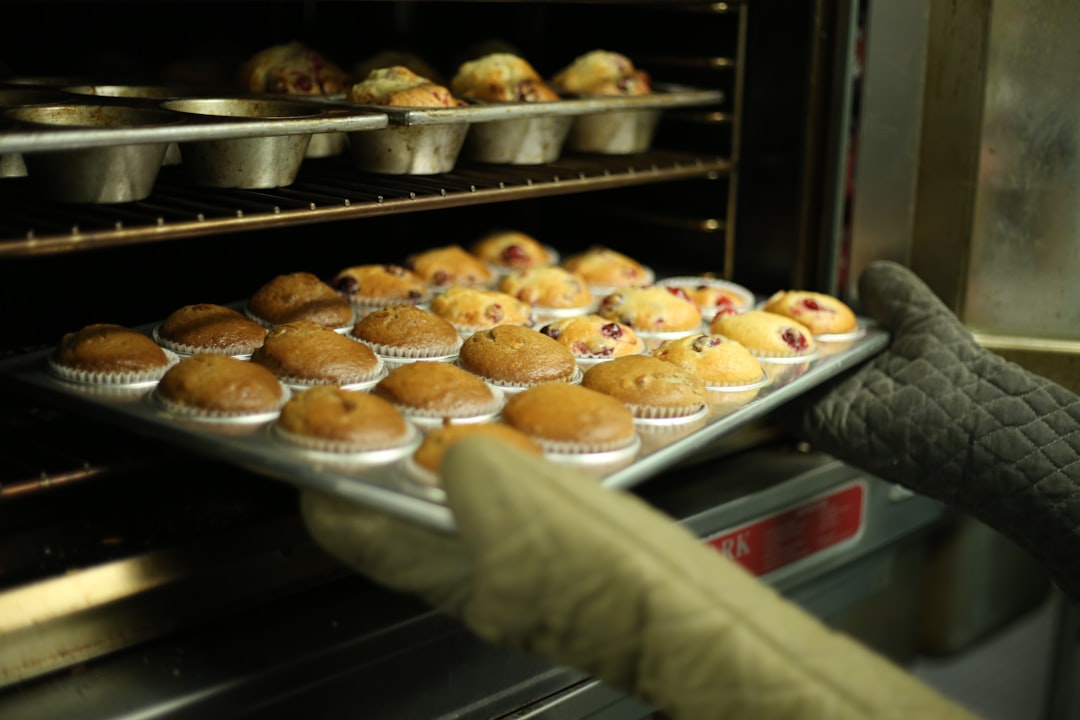


Muffins are a quietly excellent product to sell from home, because they're portion-sized, grab-and-go, and open a door most baked goods don't: steady wholesale orders from local coffee shops and cafes. A single café that buys two dozen muffins three mornings a week is a standing order most home bakers would love to have. Muffins are cheap, fast, and freeze well, and they sell equally at markets, for pickup, and to businesses that need a reliable morning supply.
The short version: Muffins are legal to sell from home under cottage food law in nearly every state as shelf-stable baked goods. They cost 40 to 80 cents each to make and sell for $3 to $5 retail, or in bulk to cafes. Their real advantage is wholesale: local coffee shops and offices buy them on a recurring schedule, which turns muffins into steady income. Sell them by the half-dozen and dozen, pursue wholesale accounts, and take pre-orders. Your best moves are landing a standing café order and keeping muffins fresh with smart baking and freezing.
This guide covers why muffins sell, the costs and pricing, the wholesale angle that sets them apart, and how to keep them fresh from oven to customer.
Muffins are a smart product because they're individually portioned, universally liked, and uniquely suited to recurring wholesale orders. A muffin needs no slicing, no plating, and no decorating. It's a self-contained, grab-and-go item, which makes it perfect for markets, offices, and especially cafes that want a fresh morning bake without running their own oven.
Here's what makes muffins work for a home vendor:
The honest note: muffins are a modest per-item price, so your income comes from volume and recurring orders rather than premium pricing. The vendors who profit most treat wholesale accounts as the core of the business, with retail and markets as a bonus.
Muffins are legal to sell from a home kitchen under cottage food law in nearly every state, because they're shelf-stable baked goods. Cottage food laws are written for exactly this kind of low-risk item. Most muffins qualify easily, with the usual caution around perishable additions and proper labeling.
A few points to keep straight:
Every state sets its own allowed-foods list and sales cap, so confirm your local rules. Our overview of what foods you can sell under cottage food laws and the cottage food laws by state directory point you to the specifics where you live.
A muffin costs about 40 to 80 cents to make and sells for $3 to $5 retail, with wholesale pricing lower per unit but ordered in volume. Muffins are cheap to produce, and the pricing math changes depending on whether you're selling one to a market customer or two dozen to a café.
Here's a materials breakdown for a dozen muffins:
| Item | Cost per dozen |
|---|---|
| Flour, sugar, eggs, oil, dairy | $2.50 |
| Add-ins (fruit, chocolate, nuts) | $1.50 |
| Liners and packaging | $1.50 |
| Energy | $0.60 |
| Total | $6.10 |
That's about 51 cents per muffin. Your pricing depends on the channel:
The wholesale price looks low, but a café ordering two dozen three times a week is a large, dependable order that retail rarely matches. At $21 a dozen, or $1.75 a muffin, a 4-dozen wholesale batch still pays a home baker about $25 an hour after supplies, and the muffin price ladder from a single to a wholesale dozen shows where each size should land. Leave the café enough margin to mark up comfortably. If pricing makes you nervous, read why charging what you're worth feels wrong, and see how vendors approach pricing baked goods broadly.
Land wholesale café orders by approaching local coffee shops with samples, a simple price sheet, and a reliable delivery schedule. This is the muffin advantage: independent cafes often want a fresh, local morning bake but don't want to run a full bakery. If you can be dependable, you become their supplier, and a standing order is worth more than dozens of one-off sales.
Steps to win a café account:
Being dependable is the whole pitch. A café that trusts your Tuesday-Thursday-Saturday delivery will stick with you for years. Managing a recurring wholesale relationship, plus your retail orders, through scattered messages gets messy fast, which is where a real ordering and standing-order system helps. Here's how to sell food online as a local vendor so your accounts stay organized.
The muffin flavors that sell best are the classics that suit a morning crowd: blueberry, banana nut, chocolate chip, and bran, plus seasonal and savory options that keep your menu interesting. Because muffins are a breakfast and coffee-break product, your flavors should fit that moment.
Flavors that reliably move:
Formats that help:
Offer a tight rotation that includes a couple of reliable staples plus one or two seasonal flavors. Cafes especially value consistency, so keep your core flavors steady while rotating specials to keep things fresh.
Keep muffins fresh by baking close to delivery, cooling completely before packaging, and freezing extras, since muffins are best the day they're made. USDA's FoodKeeper app gives homemade muffins 3 to 7 days on the counter, but the best taste lasts only 1 to 2, which is why how long homemade muffins last for selling builds its bake schedule around a pickup the next morning. Freshness is what keeps both retail customers and café accounts happy, and it's easy to manage with a little planning.
Steps that protect freshness:
For science-based guidance on freezing baked goods and keeping them at their best, the National Center for Home Food Preservation is a reliable, university-backed resource. Because muffins freeze so well, you can bake efficiently in larger batches and still deliver fresh-tasting product, which is a real advantage for a busy home baker.
Between recurring café accounts and retail orders, muffins reward organization, and a real storefront makes both easy. Homegrown is $10 a month with no percentage fees beyond standard payment processing, and it gives you an order page where retail customers pick their flavors and pickup times, and where you can manage the recurring orders that make wholesale worthwhile. You bake to a known count instead of guessing.
How it compares to the alternatives:
What Homegrown does well for a muffin vendor: pre-orders and recurring orders so you bake to an exact count, pickup scheduling for retail, a customer list for both cafes and regulars, and a fifteen-minute setup. What it doesn't do: it won't bake for you, land your café accounts, or deliver. It keeps your retail and wholesale orders organized so you can focus on baking and building accounts. When you're ready, you can set up your storefront and take muffin orders today.
The biggest muffin mistake is ignoring the wholesale advantage, followed by unreliability that costs you the accounts you do land. Because muffins are a modestly priced product, your profit depends on volume and recurring orders, and the errors that hurt most are the ones that undercut both.
Mistakes to avoid:
Getting these right turns muffins into a source of steady, recurring income rather than scattered one-off sales.
In most states you can sell muffins under cottage food law without a business license, because they're shelf-stable baked goods. Some states require a simple registration or food handler's card, and a few require a home-kitchen inspection. Selling wholesale to a café that resells your muffins can sometimes add requirements, so check both your state's cottage food rules and what the café needs before you start.
Yes, selling muffins wholesale to local coffee shops is one of the best opportunities for a home baker, since cafes often want a fresh local bake without running their own bakery. Approach independent shops with samples and a price sheet, and emphasize reliable delivery. Be aware that wholesale to a reseller can trigger extra rules in some states, so confirm requirements with your state and the café first.
Charge $3 to $5 per muffin retail, or $15 to $24 a dozen, and $1.75 to $2.75 each wholesale so cafes can mark them up and still profit. Muffins cost only 40 to 80 cents each to make, so retail margins are strong. Wholesale prices are lower per unit but come in reliable volume, which often makes a standing café order more valuable than scattered retail sales.
Keep muffins fresh by baking close to delivery, cooling them completely before packaging, and freezing any extras, since muffins are best the day they're made. For café accounts, same-day baking delivers the freshness they want. Because muffins freeze and reheat so well, you can bake ahead in larger batches and thaw as needed without sacrificing quality.
Blueberry is the classic best-seller, followed by banana nut, chocolate chip, and bran, with seasonal flavors like pumpkin and lemon-poppyseed adding variety. Savory options like cheddar-chive suit cafes and lunch crowds where cottage food rules allow. Keep a couple of reliable core flavors steady, especially for wholesale accounts that value consistency, and rotate one or two specials to keep your menu interesting.
Muffins are profitable when you build around recurring wholesale orders, because a café buying two dozen several times a week provides steady, dependable income that retail rarely matches. Materials cost only 40 to 80 cents per muffin, so margins are healthy at both retail and wholesale prices. The key is volume and reliable accounts rather than high per-item pricing.
Plain savory muffins are usually fine under cottage food law, but versions with cheese, meat, or other perishable toppings can be a gray area, since they may require refrigeration. Corn muffins and herb muffins without perishable additions are generally safe. Check your state's rules before offering cheese-topped or meat-containing savory muffins, and stick to shelf-stable versions for cottage sales when in doubt.
Muffins reward vendors who chase the wholesale advantage: stay reliable, land standing café accounts, price for both retail and volume, and keep every muffin fresh. Do that and a modest baked good becomes a source of steady, recurring income. When you're ready to keep your café accounts and retail orders organized, set up a Homegrown storefront and take muffin orders in one place.



