
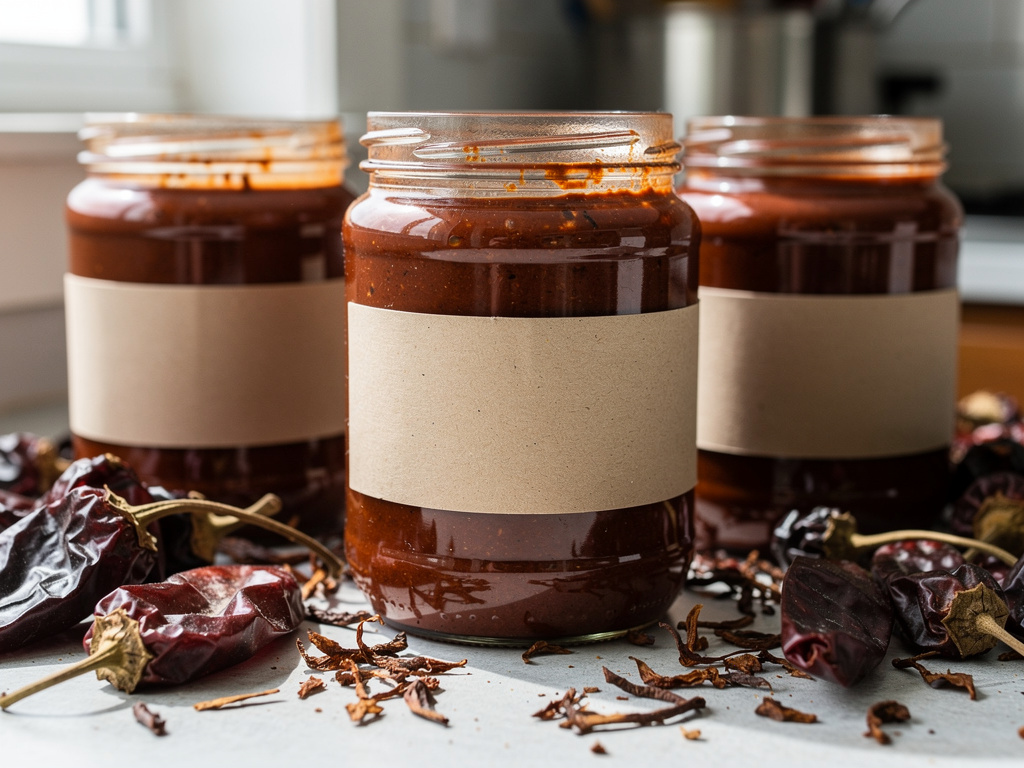


Mole is one of the crown jewels of Mexican cooking, a deep, complex sauce built from chiles, spices, seeds, and sometimes chocolate, and it's a food people treasure and struggle to find made authentically. Selling your family's mole from home is a genuine opportunity, but it comes with an important distinction: whether you sell it as a shelf-stable mole paste or as a ready-to-eat prepared sauce changes everything about the rules. A concentrated mole paste can often be sold under cottage food law, while a fully prepared, perishable sauce usually can't. Understanding that difference is the key to selling your mole legally and building a business around one of Mexico's most beloved sauces.
The short version: Whether you can sell mole from home depends on the form: a shelf-stable, low-moisture mole paste or concentrate may qualify under cottage food law in some states, while a ready-to-eat prepared mole sauce is typically perishable and requires a licensed kitchen. Confirm your state's rules and your specific product's shelf stability. A jar of quality mole paste sells for $10 to $20, and there's strong demand for authentic mole. Focus on the shelf-stable paste form, honest labeling, and the deep, traditional flavor that sets your mole apart.
This guide covers the shelf-stable-versus-perishable distinction for mole, the legal basics, how to make a sellable paste, pricing, and how to reach customers who crave authentic mole.
Whether you can sell mole under cottage food law depends heavily on its form: a shelf-stable, concentrated mole paste may qualify in some states, while a ready-to-eat prepared sauce is usually a perishable food that requires a licensed kitchen. This distinction is the first thing to resolve, because it determines your entire path.
Here's how the forms differ:
Because mole's status depends on its form and your state, confirm both before selling. Our overview of how cottage food law treats heritage and ethnic foods explains the shelf-stable-versus-perishable rule that governs mole, and the cottage food laws by state directory links to your state's specifics. The FDA's guidance on foodborne illness explains why prepared, perishable sauces carry stricter rules than shelf-stable pastes.
There's strong demand for authentic mole because it's beloved, time-consuming to make, and hard to find done well, so customers gladly pay a premium for the real thing. Mole is a special-occasion sauce that many people love but few have the time or dozens of ingredients to make from scratch, which creates a genuine market for a quality homemade paste.
Here's why the demand is real:
The honest note: mole is genuinely labor-intensive to produce, with many ingredients and careful technique, so it's not a quick product to make. And you're limited to the shelf-stable paste form for cottage sales, rather than the ready-to-eat sauce. But the deep demand for authentic mole, the premium it commands, and the fact that a paste is exactly how many people prefer to buy it make mole a rewarding heritage product to sell.
You make a sellable mole paste by cooking down your traditional mole to a thick, concentrated, low-moisture paste that's shelf-stable, which the customer thins with broth at home. The goal is a rich, authentic concentrate that captures your mole's full flavor in a form that keeps without refrigeration.
The basics of a sellable paste:
Because shelf stability depends on how the paste is made, focus on a thick, low-moisture concentrate and confirm its stability. For guidance on what makes foods safe to store and how moisture affects preservation, the National Center for Home Food Preservation is a reliable, university-backed resource. A dense, authentic mole paste that reconstitutes into a rich sauce is both the safest form to sell and exactly what many customers want, since it's convenient and long-lasting.
Price mole paste at $10 to $20 per jar depending on size and variety, reflecting the labor, dozens of ingredients, and authenticity behind it. Mole is a premium, labor-intensive product, and customers who seek authentic mole understand and expect to pay for quality.
A pricing structure that works:
Different regional moles (negro, poblano, coloradito) let you offer variety and premium tiers. If pricing your work fairly feels uncomfortable, read why charging what you're worth feels wrong, and see how vendors approach pricing specialty products. Given mole's genuine complexity and labor, price for the authentic, handmade product you're offering, since customers value real mole over anything from a jar at the store.
The moles that sell best span the beloved regional varieties, and you can extend your line with other shelf-stable Mexican sauce concentrates. Because mole has many traditional forms and Mexican cuisine has other sauces, offering variety serves customers and builds your line.
Mole varieties that sell:
Related shelf-stable options to consider:
Lead with a couple of your best moles and add regional varieties or related concentrates for variety and premium tiers. A focused line of authentic moles, plus a few related shelf-stable sauces, gives customers choice while keeping your production manageable. Your authentic recipes and traditional flavors are what set your line apart from anything mass-produced.
Reach mole customers through the Mexican community, food enthusiasts, and home cooks who crave authentic flavor, using sampling, your family story, and the convenience of a quality paste. Your customers are people who love real mole and either can't make it themselves or want a trusted source.
Ways to find your customers:
Because a shelf-stable paste can be carried in stock and even shipped, you can reach customers beyond your immediate area. Managing orders and reorders through DMs still gets messy, so a real storefront helps. Here's how to sell food online as a local vendor so your mole orders stay organized.
A shelf-stable, premium heritage product with reorder demand fits an online storefront well. Homegrown is $10 a month with no percentage fees beyond standard payment processing, and it gives you an order page where customers browse your mole varieties, buy jars or sampler sets, and reorder favorites easily. Because a shelf-stable paste keeps well, you fulfill from stock with little waste.
How it compares to the alternatives:
What Homegrown does well for a mole vendor: a clean storefront that showcases your varieties, easy jars and sampler sets, effortless reorders, a customer list for announcing new moles, and a fifteen-minute setup. What it doesn't do: it won't make your mole, verify your product's shelf stability, or ship for you. It gives a legal, shelf-stable heritage product a place to sell and be reordered. When your product and rules are set, you can set up your storefront and sell your mole today.
The most important mole-selling mistakes are selling a perishable prepared sauce instead of a shelf-stable paste and skipping the legal check. Because mole's legality turns on its form, the errors that matter most involve shelf stability.
Mistakes to avoid:
Getting these right lets you sell authentic mole legally and profitably in the form customers want.
Whether you can sell homemade mole under cottage food law depends on its form. A shelf-stable, concentrated mole paste that the customer reconstitutes may qualify in some states, while a ready-to-eat, perishable prepared sauce typically requires a licensed kitchen. Confirm your specific product's shelf stability and your state's rules, since sauces can fall into regulated categories. Focusing on a low-moisture paste is generally the more sellable form from home.
Mole paste is a thick, concentrated, low-moisture form that's more shelf-stable and that customers thin with broth at home, while mole sauce is the ready-to-eat, thinned, perishable version. For selling from home, the paste is usually the viable option under cottage food law, since it doesn't require refrigeration, whereas the prepared sauce is a perishable food that typically requires a licensed kitchen. Sell the paste and let customers finish it.
Mole paste typically sells for $10 to $20 per jar depending on size and variety, with premium and complex regional moles like mole negro at the higher end. Since mole is genuinely labor-intensive, requiring dozens of ingredients and hours of work, this premium is well justified. Customers who seek authentic mole understand and expect to pay for quality, so price for the real, handmade product you're offering.
Mole is labor-intensive because authentic recipes can require dozens of ingredients, including several types of chiles, spices, seeds, nuts, and sometimes chocolate, each often toasted or prepared separately, then blended and cooked down for hours. This complexity is exactly why there's strong demand for quality homemade mole, since many people love it but lack the time or ingredients to make it, and they gladly pay for an authentic paste.
Yes, you should list allergens on your mole, since traditional moles commonly contain nuts, seeds, and sometimes other allergens, which must be disclosed on your label along with your ingredients, net weight, and your information. Clear allergen labeling is both required and important for customer safety, especially given how many mole recipes include nuts. Include reconstitution instructions too, so customers know how to prepare your paste into sauce.
You can ship a shelf-stable mole paste, since it keeps without refrigeration, which lets you reach customers beyond your local area who crave authentic mole. Confirm your product is genuinely shelf-stable and check your state's rules on shipping cottage foods before shipping across state lines. A ready-to-eat, perishable mole sauce, by contrast, would need refrigeration and couldn't be shipped safely, which is another reason the paste is the better product to sell.
Start with beloved varieties like mole poblano and mole negro, then add regional moles like rojo, coloradito, or pipián for variety and premium tiers. Offering a few authentic varieties gives customers choice and lets you charge more for complex, prized moles. You can also extend your line with related shelf-stable Mexican sauce concentrates like adobo pastes, keeping your production focused while serving customers who want authentic flavors.
Mole rewards vendors who honor the tradition and understand the rules: sell a shelf-stable, authentic paste rather than a perishable sauce, confirm your state's requirements, price for the real labor involved, and lead with your family's genuine flavors. As one of Mexico's most beloved and hard-to-find sauces, authentic mole is a rewarding heritage product. When your product and rules are set, set up a Homegrown storefront and share your mole with the community.



