
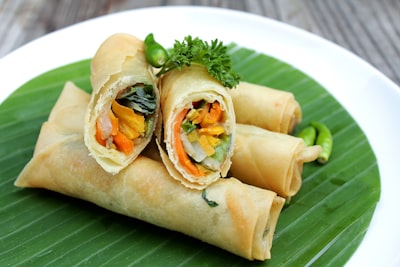


Lumpia, the beloved Filipino spring rolls, are one of the most requested foods at any gathering, and plenty of home cooks dream of selling their family's recipe. Whether it's crispy lumpia Shanghai packed with seasoned meat or fresh lumpiang sariwa, people love it and will happily buy it. But here's the honest reality most guides skip: lumpia with meat is a perishable food, and even sold frozen and uncooked, it typically requires a licensed kitchen rather than a basic cottage food permit. That doesn't mean you can't build a lumpia business, but it does mean knowing the real rules so you do it legally and safely. Here's what selling lumpia from home actually involves.
The short version: Lumpia, especially meat-filled varieties, is a perishable food, so it usually doesn't qualify under standard cottage food law, whether sold fresh, cooked, or frozen and uncooked. Selling it legally generally requires a licensed or commissary kitchen, or a home-kitchen permit program where your state allows perishable foods. Confirm your state's rules before selling. Many lumpia entrepreneurs use a licensed kitchen, sell at permitted events, or run a small catering-style operation. Never sell perishable, meat-filled lumpia from an unlicensed home kitchen, and check what your state requires for frozen prepared foods.
This guide explains why lumpia usually isn't cottage-legal, your real options, and how to build a lumpia business the right way.
You generally cannot sell lumpia under standard cottage food law, because most lumpia contains meat and other perishable fillings, making it a perishable food that requires temperature control. Cottage food law is built for shelf-stable, low-risk foods, and lumpia, with its meat, vegetables, and often egg, is neither.
Here's why lumpia is usually excluded:
Because lumpia is a perishable prepared food, it almost always requires a licensed kitchen, not a cottage food permit. Our overview of how cottage food law treats heritage foods explains the shelf-stable-versus-perishable rule that excludes lumpia, and the cottage food laws by state directory links to your state's specifics. The FDA's guidance on foodborne illness explains why meat-containing foods carry strict rules.
People often assume they can sell frozen, uncooked lumpia because freezing preserves food, but freezing doesn't remove the perishable, prepared-food status that puts lumpia outside standard cottage food law. This is a common and understandable misconception worth clearing up.
Here's the reality:
So while selling frozen lumpia is common, doing it legally usually still requires a licensed kitchen or a permit program that allows it. Some states' microenterprise home kitchen programs may permit certain prepared or frozen foods with inspection and certification, so it's worth checking. For guidance on safe handling and freezing of perishable foods, the National Center for Home Food Preservation is a reliable, university-backed resource. The key is confirming your state's specific rules rather than assuming freezing makes lumpia cottage-legal.
Your options for selling lumpia legally are a licensed commercial or commissary kitchen, a home-kitchen permit program where your state offers one, or selling at permitted events. Because lumpia is a perishable prepared food, selling it legally means a regulated setup.
Your possible paths:
Each path involves more cost, inspection, and regulation than cottage food, which is the tradeoff for selling a perishable prepared food. Before investing, talk to your local health department about what's required for selling lumpia, including frozen. Many lumpia entrepreneurs start by cooking for events with temporary permits or renting commissary time, building a following and income while operating legally, then grow from there. This is genuinely the standard path for a beloved but perishable food like lumpia.
Where you can legally sell it, price lumpia by the piece or dozen, typically $1 to $2.50 per roll or $10 to $25 per dozen depending on size, filling, and whether it's cooked or frozen. Lumpia is labor-intensive to roll, so price for the real work involved, and customers happily pay for authentic, handmade lumpia.
A pricing structure that works:
Party and bulk orders are where lumpia becomes lucrative, since it's a party favorite ordered in large quantities. If pricing your work fairly feels uncomfortable, read why charging what you're worth feels wrong, and see how vendors approach pricing specialty products. Lumpia is genuinely labor-intensive to hand-roll, so price for that time, especially on large party orders.
You build a lumpia business by securing a legal way to produce it, then reaching the Filipino community, party hosts, and food lovers who crave authentic lumpia. Lumpia has passionate demand, so once you're operating legally, the market is strong.
Ways to build and sell:
Because lumpia is a party and event favorite, catering large orders is where the real money is. Managing party and bulk orders through DMs gets messy fast, so a real ordering system helps. Here's how to sell food online as a local vendor so your lumpia orders stay organized as you grow.
Once you're operating legally, a party-favorite food with big bulk orders benefits from an organized ordering system. Homegrown is $10 a month with no percentage fees beyond standard payment processing, and it gives you an order page where customers order lumpia by the dozen or for parties, choose a pickup time, and reorder easily, keeping your bulk and event orders organized in one place.
How it compares to the alternatives:
What Homegrown does well for a lumpia vendor: order intake for dozens and party quantities, pickup scheduling, a customer list for events and reorders, and a fifteen-minute setup. What it doesn't do: it won't make you legal to sell perishable lumpia (that's your licensed-kitchen or permit path), cook for you, or handle food-safety compliance. It keeps your orders organized once you're operating legally. When your legal path is set, you can set up your storefront and take lumpia orders.
The most serious lumpia-selling mistake is selling perishable, meat-filled lumpia from an unlicensed home kitchen, including frozen. Because lumpia is a perishable prepared food, the errors that matter most involve food safety and the law.
Mistakes to avoid:
Getting these right keeps you legal and safe while building a beloved food into a business.
You generally cannot sell lumpia from an unlicensed home kitchen, because most lumpia contains perishable meat and vegetable fillings, making it a perishable food that falls outside cottage food law, even when sold frozen. Selling lumpia legally usually requires a licensed or commissary kitchen, a home-kitchen permit program where your state allows perishable foods, or event permits. Confirm your state's specific rules before selling any lumpia.
Selling frozen, uncooked lumpia is common, but freezing doesn't make it cottage-legal, since a frozen meat-filled lumpia is still a perishable prepared food that must stay frozen to be safe. Many cottage food laws specifically exclude frozen prepared foods. Selling frozen lumpia legally usually still requires a licensed kitchen or a permit program that allows frozen prepared foods, so confirm your state's rules rather than assuming freezing is enough.
You can't sell lumpia under cottage food law because it's a perishable prepared food, typically containing meat and vegetables that require refrigeration or freezing to stay safe, while cottage food law is designed for shelf-stable, low-risk foods. Meat-containing foods carry food-safety risks that require controlled conditions. This isn't about your cooking; it's that perishable prepared foods like lumpia require the licensed setup that cottage food permits don't cover.
You can sell lumpia legally through a licensed commercial or commissary kitchen, a home-kitchen permit program where your state offers one that allows perishable or frozen foods, or by selling freshly cooked lumpia at permitted events and markets. Each requires more setup and inspection than cottage food, since lumpia is a perishable prepared food. Talk to your local health department about the specific requirements for selling lumpia in your area.
Where you can legally sell it, lumpia typically sells for $1 to $2.50 per piece cooked at events, or $10 to $20 per dozen frozen, with party trays and bulk orders priced by the total. Lumpia is labor-intensive to hand-roll, so price for the real work, especially on large party orders. Party and event orders, often by the hundreds, are where lumpia becomes genuinely lucrative for a vendor.
Lumpia can be a good food business because it's beloved, a party staple ordered in large quantities, and has passionate demand in the Filipino community and beyond. The catch is that it's perishable, so you need a legal production path like a commissary kitchen or permits rather than a simple cottage food setup. Many lumpia entrepreneurs start with event permits or commissary time, building a following while operating legally.
Starting with permitted events or renting commissary kitchen time is a common, lower-commitment way to begin a lumpia business legally, letting you build a following and income before investing in a larger operation. Event permits let you sell freshly cooked lumpia where crowds gather, while commissary time lets you produce frozen lumpia to sell. Both keep you legal and safe, so choose based on your local options and how you want to sell.
Lumpia sellers make the most money on party and event orders, since lumpia is a staple at Filipino celebrations, potlucks, and gatherings where it's ordered by the hundreds. Catering large bulk orders for parties, from a legal kitchen, is far more profitable than selling a few dozen at a time. Building relationships in your community so people order your lumpia for their events, and taking those bulk orders through an organized system, is the key to a strong lumpia business once your legal path is set.
You can sell freshly cooked lumpia at farmers markets, festivals, and community events if you obtain the proper temporary food permits and meet the health department's requirements for preparing and holding hot food safely. These permitted events are one of the most accessible legal ways to start, since crispy, fresh lumpia sells fast to crowds. Confirm the specific permit requirements with your local health department and the event organizer before setting up.
Lumpia is a case where the honest answer matters: it's a perishable, usually meat-filled food that requires a licensed kitchen or permits, even sold frozen, and freezing alone doesn't make it cottage-legal. Secure a legal production path, focus on the party and event orders where lumpia shines, and price for the hand-rolled labor. When your legal path is set, set up a Homegrown storefront and keep your lumpia orders organized.



