
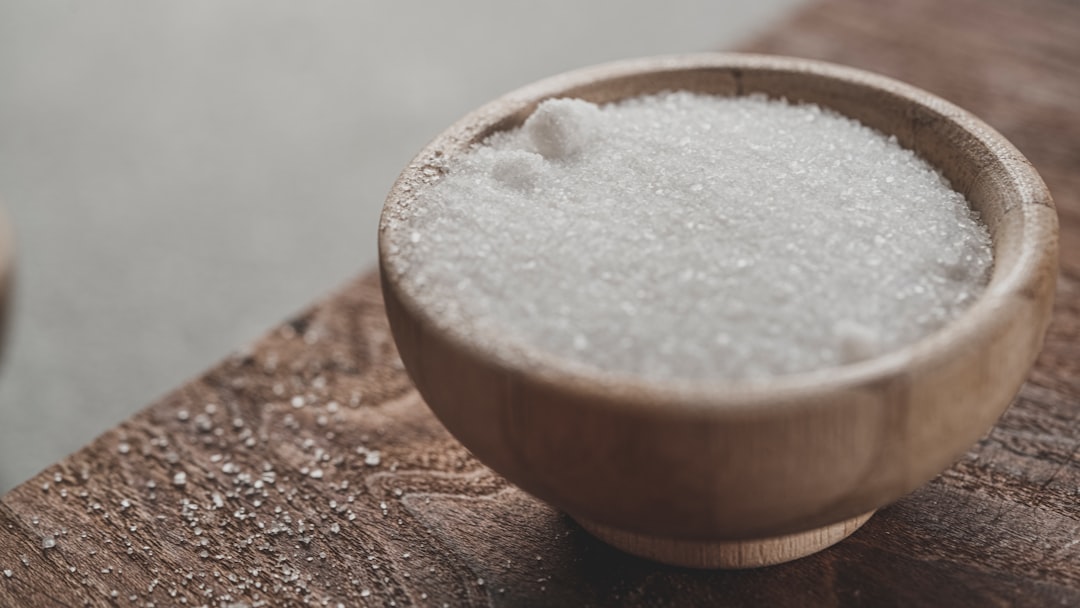


Flavored finishing salts are a small, elegant product with a surprisingly premium price tag. A tiny jar of smoked sea salt, rosemary salt, or citrus salt sells for $8 to $16, costs very little to make, and lasts practically forever. Finishing salts sit at the gourmet end of the pantry market, where customers happily pay for something that feels special and makes an everyday dish taste elevated. If you like blending flavors and want a shelf-stable, giftable product, finishing salts are one of the most profitable options around.
The short version: Flavored finishing salts are legal to sell from home under cottage food law in essentially every state, because they're dry, shelf-stable, and extremely low-risk. They cost $1 to $3 a jar to make and sell for $8 to $16, a premium margin driven by their gourmet positioning. Blend a small line of distinct flavors, package them to look upscale, and market to home cooks, foodies, and the gift crowd. Because salt never spoils, you make to stock and sell with almost no waste, which makes finishing salts a low-stress, high-margin product.
This guide covers what makes finishing salts sell, the cost and pricing math, how to build a gourmet line, and how to reach the customers who pay premium prices for them.
Finishing salts are flavored, often coarser salts sprinkled on food just before serving to add a burst of flavor and texture, and they sell because they turn an ordinary dish into something that feels gourmet. Unlike cooking salt that dissolves into a recipe, a finishing salt is meant to be seen and tasted at the end, which is exactly why customers treat it as a special, giftable pantry item rather than a commodity.
Here's why they work as a product:
The honest note: finishing salts are a niche, so you're selling to food enthusiasts and gift shoppers rather than a mass audience. But that niche pays well, and the product's elegance and margins more than make up for the smaller crowd. Presentation and flavor sophistication are what win here.
Flavored finishing salts are legal to sell from home under cottage food law in essentially every state, because they're dry, shelf-stable, and among the lowest-risk foods you can make. Salt and dried seasonings are on virtually every state's allowed-foods list. Your responsibilities are accurate labeling and keeping the product fully dry.
A few points to keep straight:
Every state sets its own rules and sales cap, so confirm your local requirements. Our overview of what foods you can sell under cottage food laws and the cottage food laws by state directory point you to the specifics where you live.
A jar of finishing salt costs about $1 to $3 to make, with the salt itself and the jar being your main expenses. Quality sea salt or flaky salt costs more than table salt, but you use small amounts, and the premium salt is part of what justifies the premium price.
Here's a realistic breakdown for one small jar (about 2 to 4 ounces):
| Item | Approx. cost per jar |
|---|---|
| Sea salt or flaky salt (base) | $0.70 |
| Flavoring (dried herbs, zest, smoke, chili) | $0.50 |
| Jar or tin | $1.10 |
| Label | $0.35 |
| Total | $2.65 |
That jar costs under $3 to make and sells for $8 to $16, one of the best margins in the pantry category. Because you use small quantities and the product never spoils, waste is essentially zero. Your main cost driver is choosing a quality base salt, which is worth it: a good flaky finishing salt feels and tastes premium, and it's part of the story you're selling. Labor is minimal, since blending and jarring go quickly.
Price finishing salts at $8 to $16 a jar depending on size and ingredients, leaning into their gourmet positioning, with gift sets priced to encourage multi-jar purchases. Finishing salts are a product where underpricing actually hurts you, because a too-low price signals a commodity rather than the special item customers want.
A pricing structure that works:
Sets are especially powerful for finishing salts, since the small jars make a collection feel generous and giftable. Price with confidence, because this is a gourmet product and the margin supports it. If premium pricing feels uncomfortable, read why charging what you're worth feels wrong, and see how vendors approach pricing specialty pantry products generally.
Build a gourmet finishing salt line by developing a small range of distinct, sophisticated flavors and choosing a quality base salt that feels premium. The appeal of finishing salts is refinement, so a thoughtful, well-branded line beats a scattershot collection of ordinary flavors.
Flavor directions that sell:
Choices that elevate your line:
Test your salts on real food, since a finishing salt has to taste balanced sprinkled on top of a dish. For guidance on storing dried herbs and ingredients so your flavors stay vibrant, the National Center for Home Food Preservation is a reliable, university-backed resource. A refined, cohesive line that looks and tastes premium is what earns the gourmet price.
Reach finishing salt customers through foodies, home cooks, and the gift market, using beautiful presentation and sampling to convey quality. This is a product bought by people who care about cooking and by shoppers looking for an elegant gift, so your marketing should feel as refined as the product.
Ways to find your customers:
Because salts never spoil, you can carry a full line in stock and fulfill orders and reorders instantly. Managing gift-set orders and reorders through DMs still gets messy, so a real storefront where customers browse the whole line and reorder favorites helps. Here's how to sell food online as a local vendor so your gourmet line sells itself.
A gourmet, shelf-stable product with a collectible feel is a natural fit for a clean online storefront. Homegrown is $10 a month with no percentage fees beyond standard payment processing, and it gives you an order page where customers browse your full salt line, buy singles or gift sets, and reorder favorites easily. Because salts don't spoil, you fulfill from stock with almost no waste.
How it compares to the alternatives:
What Homegrown does well for a salt vendor: a clean storefront that showcases your whole line, easy singles and gift sets, effortless reorders, a customer list for new-flavor announcements, and a fifteen-minute setup. What it doesn't do: it won't blend or jar your salts, guarantee sales, or ship for you. It gives your elegant, shelf-stable line a place to sell and be collected. When you're ready, you can set up your storefront and sell your salts today.
The biggest finishing salt mistakes are underpricing and cheap presentation, both of which undercut the gourmet positioning the product depends on. Because finishing salt is a premium item, the errors that hurt most are the ones that make it look like a commodity.
Mistakes to avoid:
Getting these right lets a tiny, no-spoilage product command a genuinely gourmet price.
In essentially every state you can sell flavored finishing salts under cottage food law without a special license, because dry salts and seasonings are among the safest, most shelf-stable foods and appear on virtually every allowed-foods list. Some states require a simple registration. Check your state's cottage food rules, but flavored salts are one of the lowest-hurdle products you can sell.
Finishing salts last essentially indefinitely, because salt is naturally shelf-stable and does not spoil. Dried flavorings like herbs and zest gradually lose potency over a year or more, which affects flavor rather than safety. Store your salts in sealed jars away from moisture and light, and label them with a best-by date to signal when the flavor is at its peak.
Finishing salts sell for $8 to $16 per small jar, with premium and specialty blends at the higher end, because they're a gourmet product customers treat as special. Since a jar costs only $1 to $3 to make, margins are excellent. Gift sets of three or four flavors are the best way to raise your average order and play to the collectible appeal of the product.
Keep your salts fully dry by using dried zest and dried herbs rather than fresh citrus or fresh herbs, since fresh ingredients add moisture that changes the safety profile and can push your product out of shelf-stable, cottage-food-eligible territory. Drying zest and herbs first, or buying them dried, keeps your salts safe, long-lasting, and clearly within cottage food rules.
Smoked salt is a consistent best-seller, followed by herb salts like rosemary, citrus salts using dried zest, and chili salts for heat lovers. Specialty blends like garlic-herb or a truffle-style salt make a strong premium tier. A focused line of four to six distinct flavors, each with a clear identity, sells better than a large collection of similar ones and is easier to stock and market.
Make your finishing salts look premium by starting with a quality flaky sea salt, using elegant small jars or tins, and designing clean, sophisticated labels. Presentation is a major part of the perceived value in this gourmet category, so invest in packaging that matches the price. Beautiful product photography also conveys quality and helps justify premium pricing to online shoppers.
Finishing salts are highly profitable because ingredient costs are tiny, margins are wide, and the product never spoils, so waste is essentially zero. A jar that costs under $3 to make sells for $8 to $16. The keys to profit are strong gourmet positioning, elegant packaging, and selling gift sets that encourage customers to buy several jars at once.
Flavored finishing salts reward vendors who lean into refinement: build a focused, sophisticated line, choose a quality base salt, package it beautifully, and price for the gourmet market. Because salt never spoils, it's one of the most forgiving, high-margin products you can sell. When you're ready to showcase your line and make reorders easy, set up a Homegrown storefront and start selling your finishing salts.



