
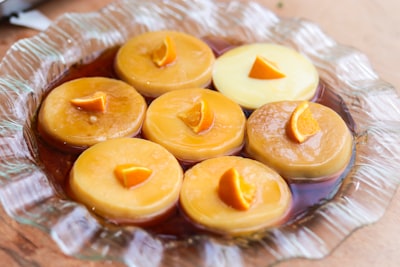


Filipino desserts, from the silky leche flan to crumbly polvorón to colorful halo-halo, are treasured treats that bring instant nostalgia and joy. If you make them well, there's real demand, especially in the Filipino community. But whether you can sell a given dessert from home depends on one thing: whether it's shelf-stable or perishable. Many Filipino sweets, like polvorón and certain cookies, are shelf-stable baked goods and candies you can sell under cottage food law, while others, like leche flan and halo-halo, are perishable and require a licensed kitchen. Knowing which is which lets you start selling your Filipino desserts legally, right away, with the ones that qualify.
The short version: Which Filipino desserts you can sell from home depends on shelf stability. Shelf-stable sweets like polvorón, biscocho, and many cookies qualify under cottage food law in most states, while perishable desserts like leche flan (an egg custard), halo-halo, kutsinta, and dairy-based treats usually require a licensed kitchen. Confirm your state's rules. Start with your shelf-stable Filipino desserts, label them and their allergens clearly, and lean into the nostalgia and quality. Your biggest wins are the shelf-stable treats you can sell now, plus a licensed path for the perishable favorites later.
This guide covers which Filipino desserts are cottage-legal, which aren't, how to sell the ones you can, pricing, and reaching customers who crave these treats.
You can sell shelf-stable Filipino desserts under cottage food law in most states, including polvorón, biscocho, and many cookies, because they're dry, low-risk baked goods and candies. If your Filipino dessert is a shelf-stable sweet or baked good, there's a good chance you can sell it from home.
Shelf-stable Filipino desserts often allowed:
These treats fit cottage food law's shelf-stable framework just like Western cookies and candies. Always confirm with your state, since some items depend on ingredients and preparation. Our overview of how cottage food law treats heritage foods explains the shelf-stable-versus-perishable rule, and the cottage food laws by state directory links to your state's specifics. Starting with these shelf-stable sweets lets you sell authentic Filipino desserts legally from home right away.
Perishable Filipino desserts, especially those with custard, dairy, or fresh ingredients, usually require a licensed kitchen, because they're temperature-controlled-for-safety (TCS) foods. If your dessert needs refrigeration, it likely falls outside cottage food law.
Perishable Filipino desserts that usually need a licensed kitchen:
These desserts contain eggs, dairy, or fresh ingredients that make them perishable, which is why they require the controlled conditions of a licensed kitchen. The FDA's guidance on foodborne illness explains why custards and dairy desserts carry strict rules. This is often the hard part for dessert makers, since leche flan and other custards are among the most beloved, but they're perishable foods that require a licensed setup, not a cottage food permit. Confirm each dessert's status with your state.
You sell shelf-stable Filipino desserts by focusing on the treats that qualify, labeling them well, and reaching customers who crave authentic flavors. The shelf-stable sweets let you build a real business legally while the perishable favorites wait for a licensed kitchen.
Steps to sell them:
Because shelf-stable desserts keep well and are giftable, they're ideal for the pasalubong tradition of bringing treats as gifts, which drives strong demand. Assorted boxes make excellent gifts and raise your average order. A focused line of authentic, well-made shelf-stable Filipino desserts, beautifully packaged, is a genuine business you can run legally from home while planning a licensed path for leche flan and other perishable favorites.
Price shelf-stable Filipino desserts by the piece or box, with individual treats at $1 to $3 and assorted or specialty boxes at $10 to $25, reflecting their handmade quality and gift appeal. These treats are premium, authentic, and often bought as gifts, so price for the quality you offer.
A pricing structure that works:
Gift boxes and pasalubong sets are your best tools for raising the average order, since these treats are so often given as gifts. If pricing your work fairly feels uncomfortable, read why charging what you're worth feels wrong, and see how vendors approach pricing baked goods and treats. Price your authentic, handmade Filipino desserts for the quality and tradition they carry, since customers value real, homemade treats over anything mass-produced.
Reach Filipino dessert customers through the Filipino community, gift shoppers, and food lovers, using nostalgia, the pasalubong tradition, and authentic quality. Your customers are people who grew up with these treats or love discovering them, and they seek out authentic, homemade quality.
Ways to find your customers:
Because shelf-stable desserts keep well and can be shipped, you can reach the Filipino community beyond your area, especially for gifting. Managing gift orders and reorders through DMs still gets messy, so a real storefront helps. Here's how to sell food online as a local vendor so your dessert orders stay organized.
A shelf-stable, giftable heritage treat with reorder and gift demand fits an online storefront well. Homegrown is $10 a month with no percentage fees beyond standard payment processing, and it gives you an order page where customers browse your treats, buy pieces or gift boxes, and reorder favorites easily. Because shelf-stable desserts keep well, you fulfill from stock with little waste.
How it compares to the alternatives:
What Homegrown does well for a Filipino dessert vendor: a clean storefront that showcases your treats, easy pieces and gift boxes, effortless reorders, a customer list for announcing new items, and a fifteen-minute setup. What it doesn't do: it won't make your treats, verify shelf stability, or ship for you. It gives your legal, shelf-stable products a place to sell and be reordered. When your products and rules are set, you can set up your storefront and sell your Filipino desserts today.
The most important mistakes are selling perishable desserts like leche flan from home and misjudging which treats are shelf-stable. Because eligibility turns on perishability, the errors that matter most involve shelf stability.
Mistakes to avoid:
Getting these right lets you sell authentic Filipino desserts legally, starting with the shelf-stable treats and building toward the perishable favorites.
You generally cannot sell leche flan from an unlicensed home kitchen, because it's an egg-and-dairy custard that requires refrigeration, making it a perishable food outside cottage food law. Selling leche flan legally usually requires a licensed or commissary kitchen, or a home-kitchen permit program where your state allows perishable foods. Confirm your state's rules, and consider starting with shelf-stable Filipino desserts like polvorón while planning a licensed path for custards.
You can usually sell shelf-stable Filipino desserts under cottage food law, including polvorón, biscocho, broas, otap, and many dry cookies, since they're low-risk baked goods and candies. Perishable desserts with custard, dairy, or fresh ingredients, like leche flan, halo-halo, and moist rice cakes, usually require a licensed kitchen. Confirm each treat's shelf stability and your state's rules, and start with the shelf-stable sweets you can sell right away.
You generally can't sell halo-halo from home because it's an assembled dessert with perishable components like fresh fruit, dairy, and shaved ice, making it a perishable, ready-to-serve food outside cottage food law. Its ingredients require refrigeration and safe assembly. Like other perishable Filipino desserts, halo-halo requires a licensed kitchen or a permitted setup, so it's best sold from a licensed operation rather than under a cottage food permit.
Shelf-stable Filipino desserts typically sell for $1 to $3 per piece, with boxes and assortments at $10 to $25 and premium pasalubong gift sets commanding more. Since these treats are handmade, authentic, and often bought as gifts, price them for their quality and the tradition they carry. Gift boxes and assortments are the best way to raise your average order, especially given the strong pasalubong gift-giving culture.
Pasalubong is the Filipino tradition of bringing home treats and gifts for loved ones, and it matters for selling because it drives strong demand for giftable, shelf-stable desserts. Customers buy your polvorón, cookies, and assorted boxes to give as pasalubong to family and friends. Packaging your treats attractively and marketing them for gifting taps directly into this cultural tradition, making gift boxes a major part of a Filipino dessert business.
You can ship shelf-stable Filipino desserts like polvorón and dry cookies, since they keep without refrigeration, which lets you reach the Filipino community beyond your area, especially for gifting and pasalubong. Confirm your treats are genuinely shelf-stable and check your state's rules on shipping cottage foods before shipping across state lines. Perishable desserts like leche flan and halo-halo can't be shipped safely, which is another reason to focus on the shelf-stable treats.
Starting with shelf-stable Filipino desserts under cottage food law is a smart way to begin, letting you sell authentic treats legally and affordably from home while building a following. Many dessert makers start this way, then pursue a licensed kitchen to add beloved perishable favorites like leche flan. Beginning with the shelf-stable sweets you can sell now gets your business going immediately rather than waiting until you can afford a licensed operation.
Polvorón is one of the best-selling Filipino desserts as a gift, since it's shelf-stable, beloved, and comes in many flavors, making it perfect for pasalubong gift boxes. Otap, broas, and biscocho also gift well as crisp, packaged treats. Assorted boxes that combine several shelf-stable favorites are especially popular, letting the giver share a variety. Because the pasalubong tradition drives so much demand, packaging these treats attractively for gifting is central to a strong Filipino dessert business.
You can sell shelf-stable Filipino desserts at farmers markets, Filipino community events and gatherings, through an online storefront for pickup, and shipped for gifting and pasalubong. Community events and gatherings are especially strong venues, since customers there seek authentic, nostalgic treats. An online storefront lets you take gift-box and reorder requests and reach the Filipino community beyond your immediate area, which is valuable given how often these treats are bought as gifts for family and friends.
You keep shelf-stable Filipino treats like polvorón and cookies fresh by storing them in airtight containers away from heat and humidity, which is what keeps them crisp and at their best. Label them with a best-by date, and package them in sealed, attractive containers for customers. Because these treats are dry and shelf-stable, they hold their quality for weeks when stored properly, which is exactly what makes them ideal for gifting and shipping.
Filipino desserts reward vendors who know the rules: sell the shelf-stable treats like polvorón and cookies legally from home now, lean into the pasalubong gift tradition, label everything clearly, and pursue a licensed kitchen for beloved perishable favorites like leche flan. Starting with what you can sell lets you build a real business around treats that bring your community joy. When your products and rules are set, set up a Homegrown storefront and share your Filipino desserts.



