
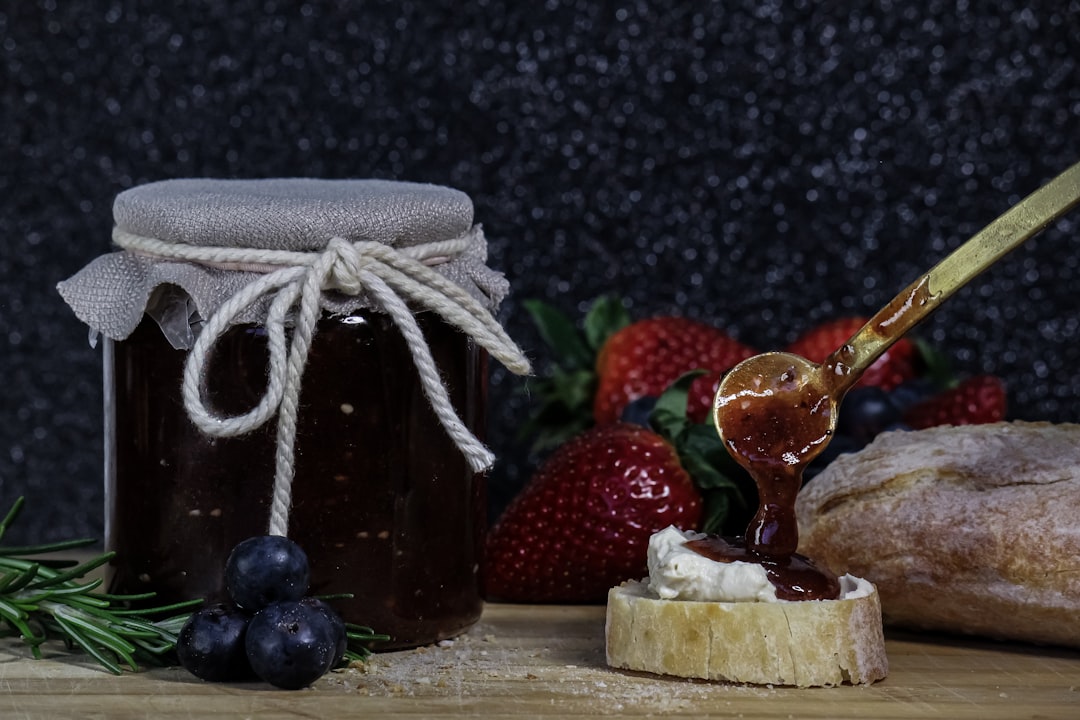


Fig preserves are the kind of small-batch product that feels luxurious for what it costs to make. A jar of glossy, sweet fig preserves pairs beautifully with cheese, spreads over warm bread, and glazes roast meats, and it sells for far more than the figs and sugar inside. Figs have a devoted following, and good local fig preserves are surprisingly rare, which leaves the category wide open. Because fig preserves are a high-acid, cooked-and-canned product, they're usually cottage-food-legal, though proper canning matters. If you have a fig tree or a good source of figs, fig preserves are one of the most elegant and profitable jars you can sell.
The short version: Fig preserves are legal to sell from home under cottage food law in most states, because high-acid, properly canned preserves are widely allowed as shelf-stable products. A jar costs $2 to $4 to make and sells for $9 to $15, with strong gift and cheese-board appeal. Cook and can them with proper technique and acidity so they're safely shelf-stable, label ingredients and net weight, and lean into pairings and gifting. Because it's a canned preserve, follow tested recipes and safe canning practices, and your easiest wins are the cheese pairing, gift sets, and using seasonal figs.
This guide covers what makes fig preserves sell, the canning and legal basics, cost and pricing, and how to market an elegant, giftable preserve.
Fig preserves are a great product because they're elegant, versatile, and distinctive, with a devoted audience and little local competition. Figs feel special, and preserving them captures a short season in a jar that sells year-round. The rich, honeyed flavor pairs with foods people love, and the jewel-like appearance makes fig preserves a natural gift.
Here's why they work as a product:
The honest note: fig preserves depend on a good source of figs, which have a short season, so you'll want to preserve enough during the harvest to sell through the year. And like any preserve, they take cooking and canning effort. But the ingredients are cheap when figs are in season, the process is well-established, and the elegance and margins reward doing it right.
Fig preserves are legal to sell from home under cottage food law in most states, because high-acid, cooked-and-canned preserves are widely allowed as shelf-stable products. The sugar and added acid make fig preserves a high-acid product that fits the low-risk profile cottage food laws favor, though canned goods sometimes carry specific requirements.
A few points to keep straight:
Because figs are low-acid, following a tested recipe that adds the right acid is genuinely important for safety, so don't improvise. Our overview of what foods you can sell under cottage food laws and the cottage food laws by state directory point you to your state's rules, and the National Center for Home Food Preservation is the authoritative, university-backed resource for safe fig preserve canning, including the acid additions figs require.
A jar of fig preserves costs about $2 to $4 to make, with figs, sugar, and the jar as your main expenses. When figs are in season or homegrown, your ingredient cost drops sharply, which is what gives fig preserves their strong margin.
Here's a realistic breakdown for one jar (about 8 ounces):
| Item | Approx. cost per jar |
|---|---|
| Figs (in season or grown) | $0.80 |
| Sugar | $0.40 |
| Lemon juice or acid, spices | $0.45 |
| Canning jar and lid | $1.00 |
| Label | $0.30 |
| Energy | $0.35 |
| Total | $3.30 |
That jar costs around $3.30 to make and sells for $9 to $15, an excellent margin, especially when you grow or source figs cheaply in season. A single batch yields many jars, so your per-jar labor is modest despite the cooking and canning. Preserving during the fig harvest, when figs are abundant and cheap, and buying jars in bulk keep your costs low and let you sell through the year.
Price fig preserves at $9 to $15 a jar depending on size and ingredients, at the premium end of the preserve range because figs feel elegant and the flavor is distinctive. Fig preserves support confident pricing, and customers happily pay more for something that feels special and pairs beautifully with cheese and entertaining.
A pricing structure that works:
Gift sets and the cheese-board pairing are your best tools for raising the average order. If pricing your work fairly feels uncomfortable, read why charging what you're worth feels wrong, and see how vendors approach pricing jams and preserves. Given the low ingredient cost, especially with seasonal figs, and the preserve's elegance, price for the premium experience you deliver.
The fig preserve flavors that sell best range from classic plain to elegant infused versions, and the cheese pairing is your single strongest selling point. Because fig preserves shine on a cheese board, showing customers that pairing drives both first purchases and reorders.
Flavors that sell:
Pairings that drive sales:
Sample fig preserves on a cracker with cheese at markets, since one taste sells the jar. Offer a small range that includes the classic plus one or two infused options so customers can find their favorite. A focused, elegant line with clear pairing suggestions makes fig preserves easy to sell and easy to gift.
Sell fig preserves by sampling the cheese pairing, leaning into gift sets, and marketing their elegance and versatility. Fig preserves practically sell themselves once tasted alongside cheese, so your job is to get them in front of people and show the pairing.
Ways to sell more:
Because fig preserves are shelf-stable, you can preserve in season and fulfill gift and reorder demand year-round. Managing gift orders and holiday rushes through DMs still gets messy, so a real storefront helps. Here's how to sell food online as a local vendor so your preserve sales stay organized through the seasons.
A shelf-stable, elegant, giftable preserve with seasonal and reorder demand fits an online storefront well. Homegrown is $10 a month with no percentage fees beyond standard payment processing, and it gives you an order page where customers browse your flavors, buy singles or gift sets, and reorder favorites easily. Because your product is shelf-stable, you preserve in season and fulfill from stock all year.
How it compares to the alternatives:
What Homegrown does well for a fig preserve vendor: a clean storefront that showcases your elegant flavors, easy singles and gift sets, effortless reorders, a customer list for seasonal announcements, and a fifteen-minute setup. What it doesn't do: it won't cook or can your preserves, guarantee sales, or ship for you. It gives your shelf-stable preserve a place to sell and be reordered. When you're ready, you can set up your storefront and sell your fig preserves today.
The most serious fig preserve mistakes involve acidity and canning safety, since figs are naturally low in acid. Because a safe fig preserve requires added acid, the errors that matter most are the ones that skip that safety step.
Mistakes to avoid:
Getting these right keeps an elegant, profitable preserve both safe and easy to sell.
In most states you can sell fig preserves under cottage food law without a business license, because high-acid, cooked-and-canned preserves are widely allowed as shelf-stable products. Some states require a tested recipe, a pH check, or a canning course for preserved foods. Check your state's cottage food rules, since canned goods sometimes carry specific requirements beyond those for baked goods.
Fig preserves are safe to can and sell when made with a tested recipe that includes added acid, because figs are naturally low in acid and need lemon juice or another acid to reach a safe pH. Combined with proper water-bath canning and a good seal, that acidity makes them shelf-stable. Always use tested recipes rather than improvising, since the acid addition is a genuine safety requirement for figs, and the FDA's guidance on foodborne illness explains why low-acid foods carry the risks that proper acidification prevents.
Fig preserves need added acid, usually lemon juice, because figs are naturally low in acid, and a safe, shelf-stable preserve requires a low enough pH to prevent dangerous bacteria. Tested fig recipes specify the acid needed to reach that safe level. This is why you should follow established recipes rather than adjusting on your own, since getting the acidity right is what makes home-canned fig preserves safe to sell.
Fig preserves typically sell for $9 to $15 a jar, at the premium end of the preserve range because figs feel elegant and pair beautifully with cheese. Since a jar costs only $2 to $4 to make, especially with seasonal figs, margins are excellent. Premium flavors like fig-balsamic and gift sets pairing jars with crackers or a cheese knife are the best ways to raise your average order.
Properly canned fig preserves last about a year or more unopened when stored in a cool, dark place, because their sugar and added acid make them shelf-stable. Once opened, refrigerate them and use within a few weeks to a couple of months. Label jars with a best-by date, and always ensure a proper seal and safe acidity during canning, since those are what give fig preserves their long shelf life.
Fig preserves are best known for pairing with cheese, especially soft and blue cheeses on a cheese board, but they're also delicious over warm bread and pastries, as a glaze for roast pork or chicken, and in desserts like tarts and thumbprint cookies. Suggesting these uses on your labels and at your booth helps customers see the value, since the cheese pairing in particular sells the jar.
Fig preserves are quite profitable because ingredient costs are low, especially with in-season or homegrown figs, and jars sell at a premium of $9 to $15 with little local competition. A single canning batch yields many jars, keeping per-jar labor modest. Profit comes from the elegant positioning, the cheese pairing, gift sets, and reorders, making fig preserves one of the most rewarding preserves to sell.
Fig preserves reward vendors who respect the craft and lean into their elegance: use tested recipes with the acid figs require, can safely, price for the premium experience, and sell the cheese-board pairing. With low seasonal costs and little competition, they're one of the most elegant and profitable preserves you can offer. When you're ready to showcase your flavors and make reorders easy, set up a Homegrown storefront and start selling your fig preserves.



