
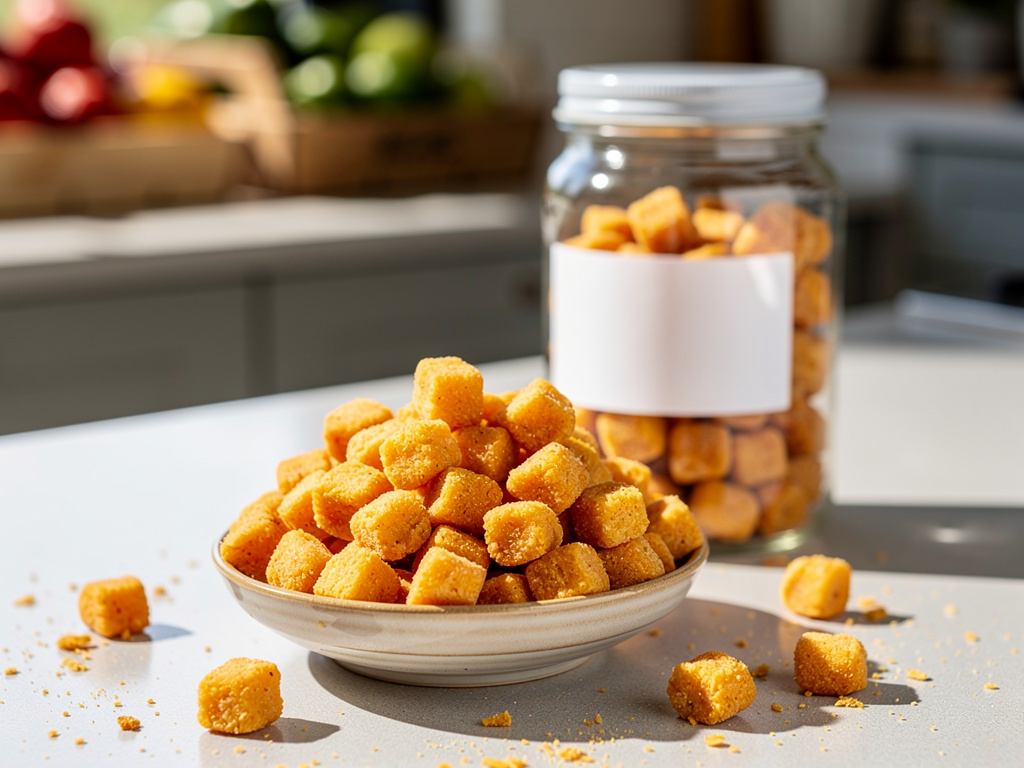


Chin chin, the crunchy, lightly sweet fried dough cubes beloved across West Africa, is one of the most sellable heritage snacks you can make. Unlike many traditional foods that are perishable and off-limits for home selling, chin chin is a dry, crunchy, shelf-stable snack once fried and cooled, which means it's often cottage-food-legal and it keeps for weeks. It travels well, ships well, and makes a perfect gift, especially as pasalubong or a treat for the West African diaspora who miss the taste of home. If you love making chin chin and want a low-cost, forgiving, giftable product, this crunchy snack is a genuine opportunity to build a home business.
The short version: Chin chin is a dry, crunchy, shelf-stable fried snack, so it's often cottage-food-legal, though some states restrict fried foods, so confirm your state's rules first. It keeps for weeks, ships well, and makes a great gift, unlike perishable heritage dishes. It's cheap to make, with flour, sugar, and a little oil costing little, and sells by the bag for $6 to $14. Focus on crunchy, authentic chin chin, attractive packaging, and the gift and West African community market. Your biggest wins are its shelf stability, gift appeal, and the cultural connection.
This guide covers why chin chin sells, the legal basics including the fried-food question, cost and pricing, how to package it, and how to reach customers who crave it.
Chin chin is a great product because it's shelf-stable, giftable, cheap to make, and beloved, which sets it apart from most perishable heritage foods. Because it's dry and crunchy after frying, it keeps for weeks, travels and ships well, and makes an ideal gift, giving it a huge advantage over foods you can only sell fresh.
Here's what makes it work:
The honest note: chin chin is a fried food, which a few states restrict, so confirming your local rules is the first step, and getting the crunch and flavor right takes practice. But its shelf stability, gift appeal, low cost, and passionate demand make chin chin one of the most rewarding and forgiving heritage snacks to sell. Unlike perishable dishes that require a licensed kitchen, chin chin is often a straightforward cottage food product you can sell from home.
Chin chin is often legal to sell from home under cottage food law, because it's a dry, shelf-stable fried snack without perishable ingredients, though some states restrict fried foods, so confirming your state's rules is essential. Once fried and cooled, chin chin is a crunchy, low-risk snack similar to a fried cookie or cracker.
A few points to keep straight:
Because the fried-food rule varies, confirm your state's specifics before selling. Our overview of how cottage food law treats heritage foods explains the framework, and the cottage food laws by state directory links to your state's rules. Where fried foods are allowed, chin chin is a genuinely accessible, shelf-stable product to sell from home.
Chin chin costs just a few dollars per batch to make, since the dough is flour, sugar, butter or oil, eggs, and a little nutmeg, plus oil for frying. This low ingredient cost, combined with a batch that yields many bags, gives chin chin an excellent margin.
Here's a materials breakdown for a batch yielding about three bags:
| Item | Approx. cost per batch |
|---|---|
| Flour, sugar, butter, eggs | $2.00 |
| Oil for frying | $1.50 |
| Flavorings (nutmeg, vanilla) | $0.40 |
| Packaging (bags, labels) | $2.40 |
| Energy | $0.60 |
| Total | $6.90 |
That batch costs around $7 and yields several bags selling for $6 to $14 each, an excellent margin. Oil and packaging are notable costs, but the base dough is cheap. Your labor includes rolling, cutting, and frying, but a batch yields many servings, and because chin chin is shelf-stable, you can make larger batches in advance without worrying about spoilage. Buying flour and oil in bulk drops your cost further, making chin chin a very affordable, high-margin snack.
Price chin chin by the bag, typically $6 to $14 depending on size, with gift packs and larger sizes to raise your average order. Chin chin is an affordable, crave-able snack, so bag pricing is accessible, with gift formats and volume boosting your sales.
A pricing structure that works:
Because chin chin is shelf-stable and giftable, gift packs and multi-packs are strong ways to raise the average order, especially around holidays and for pasalubong. If pricing your work fairly feels uncomfortable, read why charging what you're worth feels wrong, and see how vendors approach pricing snacks and treats. Price your crunchy, authentic chin chin for the quality and cultural value it delivers, since customers love real, homemade chin chin.
You package chin chin in airtight bags or containers to keep it crunchy, in attractive packaging that showcases it as a giftable snack. Because chin chin's crunch is its whole appeal, protecting it from moisture is key, and because it's so giftable, presentation drives sales.
Packaging steps that protect and sell:
Because chin chin stays crunchy for weeks when sealed properly, it's ideal for gifting, shipping, and stocking up, which is a major advantage. For guidance on storing dry foods to keep them at their best, the National Center for Home Food Preservation is a reliable, university-backed resource. Airtight, attractive packaging that keeps chin chin crunchy and looks giftable is what turns a simple snack into a strong, sellable product.
Reach chin chin customers through the West African community, gift shoppers, and snack lovers, using nostalgia, the gift and pasalubong appeal, and authentic quality. Your customers are people who grew up with chin chin or love discovering it, and they seek out authentic, crunchy, homemade quality.
Ways to find your customers:
Because chin chin is shelf-stable and shippable, you can reach the diaspora across the country, not just locally. Managing gift orders, shipping, and reorders through DMs still gets messy, so a real storefront helps. Here's how to sell food online as a local vendor so your chin chin orders stay organized.
A shelf-stable, giftable, shippable snack with reorder demand fits an online storefront well. Homegrown is $10 a month with no percentage fees beyond standard payment processing, and it gives you an order page where customers browse your bags and gift packs, buy singles or multi-packs, and reorder easily. Because chin chin is shelf-stable, you make to stock and fulfill orders with little waste.
How it compares to the alternatives:
What Homegrown does well for a chin chin vendor: a clean storefront that showcases your bags and gift packs, easy singles and multi-packs, effortless reorders, a customer list for announcing new products, and a fifteen-minute setup. What it doesn't do: it won't make your chin chin, guarantee sales, or ship for you. It gives your shelf-stable snack a place to sell and be reordered. When your recipe and rules are set, you can set up your storefront and sell your chin chin today.
The most common chin chin mistakes are packaging it before it's fully cool and dry, and skipping the fried-food rules check. Because chin chin's crunch and shelf stability are its whole appeal, the errors that matter most involve moisture and eligibility.
Mistakes to avoid:
Getting these right lets you sell crunchy, authentic chin chin that keeps a loyal community coming back.
You can often sell chin chin from home under cottage food law, because it's a dry, shelf-stable fried snack without perishable ingredients, making it a low-risk product similar to a fried cookie. However, some states restrict fried foods, so you must confirm whether your state's cottage food law permits fried items before selling. Where fried foods are allowed, chin chin is generally an accessible, shelf-stable product to sell from home.
Chin chin lasts several weeks, and often a month or more, when fried until dry and stored in an airtight container away from heat and moisture, since it's a crunchy, shelf-stable snack. Humidity is its main enemy, softening the crunch over time. Cool it completely before packaging, seal it airtight, and label it with a best-by date. This long shelf life is a major advantage, making chin chin ideal for gifting and shipping.
Chin chin typically sells for $6 to $14 per bag depending on size, with larger family sizes and gift packs commanding more. Since a batch costs only a few dollars and yields several bags, margins are excellent. Gift packs, multi-packs, and larger sizes are the best ways to raise your average order, especially around holidays and for pasalubong, when chin chin is a popular gift.
Yes, some states restrict or exclude fried foods from their cottage food allowed-foods list, so it's essential to confirm your specific state's rules before selling chin chin. Where fried foods are permitted, chin chin qualifies as a dry, shelf-stable fried snack. Check your state's cottage food list and rules, since this is the main factor determining whether you can sell chin chin from home rather than needing a licensed setup.
You keep chin chin crunchy by frying it until it's fully dry and golden, cooling it completely before packaging, and sealing it in airtight bags or containers that keep out moisture. Any residual warmth or humidity softens the crunch, so thorough frying and airtight storage are essential. Properly made and packaged, chin chin stays crunchy for weeks, which is exactly what makes it such a good shelf-stable, giftable product.
You can ship chin chin easily, since it's dry, shelf-stable, and sturdy, which lets you reach the West African diaspora and snack lovers across the country, especially for gifting and pasalubong. Pack it snugly in airtight packaging so it stays crunchy and intact. Confirm your state's rules on shipping cottage foods before shipping across state lines. This shippability is a major advantage over perishable heritage foods and opens a much wider market.
Chin chin is an excellent product to sell because it's shelf-stable, giftable, shippable, cheap to make, and beloved, giving it huge advantages over perishable heritage foods that require a licensed kitchen. A batch costs a few dollars and yields several bags selling for $6 to $14. Profit comes from its long shelf life, gift and pasalubong appeal, low cost, and passionate community demand, making it one of the most rewarding heritage snacks.
Chin chin rewards vendors who nail the crunch and lean into its shelf-stable, giftable strengths: confirm your state's fried-food rules, fry until dry, package airtight and attractively, and market to the gift and community demand. Unlike perishable heritage dishes, it's a straightforward, high-margin snack you can sell and ship from home. When your recipe and rules are set, set up a Homegrown storefront and share your chin chin.



