
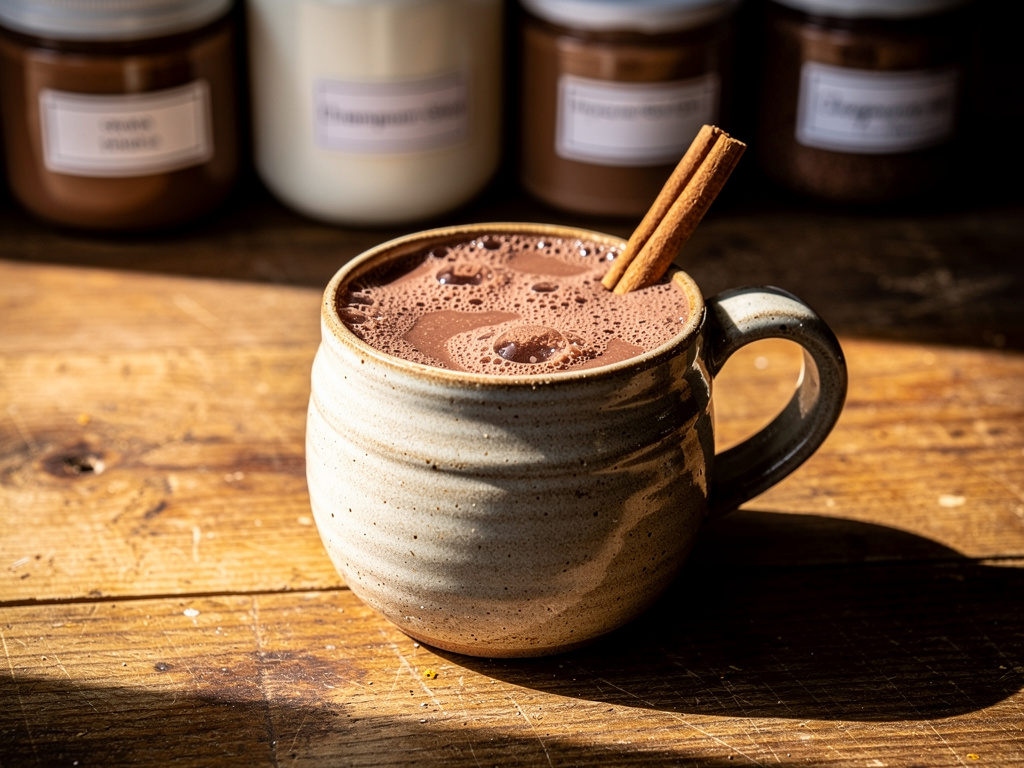


Champurrado and atole are the warm, comforting masa-based drinks that make cold mornings and holiday gatherings feel like home. Thick, cozy, and often spiced with cinnamon and sweetened with piloncillo, champurrado (the chocolate version) and atole (in many flavors) are treasured across Mexican culture, especially around Día de los Muertos, Las Posadas, and Christmas. If you make them well, there's real demand, but there's an important distinction to understand: a ready-to-drink champurrado is a perishable beverage, while a shelf-stable dry champurrado or atole mix is a product you can often sell from home. Selling the mix lets customers make these beloved drinks themselves, and it's the path that fits cottage food law.
The short version: A ready-to-drink champurrado or atole is a perishable beverage that usually requires a licensed kitchen, but a shelf-stable dry mix, masa harina blended with chocolate, spices, and sweetener, can often be sold under cottage food law. Confirm your state's rules and your mix's shelf stability. A bag of quality mix sells for $8 to $15 and makes many servings, with strong seasonal demand around the holidays. Focus on an authentic, shelf-stable dry mix, honest labeling, and the cozy, traditional appeal. Your biggest wins are the seasonal demand and the convenience of an authentic mix.
This guide covers the mix-versus-prepared distinction, the legal basics, how to make a sellable mix, pricing, and how to reach customers who crave these traditional drinks.
Whether you can sell champurrado and atole under cottage food law depends on the form: a shelf-stable dry mix can often qualify, while a ready-to-drink, prepared beverage is perishable and usually requires a licensed kitchen. This distinction is the key to selling these traditional drinks legally from home.
Here's how the forms differ:
Because the drink's status depends on its form, sell the shelf-stable mix and confirm your state's rules. Our overview of how cottage food law treats heritage foods explains the shelf-stable-versus-perishable rule, and the cottage food laws by state directory links to your state's specifics. The FDA's guidance on foodborne illness explains why prepared, perishable beverages carry stricter rules than shelf-stable mixes.
There's strong demand for champurrado and atole because they're beloved, tied to important traditions and seasons, and hard to find as a quality, authentic mix. These warm drinks are comfort in a cup, associated with cold weather, holidays, and family gatherings, which creates both everyday and powerful seasonal demand.
Here's why the demand is real:
The honest note: you're selling a shelf-stable mix rather than the ready-to-drink beverage, and demand is seasonal, peaking in the colder months and around the holidays. But the deep cultural connection, the powerful seasonal spikes, and the convenience of an authentic mix make champurrado and atole rewarding heritage products. For many customers, a real, homemade mix beats anything from a store and lets them make the drinks their families love.
You make a sellable mix by blending shelf-stable dry ingredients, masa harina, ground chocolate or flavoring, spices, and sweetener, that the customer cooks with milk or water at home. The goal is an authentic, convenient dry mix that captures the traditional flavor while staying shelf-stable.
The basics of a sellable mix:
Because shelf stability depends on keeping the mix dry, use fully dry ingredients and confirm the product's stability. For guidance on what makes dry mixes safe to store, the National Center for Home Food Preservation is a reliable, university-backed resource. An authentic dry mix that cooks up into a rich, traditional champurrado or atole is both the safest form to sell and exactly what customers want, since it's convenient and captures the real flavor.
Price champurrado and atole mix at $8 to $15 per bag depending on size and ingredients, since a bag makes many servings of these traditional drinks. The mix is a premium, authentic product, and customers happily pay for a convenient shortcut to the real flavor.
A pricing structure that works:
Offering both champurrado and various atole flavors gives customers variety and lets you build a small line. If pricing your work fairly feels uncomfortable, read why charging what you're worth feels wrong, and see how vendors approach pricing specialty products. Price for the authentic, traditional flavor and convenience your mix delivers, since customers value a real shortcut to these beloved drinks.
The champurrado and atole products that sell best include the classic chocolate champurrado and a range of traditional atole flavors, with seasonal timing driving big demand. Because these drinks have many traditional expressions, offering variety serves customers and captures more of the market.
Flavors that sell:
Formats that help:
Lead with champurrado and a couple of popular atole flavors, and add seasonal or regional varieties for interest. Time your marketing to the cold months and holidays, when demand for these warm, traditional drinks peaks. A focused line of authentic flavors, timed to the season, is what makes champurrado and atole mixes a cozy, profitable seasonal seller.
Reach champurrado and atole customers through the Mexican community, comfort-food lovers, and holiday shoppers, using the cultural connection and the convenience of an authentic mix. Your customers are people who grew up with these drinks or love them, especially around the holidays.
Ways to find your customers:
Because a dry mix is shelf-stable and even shippable, you can reach customers beyond your area, especially for holiday gifting. Managing orders and seasonal rushes through DMs still gets messy, so a real storefront helps. Here's how to sell food online as a local vendor so your mix orders stay organized.
A shelf-stable, seasonal heritage product with reorder and gift demand fits an online storefront well. Homegrown is $10 a month with no percentage fees beyond standard payment processing, and it gives you an order page where customers browse your flavors, buy bags or sampler sets, and reorder favorites easily. Because a dry mix keeps well, you fulfill from stock with little waste.
How it compares to the alternatives:
What Homegrown does well for a champurrado and atole vendor: a clean storefront that showcases your flavors, easy bags and sampler sets, effortless reorders, a customer list for seasonal announcements, and a fifteen-minute setup. What it doesn't do: it won't make your mix, verify its shelf stability, or ship for you. It gives a legal, shelf-stable product a place to sell and be reordered. When your product and rules are set, you can set up your storefront and sell your mix today.
The most important mistakes are selling a perishable prepared drink instead of a shelf-stable mix and missing the seasonal demand. Because these drinks' legality turns on their form, the errors that matter most involve shelf stability and timing.
Mistakes to avoid:
Getting these right lets you sell authentic champurrado and atole legally in the form customers want.
Whether you can sell champurrado under cottage food law depends on its form. A shelf-stable dry mix of masa harina, chocolate, spices, and sweetener that the customer cooks at home can often qualify, while a ready-to-drink, prepared champurrado is perishable and usually requires a licensed kitchen. Confirm your specific product's shelf stability and your state's rules. Selling the dry mix is generally the viable path from home.
A champurrado or atole mix is a shelf-stable dry product the customer cooks with milk or water, while a prepared drink is the ready-to-serve, perishable beverage. For selling from home, the dry mix is usually the viable option under cottage food law, since it doesn't require refrigeration, whereas the prepared drink, especially with milk, is perishable and typically requires a licensed kitchen. Sell the mix and let customers make the drink.
A bag of champurrado or atole mix typically sells for $8 to $15 depending on size and ingredients, since a bag makes many servings of these traditional drinks. Premium versions with quality chocolate or piloncillo and sampler sets can command more. Price for the authentic flavor and convenience your mix offers, since customers value a real, homemade shortcut to the drinks their families love, especially around the holidays.
Demand for champurrado and atole is highest in the cold months and around important traditions, especially Día de los Muertos, Las Posadas, and Christmas, when these warm drinks are essential to celebrations. Demand slows in warmer months. Time your production and marketing around the fall and winter holidays, take pre-orders for the rushes, and consider gift sets, since these mixes make wonderful, cozy holiday gifts.
Start with classic chocolate champurrado and popular atole flavors like vanilla, strawberry, and cinnamon, then add seasonal or regional varieties like guava or pecan for interest. Offering a few authentic flavors gives customers variety and lets you build a small line and sampler sets. Lead with champurrado and a couple of beloved atole flavors, keeping your production focused while serving the range of traditional tastes customers crave.
You can ship a shelf-stable dry champurrado or atole mix, since it keeps without refrigeration, which lets you reach customers beyond your area, especially for holiday gifting. Confirm your mix is genuinely shelf-stable and check your state's rules on shipping cottage foods before shipping across state lines. A prepared, perishable drink, by contrast, couldn't be shipped safely, which is another reason the dry mix is the better product to sell.
Selling champurrado and atole mix is profitable because it has strong seasonal demand, a loyal audience, and full appeal as a convenient, authentic product, while a bag makes many servings for a good margin. A bag costs a few dollars in ingredients and sells for $8 to $15. Profit comes from the holiday spikes, sampler and gift sets, and reorders, and the fact that a dry mix is shelf-stable and shippable makes it easy to sell.
Champurrado and atole reward vendors who honor the tradition and understand the rules: sell a shelf-stable, authentic dry mix rather than a perishable prepared drink, confirm your state's requirements, lean into the powerful holiday demand, and keep your flavors genuine. As beloved, cozy drinks tied to important traditions, they're rewarding heritage products. When your product and rules are set, set up a Homegrown storefront and share your champurrado and atole.



