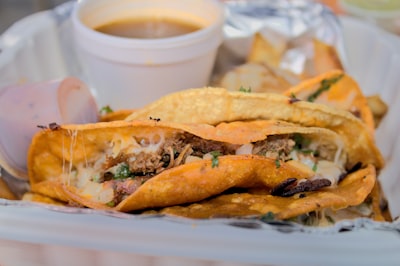


Birria exploded in popularity, and with it came a wave of home cooks wondering whether they could sell their rich, slow-braised birria and those irresistible quesabirria tacos. The honest answer is that birria itself, the braised meat and its consommé, is a perishable food that almost never qualifies under cottage food law. That doesn't mean you have no options, but it does mean the easy home-selling path most cottage food vendors use isn't open to birria. Here's what cottage food law actually allows, what it doesn't, and how you can still build a birria business the right way, including a shelf-stable product you can sell from home today.
The short version: Birria, as a braised meat dish with consommé, is a perishable food that requires temperature control, so it almost never qualifies under cottage food law and generally needs a licensed or commissary kitchen to sell. What you can often sell from home is a shelf-stable birria adobo paste or seasoning blend, the flavor base customers use to make their own birria. Confirm your state's rules, sell the shelf-stable base under cottage food law, and pursue a licensed kitchen if you want to sell the finished birria. Never sell prepared, perishable birria from an unlicensed home kitchen.
This guide explains why birria isn't cottage-legal, what your real options are, and how to sell a shelf-stable birria product from home.
No, you generally cannot sell prepared birria under cottage food law, because the braised meat and consommé are perishable, temperature-controlled foods that require refrigeration and can grow harmful bacteria. Cottage food law is built for shelf-stable, low-risk foods, and birria is neither, so this is the crucial thing to understand before you sell.
Here's why prepared birria is excluded:
Because prepared birria is a perishable meat dish, it almost always requires a licensed or commissary kitchen, not a cottage food permit. Our overview of how cottage food law treats heritage foods explains the shelf-stable-versus-perishable rule that excludes birria, and the cottage food laws by state directory links to your state's specifics. The FDA's guidance on foodborne illness explains why meat dishes carry the strict rules they do.
What you can often sell from home is a shelf-stable birria adobo paste or dry seasoning blend, the flavor base customers use to make their own birria at home. This lets you sell your authentic birria flavor legally under cottage food law, even though you can't sell the finished, perishable dish.
Shelf-stable birria products you may be able to sell:
Why this works:
Confirm that your specific paste or blend is genuinely shelf-stable and check your state's rules, since even pastes can fall into regulated categories. For guidance on what makes a paste shelf-stable, the National Center for Home Food Preservation is a reliable, university-backed resource. Selling the shelf-stable base is how you legally build a birria business from home while the perishable dish waits for a licensed kitchen.
If you want to sell finished, prepared birria, your options are a licensed commercial kitchen, a commissary kitchen, or a home-kitchen permit program where your state offers one that allows perishable foods. Because prepared birria is a perishable meat dish, selling it legally means stepping up to a regulated operation.
Your possible paths:
Each path involves more cost, inspection, and regulation than cottage food, which is the tradeoff for selling a higher-risk prepared food. Before investing, talk to your local health department about what's required for selling prepared meat dishes. Many birria entrepreneurs start by selling a shelf-stable base under cottage food law to build a following and income, then move to a licensed kitchen, food truck, or permitted operation to sell the finished birria that customers crave.
Price a shelf-stable birria adobo paste or seasoning blend at $10 to $18 depending on size and form, reflecting the quality chiles, spices, and authenticity behind it. A birria base is a premium, flavor-packed product, and customers happily pay for a shortcut to authentic birria.
A pricing structure that works:
A base that makes multiple batches offers clear value, and kits or premium presentations raise your average order. If pricing your work fairly feels uncomfortable, read why charging what you're worth feels wrong, and see how vendors approach pricing specialty products. Price for the authentic flavor and convenience your base delivers, since customers value a real shortcut to great birria.
You sell a birria base by reaching birria lovers and home cooks who want authentic flavor without the work, while building the following and income to eventually sell finished birria from a licensed setup. Your shelf-stable base is both a legal product now and a foundation for a bigger birria business.
Ways to sell and grow:
Because a shelf-stable base can be stocked and shipped, you can reach customers widely. Managing orders and reorders through DMs still gets messy, so a real storefront helps. Here's how to sell food online as a local vendor so your birria base orders stay organized as you grow.
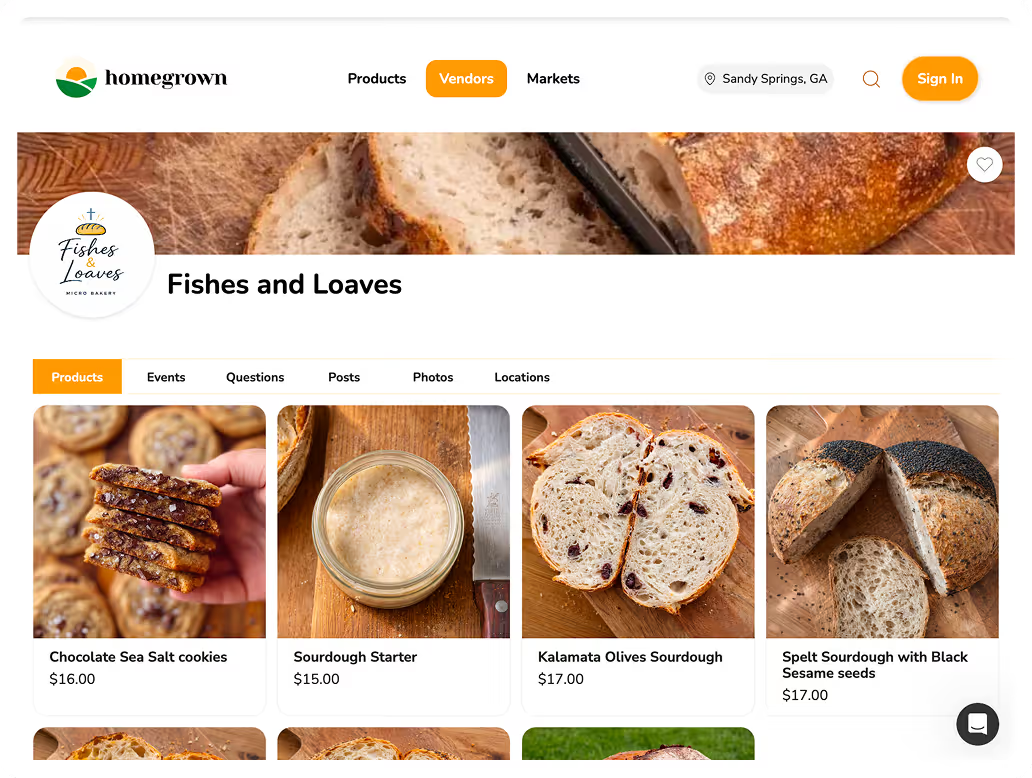
Whether you sell a shelf-stable base now or finished birria later from a licensed setup, an ordering system keeps your business organized. Homegrown is $10 a month with no percentage fees beyond standard payment processing, and it gives you an order page where customers browse your birria base products, buy jars or kits, and reorder easily, and it can grow with you as you add offerings. Because a shelf-stable base keeps well, you fulfill from stock with little waste.
How it compares to the alternatives:
What Homegrown does well for a birria vendor: a clean storefront for your base products and kits, easy reorders, a customer list to build your following, and a fifteen-minute setup. What it doesn't do: it won't make you legal to sell prepared birria (that's your licensed-kitchen path), cook for you, or ship for you. It gives your legal, shelf-stable product a place to sell and helps you build toward more. When your product and rules are set, you can set up your storefront and sell your birria base.
The most serious birria-selling mistake is selling prepared, perishable birria from an unlicensed home kitchen. Because birria is a perishable meat dish, the errors that matter most involve food safety and the law.
Mistakes to avoid:
Getting these right keeps you legal and safe while building a real birria business.
You generally cannot sell prepared birria from an unlicensed home kitchen, because the braised meat and consommé are perishable, temperature-controlled foods that require refrigeration and fall outside cottage food law. Prepared birria almost always requires a licensed or commissary kitchen. What you can often sell from home is a shelf-stable birria adobo paste or seasoning blend, the flavor base customers use to make their own birria, which fits cottage food rules.
You can't sell prepared birria under cottage food law because it's a perishable meat dish that requires temperature control to stay safe, and cottage food law is designed for shelf-stable, low-risk foods. Meat and its juices can grow harmful bacteria without refrigeration, making birria a time-and-temperature-control-for-safety food. This isn't about your cooking; it's that perishable meat dishes require the controlled conditions of a licensed kitchen.
You can often legally sell a shelf-stable birria adobo paste or dry seasoning blend from home under cottage food law, since these are the low-moisture, non-perishable flavor bases customers use to braise their own birria. Confirm your specific product is genuinely shelf-stable and check your state's rules, since even pastes can fall into regulated categories. Selling the base lets you offer your authentic birria flavor legally without the perishable dish.
You can sell finished birria legally through a licensed commercial or commissary kitchen, a home-kitchen permit program where your state offers one that allows perishable foods, or a permitted food truck, stand, or catering operation. Each requires more setup and inspection than cottage food, since birria is a perishable meat dish. Talk to your local health department about the requirements for selling prepared meat dishes in your area.
A shelf-stable birria adobo paste or seasoning blend typically sells for $10 to $18 depending on size and form, since it's a premium, authentic flavor base that makes several batches of birria and saves customers real work. Kits pairing the base with instructions or dried chiles can command more. Price for the quality chiles and spices and the convenience your base offers, since customers value a shortcut to authentic birria.
You cannot sell quesabirria tacos from an unlicensed home kitchen, because they're a prepared, ready-to-eat dish with perishable meat and cheese, well outside cottage food law. Selling assembled tacos requires a licensed kitchen, food truck, or permitted operation. As with birria itself, your home-selling option is a shelf-stable flavor base, while the finished tacos require the regulated setup that prepared, perishable foods demand.
Starting with a shelf-stable birria base under cottage food law is a smart way to build income, a customer following, and your brand while you plan for a licensed kitchen or food truck to sell finished birria. Many successful birria vendors begin this way, selling their authentic flavor legally from home, then expanding. It lets you start now, legally and affordably, rather than waiting until you can afford a full licensed operation.
Once you've confirmed your birria adobo paste or seasoning blend is genuinely shelf-stable and cottage-legal, you can sell it at farmers markets, cultural festivals, through an online storefront for pickup, and even ship it to birria lovers beyond your area. Sampling the finished birria made from your base at these venues is the strongest way to sell it, since one taste proves the flavor. Building a customer base this way also sets you up for the day you sell finished birria from a licensed kitchen or food truck.
Birria is a case where the honest answer matters: the prepared dish is a perishable meat food that requires a licensed kitchen, but a shelf-stable adobo paste or seasoning blend lets you sell your authentic birria flavor from home legally today. Start with the base, build your following, and pursue a licensed setup for the finished birria customers crave. When your base product and rules are set, set up a Homegrown storefront and start selling your birria flavor.