
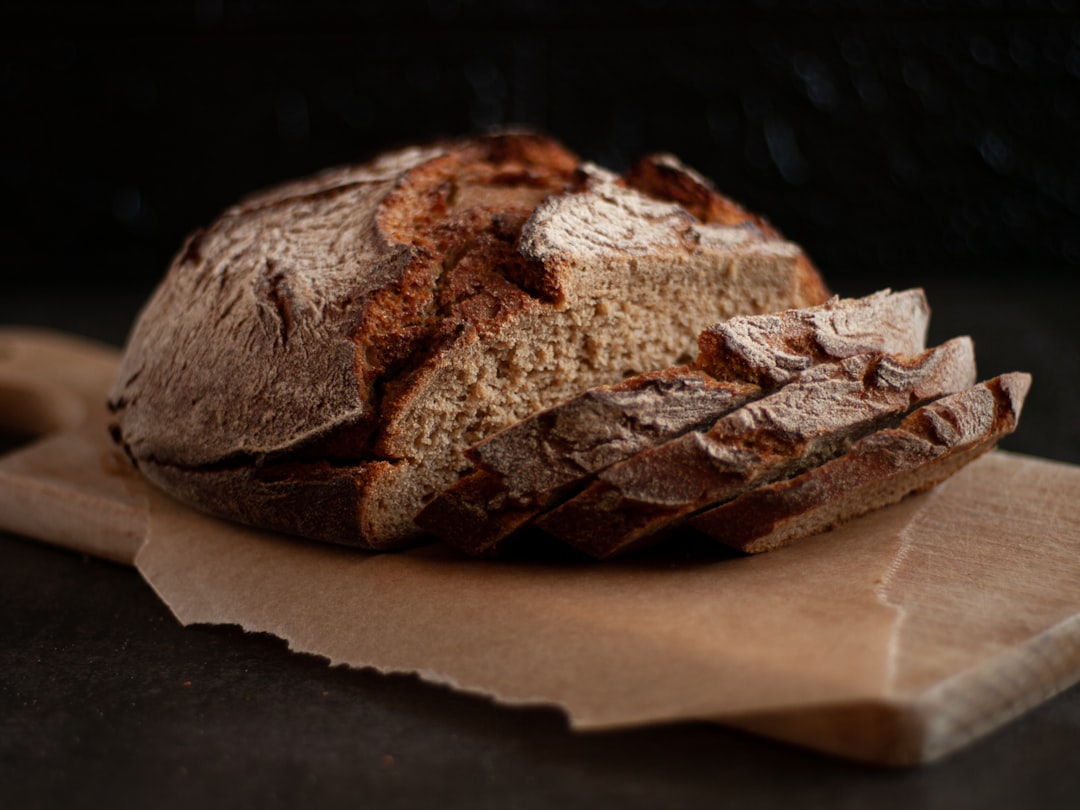


The best platform to sell sourdough in California for most home bakers is Homegrown, which gives you a flat $10 per month online storefront with no per-listing fees, no per-sale platform commission, and no shopper or payout fees. California's Cottage Food Operations law is one of the more developed cottage food frameworks in the country — it splits operators into Class A (direct sales only) and Class B (direct plus indirect sales) — and the right platform supports both tiers cleanly without forcing you up a pricing ladder.
The short version: California allows home bakers to operate as Cottage Food Operations under specific labeling, registration, and revenue-cap rules. Class A operators sell directly to consumers; Class B operators sell direct plus indirect (through retail). Most home sourdough sellers in California start as Class A — local pickup only, no wholesale. The platform decision should support that workflow first. Homegrown is $10 per month flat with no platform commission. Hotplate is the strongest drop-day platform if you run scheduled weekly releases — its fee structure (5% + $0.55 platform plus 2.9% + $0.30 processing) is paid by the customer at checkout in default mode, so vendor cost is $0 but the customer sees a checkout surcharge. Etsy is the wrong fit because of stacked listing fees and de-prioritized cottage food category. For most California sourdough bakers selling locally who want a clean customer checkout, Homegrown is the simplest starting point.
California's Cottage Food Operations (CFO) law allows home bakers to produce certain low-risk foods — including most baked goods like sourdough — in their home kitchens for direct sale to consumers. The law splits operators into two classes:
Both classes have specific labeling, registration with the local county environmental health department, an annual revenue cap, and an approved-food list. Always verify current rules with the California Department of Public Health Cottage Food Operations page and your local county environmental health department before pricing or scaling. We also keep a regularly updated state-by-state cottage food law lookup at findhomegrown.com/tools/cottage-food-laws.
This article is about the platform decision. The rest assumes you've registered as a CFO and confirmed sourdough fits your category.
California sourdough has unique characteristics that affect platform choice:
These six needs are the lens for evaluating any platform.
Homegrown is an online storefront built specifically for local food vendors selling for pickup. It matches the California CFO Class A workflow precisely: list your flavors with no per-variant fee, set a weekly inventory cap, list multiple pickup spots (your local Bay Area farmers market, an LA porch pickup, a Wednesday workplace drop), share one link, customers pre-order with specific pickup times.
Here is what you get with Homegrown:
The pricing structure matters because California's CFO revenue cap means optimizing margin matters more than optimizing for scale. Every dollar you keep is a dollar that doesn't push you closer to the cap.
Pros:
Cons:
Best for: Most California Class A CFO sourdough bakers selling at farmers markets or through local pickup. The full sourdough workflow is documented in our how to sell sourdough bread from home guide, and the broader best platform to sell sourdough online breakdown covers all six options nationally.
Start your free 7-day trial with Homegrown.
Hotplate is purpose-built for the scheduled drop selling pattern. The Bay Area and LA sourdough scenes have a strong drops culture — vendors who post Friday for a Saturday pickup, watching the countdown, racing to claim. According to Hotplate's pricing help article, the platform charges 5% + $0.55 plus 2.9% + $0.30 card processing per order, paid by the customer at checkout by default. About 80% of Hotplate vendors keep that default; vendors can also toggle to absorb fees themselves.
Pros:
Cons:
Best for: Established California sourdough bakers running scheduled weekly drops with a regular audience comfortable with the customer-side surcharge.
Etsy is the most-known marketplace and almost always the wrong fit for California sourdough. Per-listing fees punish rotating menus. Cottage food gets de-prioritized in search. Local pickup is a workaround. Sourdough does not benefit from Etsy's global discovery because shipping fresh bread cross-country is impractical and the California CFO Class A framework is built for direct sales anyway.
Pros:
Cons:
Best for: Almost no California sourdough baker.
Square Online is the e-commerce arm of Square. Bay Area and LA farmers markets see heavy Square Reader usage; if you already have one, Square Online provides one ecosystem.
Pros:
Cons:
Best for: California sourdough bakers already committed to Square hardware at their farmers market booth.
Castiron was positioned around custom-order workflows (the platform closed in late 2025). The platform's strengths (quote forms, polished website builder) are mismatched for menu-based sourdough but are stronger if your storefront aesthetic is critical to your brand and you want a polished website rather than a storefront link.
Pros:
Cons:
Best for: California custom-cake bakers, or sourdough bakers whose brand depends heavily on a polished website aesthetic and who are willing to pay for it.
Shopify is industrial-strength e-commerce. For a California Class A baker selling 30 loaves a week at the Berkeley farmers market, it's a forklift to move a grocery bag.
Pros:
Cons:
Best for: California sourdough bakers who have transitioned to Class B CFO status and run multi-channel operations including shipping.
Here is a side-by-side comparison for the California sourdough use case specifically:
| Feature | Homegrown | Hotplate | Etsy | Square Online | Castiron (closed) | Shopify Basic |
|---|---|---|---|---|---|---|
| Monthly cost | $10 | $0 | $0 | $0 free, $29/mo Plus | $0 free, $19+/mo paid | $39+/mo |
| Per-listing fee | None | None | $0.20 every 4 months | None | None | None |
| Per-sale platform fee | 0% | 5% + $0.55 (customer-paid by default) | 6.5% | 0% | 4-10% | 0% |
| Card processing | 2.9% + $0.30 (vendor) | 2.9% + $0.30 (customer-paid by default) | 3% + $0.25 | 2.9% + $0.30 | (in tier) | 2.9% + $0.30 |
| Multiple pickup locations | Yes | Yes | Manual | Yes | Yes | Yes |
| Specific pickup times | Yes | Yes | Manual | Limited | Yes | Workaround |
| Class A CFO friendly | Yes | Yes | Limited | Yes | Yes | Possible |
| California sales tax handling | Standard (Stripe) | Standard | Standard | Strong | Standard | Standard |
| Storefront aesthetic | Standard | Hotplate-branded | Etsy listings | Utilitarian | Polished website | Highly customizable |
| Setup time | ~15 min | 30-60 min | 30-60 min | 1 hour | 1-2 hours | 4-8 hours |
| Best fit for CA sourdough | Class A direct-sales menu sellers | Scheduled drops | Almost no fit | Square POS users | Brand-aesthetic-heavy bakers | Class B at scale |
The cost picture for a California sourdough baker doing $1,000 per month in sales:
| Platform | Vendor cost at $1,000/mo | What customer sees on $20 order |
|---|---|---|
| Homegrown | ~$43 ($10 + 2.9% + $0.30) | $20.00 (clean) |
| Hotplate (default) | $0 (customer absorbs) | ~$22.30 with itemized surcharge |
| Hotplate (vendor absorbs all) | ~$115 | $20.00 |
| Etsy | ~$95 ($65 sales + $25 processing + $5 listing) | $20.00 typically |
| Square Online (free) | ~$33 | $20.00 |
| Castiron Plus | ~$59 ($19 + 4%) | $20.00 |
| Shopify Basic | ~$102 ($39 + apps + processing) | $20.00 |
The right choice depends on your CFO class and how you sell:
If you're a typical California Class A CFO sourdough baker selling at California farmers markets or through local pickup, Homegrown is the best platform — flat fee, no per-listing punishment, multiple pickup locations.
Start your free 7-day trial with Homegrown.
Before you commit, run through this checklist:
Yes — Class A Cottage Food Operations in California allow direct-to-consumer sales of approved cottage foods including most baked goods. Class A is the simpler tier and is what most home sourdough bakers register as initially. The list of approved foods, labeling rules, registration process, and revenue cap are set by the state and local county environmental health department; verify current rules through the official CDPH page and your county.
Yes — California requires CFO registration with your local county environmental health department before you can legally sell. Class A registration is generally simpler and does not require a kitchen inspection in most counties; Class B registration requires inspection. The exact requirements vary by county and change periodically. Always verify with your local county environmental health office.
Square Online's free tier is the cheapest in absolute dollar terms ($0 plus standard card processing). Homegrown is $10 per month plus card processing. The right choice depends on whether you value the Homegrown pickup-first workflow, brand control, and 15-minute setup over the absolute lowest sticker price.
Most cottage food sales in California are subject to sales tax depending on whether the food is sold for "immediate consumption" or "to-go" — bakery items have specific rules. The platform should handle sales tax calculation based on your registered business location and your customer's pickup location. Always verify your specific sales tax obligations with a California tax professional, not a platform's defaults.
Yes — Homegrown supports multiple pickup locations in one storefront, so you can list "Saturday at the Berkeley Farmers Market" and "Sunday at the Mountain View Farmers Market" and "Wednesday porch pickup in Oakland" all in the same platform.
Hotplate is purpose-built for the drop UX with countdown timers and sold-out states, and the Bay Area drop scene is one of the strongest in the country. Homegrown supports drop-style workflows by letting you cap inventory and announce the menu through Instagram or text, with a full drops feature on the roadmap. If your business specifically depends on the countdown-timer drop UX right now, Hotplate is the right tool. If your business is a mix of drops and day-to-day ordering, or you want flat predictable pricing, Homegrown is the better fit.
If your sourdough business consistently exceeds the California CFO annual revenue cap, you typically need to transition to a different licensing structure — often a commercial kitchen (commissary) or your own permitted facility. This is a major operational change separate from the platform decision. Talk to your local county environmental health department before you cross the cap, not after.
Your California sourdough deserves a platform built for the way Class A CFO operators actually sell — direct, local, multiple pickup spots, specific time windows, and flat predictable costs that don't push you toward your revenue cap. Start your free 7-day trial with Homegrown.



