
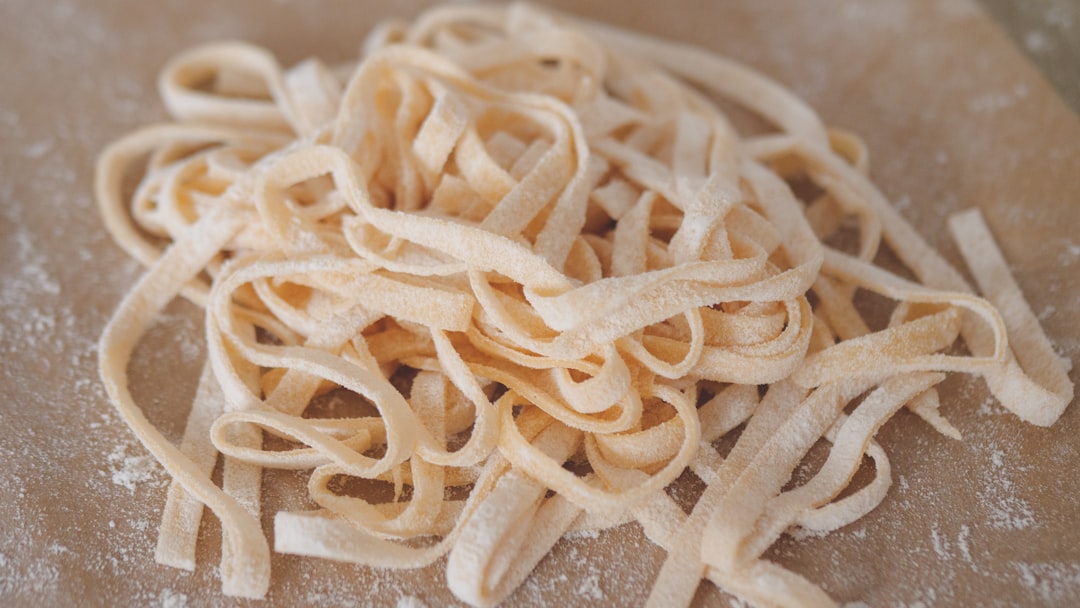


The best platform to sell pasta from home is Homegrown, which gives you an online storefront for $10 per month with local pickup and delivery scheduling, inventory management, and built-in card processing — no website, no marketplace fees, and no commission on your sales, just card processing of 2.9% + $0.30 per order. Fresh and dried pasta are strong cottage food products with high margins and growing consumer demand for artisan, small-batch alternatives to grocery store brands.
The short version: Fresh pasta is a premium product that customers cannot easily find at grocery stores — hand-cut fettuccine, filled ravioli, and flavored linguine command prices of $8-$18 per pound. Dried pasta is shelf-stable and qualifies as cottage food in nearly every state. Both formats benefit from a platform that handles variety selection, inventory tracking, and scheduled pickup. Homegrown ($10 per month annual, $12.50 monthly) handles ordering, payments (2.9% + $0.30 per transaction), pickup scheduling, and inventory through one shareable link. Other options include Etsy (6.5% per transaction plus listing fees), Square Online (free with Square branding), and Shopify ($39+ per month).
Pasta legality under cottage food laws depends on the type:
Dried pasta: Dried pasta (unfilled, fully dehydrated) is shelf-stable and non-potentially-hazardous. It qualifies as a cottage food product in virtually every state with cottage food laws. No refrigeration required, long shelf life, and simple labeling.
Fresh unfilled pasta: Fresh fettuccine, linguine, spaghetti, and other unfilled fresh pasta is a gray area in some states. Some states classify it as a baked good or processed grain product (cottage food eligible). Others may consider it potentially hazardous because of its moisture content and egg content.
Filled pasta: Ravioli, tortellini, and other filled pasta with cheese or meat fillings are typically classified as potentially hazardous and do not qualify under standard cottage food laws. States with expanded home kitchen permits may allow filled pasta.
Flavored pasta: Pasta made with herbs, vegetables (spinach, beet, squid ink), or spices generally follows the same rules as the base pasta type — dried flavored pasta is typically cottage food eligible.
Check your state's cottage food law for specific language about pasta. The wording matters: New Jersey allows dried wheat pasta but not dried egg noodles, and Idaho allows neither fresh nor dried, as our state-by-state pasta rules guide shows. Dried, unfilled pasta is the safest starting point from a regulatory standpoint.
Pasta ordering has distinct characteristics that benefit from structured management:
Homegrown is built for local food vendors who sell through pickup or local delivery and farmers markets. You list your products, set pickup locations and times, and share one link.
Here is what Homegrown includes:
Pros:
Cons:
Best for: Home pasta makers who sell locally through pickup and farmers markets.
Start your free 7-day trial with Homegrown.
Etsy provides marketplace visibility for artisan food searches. On a $14 pound of pasta, Etsy fees total approximately $1.76 — roughly 12.6% of the sale.
Pros:
Cons:
Best for: Pasta makers wanting to reach national customers with dried pasta.
Square Online provides basic online ordering with POS integration.
Pros:
Cons:
Best for: Pasta vendors already using Square at markets.
Shopify at $39 per month provides more infrastructure than a home pasta business needs.
Best for: Pasta businesses scaling into commercial production and national distribution.
| Feature | Homegrown | Etsy | Square Online (Free) | Shopify |
|---|---|---|---|---|
| Monthly cost | $10 (annual) | $0 (listing fees) | $0 | $39+ |
| Transaction fee | 0% | 6.5% | 0% | 0% |
| Card processing | 2.9% + $0.30 | 3% + $0.25 | 3.3% + $0.30 | 2.9% + $0.30 |
| Total fees on $14 pound | ~$0.71 | ~$1.76 | ~$0.76 | ~$0.71 |
| Shape/flavor tracking | Yes | Basic | Basic | Yes |
| Local pickup | Yes (built-in) | Workaround | Basic | With apps |
| Local delivery | Yes (built-in) | No | Basic | With apps |
| Food-specific features | Yes | No | No | No |
| Setup time | ~15 min | 30-60 min | 30-60 min | 4-8 hours |
On $1,000 per month in pasta sales, Etsy fees total approximately $126 while Homegrown costs $10 plus approximately $59 in card processing — a $57 per month difference.
Food science research and preservation resources are available from the UF/IFAS Northwest District Extension, and intellectual property and recipe copyright information is available from the U.S. Copyright Office.
Start your free 7-day trial with Homegrown.
Dried pasta typically sells for $8-$12 per pound depending on the shape and ingredients. Fresh pasta commands $12-$18 per pound. Specialty shapes (hand-shaped orecchiette, cavatelli) and premium flavors (saffron, truffle, squid ink) can sell for $15-$22 per pound. Half-pound portions at $6-$10 work well for customers trying a new variety. Factor in platform costs: on a $14 pound, Homegrown processing is $0.71 while Etsy takes $1.76.
Essential equipment: a stand mixer with a pasta roller attachment or a manual pasta machine, a pasta drying rack or sheets for drying, a clean work surface for shaping, and a kitchen scale for consistent portioning. For specialty shapes, you may need specific dies or molds. A stand mixer with pasta attachments runs $300-$500 total and handles most production needs. Hand-cranked pasta machines ($30-$80) work for lower volumes.
Fettuccine is consistently the top seller because it is versatile and familiar. Pappardelle (wider ribbon pasta) sells well as a premium option. Linguine, rigatoni, and penne are steady sellers. Specialty shapes that are difficult for customers to find commercially — orecchiette, cavatelli, garganelli, mafaldine — command premium pricing and differentiate your product line from grocery store alternatives.
Properly dried and packaged pasta lasts 1-2 years at room temperature. Dry to below 12% moisture content for maximum shelf life. Store in airtight packaging — cellophane bags, resealable pouches, or mason jars — away from heat and moisture. Include a "best by" date on your label (typically 12 months from production). The long shelf life makes dried pasta an ideal cottage food product and a strong candidate for gift boxes.
It depends on your state. Some states allow fresh pasta as a cottage food product because it is a processed grain product. Others may classify fresh egg pasta as potentially hazardous due to its moisture and egg content. Dried pasta is a much clearer cottage food product in nearly every state. If your state is ambiguous about fresh pasta, contact your local health department for a ruling before starting sales.
Ingredients for a pound of basic pasta (flour, eggs, water, salt) cost approximately $1-$2. Specialty ingredients (semolina flour, squid ink, saffron) increase costs to $2-$4 per pound. At retail prices of $8-$18 per pound, your gross margin is 70-90% before packaging and platform costs. Packaging (bags, labels, boxes) adds $0.50-$1.50 per unit. Even with all costs included, pasta margins are among the highest in cottage food.
Dried pasta: clear cellophane bags with a heat seal or twist tie, labeled with your brand name, pasta type, weight, ingredients, and cooking instructions. Clear packaging lets customers see the pasta quality. For gift sets, kraft boxes with a window or clear lids showcase multiple varieties. Fresh pasta: sealed containers or vacuum-sealed bags, clearly labeled with the date and "keep refrigerated" instructions.
Yes. Include a small card or label with cooking time (differs by shape and thickness), water-to-pasta ratio, salt recommendations, and 1-2 suggested sauce pairings. This adds perceived value, reduces customer questions, and ensures customers get the best result from your product. Many pasta vendors print cooking instructions directly on the packaging label.
Sauces are a natural companion product, but most sauces are potentially hazardous (tomato-based, cream-based) and do not qualify under standard cottage food laws. Shelf-stable options — dried herb blends, infused oils (in some states), or pesto (check your state) — may qualify. Dried seasoning blends that customers mix at home ("add olive oil, garlic, and these herbs") are a creative cottage food workaround that pairs well with pasta sales.
Your competitive advantages: hand-made texture that commercial extruders cannot replicate, small-batch freshness, specialty shapes unavailable in stores, premium ingredients (imported flour, farm eggs, saffron), and flavors that grocery brands do not offer (beet, roasted garlic, black pepper lemon). Tell the story on your product pages — where your flour comes from, how you learned to make pasta, why your shapes are special. Customers pay a premium for craft and provenance.
Yes. Gluten-free pasta is a growing market with limited artisan options — most gluten-free pasta available commercially is mass-produced and dry-textured. Homemade gluten-free pasta (rice flour, chickpea flour, cassava) with better texture and flavor commands premium pricing ($14-$22 per pound). The gluten-free customer base is loyal and underserved by local producers. If you offer gluten-free options, mention that your kitchen also handles wheat flour for allergy transparency.
Farmers markets are the best starting point — customers can see and feel the quality of your pasta, and the visual appeal of hand-shaped pasta on display draws attention. Offer small sample bags or cooked samples with sauce. Post process videos on Instagram (hand-cutting, drying, shaping) — pasta-making content performs well on social media because it is visually satisfying. Share your ordering link for customers who want to order between markets.
For classic Italian-style pasta, "00" flour produces the silkiest texture and is a strong selling point — mention it in your product descriptions. Semolina flour creates a firmer, more textured pasta ideal for shapes that hold sauce (rigatoni, penne). All-purpose flour works but produces a less distinctive product. Many successful pasta vendors use imported Italian flour and list the specific brand and mill on their packaging — provenance matters to customers paying premium prices for artisan pasta.
With a stand mixer and pasta machine, most home vendors produce 15-30 pounds per production session (4-6 hours). Dried pasta requires additional drying time (24-48 hours on racks). A weekly production schedule of 2-3 sessions yields 30-90 pounds per week. At $10-$15 per pound retail, that is $300-$1,350 in weekly revenue. The main bottlenecks are drying rack space and refrigerator space for fresh pasta — most vendors upgrade their drying capacity first as demand grows.
Yes. Pasta gift boxes are a strong product for holidays, weddings, and corporate gifts. A typical gift box includes 3-4 varieties of dried pasta (1/2 pound each), sometimes with a dried herb blend or recipe cards, packaged in an attractive kraft box with tissue paper. Price gift boxes at $25-$40 — the premium over buying the same pasta individually is justified by the packaging and presentation. Holiday gift boxes should be available for pre-order starting in early November.
Photograph dried pasta in piles or nests on a wooden surface or marble counter — natural materials complement the artisan feel. Show the texture: close-ups of hand-cut edges, the ridges on rigatoni, the ribbons of pappardelle draped over a drying rack. For variety pages, photograph all shapes together in separate piles with small label cards. Natural light from a window produces the warmest, most appetizing pasta photos. Avoid flash or overhead fluorescent lighting.
Your products deserve a storefront where the listed price is what your customer pays — no marketplace fees, no checkout surcharges, no commission taken from any sale, just card processing of 2.9% + $0.30 per order. Homegrown gives food vendors a shareable ordering link, built-in payments, and local pickup and delivery scheduling for $10 per month flat. Start your free 7-day trial.



