
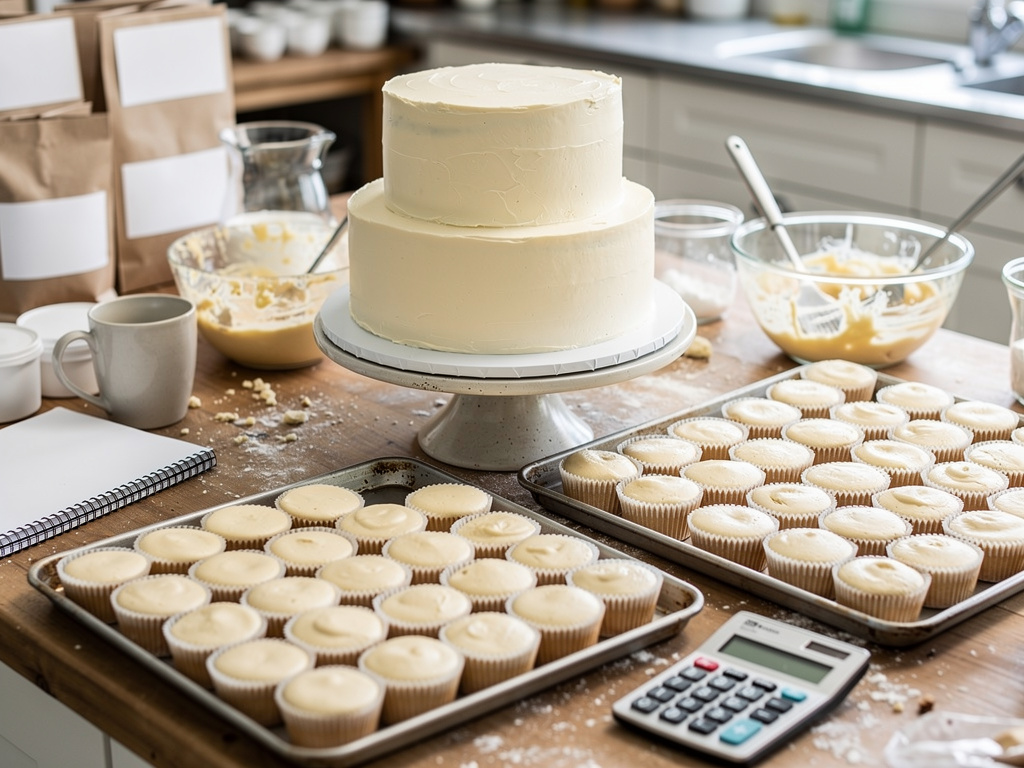


You landed a big order, felt great about it, and then did the real math: you're going to barely break even, or maybe lose money. It's a sick feeling, and the instinct is to either eat a painful loss quietly or go back to the customer and raise the price. The honest answer is usually neither dramatic option, and one underpriced order is far more survivable than it feels in the moment. This guide walks through how to handle a big order you underestimated, and how to make sure it never happens the same way twice.
The short version: First, recalculate the true cost of the order to see how bad it actually is, since most "I underpriced this" situations are a thin margin, not a catastrophe. In almost every case you should honor the quote you already gave, because a quote the customer accepted is a deal, and reneging costs you more in trust than the shortfall costs you in dollars. The exceptions are genuine scope changes, where you can fairly re-quote the additions. Cut costs on this order only where quality and food safety aren't affected, and treat the loss as tuition. The real fix is your quoting process, so you price the next big order correctly.
This guide covers assessing the damage, whether to honor the quote, the fair exceptions, cutting costs, quoting right next time, and when to renegotiate. This is general information, not legal advice.
Before you do anything, recalculate the true, full cost of the order and compare it to what you quoted, because most underpricing is a thinner margin than you feared, not a disaster. You can't decide how to respond until you know whether you're looking at a small loss, a break-even, or a real out-of-pocket loss.
Rebuild the cost from the bottom up:
Then classify the gap. A thin margin means you're still covering your hard costs but underpaying yourself, which is the most common and most manageable outcome. A break-even means no profit and no pay for your labor. A real loss means you'd be paying cash out of pocket beyond your own time, which is rare and the only case that changes the playbook. The takeaway: get the real number before you catastrophize, because a bruised margin is very different from a genuine loss. Work it through with your true cost per item.
Yes, in almost every case you should honor the quote you gave, because a quote the customer accepted is a deal, and backing out or raising the price after they said yes damages trust in a way that outlasts any single order. For a small vendor whose business runs on reputation and word of mouth, that trust is worth far more than the shortfall.
Why honoring is almost always right:
The takeaway: honor the quote, deliver excellently, and fix the real problem upstream rather than passing your estimating mistake onto the customer. The rule is that your word on a quote is part of your brand, so keep it, and let the fix be your future pricing, not this customer's bill. If big orders keep straining you, the guide on custom orders and overcommitting is worth a look.
It's fair to adjust the price only when the order actually changed, or when there was a genuine two-sided misunderstanding caught early, not simply because you guessed wrong. The line is whether the change is on the customer's side or yours.
The legitimate exceptions:
Everything else, where you simply priced too fast or forgot a cost, is on you to honor. And never quietly pad a legitimate scope-change re-quote to recover your original underestimate, because if the customer ever compares the math, that erodes trust fast. The takeaway: re-quote real changes transparently and itemized, and eat honest estimating mistakes. The rule: adjust for what changed on their side, absorb what you got wrong on yours.
You can narrow the gap on this order by trimming costs the customer will never see or taste, but never by cutting food safety or anything they'd notice. Small efficiencies can meaningfully reduce a loss without turning a pricing mistake into a reputation problem.
Where you can safely save:
Where you must not cut:
The takeaway: shave the costs that don't touch the customer's experience, and protect everything that does. The rule is that a thin-margin order delivered beautifully still builds your business, while a cheapened one damages it, so cut smart, not visible. The right batch economics can find real savings without anyone noticing.
The real fix isn't eating losses forever, it's quoting big orders correctly, using cost-plus pricing instead of a gut guess. Nearly every underpriced order traces back to a number given off the top of the head, and a simple, disciplined quoting process prevents it.
How to quote a big order properly:
The takeaway: a repeatable, cost-plus quoting process turns "big order" from a risk into a controlled decision. The rule is to quote from real numbers, not optimism, and the full process lives in the guide on managing a big custom order step by step.
In the rare case where the true cost shows a real out-of-pocket loss and you haven't started production, it's reasonable to have an honest, early conversation with the customer rather than eat a genuine loss. This is the exception, not the norm, and timing is everything.
When an early conversation is justified:
The earlier this happens, the less damage it does, so if you catch a genuine real-loss error before committing anything, raise it right away. Once you've bought ingredients or begun, the honor-the-quote default takes back over. The takeaway: reserve renegotiation for genuine, early, real-loss situations, and expect to simply absorb the far more common thin-margin miss. The rule: a real loss caught early can be discussed, but a bruised margin gets honored.
Underpricing a big order almost always starts the same way: a number given fast, without the real costs in front of you. Homegrown is a $10-per-month online storefront, with no percentage fees beyond standard payment processing, where your orders and sales are captured as clean, itemized records, so you can quote your next big job from what things actually cost you rather than a hopeful guess.
That record-keeping is what makes a disciplined quote possible. When you can see your real order history and costs in one place, building a cost-plus quote for a large order is a calculation, not a gamble, and taking payment or a deposit up front through your storefront anchors the deal so scope and price are clear from the start. Compare that to quoting a big order from memory and hoping the math works out, which is exactly how the underpriced order happened.
To be clear about what Homegrown does not do: it does not calculate your quote, set your prices, or decide whether to honor or renegotiate an order, and it is not pricing or accounting software. Your cost math and your judgment do that. What it gives you is the clean sales record to quote from and the ability to take payment and deposits up front, so your next big order starts from real numbers and a committed customer. If a bad estimate has you rethinking how you quote, set up your Homegrown storefront so the next big order is priced from data, not optimism.
Almost always, yes. A quote the customer accepted is a deal, and backing out or raising the price after they said yes damages trust far more than the shortfall costs you in dollars. For a small vendor, reputation and word of mouth are your real assets. Deliver the order beautifully at the price you quoted, treat the loss as a lesson in your quoting process, and fix that process so it doesn't repeat.
Generally you shouldn't, unless the order itself changed. If the customer added items, increased the quantity, or changed the specs after you quoted, it's fair to re-quote just those additions, since that's a different, larger order. But raising the price simply because you underestimated your own costs, with no change on the customer's side, breaks the deal you made and undermines your reliability. Absorb honest estimating mistakes.
Then it's a new quote for the added scope. Adding items, changing quantities, or requesting new specs after your original quote is genuinely a different order, so re-quoting the additions at your real rate is fair and normal, not reneging. Just be transparent and itemize exactly what changed and what it costs, and never quietly pad the change to recover your original underestimate, since that erodes trust if the customer compares the numbers.
Recalculate the full true cost: ingredients at current prices, a real hourly rate for every hour of work, packaging, delivery, and overhead, then compare it to your quote. If you're still covering your hard costs but underpaying yourself, that's a thin margin, the most common and manageable case. If you'd pay cash out of pocket beyond your own labor, that's a real loss. Most "I underpriced this" situations are the former, not the latter.
Use cost-plus pricing every time: total your ingredients, real labor, packaging, delivery, and overhead, add a margin, and add a complexity premium for big or unusual jobs. Never quote off the top of your head, even under pressure, since a same-day guess is where underpricing starts. Take a deposit and put the quote in writing, and build in a buffer that grows with order size, because bigger orders have more ways to cost more than planned.
If the true cost shows a real out-of-pocket loss and you haven't started production, it's reasonable to have an honest, early conversation with the customer, explaining the miscalculation and offering a corrected price or a scaled-back order. The earlier you catch it, the better, since they can still adjust. Once you've bought ingredients or begun production, though, honoring the quote becomes the right call, and the loss becomes a lesson in your quoting.
An underpriced big order feels like a catastrophe for about a day, and then it becomes what it really is: a one-time cost and a clear signal to fix how you quote. Honor your word, protect the relationship, and price the next one from real numbers. Start your Homegrown storefront so your next big quote is built on what things actually cost, with a deposit locked in before you bake.



