
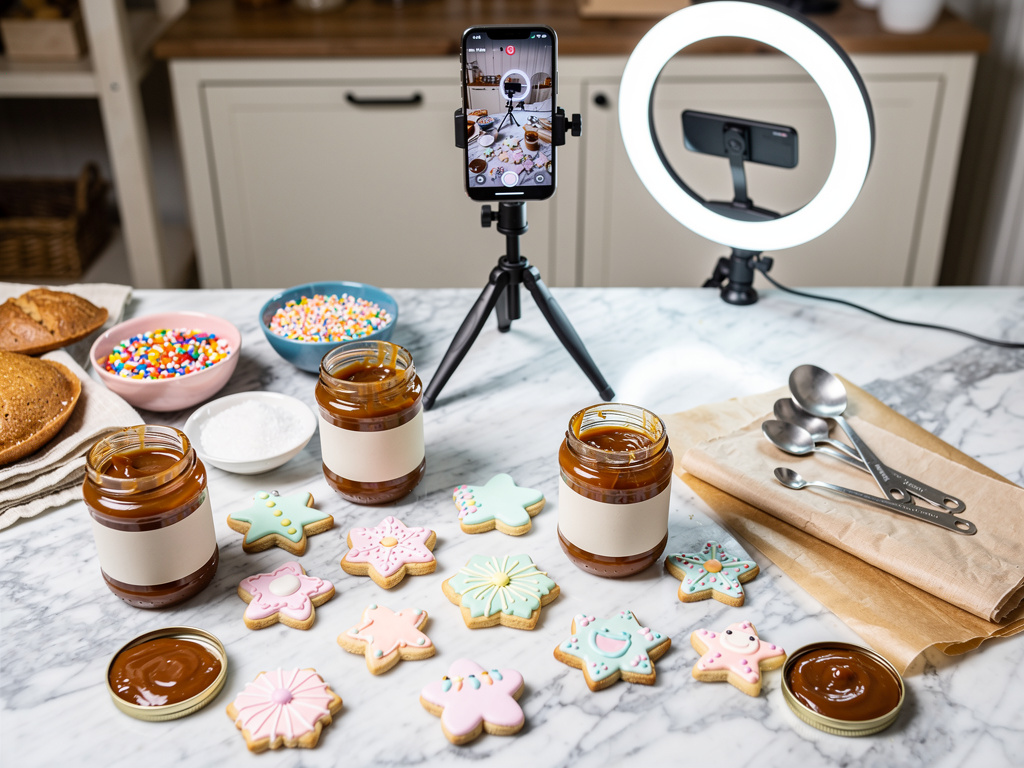


TikTok is the fastest way a home food vendor can reach a huge audience: one good video of your product can put you in front of thousands of local, and not-so-local, food lovers. TikTok Shop promises to let you sell to all of them directly. Before you set it up, though, there's a catch that catches most cottage food sellers off guard: your state's cottage food rules may limit you to in-state or direct sales, while TikTok Shop is built to ship nationwide. This guide walks through TikTok Shop setup for food vendors, the geographic catch, and how to use TikTok's reach the right way.
The short version: TikTok is a powerful discovery tool for food vendors, and TikTok Shop lets you sell products directly through the app. The catch for cottage food is geography: many states limit cottage food sales to within the state or to direct sales, so shipping nationwide through TikTok Shop may not be allowed for your cottage products. Confirm your state's shipping and geographic rules first. Where nationwide shipping isn't permitted, use TikTok for its incredible discovery and reach, then send local viewers to your own storefront to order for pickup or delivery. Disclose any paid partnerships, since the FTC requires it. Homegrown gives you the storefront to capture the local orders TikTok sends you. This is general information, not legal advice.
This guide covers what TikTok Shop is, whether you can sell cottage food on it, setting it up, what content works, staying compliant, and mistakes to avoid. This is general information, not legal advice.
TikTok Shop is TikTok's built-in shopping feature that lets creators and businesses sell products directly through the app, tagged in videos and a storefront tab, with TikTok handling checkout. It turns viral reach into direct sales.
What it offers:
The takeaway: TikTok Shop turns TikTok's viral reach into in-app sales, built around shipping products to buyers. The rule is to understand it's a shipping-based sales channel, which is exactly what makes the cottage food question important, unlike a simple Facebook page that just drives discovery.
Maybe, but only if your state allows the kind of shipping TikTok Shop is built for, since many states limit cottage food to in-state or direct sales. This is the catch to resolve before you set anything up.
Here are your two realistic paths:
| Approach | When it fits | How you fulfill |
|---|---|---|
| Sell on TikTok Shop | Your state allows the shipping involved | Ship orders per your state's rules |
| Use TikTok for discovery | Your state limits shipping or you prefer local | Send viewers to your storefront for pickup or delivery |
Why geography is the catch:
The takeaway: selling cottage food on TikTok Shop depends entirely on whether your state allows the nationwide or in-state shipping the platform is built for. The rule is to confirm your state's shipping and geographic rules first, the same due diligence as starting a cottage food business.
If your state's rules allow it, you set up TikTok Shop by meeting TikTok's seller requirements, listing your products with clear photos and descriptions, and configuring shipping and fulfillment. If they don't, you set up TikTok for discovery and send buyers to your storefront instead.
How to approach setup:
The takeaway: set up TikTok Shop only if your state's shipping rules allow it, otherwise use TikTok for reach and send buyers to your storefront. The rule is to let your state's rules decide your setup, not the platform's defaults, as a smart way to grow beyond selling food from home.
The content that works is short, authentic, and appetizing: process videos, satisfying reveals, behind-the-scenes moments, and your story, posted consistently. TikTok rewards real and engaging over polished.
What to make:
The takeaway: short, authentic, appetizing videos, process, reveals, and story, posted consistently, are what work for food on TikTok. The rule is to make real, engaging content and always point viewers to how they can buy.
You stay compliant by respecting your state's cottage food shipping and geographic rules, labeling every product fully, and disclosing any paid partnerships, since the FTC requires honest, disclosed marketing. Compliance protects your business and your reputation.
What to keep in mind:
The takeaway: stay compliant by respecting shipping rules, labeling fully, disclosing partnerships, and keeping claims honest. The rule is to follow both your state's food rules and the FTC's honesty-and-disclosure rules, since both apply to selling on social media.
The biggest mistakes are ignoring your state's shipping rules, skipping labels, hiding paid partnerships, and forgetting platform fees. Each is avoidable.
Mistakes to avoid:
The takeaway: the mistakes that matter most are ignoring shipping rules, skipping labels, hiding partnerships, and forgetting fees, all avoidable with care. The rule is to confirm your rules, label everything, disclose partnerships, and always give viewers a way to buy.
Whether or not you can ship on TikTok Shop, TikTok's real power for a local food vendor is reach, and turning that reach into local orders is where your own storefront comes in. That's what Homegrown provides.
Homegrown gives you an online storefront to link from your TikTok, so the local viewers a video reaches can order for pickup or delivery in a click, all for a flat $10 a month with no percentage fees beyond standard payment processing. Where nationwide shipping isn't allowed for your cottage food, your storefront captures the local demand TikTok creates, without a platform taking a percentage of every order. A general website builder wasn't made for taking food orders with pickup and delivery, and losing viral interest to your DMs wastes the reach. Homegrown bundles the storefront, order management, and payment into one flat rate, so the audience TikTok sends you becomes clean, trackable local orders. It won't suit everyone, if you're just having fun posting, you may not need a storefront yet, but the moment TikTok is sending you real orders, a flat monthly rate beats losing sales in your messages or a cut to a marketplace.
Ready to turn TikTok reach into orders? Set up your Homegrown storefront and link it from your profile.
Only if your state allows the shipping TikTok Shop is built for. Many states limit cottage food to in-state or direct sales, while TikTok Shop is designed to ship nationwide, so selling to buyers across the country may not be permitted for your cottage products. Some states, like Florida, allow in-state mail and online sales. Confirm your state's shipping and geographic rules before you set anything up.
Then use TikTok for what it does best, discovery and reach, and send local viewers to your own storefront to order for pickup or delivery. TikTok's algorithm can put your food in front of a huge local audience, and a storefront link captures those local orders without violating your state's shipping limits. You get the reach without the geographic problem.
Short, authentic, appetizing videos: process and reveal videos of you making and decorating your product, behind-the-scenes moments, satisfying close-ups, and your story. Using current sounds and formats helps the algorithm share your video. TikTok rewards real and engaging over polished, and every video should include a clear next step for how to buy.
Yes. If you're paid to promote a product, or a creator is paid or given free product to promote yours, the FTC's endorsement rules require clearly disclosing that material connection. Honest, disclosed marketing isn't just required; it also builds the trust that drives real sales. Never hide a paid relationship or post deceptive claims about your food.
Yes. TikTok Shop takes a cut of each sale, like other marketplace-style platforms. If you use it, factor those fees into your pricing so they don't erode your margin. Many local vendors instead use TikTok for free reach and drive orders to their own flat-rate storefront, keeping more of each sale rather than paying a percentage on every order.
Yes. Every cottage food product needs complete labeling, ingredients, allergens, net weight, your business information, and your state's disclosure, no matter where you sell it. Selling on social media doesn't change your labeling obligations. Include ingredient and allergen information in your listings and on the packaging itself, just as you would for any market or direct sale.



